


Anglers Booking Team
The expert copywriters at Anglers Booking have meticulously crafted this article. Our dedicated team of writers provides valuable insights and information to enhance your angling experience.
 8 minutes read
King Mackerel, also known as Kingfish, is among the fastest and most aggressive fish in saltwater. These silver torpedoes are known for their sudden, high-speed runs. Razor-sharp teeth are one of their main characteristics. They patrol the ocean in search of baitfish. There is no doubt that this species of fish provides non-stop excitement for anglers of all experience levels.
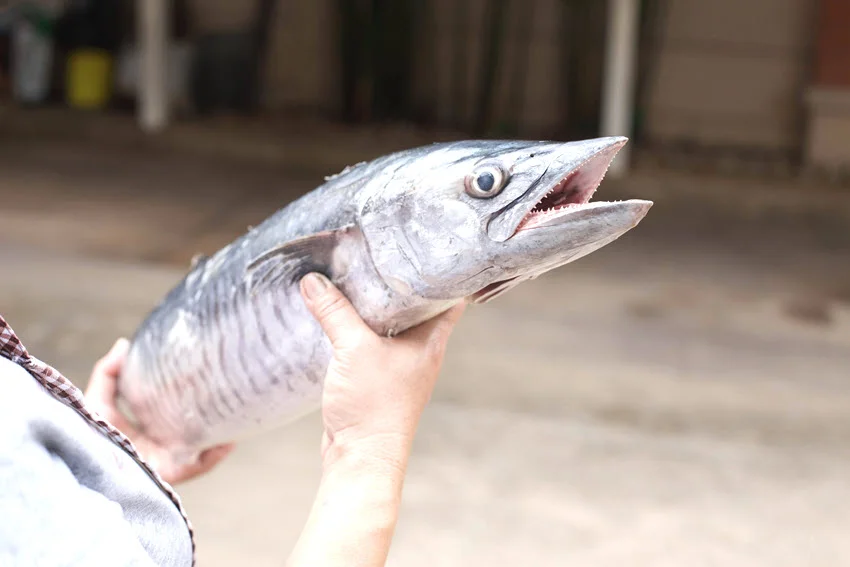
To catch King Mackerel, you need an effective lure and technique. Additionally, you should be aware of their seasonal habits. While live bait is often used, many artificial lures are just as effective when trolled at the correct depth and speed.
We'll walk you through how King Mackerel behaves, where they thrive, and which lures work best for them. Our focus will be on the best lures for different conditions. Simply put, if you want to catch this fish successfully, follow this article to the end.
King Mackerel have long, slim bodies built for speed. Their tails are deeply forked. That helps them move quickly. Their silvery sides, marked with faint vertical lines, allow them to blend in with schools of baitfish. Most King Mackerel weigh between 10 and 30 pounds, but some can grow over 50 pounds. The biggest are caught in places like Florida, Texas, and the Carolinas.
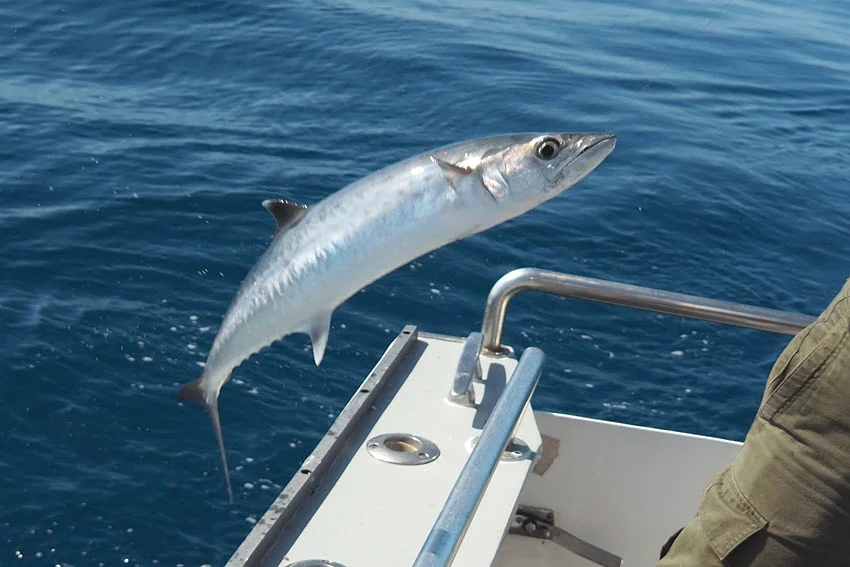
King Mackerel live in coastal waters. These fish prefer depths from 115 to 600 feet and follow baitfish. The main ones are menhaden, mullet, and squid. They use their sharp teeth to slash through baitfish. Common prey includes menhaden, sardines, blue runners, and cigar minnows.
When the water warms, King Mackerel move closer to shore. They swim around piers, jetties, and other structures near beaches, get more active, and often hunt baitfish in these areas.
When the water cools, King Mackerel head back offshore following the schools of baitfish. These areas near the continental shelf are top fishing spots.
Tarpon movement is influenced by water temperature, and they are also affected by the availability of food. Staying mobile helps anglers find them more easily.
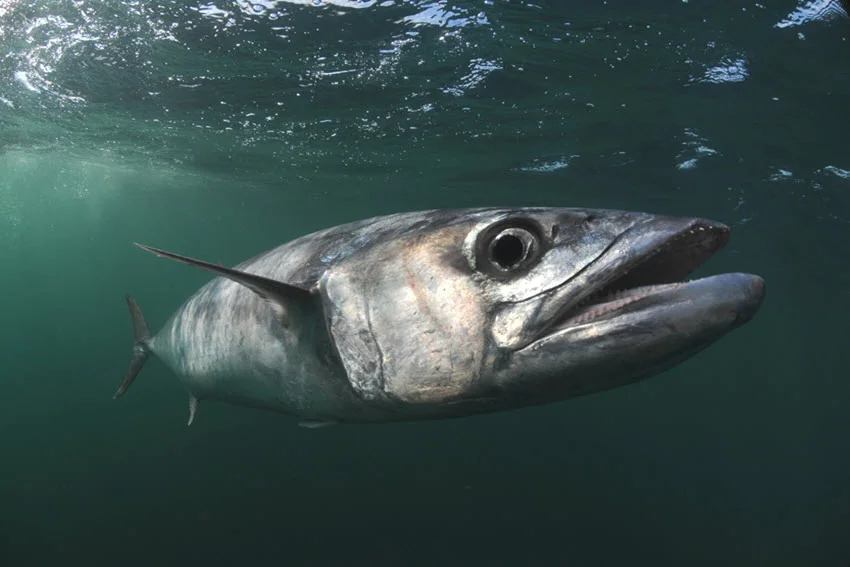
King Mackerel behavior is influenced by water temperature and the movement of baitfish. Also, they affect the level of their activities. In the forward, you can check how the seasons affect these fish.
To catch more King Mackerel, follow their seasonal rules and movements. Select the right spot and time, and you'll have a better chance.
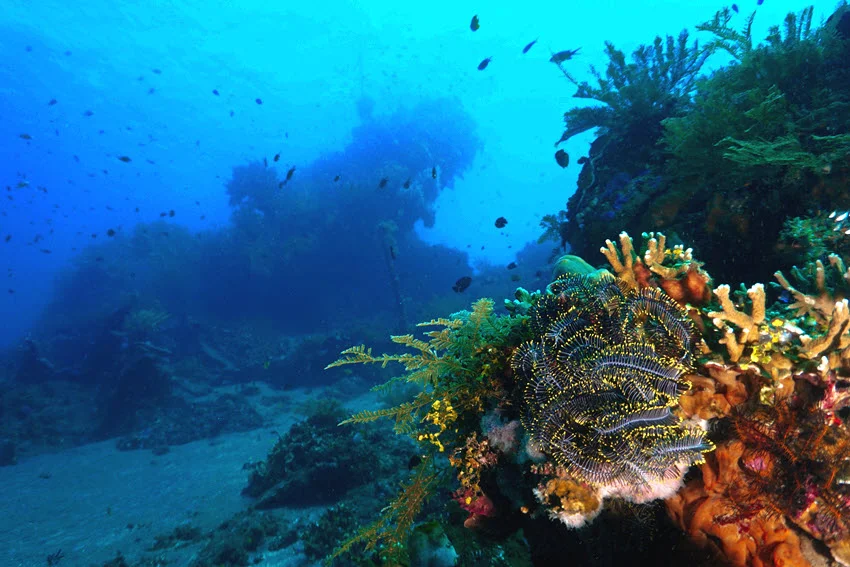
Knowing where King Mackerel swim is important. These fish like warm water. They often stay near structures or sharp changes in water depth. Below, we analyzed the places where they are most often found.
Fishing where King Mackerel feed gives you the best chance. Use lures that resemble natural prey. Always fish with a wire leader. These fish have sharp teeth, which they can use to cut through your line fast.
We are now in the main section of our guide, where we explain the best lures for King Mackerel. Be sure to read what follows!
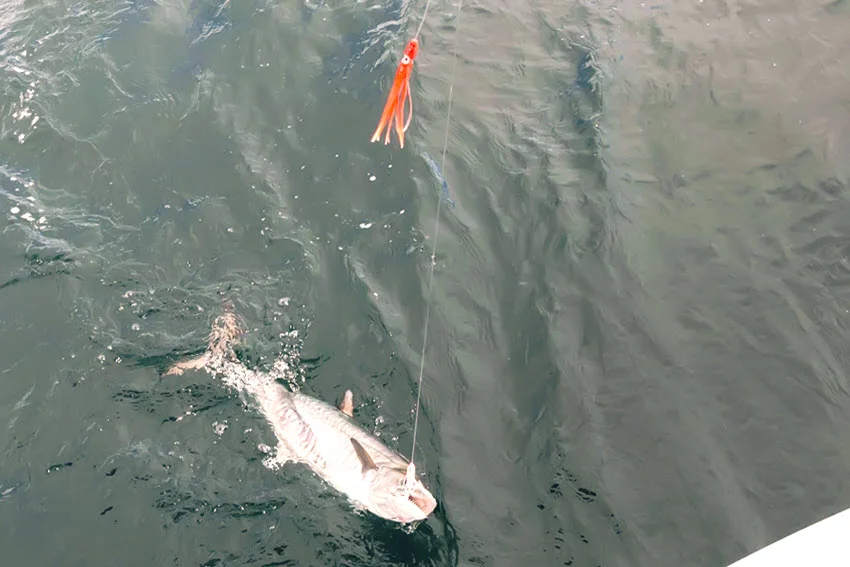
Jigs are a great choice for King Mackerel. They move quickly, resembling small baitfish. Use jigs that flash in the water and drop them near bait schools. Move the jig with fast, sharp lifts to make the Kingfish chase and bite. Jigs work best when fish are feeding deep or mid-water.
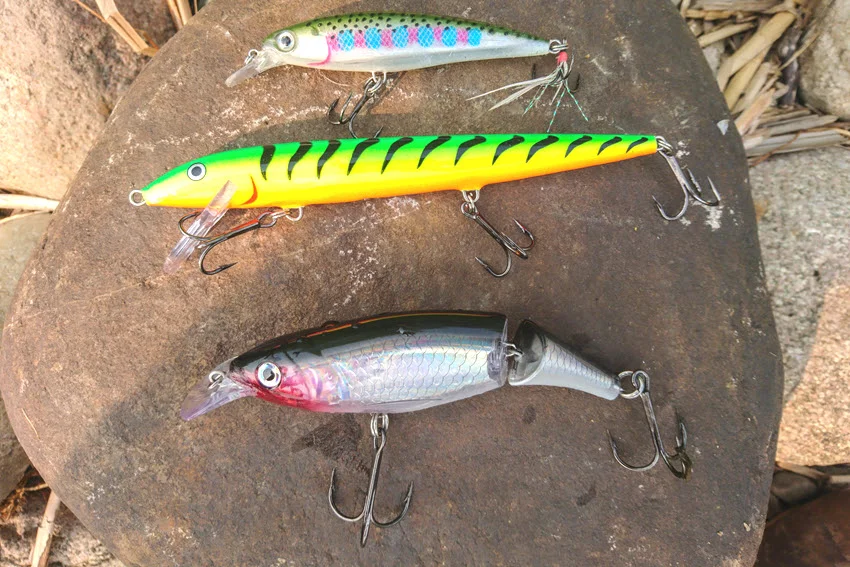
Jerkbaits look like fleeing fish. They move with a twitching motion. This action gets the attention of King Mackerel. Bright colors and strong hooks can result in success. These lures work well near reefs or drop-offs where Kings are chasing bait.
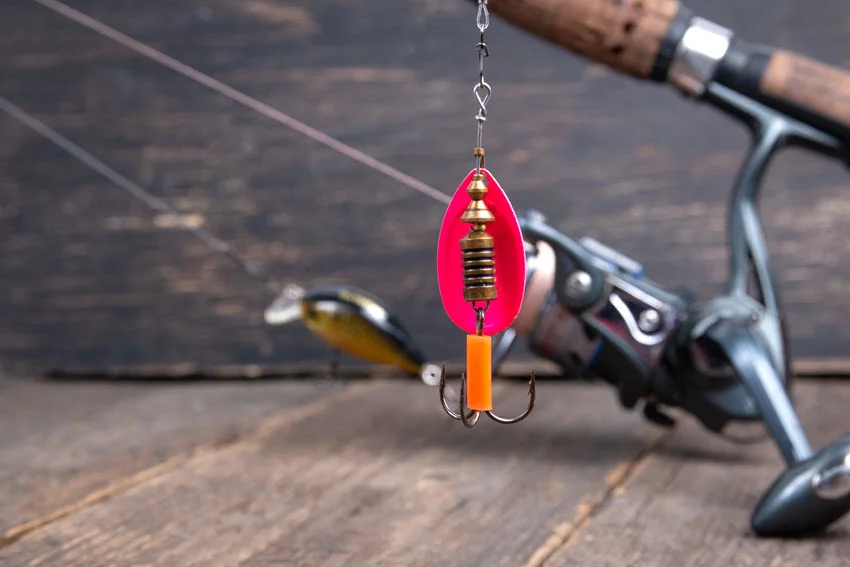
Spoons are classic King Mackerel lures. They shine. They wobble rapidly in the water and resemble frightened baitfish. Troll them behind a boat or cast from shore. Use metal spoons with strong hooks. Fast retrieves work best. Kings love the flash and speed.
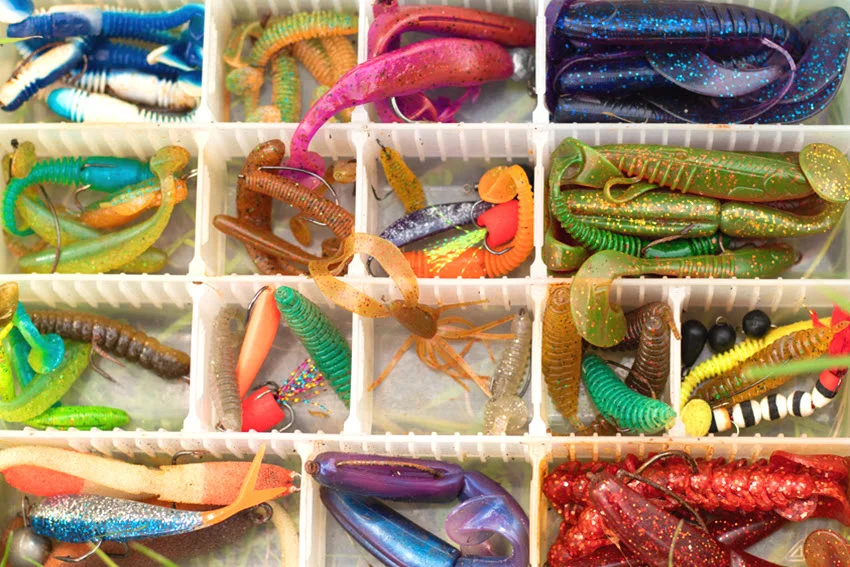
Trolling plugs are also suitable for catching King Mackerel. They dive deep and wiggle like real fish. Use them behind a moving boat. Bright colors and rattling sounds help attract bites. Trolling plugs are most effective when targeting active fish.
In the previous section, we examined the best lures. But lures alone are not enough to catch King Mackerel. You also need the proper technique. Below, we explain how to fish for King Mackerel successfully.
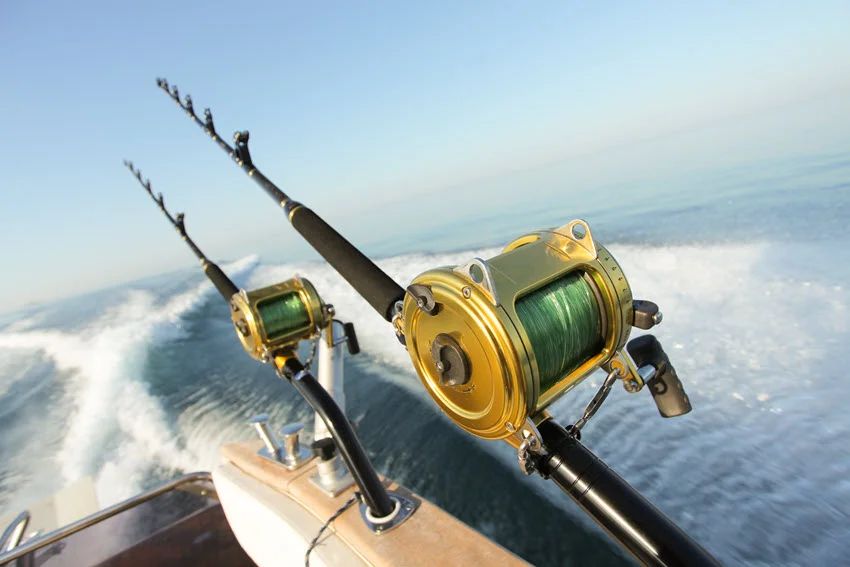
Trolling is the most popular method for catching King Mackerel, which involves pulling a lure behind a moving boat with the line let out 30 feet or more. While one line works, many anglers use multiple lines to cover more water. Most people troll with lures, though live or dead bait can also be effective. Bright, flashy lures work best.
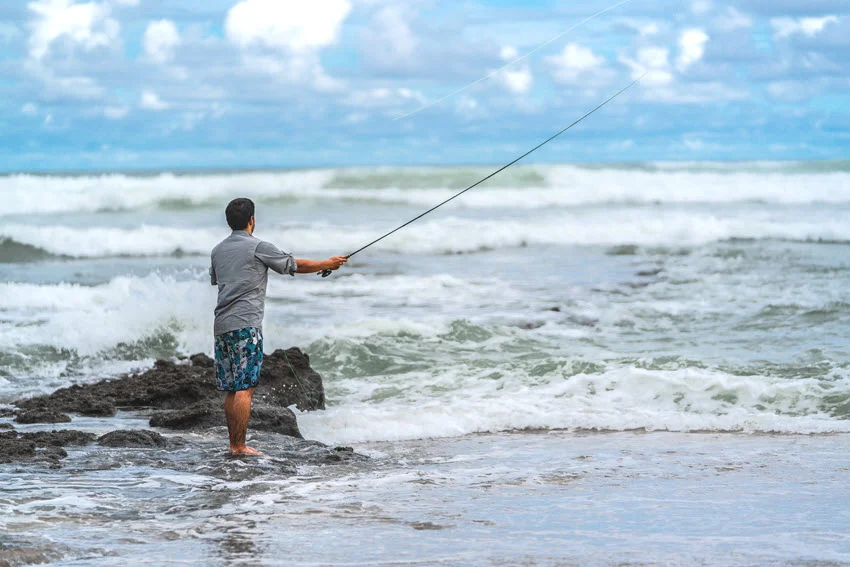
Freelining is another method for catching King Mackerel. This means using just a hook and bait with no weight. Also, you can use a small sinker if there is a strong current. Let the bait drift naturally in the water. You can do this both inshore and offshore. It works well when fish are near the surface.
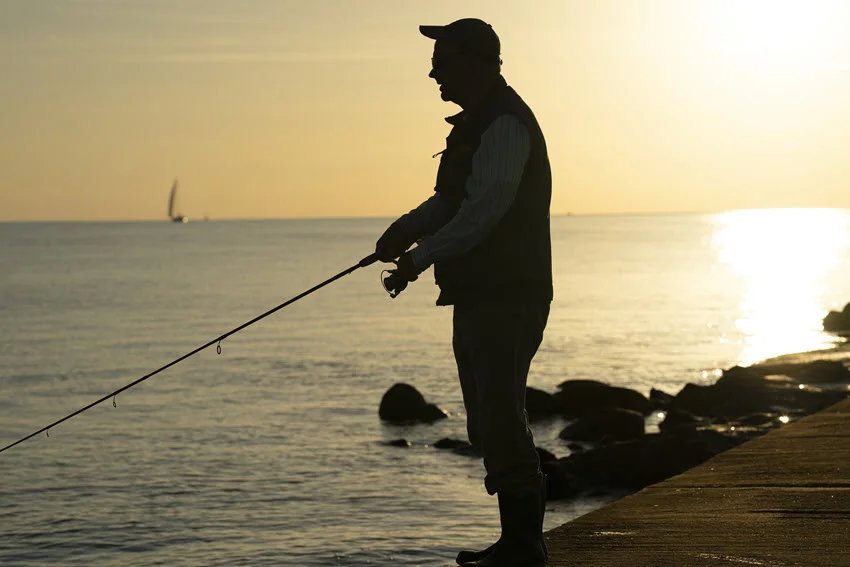
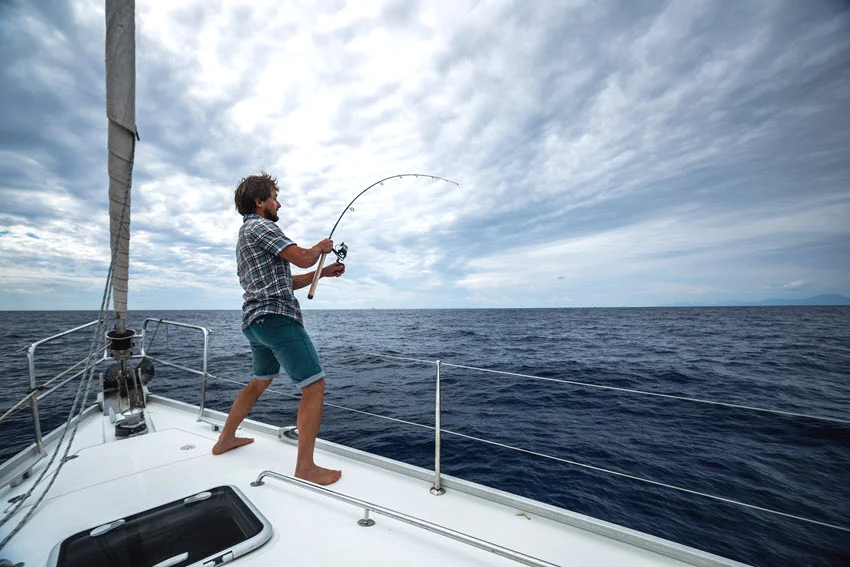
King Mackerel have small mouths and sharp teeth. It's vital to control your line carefully. Don't make your drag too tight. Let the fish run when it wants to. Keep the line tight, but not too tight, or you might pull the hook out. If the fish drops the bait, wait a moment; it might come back and bite again.
You can also use chum to attract King Mackerel. Throw small pieces of bait into the water while fishing to attract the fish closer to your boat. Even if other boats are around, chumming can help your bait stand out.
Understanding fishing regulations and ethical practices about specific fish species protects fish populations and ecosystems and promotes responsible angling practices.
Anglers Booking Team
Before you go fishing for King Mackerel, it's crucial to know the rules. Each area has its fishing laws. These rules are here to protect the fish.
In places like Florida, a valid saltwater fishing license is required. You can catch King Mackerel all year, but the fish must be at least 24 inches long. The daily limit is different by location. For example, in the Gulf and Monroe County, you can keep three fish per day, while in Atlantic waters, the limit is two fish per day.
You can fish with a hook and line, or even spearfish in most places. But always check the rules before you go. They can change. The best way to stay legal is to check the official fishing website for your area. If you're going fishing with a charter, you can also ask your captain for all details. They know the local regulations.
If you have carefully followed our article, you are ready for this great fish. With a bit of practice, you are prepared for a successful hunt. Respect the fish and the environment. Be responsible. Be ethical.
Share your experiences with us. What was the largest specimen you caught? What bait did you use?

The expert copywriters at Anglers Booking have meticulously crafted this article. Our dedicated team of writers provides valuable insights and information to enhance your angling experience.

December 6, 2024
October 5, 2026
Subscribe to our newsletter and receive a selection of cool articles every week.
Embark on unforgettable fishing adventures with us at Anglers Booking.
book your charter
October 2, 2026
September 8, 2026
August 21, 2026
August 18, 2026
August 15, 2026
August 12, 2026
August 8, 2026
August 4, 2026

You're now part of our exclusive community. Get ready for premium content and updates straight to your inbox.
close
Subscribe to our newsletter and receive a selection of cool articles every week.
Please enter a valid email address.
Be the first to know when we're back in action.
Please enter a valid email address.
Leave a Comment
Your email address will not be published. Required fields are marked *
Thank you for your comment! It has been submitted for review and will appear on the site shortly.