


Anglers Booking Team
The expert copywriters at Anglers Booking have meticulously crafted this article. Our dedicated team of writers provides valuable insights and information to enhance your angling experience.
 8 minutes read
King Mackerel (often called Kingfish) is one of the most exciting migratory sportfish in Florida. Blistering runs, razor-sharp teeth, and powerful strikes make them attractive to anglers. These fast predators roam Florida's coastal waters throughout the year, following schools of baitfish along reefs, wrecks, beaches, and deep channels.
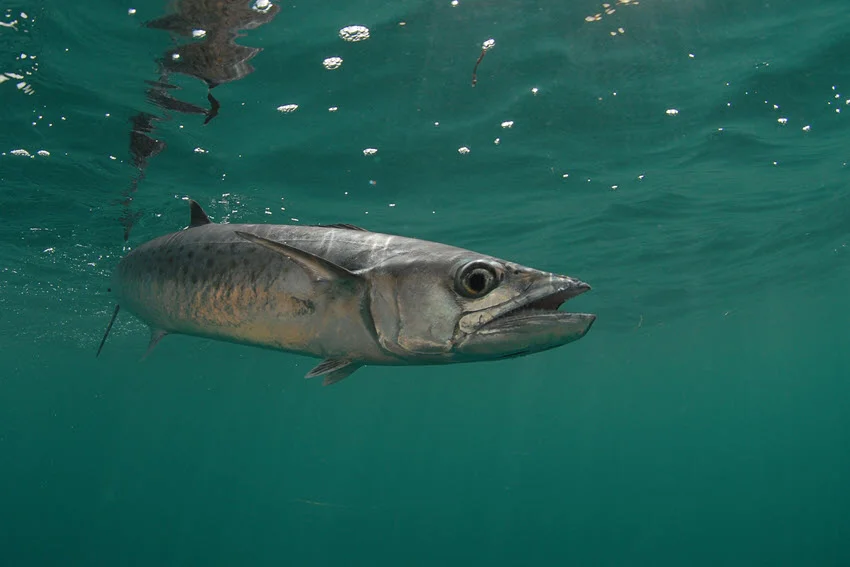
Florida sets size and bag limits for King Mackerel, and recreational harvest is limited to hook-and-line or spearing gear. The Florida Fish and Wildlife Conservation Commission (FWC) collaborates with federal fisheries managers to maintain a healthy and sustainable population. Understanding the regulations and knowing when and where Kingfish are most active will help you get the most out of your fishing trips while staying within the legal limits.
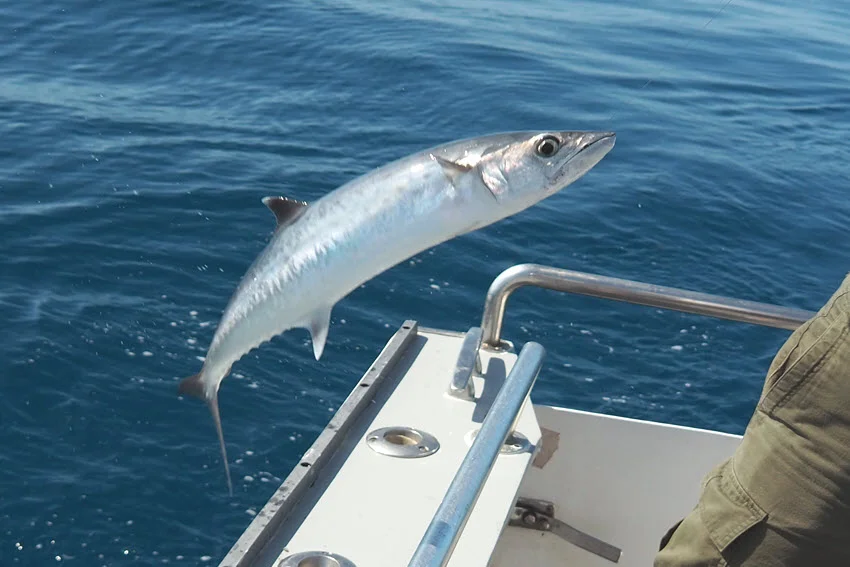
Florida uses the same minimum size limit statewide; however, the daily bag limit varies between Atlantic state waters and Gulf state waters. In Florida state waters, King Mackerel harvest is open year-round and managed with size and bag limits. Below is the current FWC breakdown for Atlantic and Gulf state waters (including Monroe County).
King Mackerel fishing is permitted year-round along Florida's Atlantic Coast, with size and bag limits to protect juvenile fish and prevent overharvest during peak migration periods.
Atlantic state waters (excluding Monroe County): 2 harvesters per day, 24 inches fork length minimum. These guidelines are set to help maintain balance as large schools migrate up and down the coast each spring and fall.
In the Atlantic, King Mackerel are often found near structure, including offshore reefs and wrecks, where bait is concentrated and moving rapidly as currents push it right into the structure.
Regulations on the Gulf Coast of Florida have the same minimum size limit but slightly differ in the daily harvest allowance. King Mackerel season is also open year-round.
Gulf state waters and Monroe County: 3 harvesters per day, 24 inches fork length minimum. The somewhat higher bag limit reflects the more general distribution of King Mackerel throughout the Gulf and the robustness of the stock there.
King Mackerel are commonly found throughout nearshore reefs, shipping channels, and large schools of bait, especially during the warm-water months when sardines and cigar minnows can be abundant.
King Mackerel are heavily targeted by both recreational and commercial fisheries. The FWC uses size and bag limits to help protect smaller fish, support spawning stocks, and maintain a sustainable fishery over time.
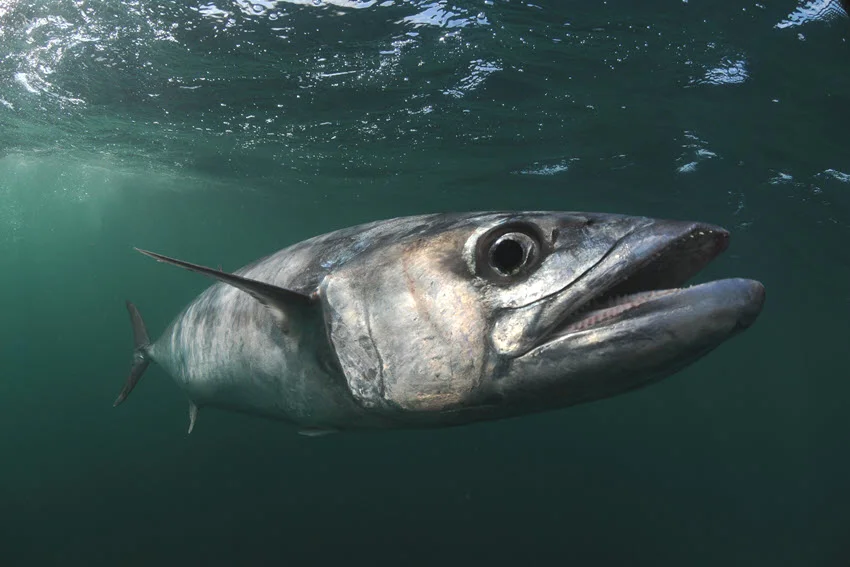
The path to consistently finding King Mackerel is understanding how they behave throughout the year. Unlike species oriented to structures, King Mackerel are highly dependent on speed, open-water movement, and bait migrations. They're built for the fast pursuits: long, streamlined bodies with sharp teeth designed to slash through schools of baitfish.
Kingfish are known to track several prey species, including cigar minnows, sardines, blue runners, and herring, and attack in open water. King Mackerel bite when the water is warm, and bait is present. Water temperature and bait presence are strong factors in influencing their movement.
They migrate along both coasts of Florida in large, fast-moving schools when seasonal currents change. Cold fronts push them farther offshore or deeper; stable, warm conditions usually bring them closer to reefs, nearshore ledges, shipping channels, and bait-rich coastal waters.
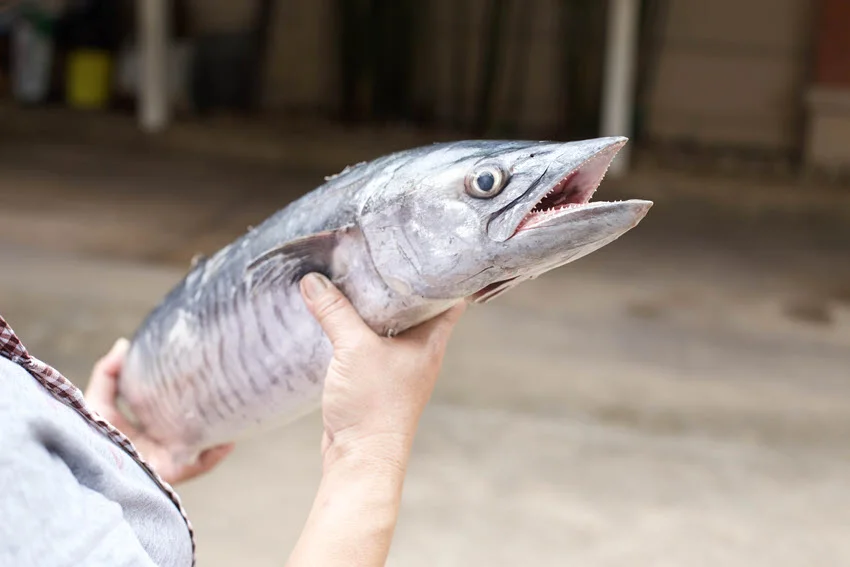
King Mackerel can be caught year-round in Florida, but fishing is often best during spring and fall migrations, especially from March through May and again in October and November. These are the times when larger "Kingfish" mix with school-size fish.
During cooler months, King Mackerel move offshore into deeper waters. Target them by trolling larger spreads with either planers or downriggers to reach mid-depth zones where baitfish concentrate.
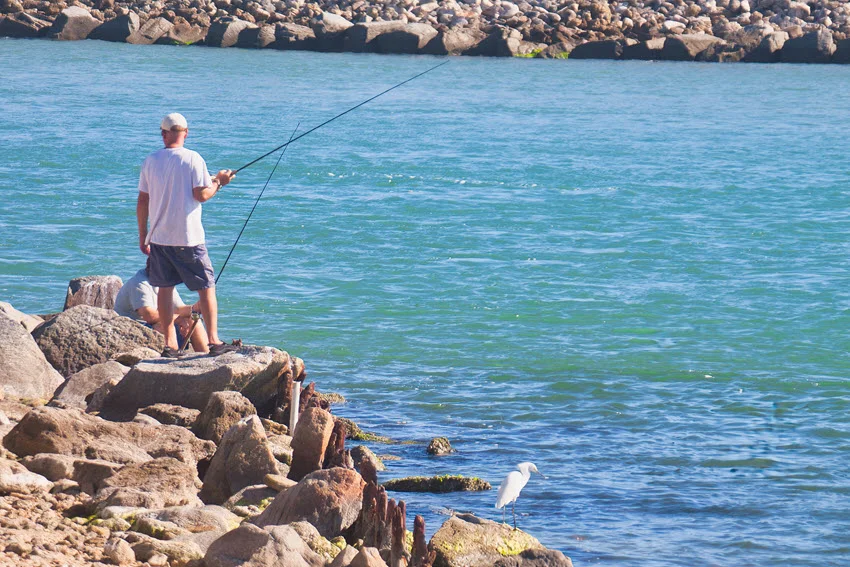
From both coasts, Florida offers a great opportunity for successful King Mackerel fishing. Below, we discuss the most productive and reliable locations to target these fast-moving predators:
No matter where you are, check local bait patterns and recent reports to help you dial in the best plan before you head out.
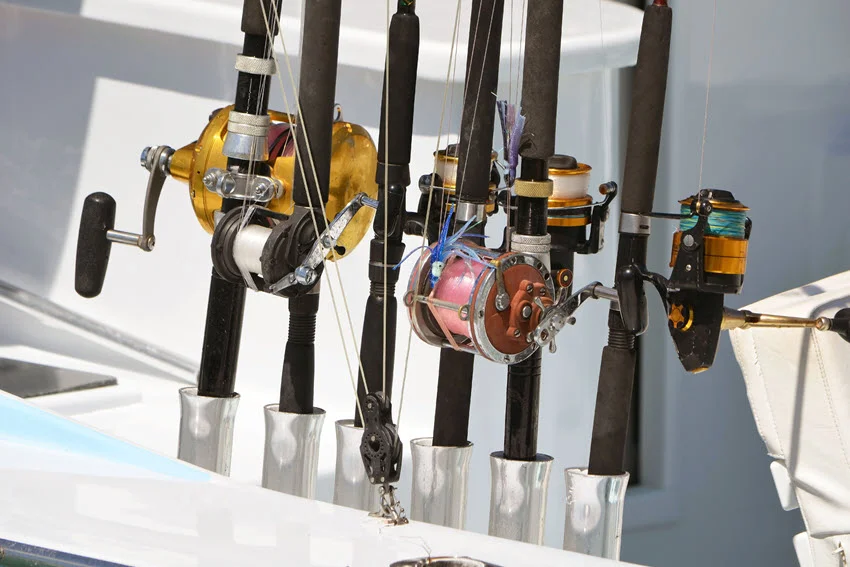
When focusing on a species that is renowned for its blistering runs and razor-sharp teeth, carrying the right kit is important. Here's what you should be considering when preparing your setup:
Set up with reliable tackle, sharp hooks, and proper leader setup, you will greatly increase your chances of landing strong, fast-running Kingfish without losing fish to cut-offs or equipment failure.
Understanding fishing regulations and preserving specific fish species contributes to protecting fish populations and ecosystems and promoting responsible angling practices.
Anglers Booking Team
To target King Mackerel in Florida, anglers need to follow Florida licensing rules and current harvest regulations. Even though King Mackerel does not require any special permit, every angler should carry proper documentation.
Most anglers age 16 and older need a Florida saltwater fishing license unless they qualify for an exemption, such as fishing from a properly licensed for-hire vessel. Always confirm current rules on FWC before your trip.
King Mackerel are powerful, fast, and fragile when taken out of the water, so careful handling matters. For safer releases, limit air exposure to a few seconds and support the fish in the water until it kicks off strongly, especially after a long fight or in warm conditions.
Though within the legal size and bag limit, anglers are encouraged to handle the harvested King Mackerel humanely. Immediately store the catch on ice to preserve meat quality. Kingfish flesh is firm, lean, and flavorful when grilled, smoked, or blackened. Proper cooling prevents the strong taste associated with poor handling.
The King Mackerel fishery in Florida has great opportunities for anglers of all experience levels. Whether your preferred methods are high-speed trolling, drifting live baits over natural reefs, or chasing nearshore schools during seasonal migrations, for success, it is important to know their behavior and regulations.
By respecting size and bag limits and using adequate gear, you will improve your catch rate. Also, you'll help preserve one of Florida's most iconic pelagic gamefish. Stay informed, stay responsible, and enjoy the great action that Florida's King Mackerel fishery is known for.
What's your go-to technique for targeting King Mackerel in Florida, and when have you had the most success? Share your tips in the comments.
Disclaimer: Fishing regulations and open seasons may vary by region and are subject to change. The information in this guide is for general reference only. Learn the latest fishing rules, size limits, and season dates on the official websites of the state or federal government before your trip.

The expert copywriters at Anglers Booking have meticulously crafted this article. Our dedicated team of writers provides valuable insights and information to enhance your angling experience.

February 14, 2025
September 25, 2026
Subscribe to our newsletter and receive a selection of cool articles every week.
Embark on unforgettable fishing adventures with us at Anglers Booking.
book your charter
October 2, 2026
September 8, 2026
August 21, 2026
August 18, 2026
August 15, 2026
August 12, 2026
August 8, 2026
August 4, 2026

You're now part of our exclusive community. Get ready for premium content and updates straight to your inbox.
close
Subscribe to our newsletter and receive a selection of cool articles every week.
Please enter a valid email address.
Be the first to know when we're back in action.
Please enter a valid email address.
Leave a Comment
Your email address will not be published. Required fields are marked *
Thank you for your comment! It has been submitted for review and will appear on the site shortly.