


Anglers Booking Team
The expert copywriters at Anglers Booking have meticulously crafted this article. Our dedicated team of writers provides valuable insights and information to enhance your angling experience.
 7 minutes read
Choosing fishing line for Trout affects how a lure moves, how clearly you feel a bite, and how well your setup handles a hooked fish. Water clarity, current, cover, and the size of the fish all matter when choosing between monofilament, fluorocarbon, and braid.
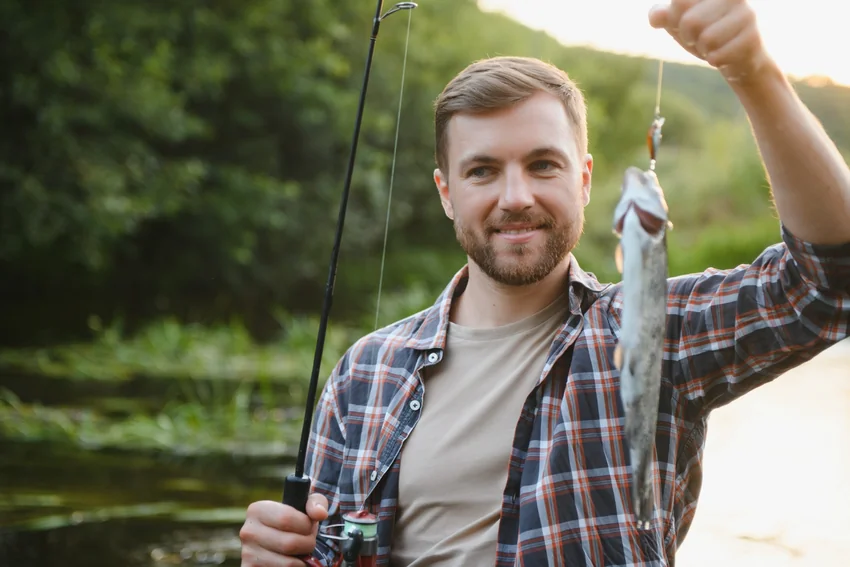
This guide focuses on freshwater Trout fishing with spinning tackle. It compares the three main line types and explains how to choose line strength, leaders, and practical setups for streams, rivers, and lakes. Large Lake Trout, specialized trolling rigs, and fly fishing require separate considerations.
Start with your technique and tackle rather than a brand name. Small Trout lures need line that casts smoothly and allows a natural presentation, while rocks, submerged wood, and larger fish may call for a stronger setup. Match the line to your rod and reel, then balance diameter, stretch, abrasion resistance, and visibility.
Monofilament, fluorocarbon, and braided line each offer useful advantages, along with trade-offs. Monofilament is forgiving and affordable, fluorocarbon can be useful for less visible subsurface presentations, and braid provides sensitivity with a small diameter. Understanding their strengths and limitations makes it easier to choose a main line or leader.
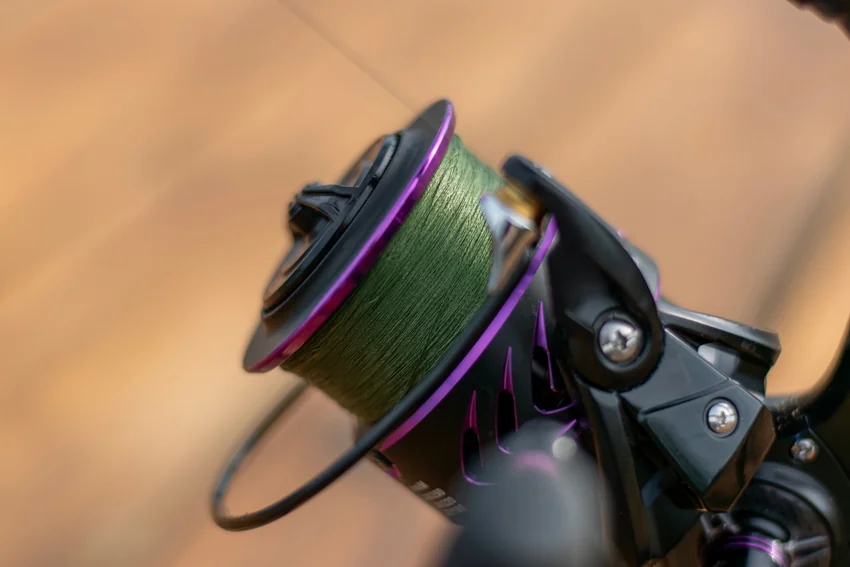
Monofilament is a practical starting point for Trout fishing because it is easy to handle, relatively inexpensive, and forgiving during the fight. Its stretch cushions sudden runs and helps protect light line, although that same stretch can make subtle bites harder to feel.
Use monofilament for general bait fishing and casting small spinners or spoons in streams, ponds, and lakes. A manageable diameter and good line condition matter as much as the material. If coils interfere with casting, check for line twist, overfilling, or old line before changing your entire setup.

Fluorocarbon is less visible underwater than nylon monofilament, but it is not completely invisible. It is denser and generally sinks faster, making it useful for subsurface presentations. Its abrasion resistance can also be helpful around rocks and submerged structure, although performance varies by product and diameter.
Fluorocarbon works as a leader with braid or monofilament, and spoolable versions can also serve as a main line. Choose a product designed for the intended use: leader material is not automatically suitable for filling a spinning reel. Its sinking behavior can be a disadvantage when you want bait or a lure to remain near the surface.
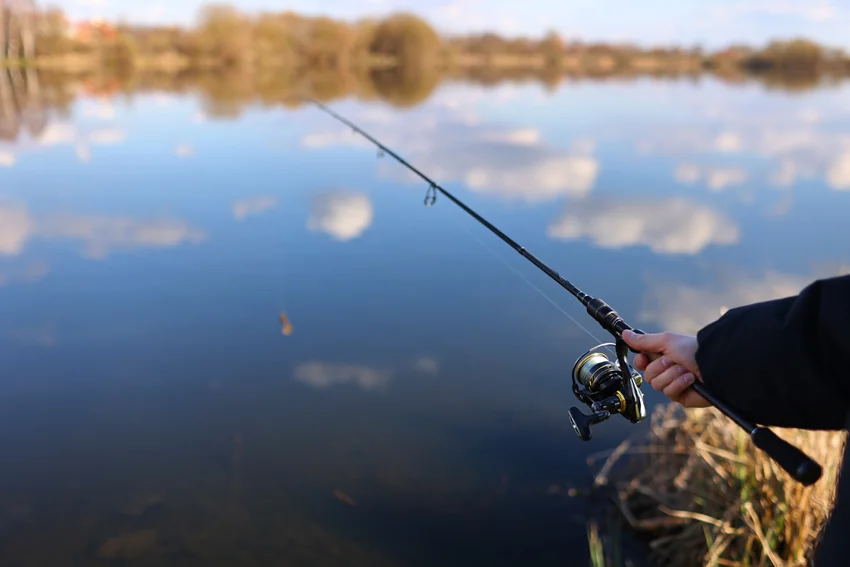
Braided line has very little stretch and a high strength-to-diameter ratio. It can help you feel light bites and maintain contact with a lure in deeper water or current. Its low stretch also makes drag adjustment and a controlled hookset especially important when fishing with light leaders.
A fluorocarbon or monofilament leader is often useful with braid, particularly in clear water. Braid can also be fished directly in some situations, so a leader is not an absolute requirement. Choose the leader for the presentation and conditions rather than assuming fluorocarbon is always the best option.
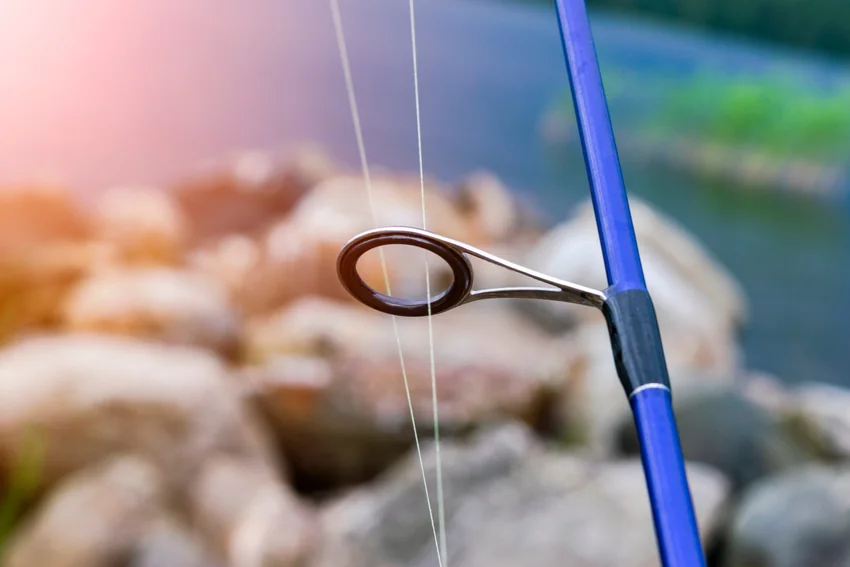
Pound test describes the line's rated breaking strength, not the maximum weight of a fish you can land. Knots, abrasion, drag, and the rod's cushioning affect the complete system. The following starting points apply to light freshwater Trout spinning setups; adjust them for your tackle, cover, and target fish.
For a basic light spinning outfit, 4 to 6-pound-test line is a useful starting point. Going lighter requires careful handling and suitable conditions, while heavier cover or larger fish may justify stronger line. When using braid, distinguish its main-line rating from the lighter leader rating; they do not need to match.
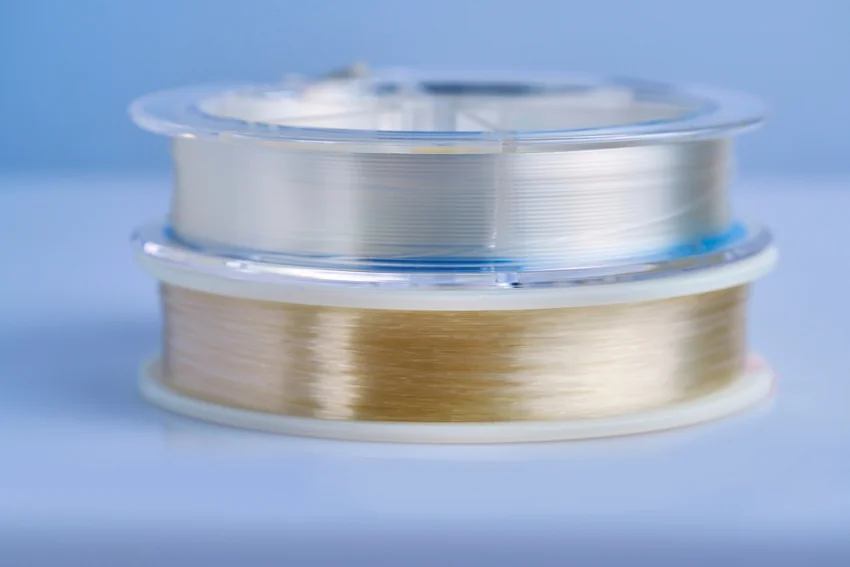
Choose a setup around the presentation you use most often. The best line for casting small Trout lures may differ from the best choice for bait fishing or maintaining contact in current. These setups offer practical starting points without requiring a different spool for every outing.
You do not need every line type to get started. Begin with one setup that suits your rod, reel, and usual fishing conditions, then make changes when a specific limitation becomes clear. Check both lure action and casting behavior before assuming that less visible line will solve the problem.
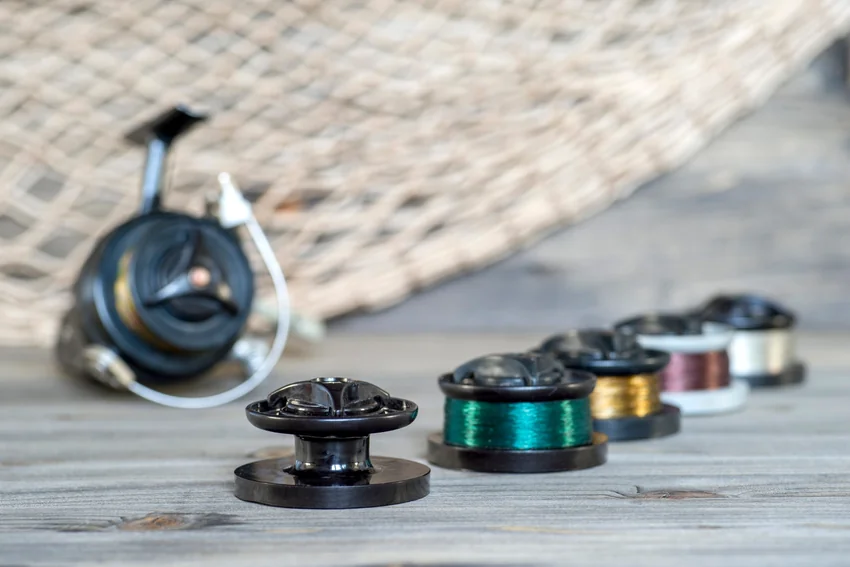
Line color affects how easily you can track the line and may influence its underwater visibility. Clear line is a common choice near the lure, while a bright braided main line can make subtle movements easier to see. Water clarity, lighting, line diameter, and presentation all belong in the decision.
Avoid treating color as a shortcut to better catches. A well-presented lure, suitable line diameter, and undamaged leader are important parts of the setup. Choose a main-line color you can manage comfortably and a terminal section that fits the conditions.
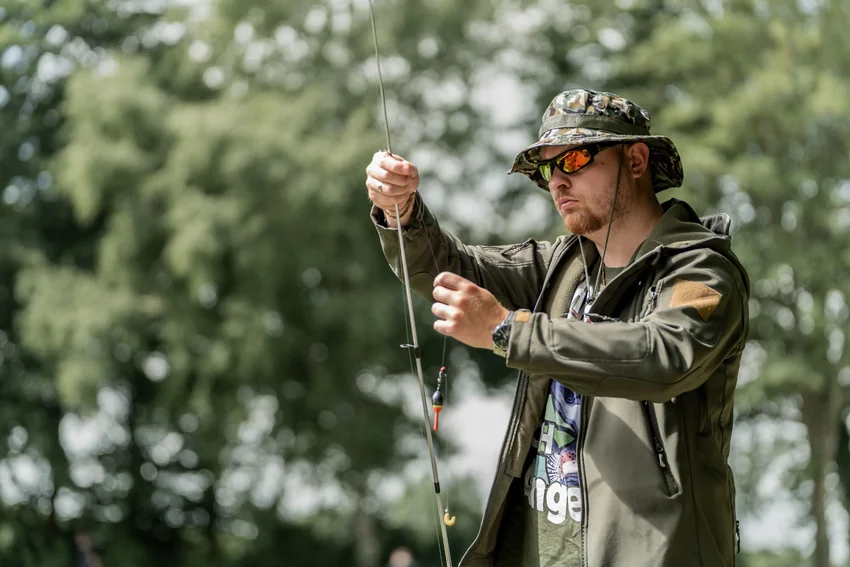
Good line management helps any material perform better. Fill the reel according to its instructions, keep tension on the line while spooling, and avoid overfilling. If casting problems develop, check for twist, loose wraps, or excessive memory before replacing the line.
Use fishing knots suited to the line material and connection. Follow the knot instructions, tighten carefully, and test the connection before fishing. Inspect the leader and the line near the lure after snags or contact with rocks, and cut away damaged sections before retying.
Set the drag so the reel releases line under sustained pressure instead of relying on the line to absorb every sudden run. Recheck it when changing leader strength. Store spare line away from heat and direct sunlight, and replace line that shows fraying, damage, or handling problems.
The best fishing line for Trout is the one that suits your tackle and presentation. Monofilament is a forgiving starting point, fluorocarbon is useful for many subsurface leaders and main-line applications, and braid offers sensitivity when paired with an appropriate terminal setup.
Start with a manageable line strength, check your knots and drag, and adjust for the conditions. Reliable line handling and a natural presentation are more useful than chasing a single material that promises to work everywhere.

The expert copywriters at Anglers Booking have meticulously crafted this article. Our dedicated team of writers provides valuable insights and information to enhance your angling experience.

May 14, 2025
September 12, 2026
Subscribe to our newsletter and receive a selection of cool articles every week.
Embark on unforgettable fishing adventures with us at Anglers Booking.
book your charter
October 2, 2026
September 8, 2026
August 21, 2026
August 18, 2026
August 15, 2026
August 12, 2026
August 8, 2026
August 4, 2026

You're now part of our exclusive community. Get ready for premium content and updates straight to your inbox.
close
Subscribe to our newsletter and receive a selection of cool articles every week.
Please enter a valid email address.
Be the first to know when we're back in action.
Please enter a valid email address.
Leave a Comment
Your email address will not be published. Required fields are marked *
Thank you for your comment! It has been submitted for review and will appear on the site shortly.