


Anglers Booking Team
The expert copywriters at Anglers Booking have meticulously crafted this article. Our dedicated team of writers provides valuable insights and information to enhance your angling experience.
 12 minutes read
A spinning reel makes light lures easy to cast, while a baitcaster offers direct spool control for placing heavier baits around cover. Fly, conventional, spincast, and centerpin reels handle different jobs. Understanding those differences helps narrow the choice before comparing sizes, drag ratings, or prices.
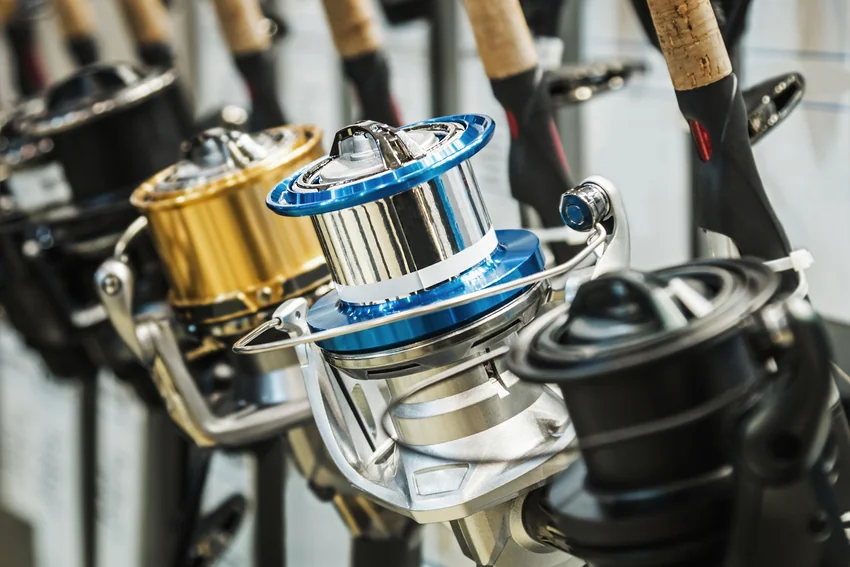
This guide explains how six common reel types work, where each is useful, and what to check when matching a reel to a rod and fishing technique. For many beginners, a modest spinning outfit is a practical starting point; specialized methods call for a different setup.
A fishing reel stores line and retrieves it when the handle turns. During a cast or a drop, line leaves either a stationary spool or a rotating spool, depending on the design. That difference affects how the angler releases line, controls its speed, and prevents tangles.
Most reels also have a drag system that lets a fish pull line against adjustable resistance. A suitable setting helps protect the line and knots, but cannot guarantee against break-offs. Traditional centerpin reels often rely on pressure from the angler's hand instead of an adjustable fighting drag.
Reel choice should follow the presentation. Casting small jigs, drifting a float, and trolling offshore place different demands on line capacity, spool control, and retrieval. The reel must also fit the rod and feel comfortable through repeated casts.
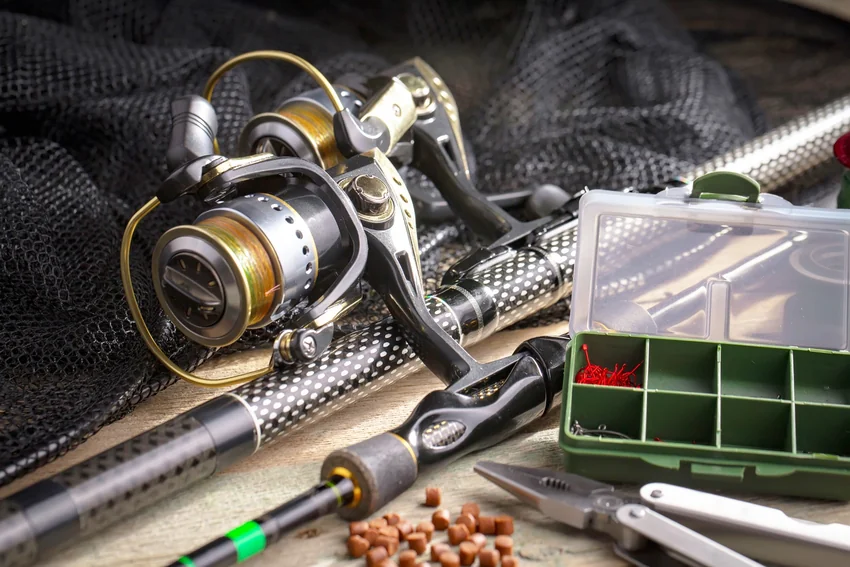
A spinning reel hangs below the rod. Its spool stays stationary during the cast while line slips over the spool lip. For a basic spinning cast, hold the line with an index finger, open the bail, and release the line during the forward motion.
After the lure lands, close the bail by hand and take up slack before retrieving. Turning the handle rotates the rotor and bail assembly, guiding line through the line roller and back onto the spool. The spool can rotate under drag when a fish pulls line.
Check the reel's line capacity and the rod's lure rating rather than assuming every spinning setup suits the same weight range. An ultralight stream outfit and a heavy saltwater spinning outfit have very different capabilities. For a stream Trout outfit, choose a manageable Trout fishing line and match its diameter to the reel.
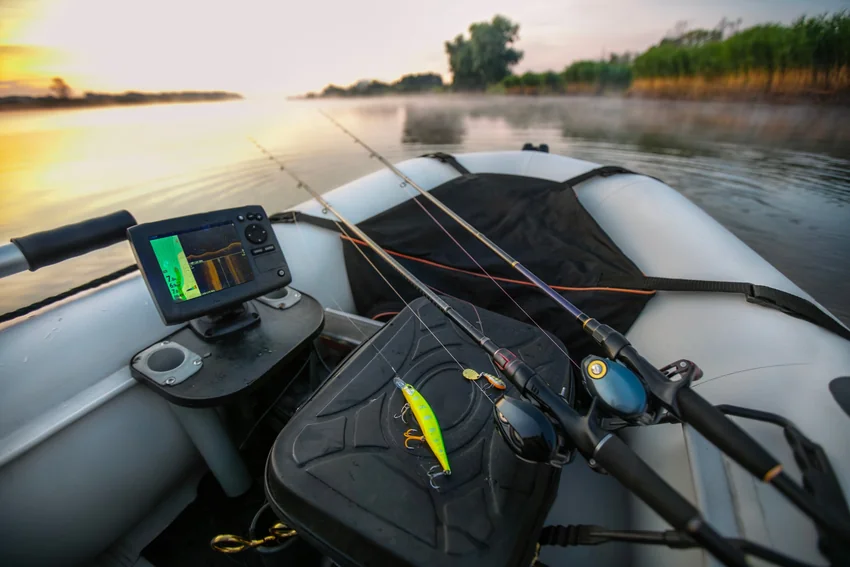
A baitcasting reel sits above a casting rod, with its spool rotating as the lure pulls line out. Thumb pressure and the reel's braking system help keep the spool from turning faster than line leaves it. If it overruns, loose line can build into a backlash.
During retrieval, the handle drives the spool through the reel's gearing. Most familiar low-profile models use a levelwind to distribute line. Round baitcasters offer another shape and range of capacities; the right choice depends on the line, lure, and technique.
A baitcaster does not automatically have more drag or power than every spinning reel. Compare actual specifications, and choose a retrieve side that feels natural because most baitcasting handles cannot be switched from left to right.
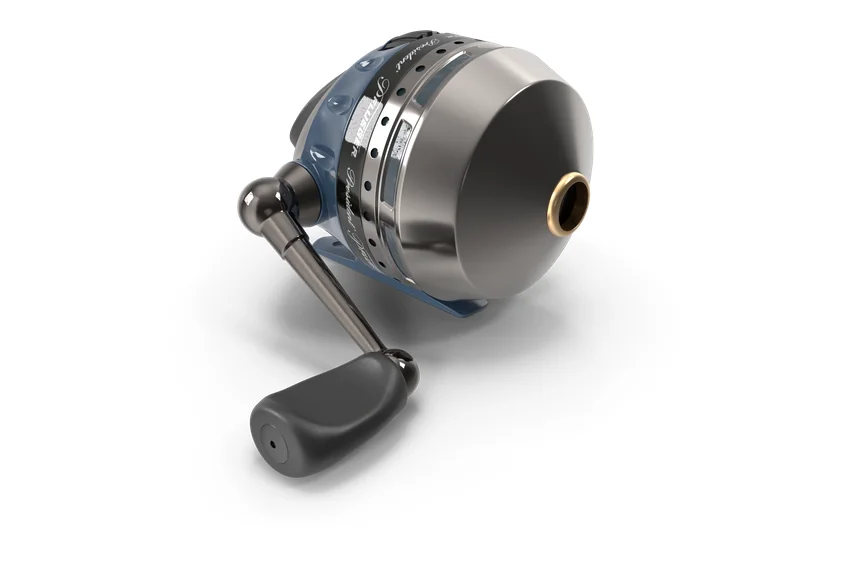
A spincast reel encloses a stationary spool inside a front cover. On a typical push-button model, press and hold the button to secure the line, then release it during the forward cast. Turning the handle engages the pickup mechanism and retrieves line.
The operating sequence matters: releasing the button allows the cast; it does not start winding line back in. Follow the reel's spincast instructions, especially if it uses an underspin trigger rather than a thumb button.
Spincast reels can remain useful for casual fishing after the basics are learned. Choose one for its intended application rather than treating it as equipment that every angler must immediately replace.
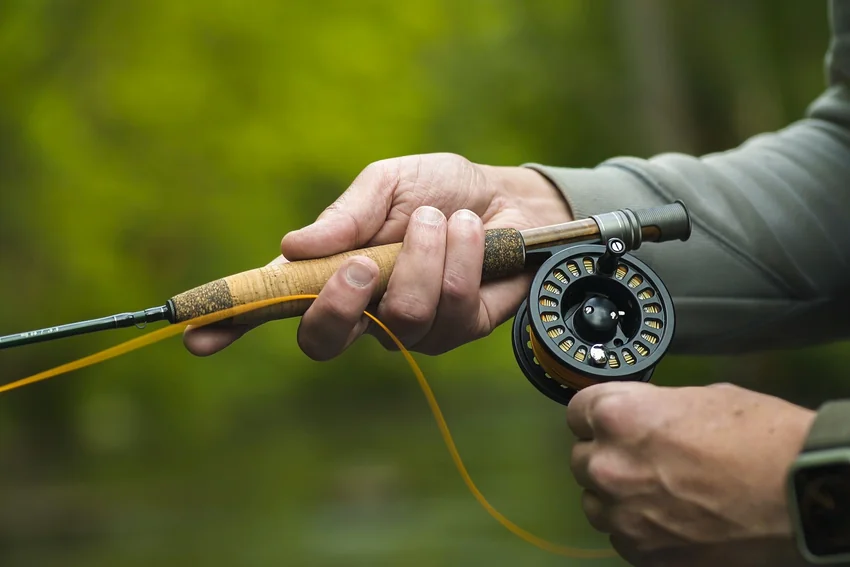
A fly reel holds fly line and backing, the extra line beneath it. In a standard fly cast, the weight of the fly line loads the rod and carries the fly toward the target. The reel mainly stores and retrieves line rather than propelling the cast.
Line is commonly pulled from the reel by hand before casting and managed with the line hand during the presentation. When a fish takes enough line to fight from the reel, its drag or the angler's controlled hand pressure provides resistance.
Match the complete setup rather than choosing by reel diameter alone. A reel that holds the correct line but makes the rod uncomfortable is still a poor fit.
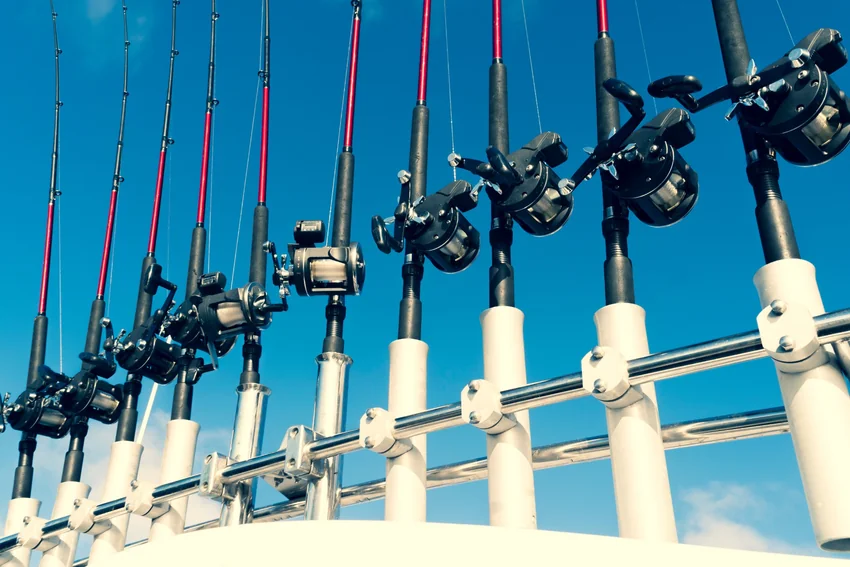
Conventional reels use a rotating spool and are commonly chosen for trolling, bottom fishing, and jigging. The category overlaps mechanically with baitcasting reels, but often includes models built for greater capacity or sustained loads. Designs range from compact star-drag reels to large lever-drag reels.
With the spool released, line can be lowered with a sinker or paid out behind a moving boat. Retrieval turns the spool through the gears. Some reels have a levelwind; others require the angler to guide line across the spool.
Conventional does not mean trolling-only. Purpose-built casting models can be used from shore, while other models are intended mainly for dropping or trolling. Check the manufacturer's description before assuming a reel can, or cannot, cast.
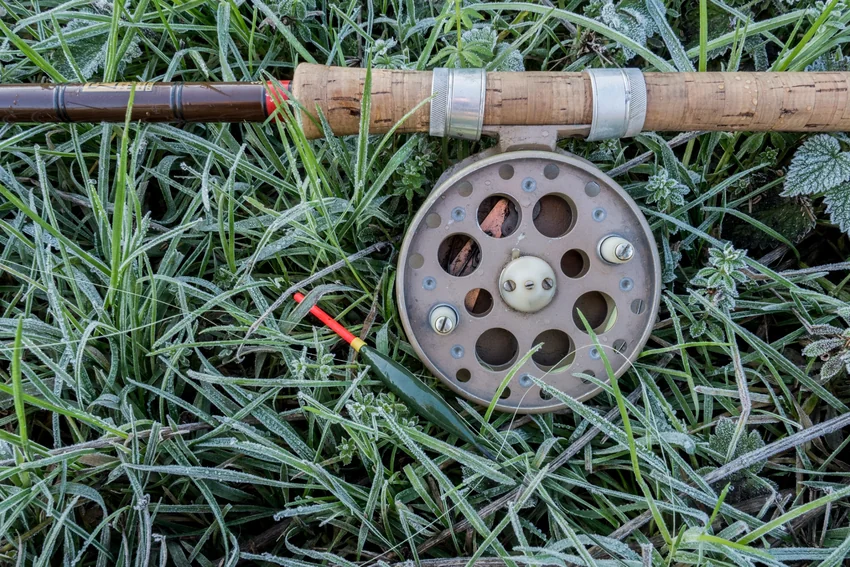
A centerpin reel has a large spool that turns freely around its axle. In river float fishing, the current carries the float downstream and draws line from the spool, helping the rig travel with the flow.
On a traditional centerpin, the angler feathers the spool with the fingers to control line release and applies hand pressure when fighting a fish. Check the model's instructions for any clicker, spool-tension, or drag controls rather than assuming every centerpin works identically.
A centerpin can support long drifts, but distance alone is not the goal. Keep the float visible and maintain enough control to detect a take, set the hook, and manage the fish without unnecessary slack.

When choosing a fishing reel, start with how the bait or lure will reach the fish. Then check whether the reel, rod, and line can handle that presentation together.
Once a reel type fits the method, compare individual models by capacity, weight, retrieve, and care requirements. A useful shortlist comes from the setup's limits, not the largest drag number on the box.
For general pond or lake fishing, start by comparing a suitable spinning combo with a simple spincast outfit. For a specific method such as fly fishing or offshore trolling, choose around that method's requirements from the outset.
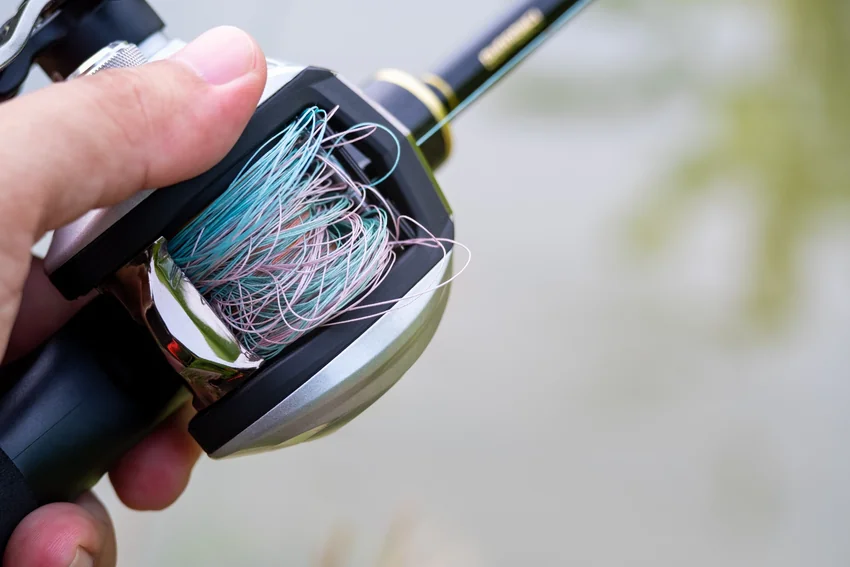
Many reel problems start with a mismatch or a small setup error. Before replacing equipment, check the line, spool fill, drag, and casting controls.
Worn or damaged parts still need attention, but a larger reel will not fix every handling problem. Before changing the setup, identify whether the problem involves casting, line management, or the mechanism.
If the handle becomes rough, the drag sticks, or the reel has been submerged, check the service guidance before using it again. Forcing a damaged mechanism can turn a minor repair into a larger one.
Choose a reel around the fishing it will do most often. Spinning and spincast outfits make simple presentations accessible; baitcasters add direct spool control; fly, conventional, and centerpin reels suit more specific approaches. Within every category, size and construction matter as much as the name.
Before buying, check the rod fit, line capacity, retrieve side, and care requirements. Which reel type suits the way you fish, and what would make the next setup easier to use?

The expert copywriters at Anglers Booking have meticulously crafted this article. Our dedicated team of writers provides valuable insights and information to enhance your angling experience.

September 16, 2025
October 17, 2026
Subscribe to our newsletter and receive a selection of cool articles every week.
Embark on unforgettable fishing adventures with us at Anglers Booking.
book your charter
October 2, 2026
September 8, 2026
August 21, 2026
August 18, 2026
August 15, 2026
August 12, 2026

August 8, 2026
August 4, 2026

You're now part of our exclusive community. Get ready for premium content and updates straight to your inbox.
close
Subscribe to our newsletter and receive a selection of cool articles every week.
Please enter a valid email address.
Be the first to know when we're back in action.
Please enter a valid email address.
Leave a Comment
Your email address will not be published. Required fields are marked *
Thank you for your comment! It has been submitted for review and will appear on the site shortly.