A bait drifting past an oyster bar and a lure trolled beyond the coast can attract very different fish. Saltwater fishing spans sheltered estuaries, beaches, reefs, and open water, with each setting offering its own targets and tackle demands.
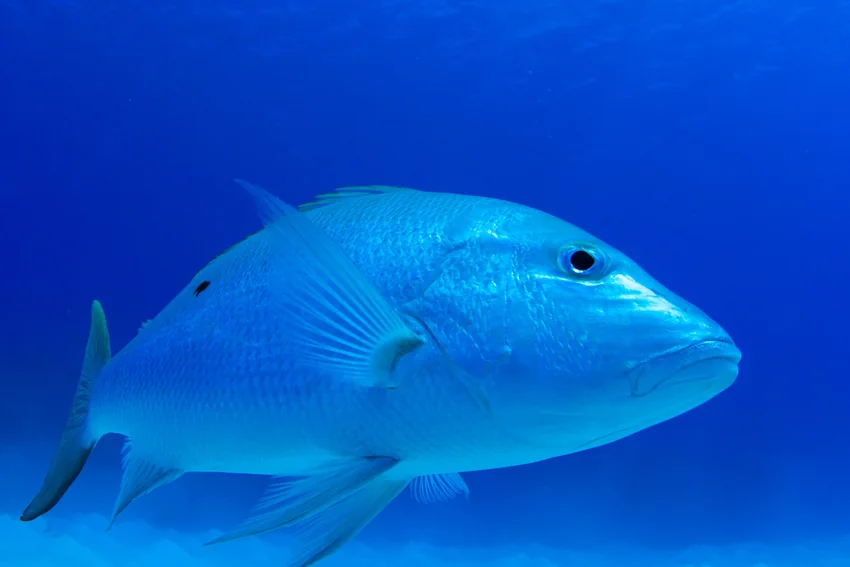
Here are familiar saltwater fish pursued along U.S. coasts, with an emphasis on Atlantic and Gulf opportunities. Use their habitats and feeding habits to choose a method, then check which species and seasons apply to your destination.
Understanding Saltwater Fish Habitats
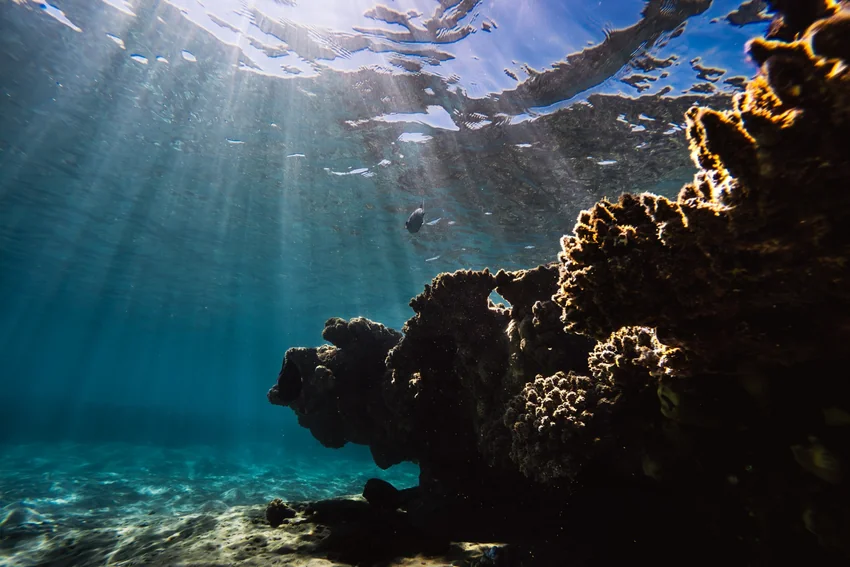
Tidal flow moves food through coastal water, while reefs, wrecks, and shoreline cover give fish places to feed or shelter. Farther offshore, bait schools and changes in water conditions can help narrow the search. Fish may use several habitats during their lives rather than remain in one zone.
Salinity, temperature, and migration also influence what is available. An estuary may hold juvenile fish and resident predators, while nearby ocean water supports seasonal visitors. Local reports are more useful than assuming a species will be present wherever suitable-looking habitat exists.
Common Saltwater Fish Species
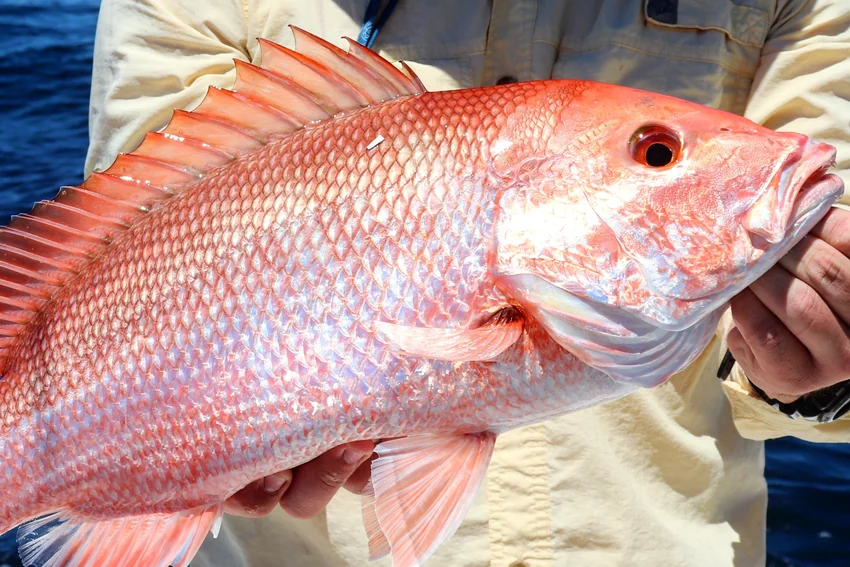
This selection includes coastal targets and fish usually pursued from a boat. Several entries describe groups of related species, so identification matters: a general name such as Snapper or Tuna does not establish the applicable season, limit, or permit.
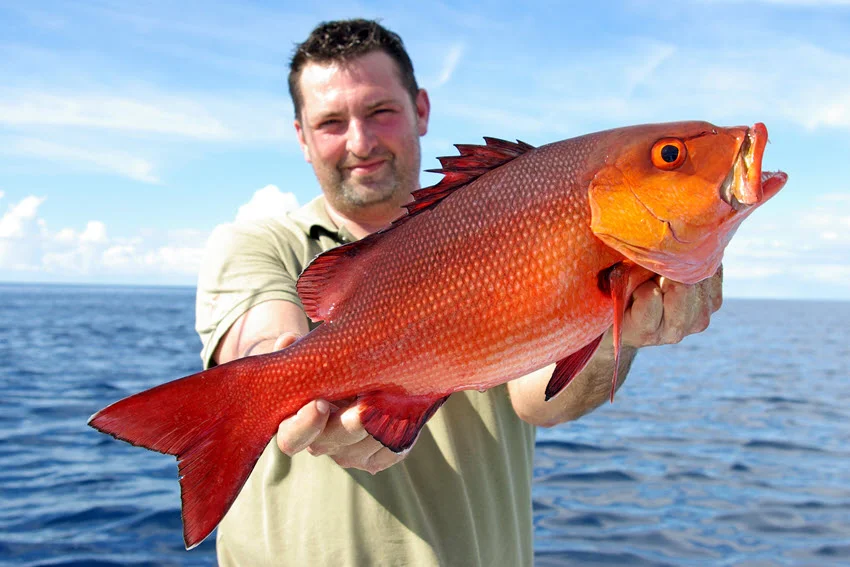
- Snapper: Many species gather around reefs, wrecks, rocky bottom, or coastal structure, depending on age and species. Present shrimp, cut bait, or live bait near the holding area with an appropriate rig. Identify the fish before keeping it, because Snapper regulations vary substantially.
- Grouper: Ledges, holes, reefs, and wrecks provide shelter for many Grouper species. Lower suitable natural bait close to structure and use tackle capable of controlling the fish before it reaches cover. With a circle hook, let the line come tight and apply steady pressure instead of a sharp hook set.
- Spanish Mackerel: Watch nearshore bait schools, diving birds, and activity around beaches or inlets. Small spoons, jigs, and baitfish-style lures can imitate their prey; trolling can help locate a school. Check the leader regularly because their teeth can damage it.
- Tuna: Species and regional fisheries differ, but bait concentrations, current features, and offshore structure can provide starting clues. Trolling, chunking, live bait, or casting to feeding fish may suit the situation. Match tackle to the likely fish size and check applicable permits before the trip.
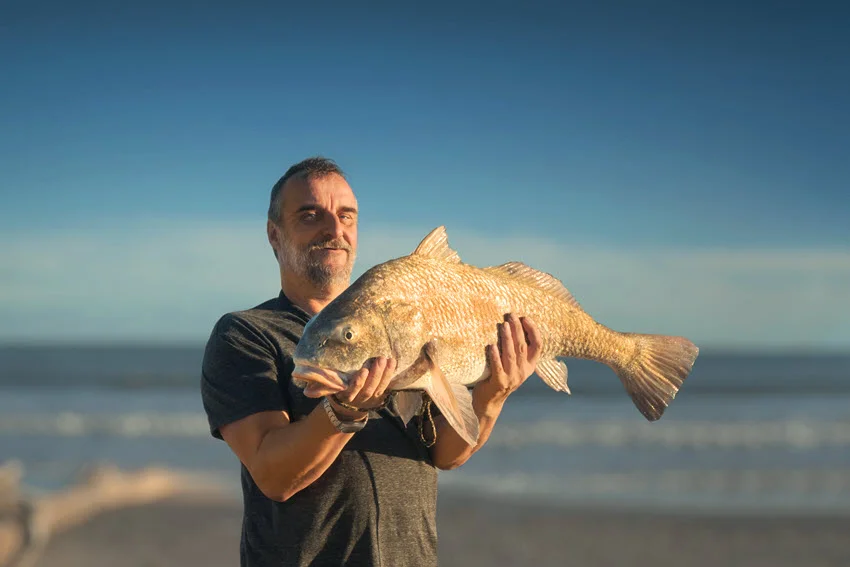
- Redfish (Red Drum): Search estuaries, grass flats, oyster edges, marsh drains, and adjacent deeper channels. Shrimp, baitfish, and soft plastics are practical options. In clear shallows, sight fishing can work when the presentation reaches the fish without landing directly on it.
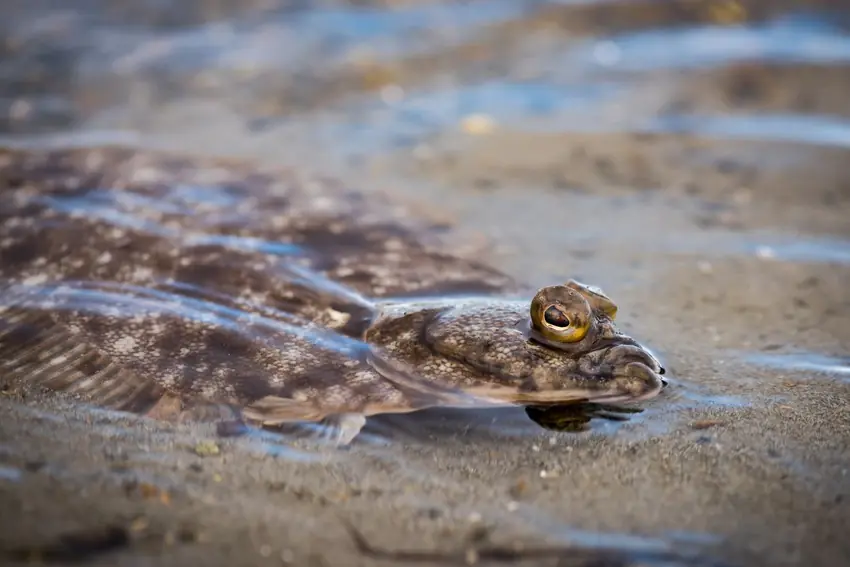
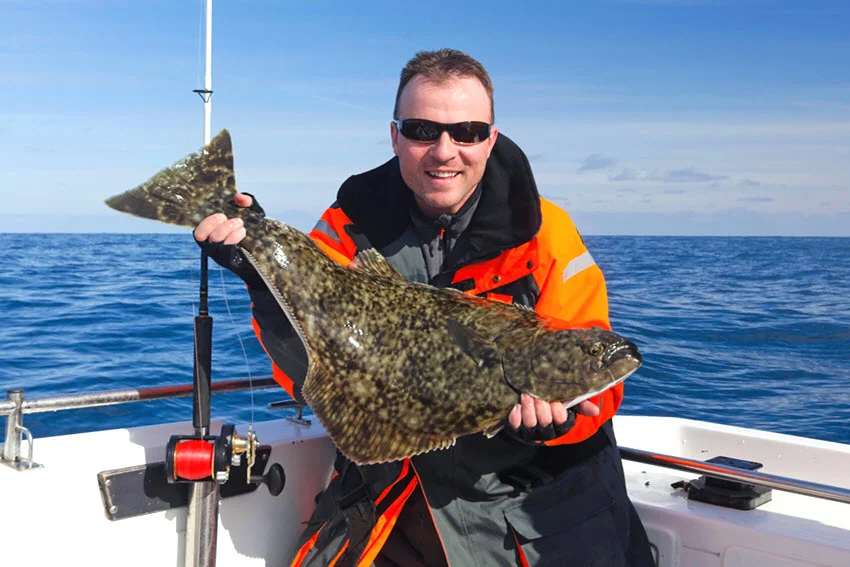
- Flounder: Work sandy or muddy bottom near channels, inlet edges, docks, and other ambush areas. Move a small baitfish or soft plastic along the bottom at a controlled pace. Keep enough contact to detect a bite without using so much weight that the rig repeatedly snags.
- Greater Amberjack: Larger offshore wrecks, reefs, and ledges can hold these strong fish, often above the structure rather than on it. Live bait and vertical jigs are common presentations. Use a controlled drift or boat position, and prepare suitable tackle and release equipment.
- Sheepshead: Pilings, jetties, bridges, and other encrusted structure provide feeding opportunities. Offer small crabs or shrimp close to the structure on a suitably sized hook. Their subtle bites reward close attention to the line and careful bait placement.
- King Mackerel (Kingfish): Nearshore and offshore waters around bait schools, reefs, and deeper-access piers are useful areas to investigate. Slow trolling live bait or trolling suitable lures can cover these zones. Bite-resistant leaders help protect the connection from sharp teeth.
- Cobia: Buoys, pilings, reefs, and cruising fish near the surface can create opportunities during regional migrations. A bucktail jig or live bait may draw interest from a visible fish. Leave space for a safe cast and prepare for sudden movement near the boat.
Let the target determine the trip. A shore-based Sheepshead outing and an offshore Tuna trip differ in access, equipment, cost, and preparation, even though both fall under saltwater fishing.
How to Catch Saltwater Fish
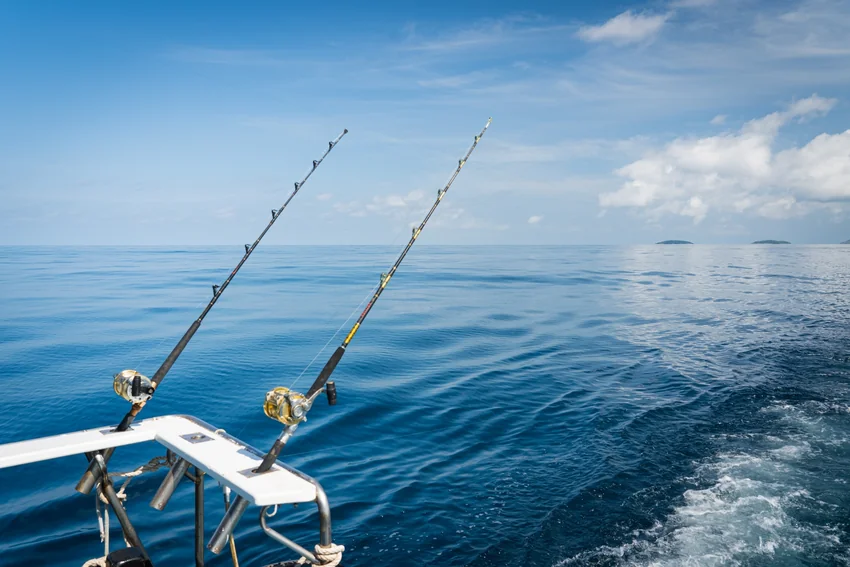
Boat position and current control often decide whether a saltwater presentation reaches the feeding zone. Choose a method for the water in front of you, then watch how tide, wind, and bait movement affect the rig.
- Casting and Retrieving: Cast along an oyster edge, beach trough, or visible bait school. A soft plastic can be worked through an inshore feeding lane, while a metal lure can reach fast-moving nearshore fish. Keep casts clear of other anglers and birds.
- Bottom Fishing: Lower a baited rig toward a reef, ledge, or wreck while maintaining enough line control to feel contact. Adjust sinker weight to current and depth. Follow the local hook and release equipment requirements for the target fishery.
- Trolling: Pull rigged bait or lures behind a moving boat to search for pelagic fish. Speed, depth, and lure action should suit the target. Spread lines carefully so turns and changing sea conditions do not create tangles.
- Still Fishing: Fish a bait from a permitted pier, jetty, or shoreline position, using a float or weighted rig as conditions require. Even a stationary angler may have moving bait in tidal water. Adjust placement when current carries the rig away from the useful area. On open beaches, surf fishing requires tackle and sinker weight suited to the waves and current.
Do not persist with a rig that cannot hold its intended depth or position. Changing weight, boat angle, or casting direction may solve the problem more effectively than switching to another bait.
Where to Find Saltwater Fish
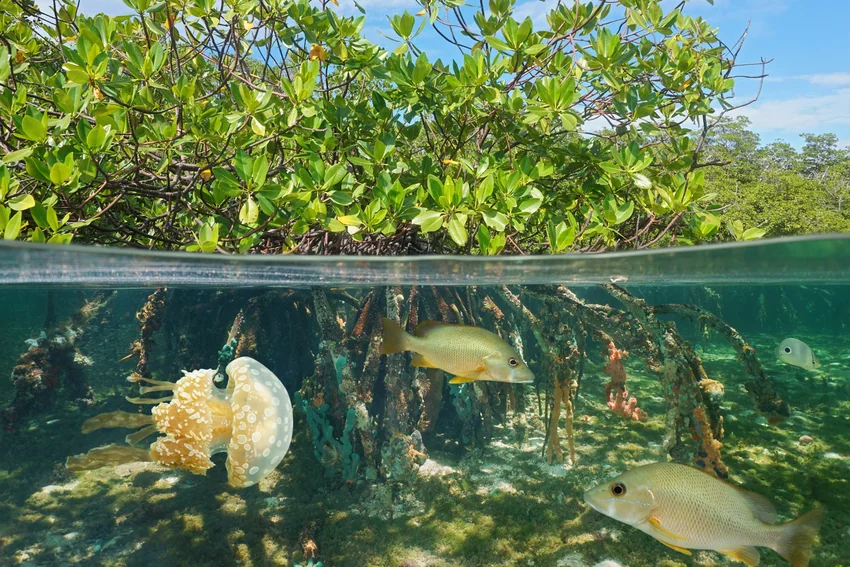
Coastal access does not guarantee that every listed species is nearby. Decide whether the trip will cover inshore, nearshore, or offshore water, then investigate the features that suit your chosen fish.
- Coastal Waters: Shallow coastal areas offer opportunities for flats fishing, while marsh edges, mangrove shorelines, and estuary channels provide other places to explore. Moving water can bring food past an edge or drain, but the useful tide stage varies by location. Look for bait and fish activity before committing to a spot.
- Reefs and Wrecks: Identify the structure's depth, relief, and surrounding current. Different fish may hold inside cover, beside it, or above it. Position the boat and presentation accordingly instead of dropping every bait into the same place.
- Offshore Waters: Search for bait concentrations, current edges, temperature changes, and surface feeding. Navigation and fish-finding equipment can support the search, but they do not guarantee fish. Offshore access also requires a seaworthy vessel and a suitable weather window.
- Piers and Jetties: Pilings, deeper edges, and nearby channels can put feeding fish within reach from shore. Check site rules and crowded casting areas. Avoid exposed jetty rocks when waves or slippery surfaces make access unsafe.
Ask local sources about permitted access and recent conditions before traveling. A nearby sheltered option can be more practical than an exposed spot when wind, swell, or tide makes the original plan unsuitable.
Best Times for Saltwater Fishing
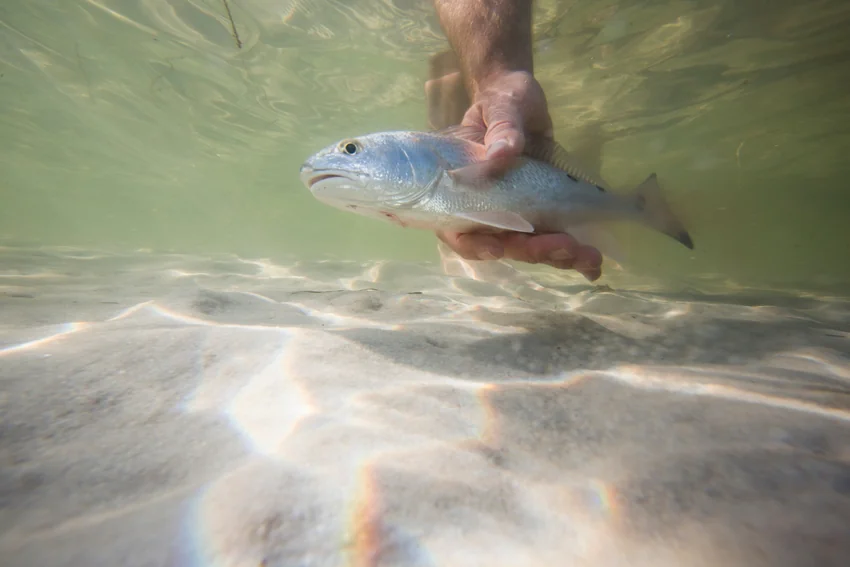
Saltwater timing combines regional seasons with shorter tidal and weather changes. The arrival of a migratory species may open an opportunity, but the day's current, sea conditions, and legal season still determine whether that trip is workable.
- Water Temperature: Follow regional warming and cooling patterns when planning for seasonal visitors. Species respond differently, and the same month can produce different opportunities along separate sections of coast.
- Tidal Cycles: Moving water can concentrate bait along drains, points, and channels. Incoming and outgoing stages can both be useful, depending on the spot. Check actual flow rather than assuming the strongest tide is always the best.
- Seasonal Migrations: Spanish Mackerel, King Mackerel, Cobia, and some Tuna fisheries have regional seasonal patterns. Compare recent local catches with historical expectations, and confirm that the target fishery is open.
- Trip Timing: Coordinate tide and feeding opportunities with daylight, weather, and safe access. An offshore plan may need to change even during a productive season if wind or thunderstorms create unsuitable conditions.
Use forecasts, tide information, and reports as planning tools rather than promises. A flexible target or departure time can help you make better use of the conditions actually available.
Essential Gear for Saltwater Fishing
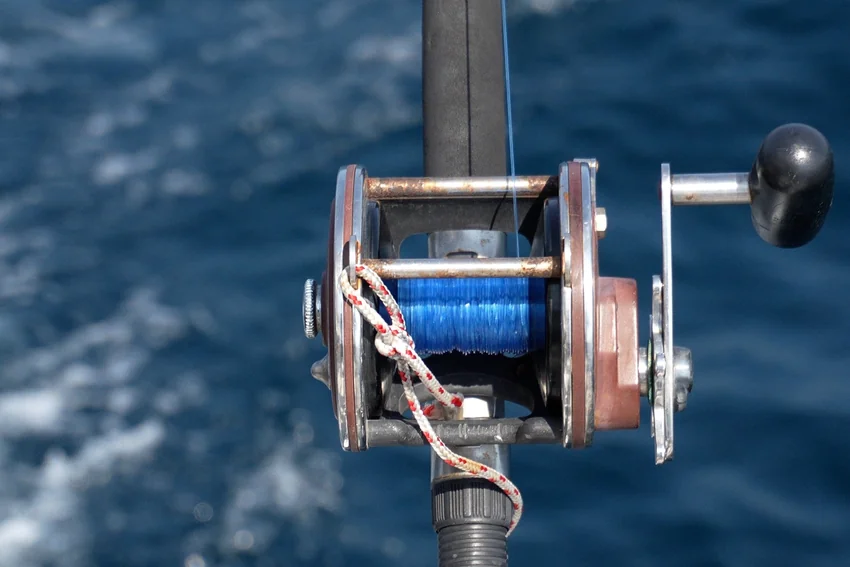
Saltwater gear must cope with the target fish, rough structure, and exposure to salt. An inshore spinning outfit can handle many coastal presentations, while larger pelagic fish and heavy reef work require more specialized tackle.
- Rods: Select enough power for the bait or lure, sinker load, and nearby structure. A lighter inshore rod can present a small shrimp rig, while a reef setup needs to manage heavier loads without exceeding its rating.
- Reels: Look for a smooth drag, adequate line capacity, and suitability for saltwater use. Capacity becomes especially important with fish that make long runs. Maintain the reel according to its manufacturer's instructions.
- Fishing Line: Balance line strength and diameter against current, depth, and abrasion. A leader can protect against rough structure, while toothy targets may need wire or another appropriate bite-resistant material. Inspect connections after contact with teeth or reef.
- Bait: Choose fresh natural bait or saltwater fishing lures that match the local forage and target species. Shrimp and small crabs suit some inshore situations; larger baitfish or rigged offerings may be needed offshore. Keep bait secure and properly stored.
- Tackle Setup: Use hooks and sinkers suited to the bait, depth, and current, and check any fishery-specific gear rules. Carry suitable dehooking tools and required release equipment. Extra-heavy tackle cannot prevent every lost fish.
After the trip, follow the manufacturer's cleaning guidance and check hooks, leaders, and reel components for wear or corrosion. Salt exposure makes routine care part of the setup, rather than something to address only after equipment fails.
Fishing Regulations and Responsible Handling
Verify the rules for the species and fishing area, including the boundary between state and federal waters. Open seasons, permits, harvest limits, and hook requirements can differ even on the same trip.
Prepare the release tools appropriate to the fishery. Reef fish brought up from depth may need special handling for barotrauma, and some areas require a descending device or venting tool. Consult current official guidance and avoid improvising an unfamiliar release procedure.
Final Thoughts
Choose the setting before choosing the fish: a pier, an estuary, and an offshore boat open different opportunities. Identify the target, arrange suitable tackle, and build the trip around current conditions and the applicable rules. A realistic plan leaves room to change course when the coast does.
Do you prefer working coastal structure or searching offshore water? Tell us which saltwater species you enjoy targeting and what makes that fishery interesting in the comments.


 9 minutes read



Leave a Comment
Your email address will not be published. Required fields are marked *
Thank you for your comment! It has been submitted for review and will appear on the site shortly.