


Anglers Booking Team
The expert copywriters at Anglers Booking have meticulously crafted this article. Our dedicated team of writers provides valuable insights and information to enhance your angling experience.
 8 minutes read
Flounder is a unique inshore catch in Florida, known for its flat body and excellent camouflage. These predators hide on muddy bottoms, waiting for baitfish and shrimp. Their mild, flaky white meat is a favorite among anglers.
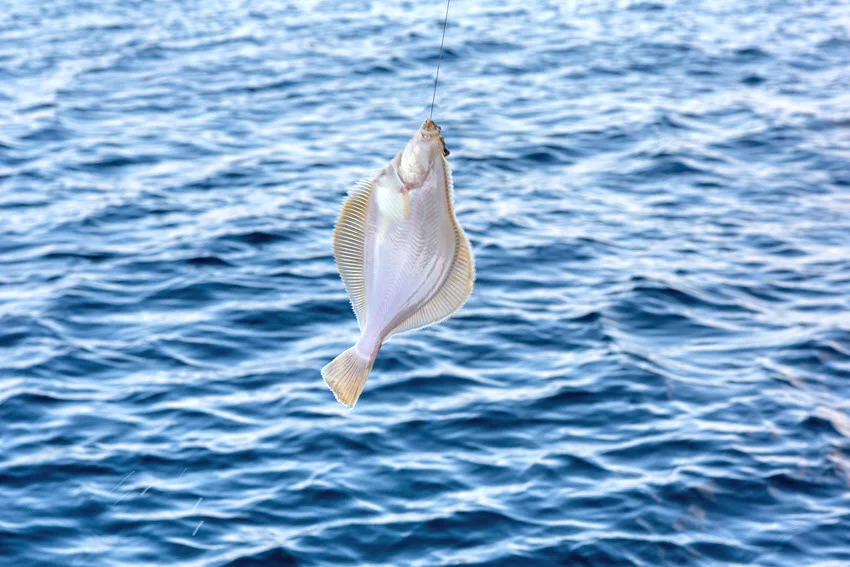
Because Flounder harvest is seasonally regulated, the Florida Fish and Wildlife Conservation Commission (FWC) carefully manages the fishery to help protect healthy populations. Here, we cover the current rules, practical tips, and the best times to catch Flounder in Florida.
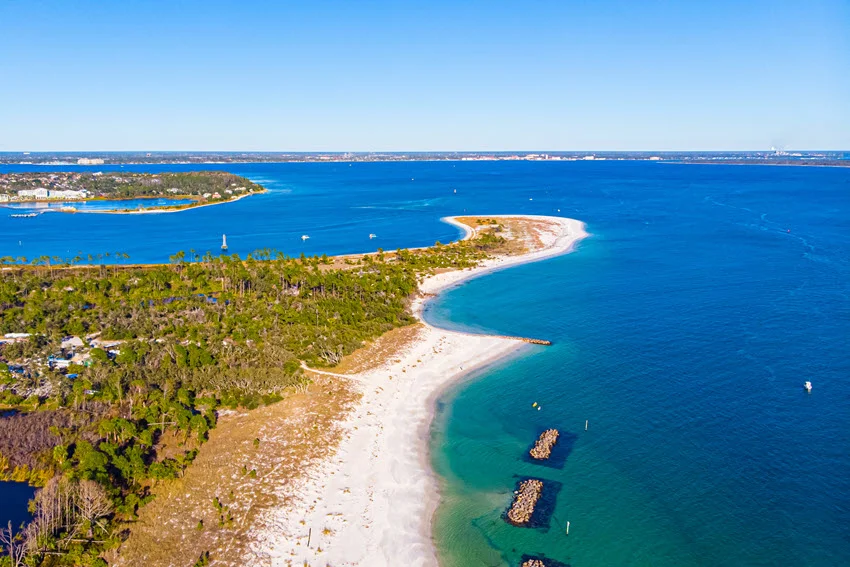
In Florida, FWC sets seasons, size limits, and bag limits for Flounder to help keep the fishery healthy and available. Below is an outline of some key regulations for both the Atlantic and Gulf coasts. Don't skip to the regulatory section below, because here are some essential facts about Florida regulations.
On Florida's Atlantic Coast, Flounder fishing is open most of the year, but there is a seasonal closure from October 15 through November 30 to help protect spawning fish. Anglers can target them around inlets, sandy channels, and bridge pilings where tidal flow attracts bait.
The minimum size limit is 14 inches total length, with a daily bag limit of 5 fish per person. Shore and boat anglers alike follow these rules to maintain good populations year-round.
During the coolest months, Flounder move into inlets and estuaries, actively feeding before migrating offshore to spawn in the fall. Knowledge of regulations, along with seasonal patterns, can help you effectively plan your trip to the right place and time.
The regulations on Florida's Gulf Coast regarding seasonal closure dates, minimum size, and bag limits remain consistent. Flounder can be harvested using spears or gigs, and the same bag limit applies during the open season.
Flounder here prefer soft, muddy bottoms near passes, channels, and grass edges, especially where small baitfish and shrimp are abundant around jetties and sandy drop-offs.
Because Gulf waters tend to remain warm longer, the fall migration occurs later than on the Atlantic side. Fish will often remain shallow well into early winter before migrating offshore to spawn.
The main goal of the rules is to protect Florida's Flounder population. The mid-October closure protects the fish during their main spawning period, giving them time to reproduce without fishing pressure.
When you adhere to rules, you play a big part in keeping the fishery strong for the future. Responsible fishing means more Flounder for everyone, today and for years to come.
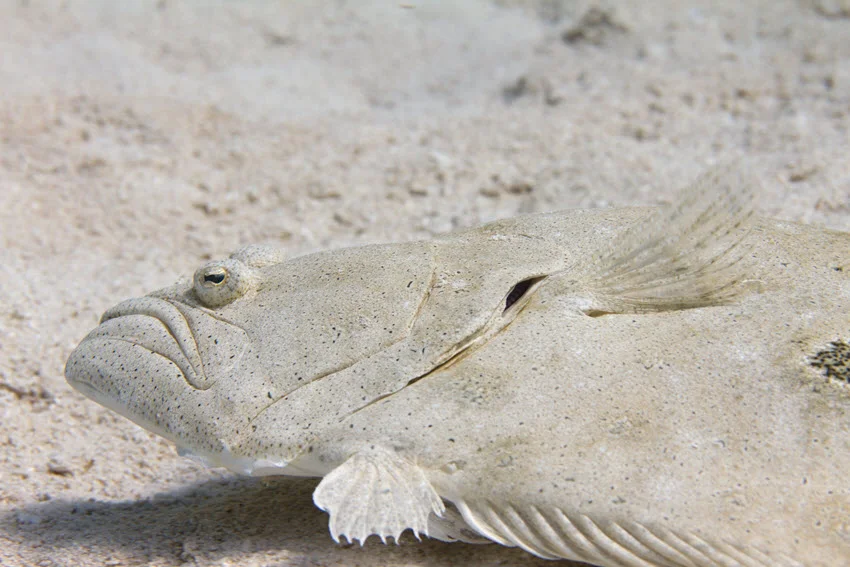
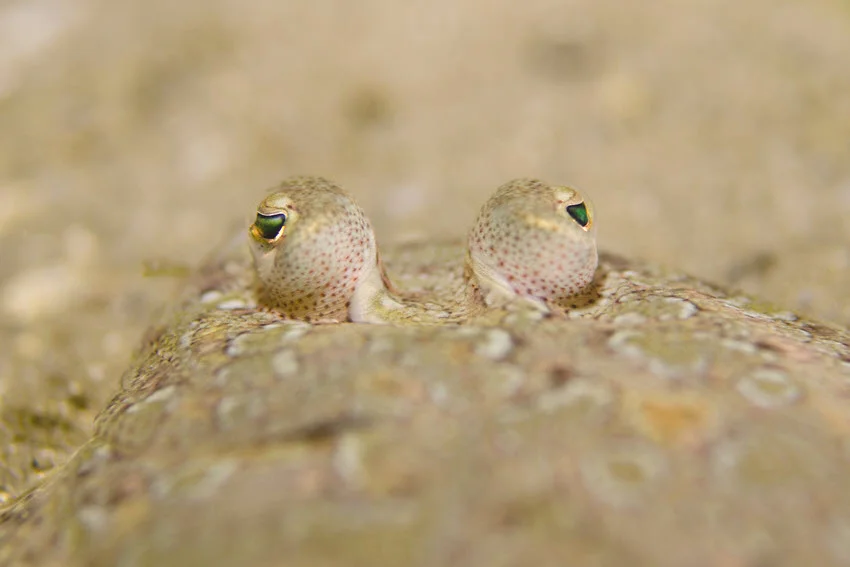
Flounders are flatfish that spend most of their lives lying on muddy bottoms, using their natural camouflage to catch prey. Their eyes shift to one side as they mature. Flounder are very effective ambush predators and can be a real challenge for anglers to spot.
These fish prefer water temperatures between 60°F and 80°F. During cooler months, Flounder move inshore into estuaries and tidal creeks to feed, while in warmer waters, they are scattered along shallow flats and near passes.
The best baits for Flounder are mainly small fish, shrimp, crabs, and other bottom-dwelling invertebrates. Feeding activity peaks around moving tides, when currents stir up bait from the bottom. They strike quickly at anything that comes within reach. For that reason, they are ideal targets for both live bait and artificial presentations.
Despite Flounder being available year-round in Florida, timing is everything. The right combination of time of day, tide, and weather can transform an average trip into a great one.
By paying attention to time, tide, and weather, anglers can locate Flounder in productive areas on almost every trip.
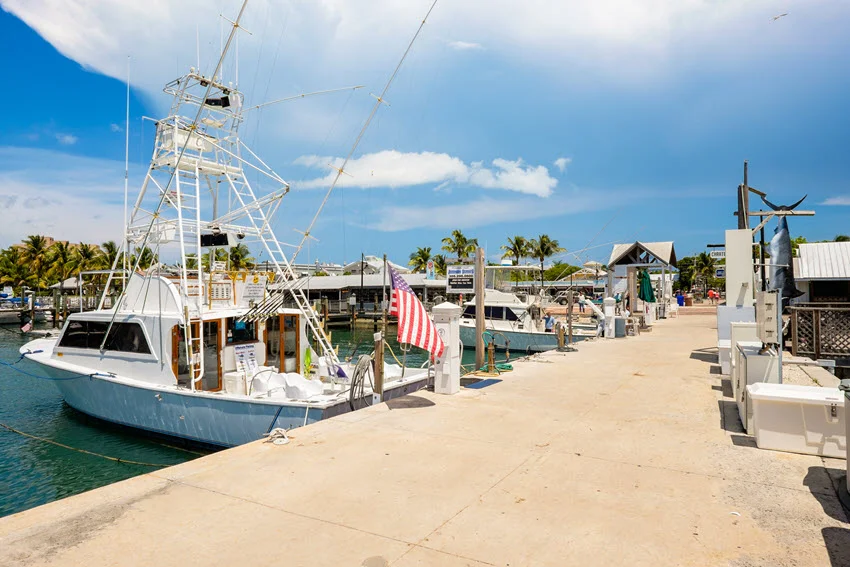
Florida offers excellent Flounder fishing. These fish prefer muddy bottoms. You can find them near passes, inlets, and shallow flats. Here are some of the top Flounder hotspots in Florida.
For best results in unfamiliar areas, consider booking a fishing charter with an experienced captain and crew to help you make the most of your trip.
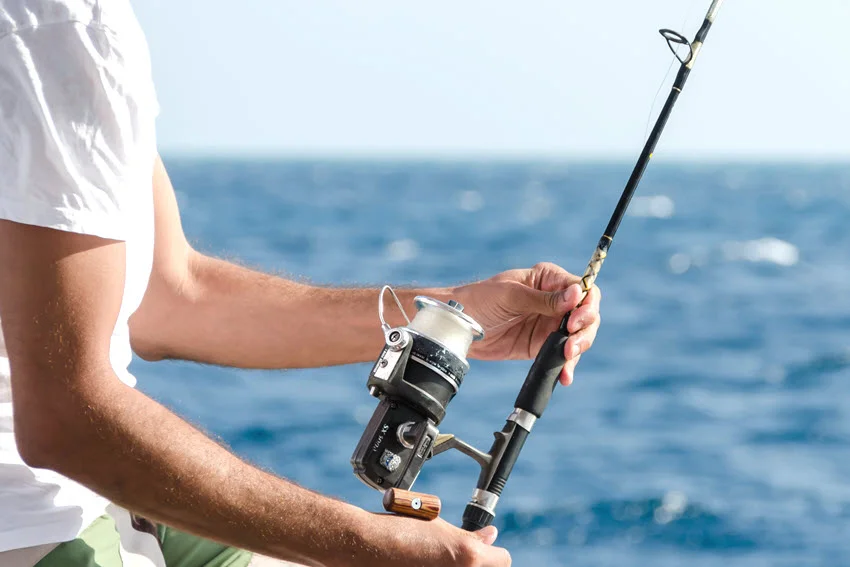
To be successful in catching Flounder, the very first thing you want to focus on is the correct tackle. Here's what works best:
Properly equipped and with knots tight, you catch more fish and bring them aboard unharmed. Flounder require simple rigs, especially when fishing the shallow flats or close to inlets.
Understanding fishing regulations and preserving specific fish species contributes to protecting fish populations and ecosystems and promoting responsible angling practices.
Anglers Booking Team
Most anglers need a Florida saltwater fishing license to target Flounder, whether they are residents or visitors. However, you may be covered when fishing from a pier or on a licensed charter boat whose permit covers passengers. Licenses can be purchased online or at many local tackle shops, where staff can help you choose the right option for your trip.
Keep in mind that Flounder can be kept only for personal use and cannot be sold without a commercial license. Always check the FWC website before fishing because rules and size limits can change. Following the law is important because it protects the fish and helps keep Florida waters healthy.
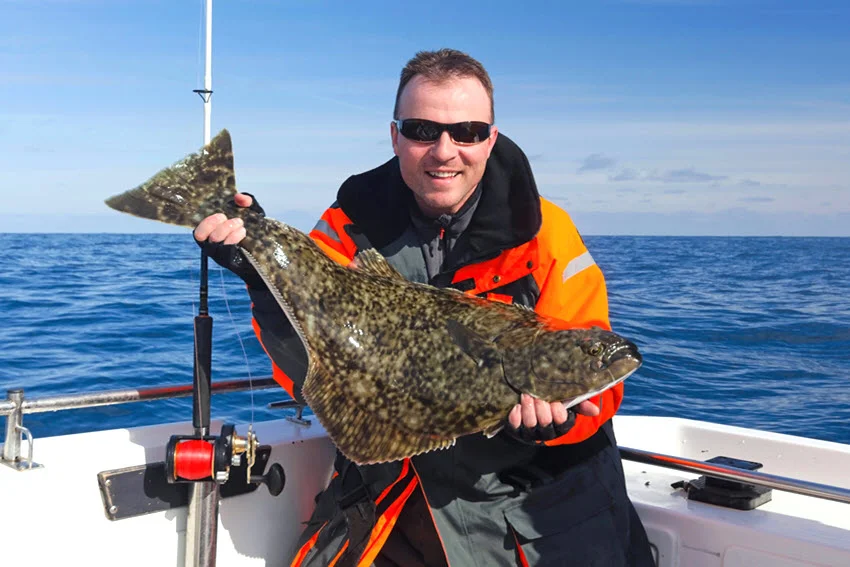
Flounders are powerful fighters, but require some gentle care once you bring them in. Avoid grasping the gills; being too rough can injure the fish. If it is too small or out of season, carefully release it so it can swim away strong.
If you plan to keep your catch, put it on ice immediately to preserve freshness until you clean it. Careful handling and responsible harvest help reduce waste, protect the resource, and support healthy Flounder populations for future generations of anglers.
The Florida Flounder season gives anglers great chances to fish all year long. Respecting the law provides available fish populations and protects Florida's waters for future generations. To stay informed and fish legally, make sure to check the latest updates from FWC before every trip.
What about you? Where do you like to fish for Flounder, and which bait has worked best for you? Share your experience with us and fellow anglers in the comments below.
Disclaimer: Fishing regulations and open seasons may vary by region and are subject to change. The information in this guide is for general reference only. Learn the latest fishing rules, size limits, and season dates on the official websites of the state or federal government before your trip.

The expert copywriters at Anglers Booking have meticulously crafted this article. Our dedicated team of writers provides valuable insights and information to enhance your angling experience.
February 21, 2026
Subscribe to our newsletter and receive a selection of cool articles every week.
Embark on unforgettable fishing adventures with us at Anglers Booking.
book your charter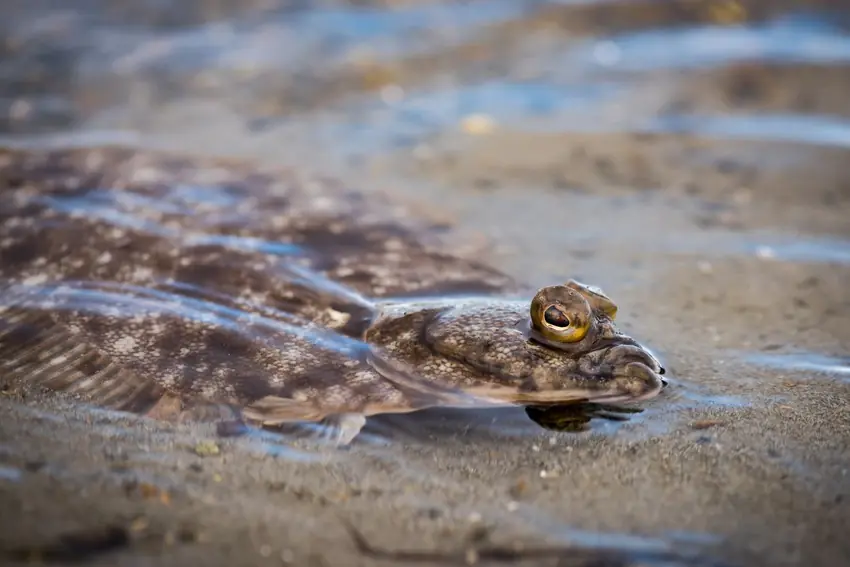
October 2, 2026
September 8, 2026
August 21, 2026
August 18, 2026
August 15, 2026
August 12, 2026
August 8, 2026
August 4, 2026

You're now part of our exclusive community. Get ready for premium content and updates straight to your inbox.
close
Subscribe to our newsletter and receive a selection of cool articles every week.
Please enter a valid email address.
Be the first to know when we're back in action.
Please enter a valid email address.

Leave a Comment
Your email address will not be published. Required fields are marked *
Thank you for your comment! It has been submitted for review and will appear on the site shortly.