


Anglers Booking Team
The expert copywriters at Anglers Booking have meticulously crafted this article. Our dedicated team of writers provides valuable insights and information to enhance your angling experience.
 6 minutes read
Catch-and-release fishing is a common recreational practice that also helps conserve fish populations. Unlike other types of fishing, Catch and release involves returning caught fish to the water using techniques designed to maximize their survival.
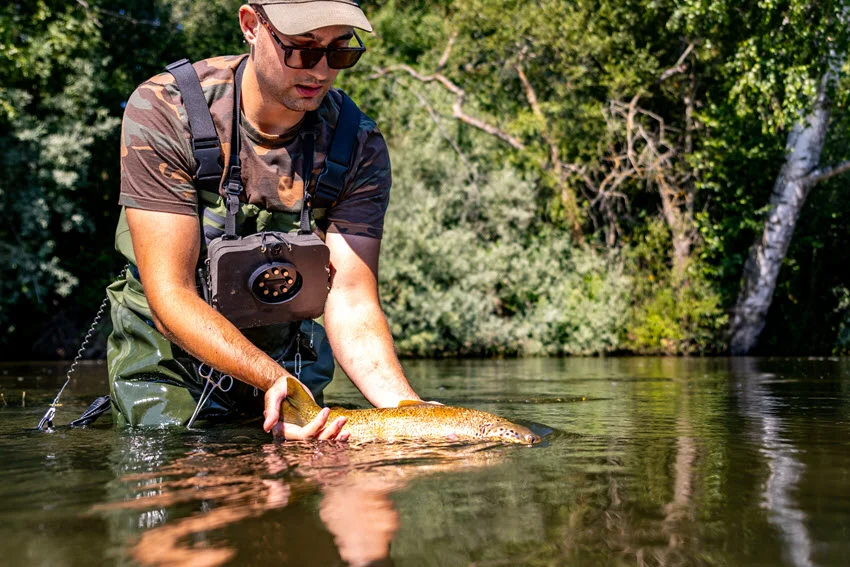
In this guide, we deal in detail with the practice of catch and release. Stay with us until the very end. You will learn practical tips that make every release safer for the fish. By applying these techniques, you can help protect aquatic ecosystems while still enjoying your time on the water.
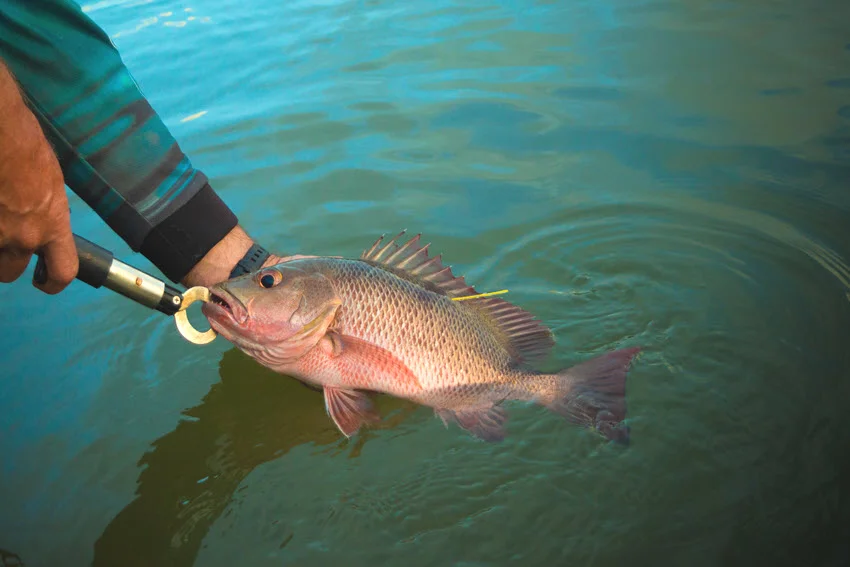
If done properly, catch and release can be an effective way to reduce fish mortality and build a healthy fishery in the long term. However, improper handling, long battles, and long time out of the water can have the opposite effect. The idea is quite simple: provide each fish with the greatest opportunity to recover and survive.
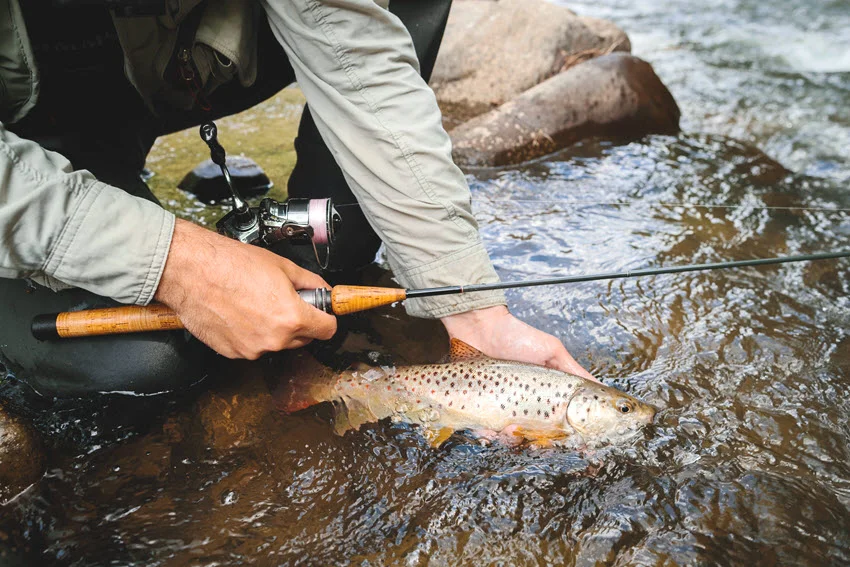
Choosing the right gear makes catch and release much easier on the fish. Using appropriate gear minimizes stress and injury, speeds recovery, and improves overall fishing efficiency, making it easier to handle fish safely.
It is advisable to use circle and barbless hooks because they improve survival rates and facilitate easy hook removal from caught fish. Using the correct hook type helps prevent injury, which is important for survival. It is also important to note that some fisheries require the use of circle hooks. Non-stainless steel hooks corrode over time, which may reduce injury if a hook remains in a fish.
Use tackle that's strong enough for the species you're targeting. Landing fish quickly is one of the most important factors in successful catch and release. Avoid prolonged fights, as exhaustion significantly reduces a fish's survival chances.
A rubber or knotless net is usually the safest option because it helps protect the fish's slime coat, fins, and scales. Gentle handling of a fish while it is in a net helps minimize stress and injury. Special tools, such as dehookers, can be used to release a fish without removing it from the water, which helps reduce stress during release.
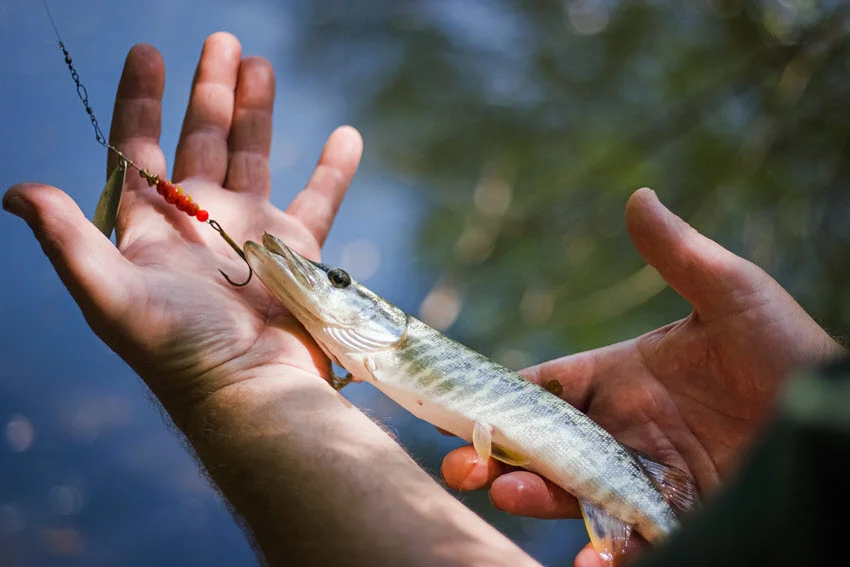
The way you handle a fish plays a big role in whether it survives, since the wrong move can reduce its chances of survival. How you handle the fish from hook to release determines whether it recovers. Proper techniques are important for reducing stress and injuries, leading to healthier fish in the future.
Avoid prolonged fights, as exhaustion significantly reduces a fish's chances of survival. Long fights exhaust fish and make recovery after release much harder. Gaffs and other devices that puncture the fish should not be used on fish that are for release. In addition, the fish should be kept out of the water for as little time as possible, ideally less than 60 seconds, as longer exposure compromises oxygen intake and increases stress.
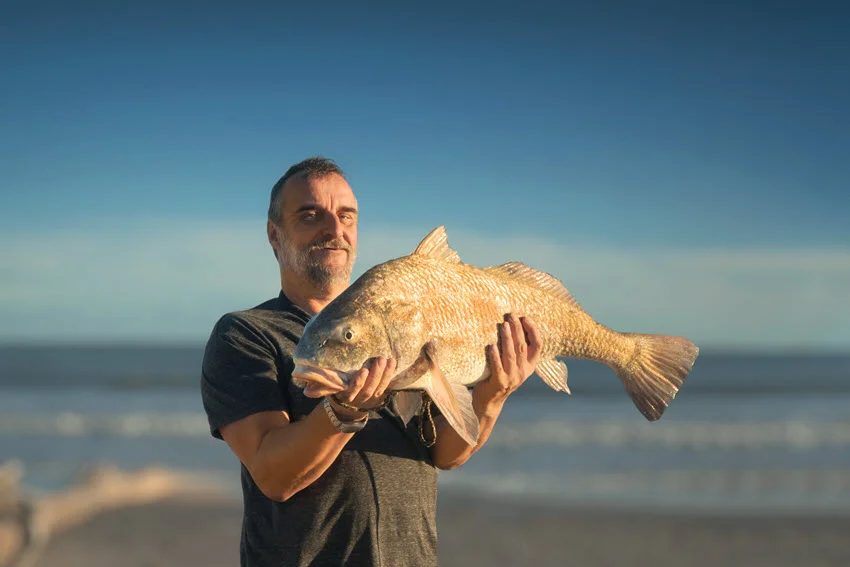
It is important not to touch the eyes and gills, as they are very sensitive. When removing the fish from the water, the weight of the fish has to be supported along the body, not on the mouth and the lips.
If the fish looks sluggish or disoriented, it must be resuscitated before it is released back into the water. This can be done by holding the fish in the water and, if possible, orienting it with the current. This helps move water across the gills and boosts the fish's energy levels, thus improving the fish's chances of survival. Larger fish or fish that fought hard may need extra time to recover.
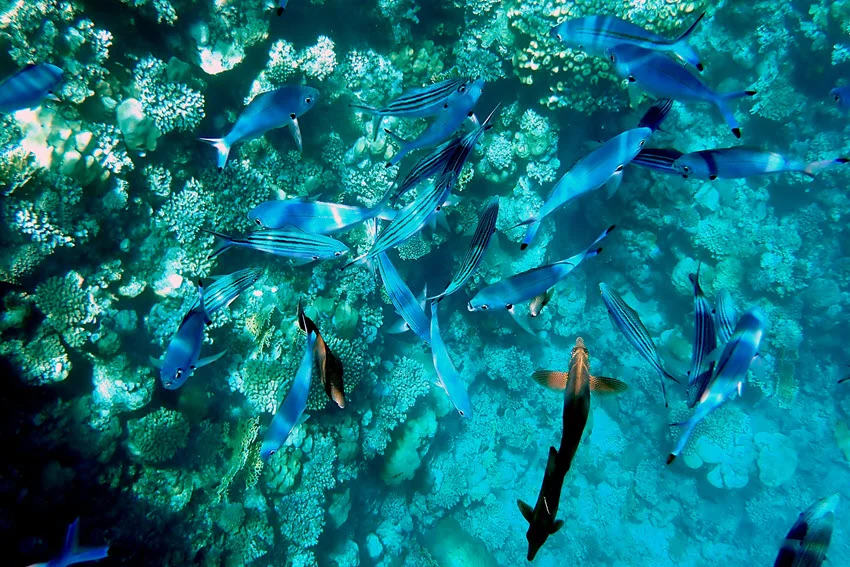
Fish caught from deep water may suffer from barotrauma, which is the rapid formation of gases in their bodies as they are brought up from the deep water. Barotrauma makes it difficult for the fish to return to the water, thereby reducing their survival rate. It is therefore important to understand the symptoms of barotrauma in fish to conserve deep-water species.
Some common signs of barotrauma include bulging eyes and a protruding stomach. Also, a distended belly, slow swimming, and lifted scales are among the signs. Fish with these characteristics are under extreme physical stress and must be treated specially before they are released.
The best approach to releasing deep-water fish safely is to use descending devices or release weights. This will allow the fish to be compressed and returned to its natural habitat.
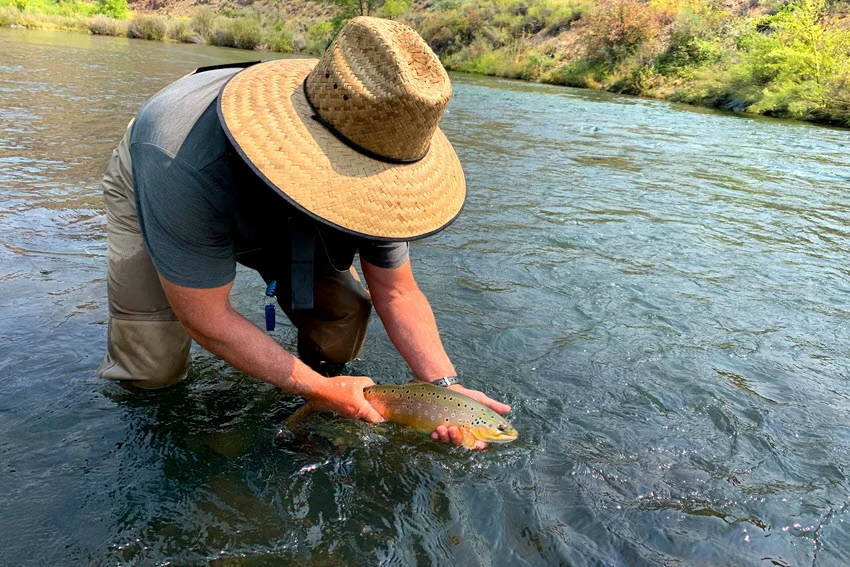
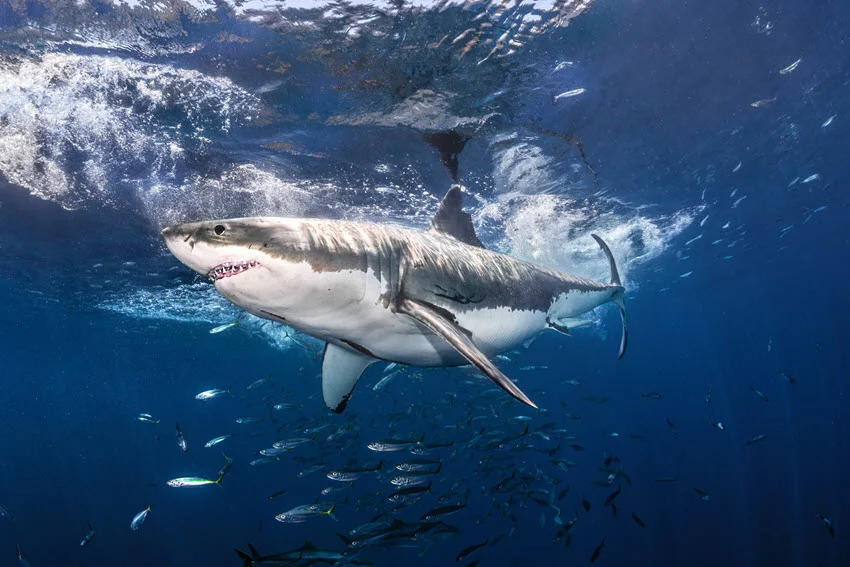
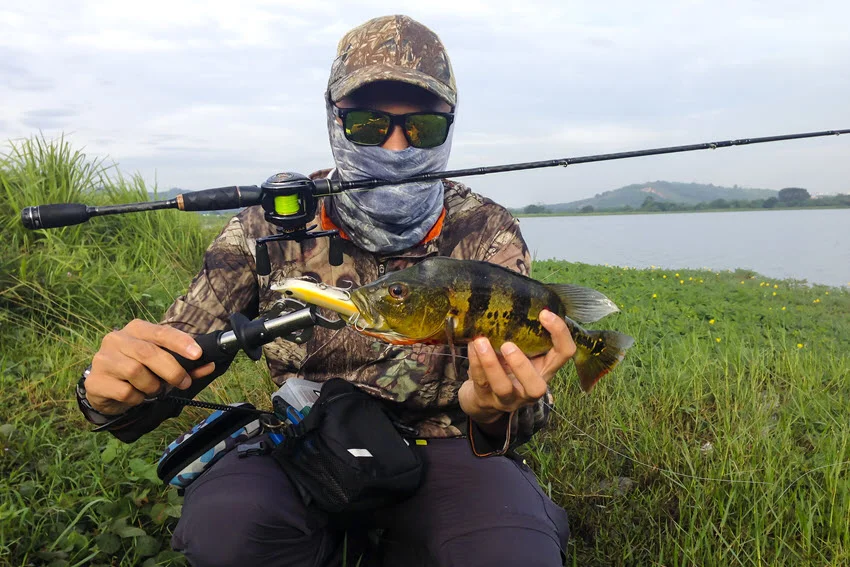
This can vary by species. Large species like Billfish and Sharks are handled with special care, especially when releasing them back into the water. The idea is to catch them as quickly as possible, get them out of the water as quickly as possible, and handle them as carefully as possible throughout the process. Bass and Trout are also freshwater species that need special care, especially when the water is warmer.
Environmental conditions, such as water temperature and oxygen levels, also affect fish survival. For instance, when the water is warm, the fish will be more stressed, as oxygen levels will be lower and recovery will take longer. In such a condition, the fish should be handled with care and released. Environmental factors should also be considered.
One of the most effective ways to improve your skills as an angler, as well as contribute to the preservation of the environment, is to take part in workshops, tournaments, and other events taking place in the region. This will enable novice anglers to learn from experts. By being part of the fishing community, they will be motivated to take responsibility.
It is also possible for experienced anglers to make mistakes, which may result in the reduction of the survival rate of the fish. These mistakes can be a result of holding the fish by the gills, taking too long to land the fish out of water, the use of inappropriate fishing gear, or placing the fish on a dry surface.
Fish with care. Handle gently. Release quickly. That's how you protect what you love and keep waters full of life for the future. What's one thing you always do to improve your catch and release? Have you ever changed your approach after learning something new? Share your experience in the comments.

The expert copywriters at Anglers Booking have meticulously crafted this article. Our dedicated team of writers provides valuable insights and information to enhance your angling experience.

January 6, 2026

June 13, 2025
Subscribe to our newsletter and receive a selection of cool articles every week.
Embark on unforgettable fishing adventures with us at Anglers Booking.
book your charter
August 21, 2026
August 18, 2026
August 15, 2026
August 12, 2026
August 8, 2026
August 4, 2026
April 17, 2026
April 13, 2026

You're now part of our exclusive community. Get ready for premium content and updates straight to your inbox.
close
Subscribe to our newsletter and receive a selection of cool articles every week.
Please enter a valid email address.
Be the first to know when we're back in action.
Please enter a valid email address.
Leave a Comment
Your email address will not be published. Required fields are marked *
Thank you for your comment! It has been submitted for review and will appear on the site shortly.