


Anglers Booking Team
The expert copywriters at Anglers Booking have meticulously crafted this article. Our dedicated team of writers provides valuable insights and information to enhance your angling experience.
 8 minutes read
Spanish Mackerel are some of the fastest fish in coastal waters. They are aggressive, powerful, and lightning quick. Chasing them is an exciting activity. It is important to know basic facts about this species of fish if you tend to catch them.
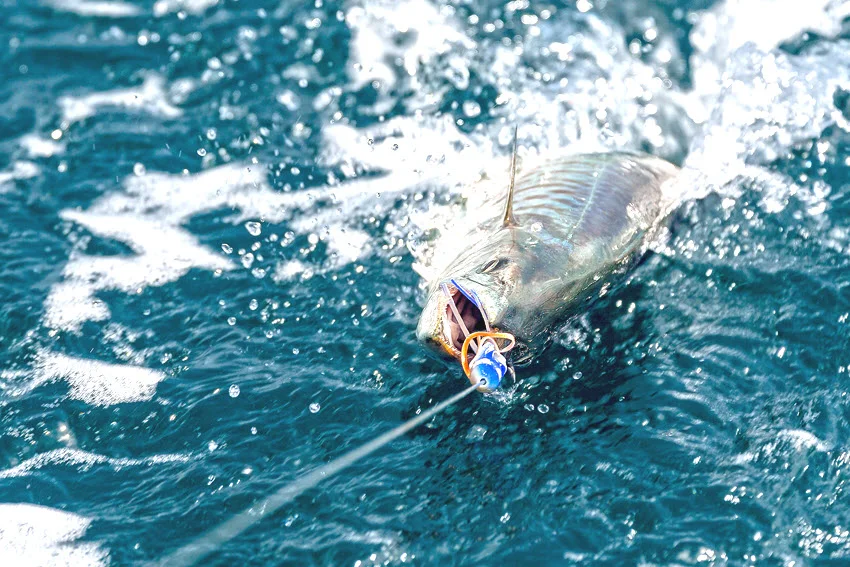
In the sections below, we will help you choose the best lures for Spanish Mackerel. You'll also learn about their behavior, fishing techniques, and, of course, how to use each lure effectively. If you're looking to hook more Spanish Mackerel, this is the place to start.
Our journey begins by learning to understand this fish. You must know the facts about her and her behavior. If you don't miss the information that we prepared below, you are on the right track for fishing success.
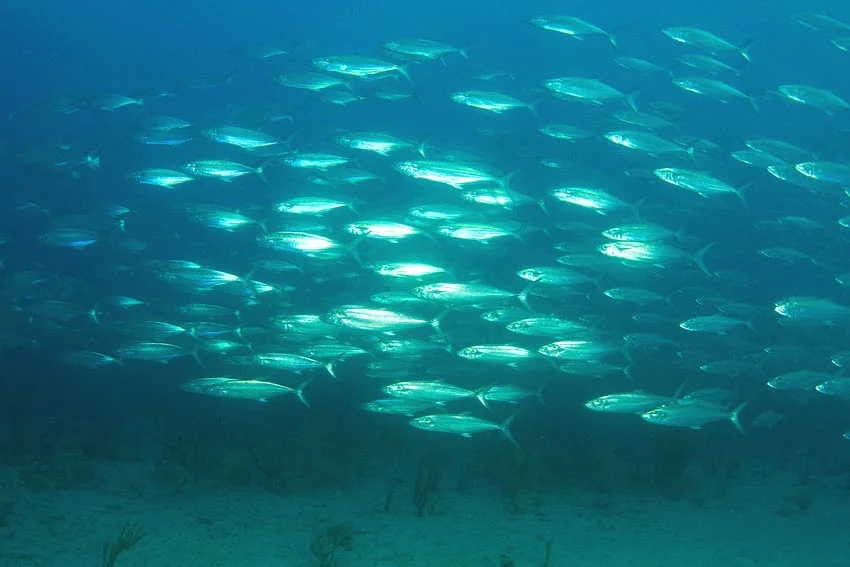
Spanish Mackerel live in warm coastal waters. They swim along the Atlantic coast, the Gulf of Mexico, and even parts of the Caribbean. These fish like clear, warm water and are rarely found far from shore.
They tend to move with the bait. When schools of small fish like anchovies or menhaden arrive, Spanish Mackerel are close behind. You'll often see them jumping or slashing through bait balls near the surface.
They prefer open water but often come close to beaches, piers, jetties, and inlets. Fast currents and tidal changes make these places even more appealing. Spanish Mackerel feed during daylight hours and are most active in the morning and late afternoon.
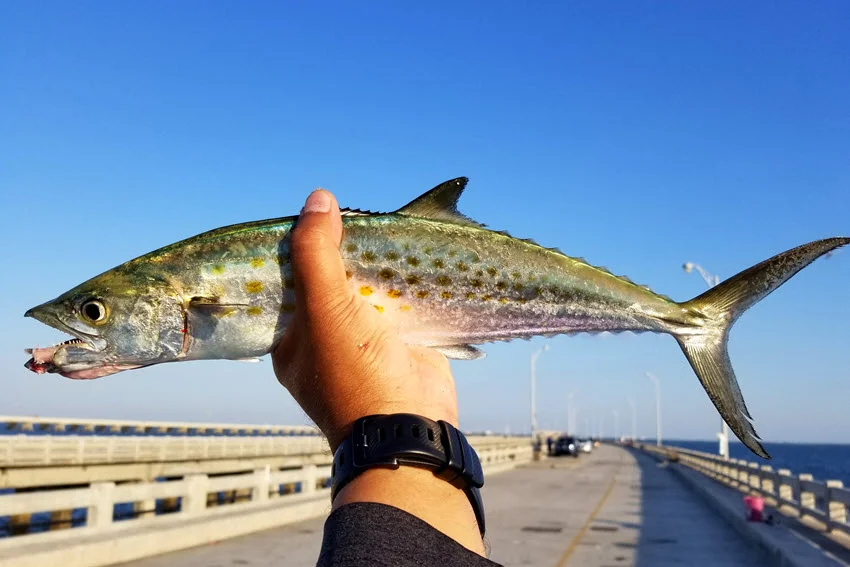
Spanish Mackerel migrate seasonally. Their location and behavior change depending on the time of year. Here's what to expect during each season:
To achieve the best catch, schedule your trip around the seasons to maximize your chances of finding active schools.

Each location requires a different strategy. Below are the most common spots and the best lures to use in each area.
Spanish Mackerel inhabit various locations. Each location requires a simple plan. Follow the bait and use lures appropriate for the area. Adjust your fishing technique accordingly. This way, you will catch more fish.
Spanish Mackerel love flash and speed. Choose lures that mimic small baitfish and can be retrieved fast. Here are the most effective options:
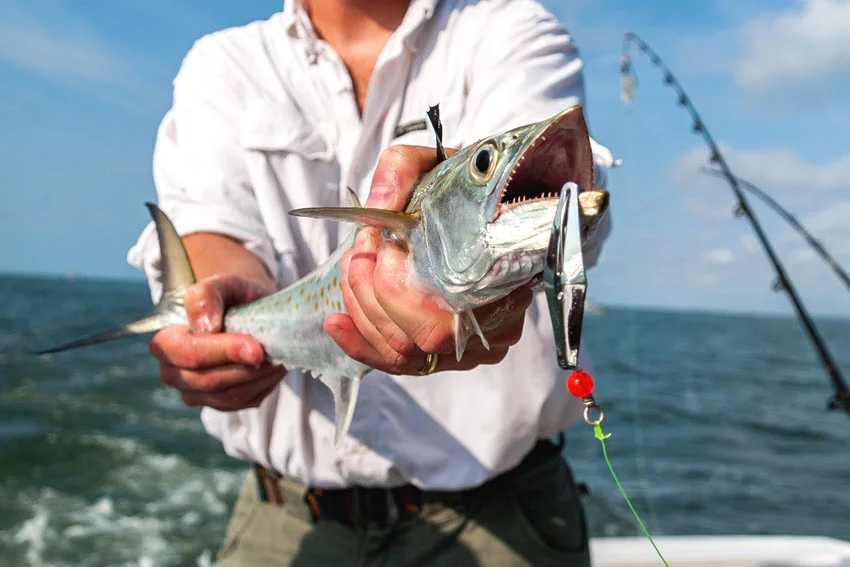
Metal spoons are great for Spanish Mackerel. They look like shiny baitfish. You can cast them far. Good ones are Clarkspoons, Kastmasters, and Hopkins Shorty. Cast out and reel in fast. Or troll them with a weight to go deeper.
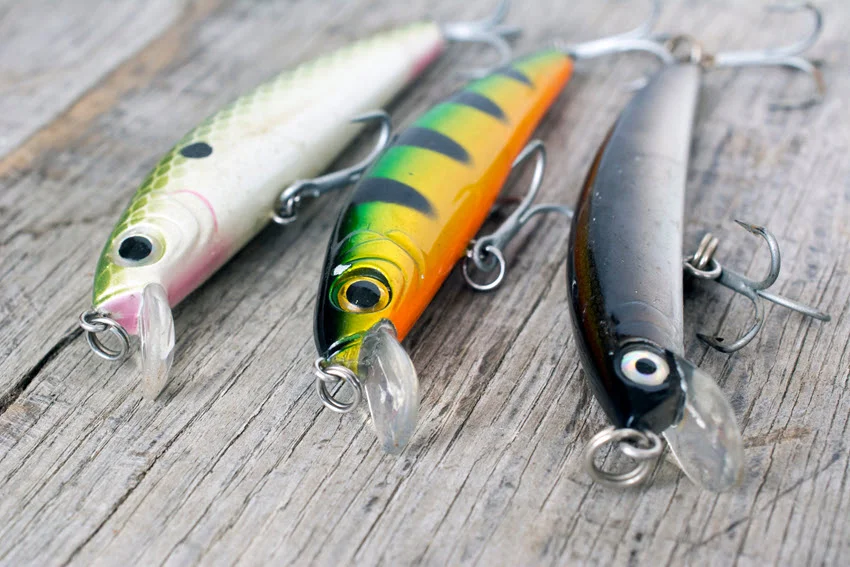
Got‑Cha plugs are a top pick on piers and jetties. Their quick, darting action makes Spanish Mackerel strike hard. Cast them out and reel in with sharp jerks. Always use a wire leader to stop fish from cutting the line with their teeth.
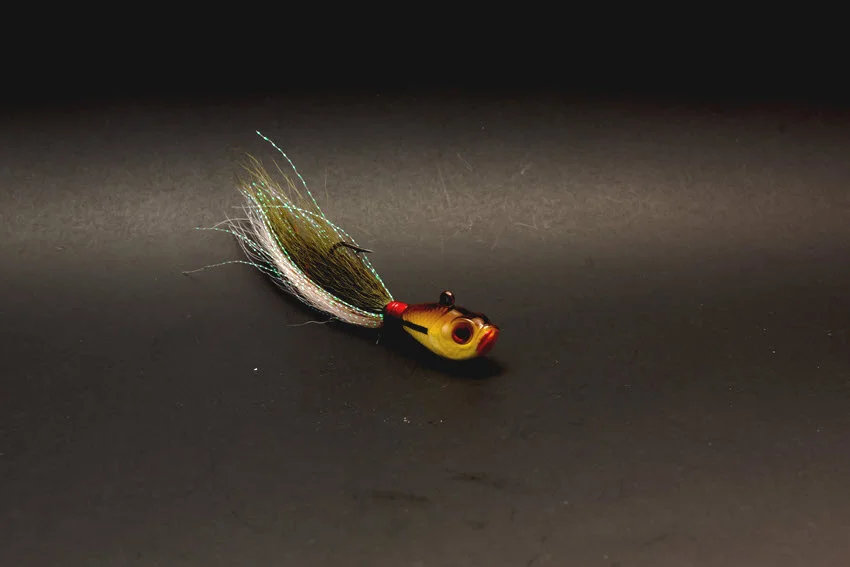
Bucktail jigs work well in deep water. They also perform great in strong currents. Cast the jig out. Let it sink. Then, retrieve using lifts and drops. Use bright colors. White, chartreuse, and pink are top picks.
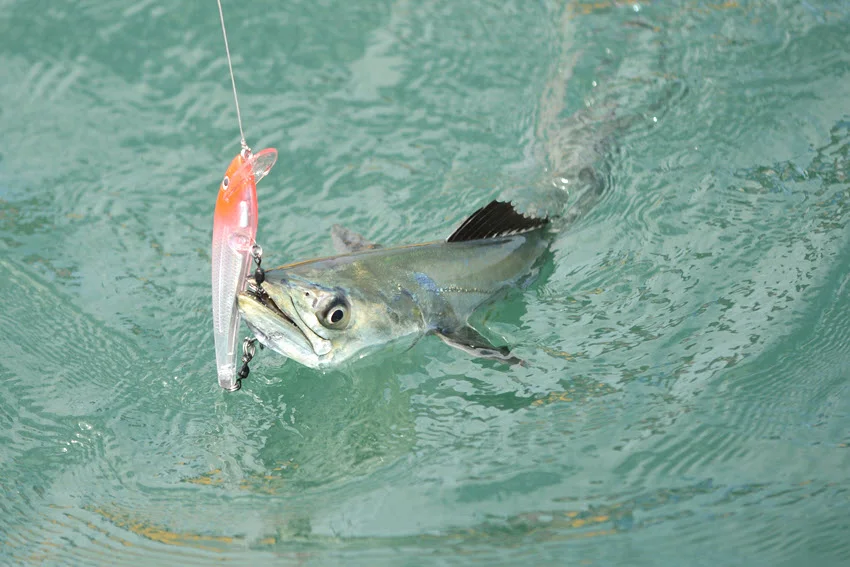
Paddle tails and jerkbaits on a jig head work well. They are best in calm water. Retrieve them quickly or jig them up and down. Use heavy-duty plastics as they last longer around sharp teeth.

Trolling rigs allow anglers to cover a wide area of water. This method is beneficial when the fish are not concentrated in one spot but are moving in smaller groups. Some of the most effective trolling setups include spoons behind planers, diving plugs, and feather jigs. These lures create flash and vibration.
Success isn't just about the lure. It's how you use it. For that reason, we will list below the top techniques to help you catch more Spanish Mackerel:
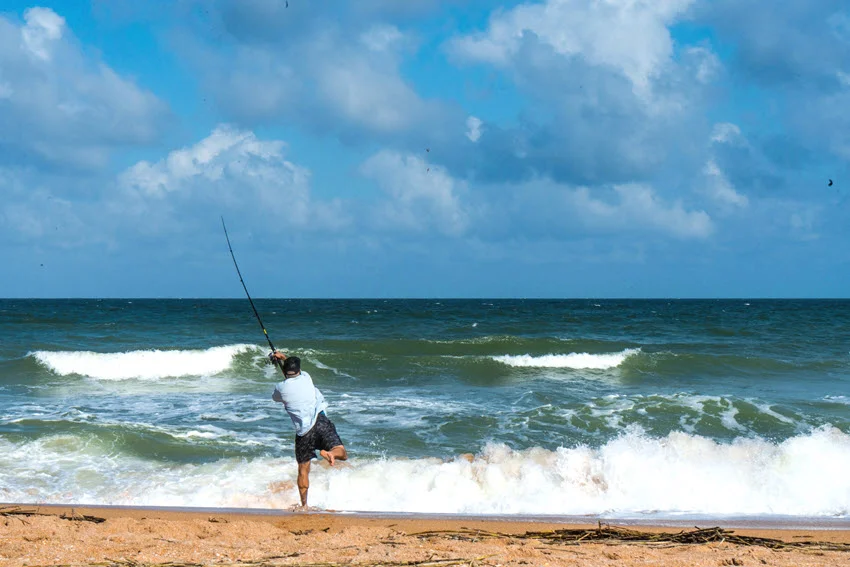
A quick mimic of small baitfish fleeing from predators. This naturally triggers the hunting instincts of Spanish Mackerel. Using a high-gear-ratio reel makes it easier to maintain this pace without tiring out your arm. Long, accurate casts are also necessary, as they allow you to reach fish that may be feeding farther from the boat or pier. This works best with spoons, plugs, and soft plastics.
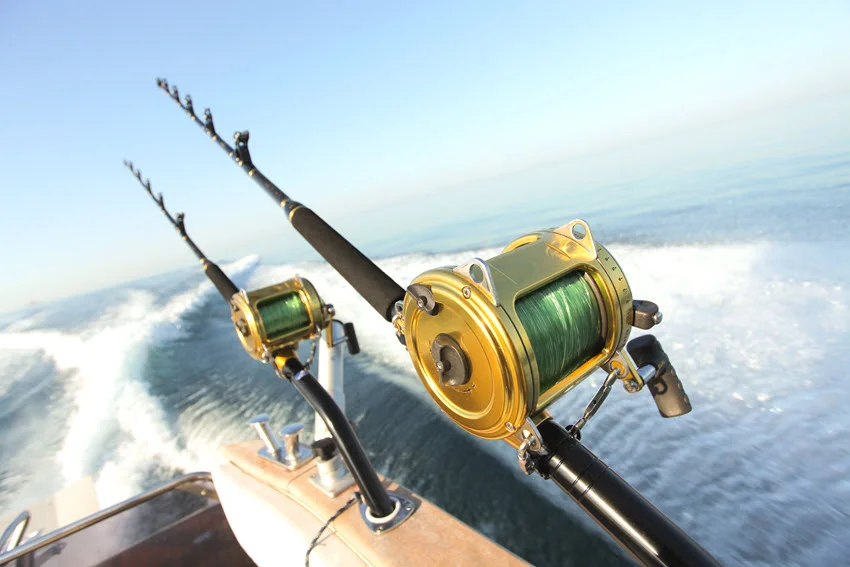
Trolling fast helps you cover more water. This method works well. Use planers to take lures deeper. It's best for finding scattered fish. Faster trolling speeds keep the spoons moving naturally, which attracts Spanish Mackerel better. Also, varying your depth with planers can help locate schools at different levels.
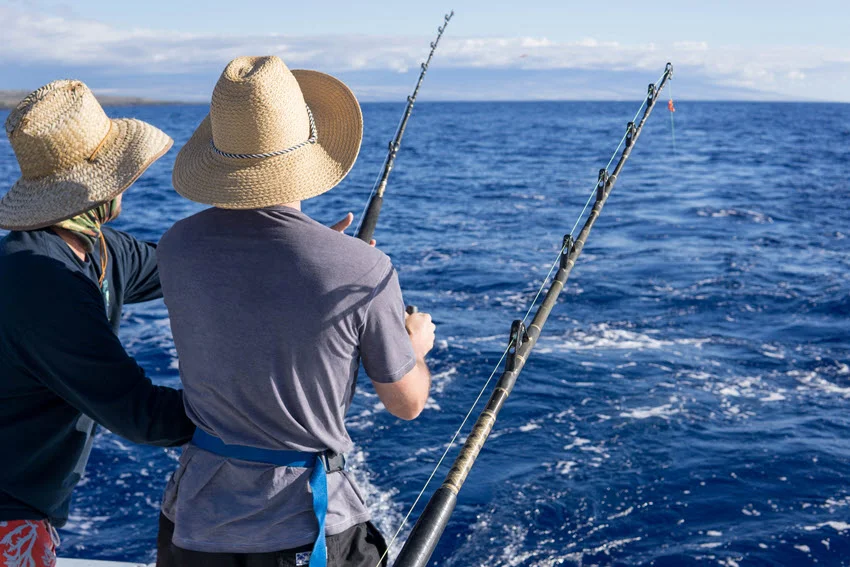
This method works best offshore or in deeper channels. First, drop the jig down to the bottom. Then, lift your rod sharply to make the jig move up quickly. This up-and-down motion attracts fish. Bucktail jigs and metal jigs are most effective for this technique.
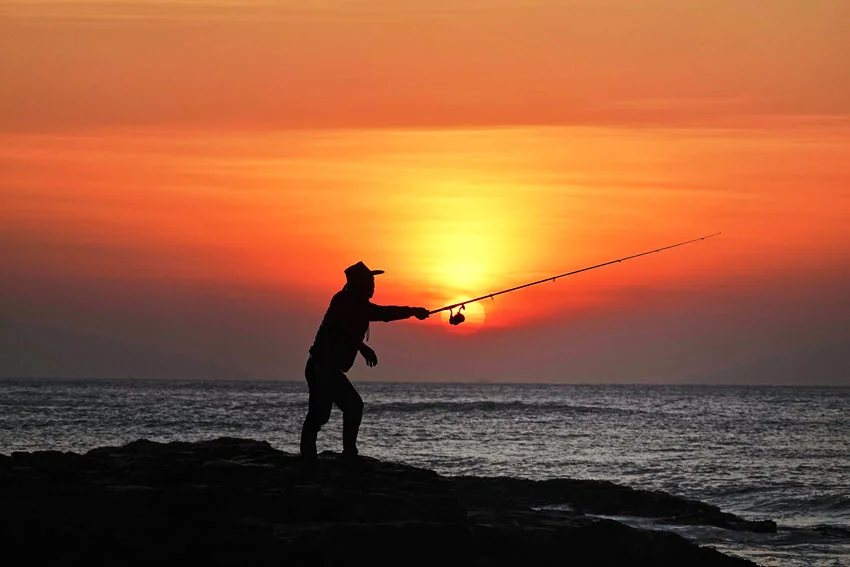
Casting for Spanish Mackerel is a fun and dynamic way of fishing and is possible from the boat or the shore. This technique is not always predictable; success can vary from season to season. You can cast the bait far and quickly retrieve it, which imitates a running fish. Additionally, light casting jigs and plastic baits, such as paddle tails or jerkbaits, work well for this technique.

Understanding fishing regulations and ethical practices about specific fish species protects fish populations and ecosystems and promotes responsible angling practices.
Anglers Booking Team
Spanish Mackerel are popular and fast fish. Many places have rules to protect them. Before fishing, the first thing you have to do is familiarize yourself with regulations. These rules can include size limits and daily catch limits. Following them helps maintain a healthy and abundant Spanish Mackerel population.
When you catch a Spanish Mackerel, handle it carefully. Use a wire leader to prevent the fish from biting through your line. It also helps protect the fish from injury. If you plan to release it, wet your hands first. Dry hands can damage the fish's protective slime coat.
Try to keep the fish in the water as much as possible while unhooking. If you need to lift it, support the fish's body with both hands. Avoid holding the fish by the jaw only, as this can cause harm. Take a quick photo and release the fish gently back into the water.
Avoid dragging the fish onto the boat or shore, as this can injure the fish. If you are fishing from shore, unhook the fish while it is still in the water. Respecting the rules and handling fish with care allows everyone to enjoy Spanish Mackerel fishing for years to come.
Spanish Mackerel offer action-packed fishing for anglers of all skill levels. Their speed, aggressive strikes, and willingness to hit fast-moving lures make them a top target. Whether you're fishing from a pier, the beach, or a boat, having the right lures and techniques will boost your chances of success.
When fishing, always keep your gear ready. These fish don't wait around. Treat each catch with respect, and follow local laws to help conserve the fishery.
Here's your turn now. What's your favorite lure for Spanish Mackerel? Do you prefer casting from the shore or trolling offshore? Share your best tips and stories with us.

The expert copywriters at Anglers Booking have meticulously crafted this article. Our dedicated team of writers provides valuable insights and information to enhance your angling experience.

January 10, 2025

July 27, 2025
Subscribe to our newsletter and receive a selection of cool articles every week.
Embark on unforgettable fishing adventures with us at Anglers Booking.
book your charter
October 2, 2026
September 8, 2026
August 21, 2026
August 18, 2026
August 15, 2026
August 12, 2026
August 8, 2026
August 4, 2026

You're now part of our exclusive community. Get ready for premium content and updates straight to your inbox.
close
Subscribe to our newsletter and receive a selection of cool articles every week.
Please enter a valid email address.
Be the first to know when we're back in action.
Please enter a valid email address.
Leave a Comment
Your email address will not be published. Required fields are marked *
Thank you for your comment! It has been submitted for review and will appear on the site shortly.