


Anglers Booking Team
The expert copywriters at Anglers Booking have meticulously crafted this article. Our dedicated team of writers provides valuable insights and information to enhance your angling experience.
 8 minutes read
Spanish Mackerel are among the favorite saltwater fish species in Florida. Their speed, shiny scales, and teeth are some of the factors that make them so famous. Spanish Mackerel can be found in large numbers near beaches, piers, and inlets. Since they grow quickly but are also widely caught, Florida has regulations to ensure their numbers do not decline.
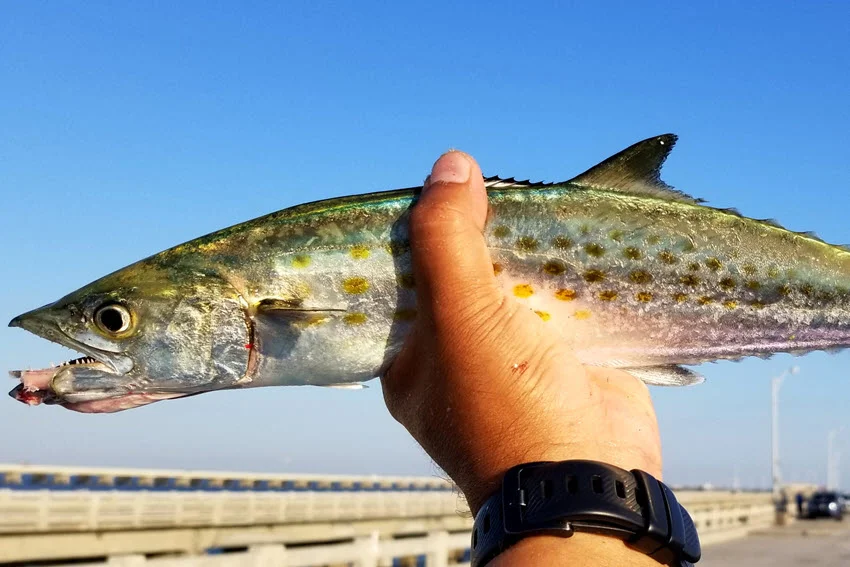
The Florida Fish and Wildlife Conservation Commission (FWC) is the authority that sets the official rules for Spanish Mackerel in Florida. It is always a good idea to check the official FWC website for the latest bag limits before you go fishing. This article will provide you with the season, essential rules, and best times to fish Spanish Mackerel in Florida.
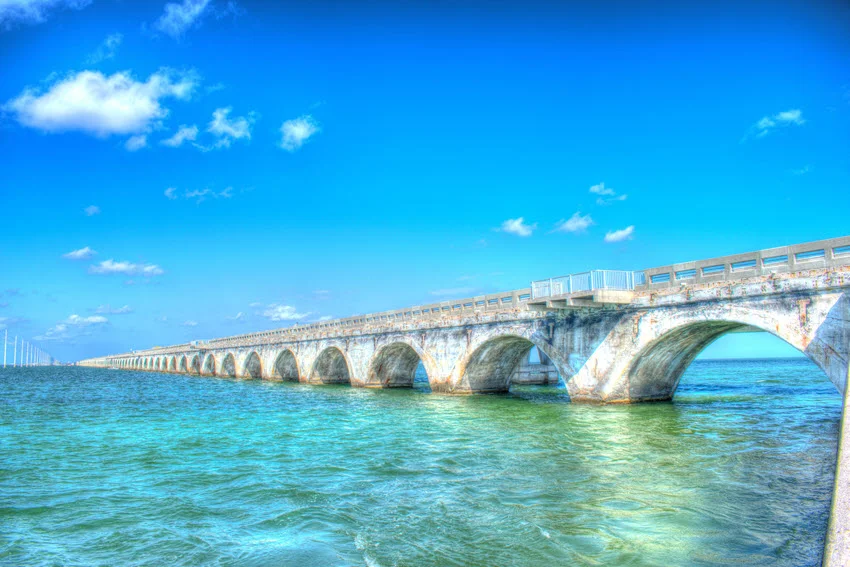
The FWC lists Spanish Mackerel rules for both Gulf and Atlantic state waters, and recreational limits are the same statewide. Local conditions differ by coast, but the core rules stay consistent.
For recreational anglers in Florida state waters, Spanish Mackerel is open year-round on both coasts. Commercial rules can vary and may close in-season when quotas are met, so do not assume commercial openings align with recreational rules. Before your trip, always confirm the current regulations.
The daily bag limit is 15 fish per person, and the minimum size is 12 inches fork length. Release fish under the minimum size. Size and bag limits are designed to help support sustainable harvest.
Spanish Mackerel often stay nearshore, feeding on small baitfish that gather around inlets, passes, and structures when bait is present. They move quickly in groups, making them easy for anglers to spot and catch.
On the Gulf Coast of Florida, Spanish Mackerel fishing is open throughout the year. However, FWC and its partners regulate Spanish Mackerel by setting rules that may change over time.
Fish must be a minimum of 12 inches fork length. The bag limit is 15 fish per person per day. These statewide rules help manage harvest pressure and support a productive fishery.
Spanish Mackerel often school on the Gulf side in and around coastal waters, passes, and reefs. Their quick attacks and constant movement are some of the reasons why Spanish Mackerel is one of Florida's most exciting and accessible fish to catch.
These rules help manage harvest pressure and keep the fishery productive. Spanish Mackerel grow quickly, yet they remain a popular target across Florida. Size and bag limits help keep harvest in check, so more fish can stay in the system for future seasons.
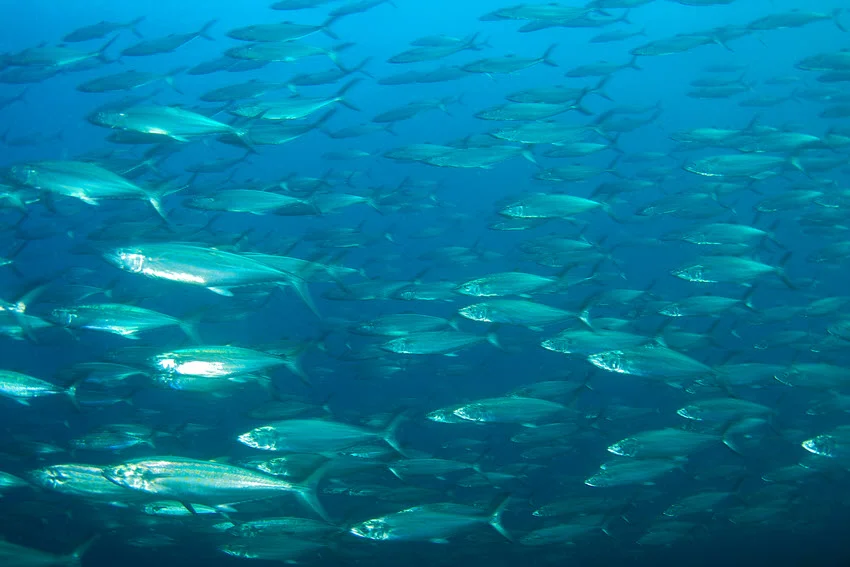
Spanish Mackerel are fast swimmers and operate in groups or schools. They are most active in warmer coastal water, especially when bait is present. Mostly, they follow schools of baitfish, sardines, anchovies, and threadfin herring.
These are fish designed for speed. Their slender bodies and forked tails allow them to chase down prey easily. Spanish Mackerel often feed near the surface, slashing through baitfish schools with quick, aggressive strikes, which makes them exciting to watch and fun to catch.
Many Spanish Mackerel caught from Florida piers and nearshore waters are a few pounds, but size varies by season and location. They grow fast and reproduce often, which contributes to the stability of their populations.
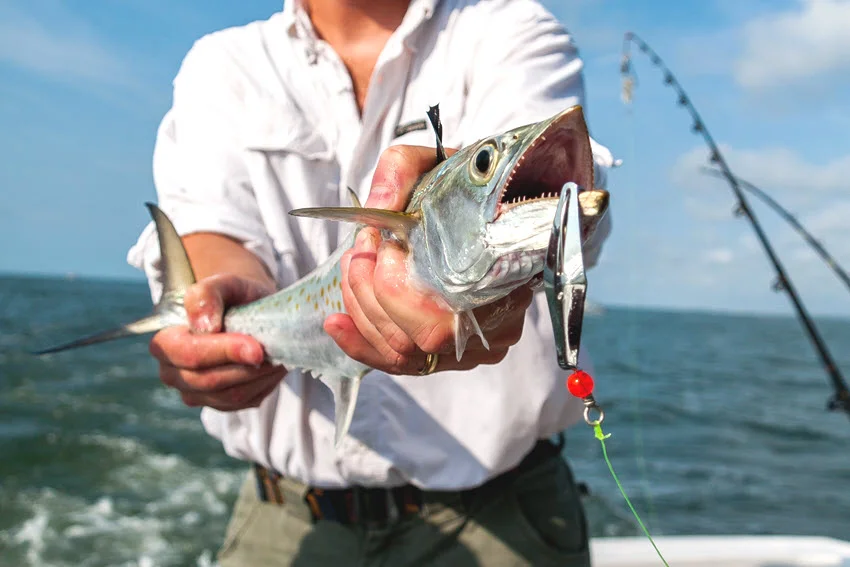
Spanish Mackerel can be caught year-round. However, the best seasons for them are spring and fall when big schools come closer to shore. The most consistent action for both shore and boat anglers comes from these migration periods.
In cooler months, Spanish Mackerel patterns can shift. Focus on areas with bait and moving water, and adjust based on local conditions. Keep an eye on local conditions and bait movement before each trip.
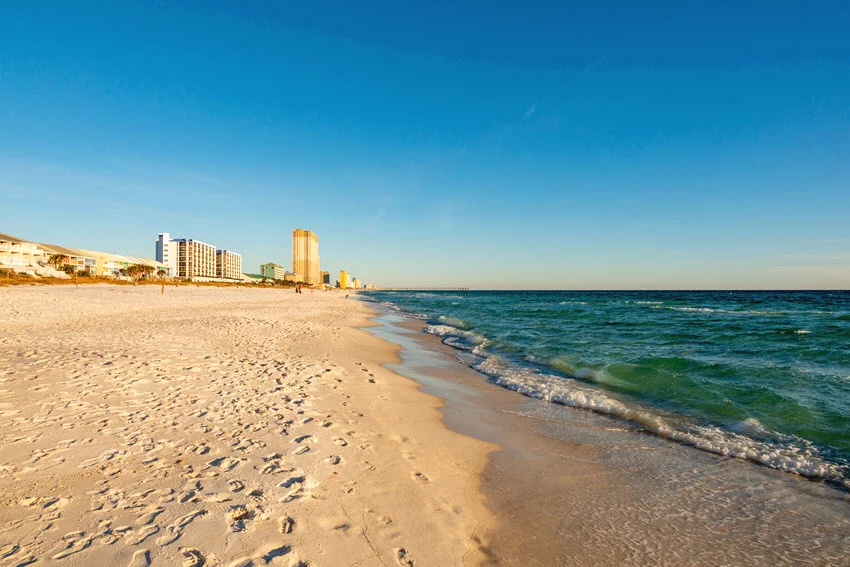
Florida offers plenty of productive water for Spanish Mackerel, from beaches and inlets to nearshore structure. Where you fish matters less than finding bait and moving water. Below are a few reliable areas that anglers target each season.
Focus on clear water, a moving tide, and visible bait, and you will usually get more shots at feeding fish. If you see birds working, bait flicking on the surface, or fish slashing bait near an inlet or pass, stop and cast.
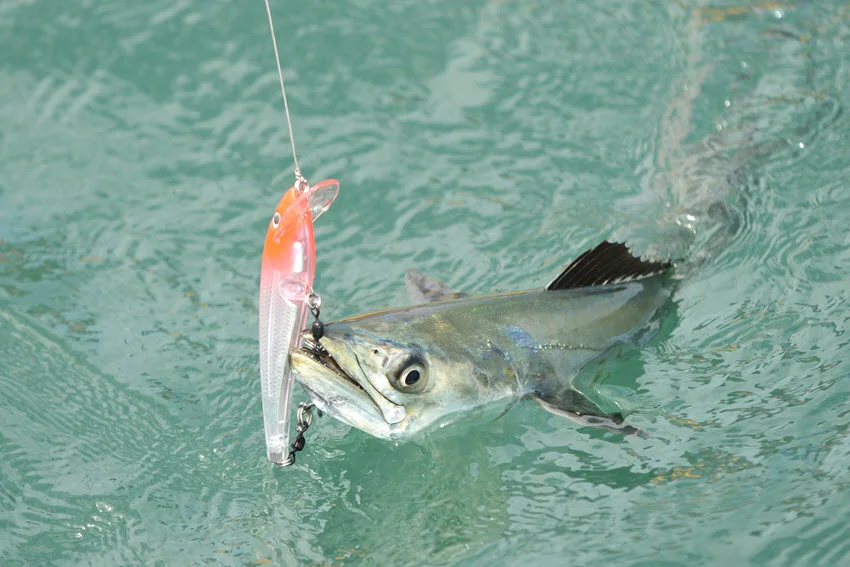
Fishing for Spanish Mackerel does not necessarily have to be complicated. Just a few items will help you fish comfortably and confidently. A simple setup makes everything easier. Below, we discuss the gear needed to catch this fish.
With adequate equipment, you can catch more fish and handle them safely. It is, therefore, of immense importance to your success in fishing that you read this section carefully.
Understanding fishing regulations and preserving specific fish species contributes to protecting fish populations and ecosystems and promoting responsible angling practices.
Anglers Booking Team
Spanish Mackerel fishing is generally subject to Florida laws and regulations. Every angler should possess a fishing license. You will see below the mandatory document:
Licenses can be purchased through Florida's official licensing system. Requirements and exemptions vary, so confirm what applies to you before fishing. Having the correct permits will keep you legal while fishing or selling them.
Go prepared with the proper tackle, know the rules, and try to land the fish as quickly as possible to avoid exhausting it. This keeps the fish in better shape when you bring it up to the boat and helps it recover more quickly if you release it.
If you plan to keep your catch, put it on ice immediately to preserve freshness. Responsible fishing helps conserve Spanish Mackerel. Taking care of the fish and the environment enhances the experience for all persons involved.
We've come to the end of our journey. We've gone through Florida's seasons and explained everything you need to know. Now all that is left is to choose a spot, grab some simple gear, and start your Spanish Mackerel fishing adventure.
Where do you like to catch Spanish Mackerel in Florida? What bait works best for you? We'd love to hear your answers.
Disclaimer: Fishing regulations and open seasons may vary by region and are subject to change. The information in this guide is for general reference only. Learn the latest fishing rules, size limits, and season dates on the official websites of the state or federal government before your trip.

The expert copywriters at Anglers Booking have meticulously crafted this article. Our dedicated team of writers provides valuable insights and information to enhance your angling experience.

October 26, 2024
Subscribe to our newsletter and receive a selection of cool articles every week.
Embark on unforgettable fishing adventures with us at Anglers Booking.
book your charter
October 2, 2026
September 8, 2026
August 21, 2026
August 18, 2026
August 15, 2026
August 12, 2026
August 8, 2026
August 4, 2026

You're now part of our exclusive community. Get ready for premium content and updates straight to your inbox.
close
Subscribe to our newsletter and receive a selection of cool articles every week.
Please enter a valid email address.
Be the first to know when we're back in action.
Please enter a valid email address.

Leave a Comment
Your email address will not be published. Required fields are marked *
Thank you for your comment! It has been submitted for review and will appear on the site shortly.