


Anglers Booking Team
The expert copywriters at Anglers Booking have meticulously crafted this article. Our dedicated team of writers provides valuable insights and information to enhance your angling experience.
 9 minutes read
Some fish are difficult to catch because they combine power, caution, limited distribution, or a demanding habitat. Success may depend on reading subtle conditions, finding a short feeding window, and making the right presentation under pressure.
A fish can be challenging for several reasons, including strength, speed, behavior, accessibility, and the water it inhabits. Hooking the fish is only part of the job; keeping it clear of cover, maintaining line tension, and landing it safely can be just as difficult.
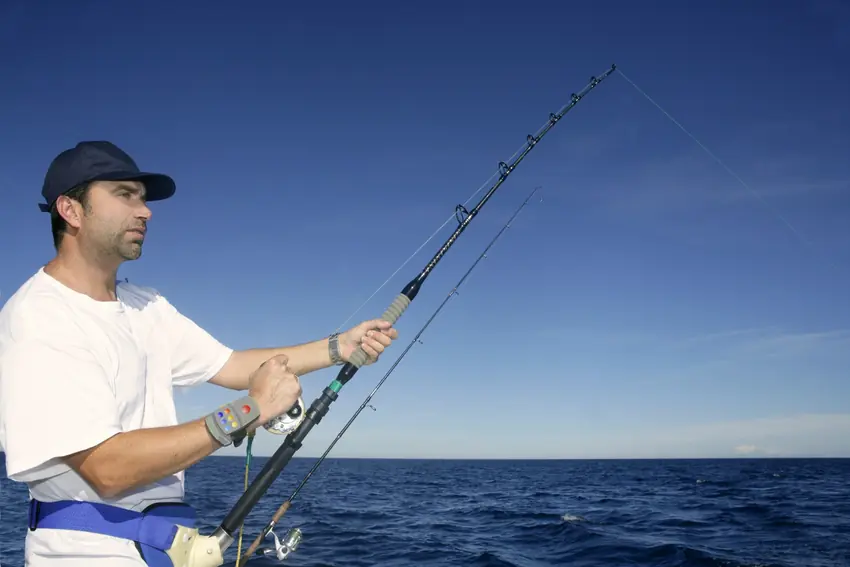
Freshwater and saltwater fisheries test anglers in different ways. Freshwater fishing often rewards stealth, precise casting, and careful patterning, while saltwater fishing may add long searches, rough conditions, heavier tackle, and physically demanding fights.
The species below are not ranked by a single measurement. Instead, each represents a different type of challenge based on established biology, common angling experience, and the conditions anglers face on the water.
Freshwater fishing covers lakes, rivers, and reservoirs, each with its own demands. Some species are difficult because they are cautious or scattered, while others rely on heavy bodies, strong current, or dense cover to resist an angler.
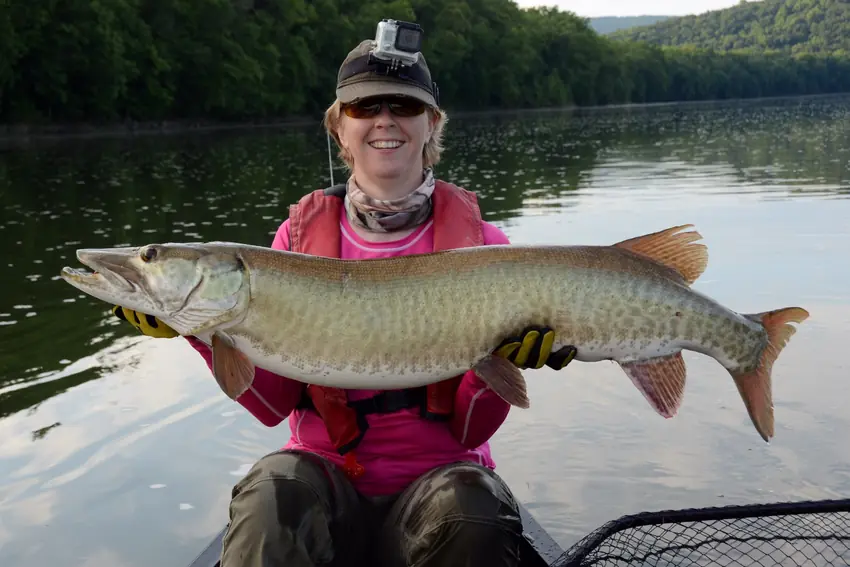
Muskie are often called the "fish of 10,000 casts" because strikes can be infrequent and difficult to predict. They may follow a lure all the way to the boat without committing, so anglers must stay focused through long periods without action.
When a Muskie strikes, the fight can change instantly. Fish longer than 50 inches combine sudden acceleration, powerful head shakes, and enough weight to expose weak hooks, knots, leaders, or poor boat-side control.
Muskie also move among weed edges, drop-offs, rocky points, and open-water bait schools as weather, light, and season change. Consistent success requires covering water efficiently, tracking patterns, and being ready when a brief opportunity appears.
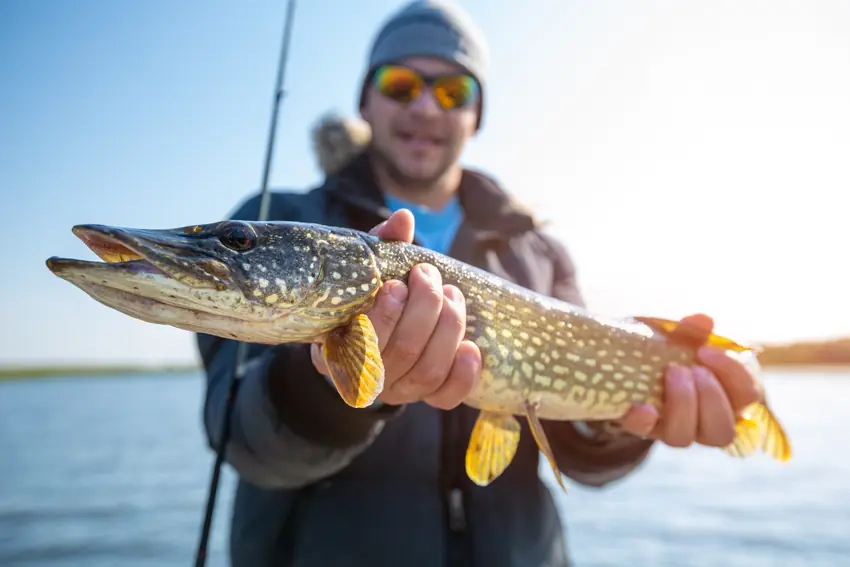
Northern Pike are widespread, but true trophy Pike are less predictable than smaller fish. Large Pike often feed during short windows and may respond sharply to changes in water temperature, clarity, light, and weather.
Once hooked, a trophy Pike can surge in several directions, roll near the boat, or bury itself in vegetation. Its long body and sharp teeth demand an abrasion-resistant leader, reliable knots, and steady pressure throughout the fight.
Finding the right fish adds another layer of difficulty. Big Pike often hold along deep weed lines, reed edges, and submerged structure, where clean presentations are harder, and snags are more likely.
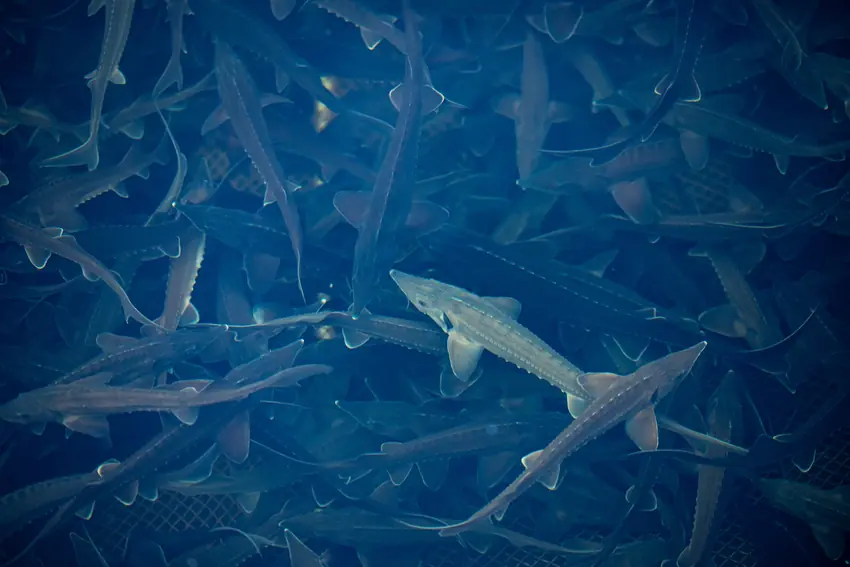
Sturgeon are slow-growing fish that require careful handling and close attention to local regulations. Large White Sturgeon and Lake Sturgeon can test an angler with sheer weight, long runs, and extended fights on heavy tackle.
Getting the bite is often subtler than the fight. Sturgeon typically feed along the bottom, and a light tap may be the only sign that a very large fish has taken the bait, making timing and patience essential.
After the hook is set, a Sturgeon may hold deep, use current, or make a sustained run. Because rules and conservation status vary by species and location, anglers should confirm current regulations before fishing and minimize stress during release.
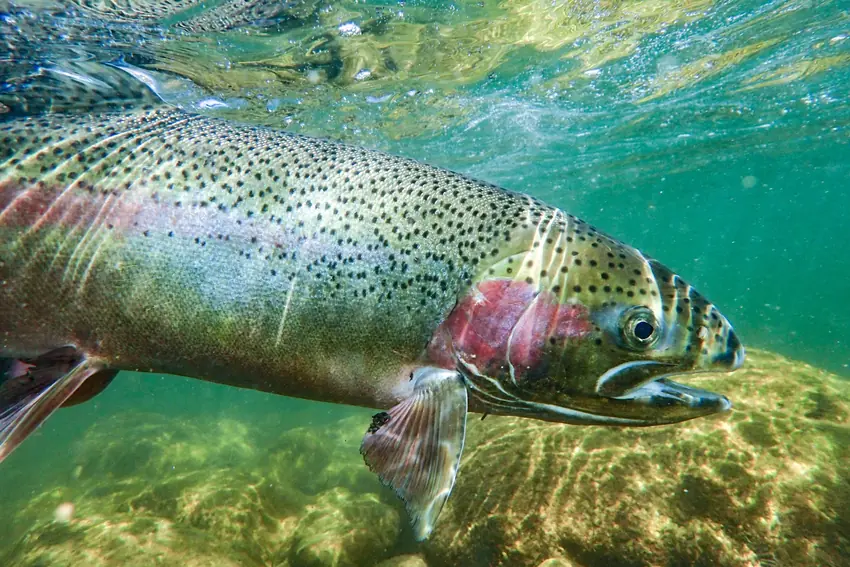
Steelhead are anadromous Rainbow Trout that migrate to the ocean before returning to freshwater to spawn. Their movements, holding water, and willingness to bite can change quickly with river flow, temperature, and visibility.
A hooked Steelhead is known for fast runs, sudden direction changes, and high jumps that can create slack line. Even experienced anglers lose fish when tension changes for only a moment.
The river itself adds difficulty. Cold water, strong current, slippery rocks, and limited casting room demand accurate drifts, careful wading, and constant line control.
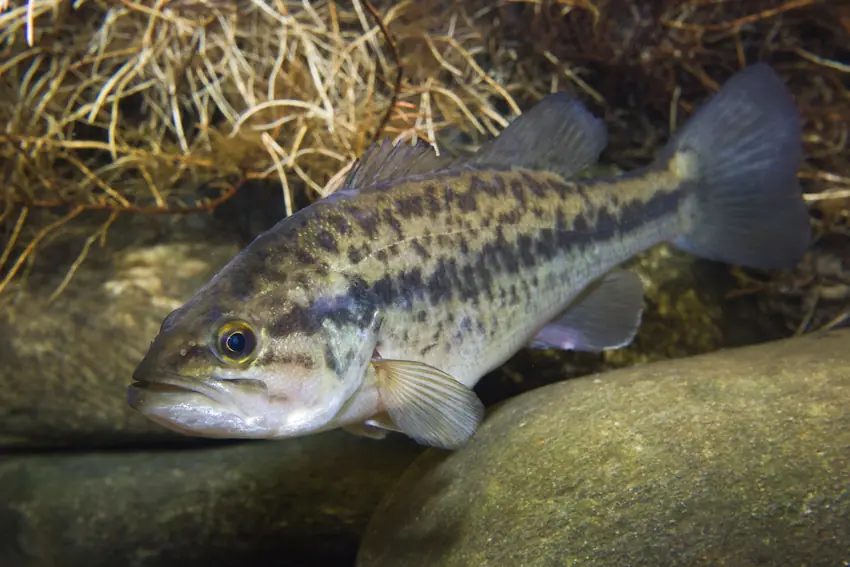
Largemouth Bass are common, but mature fish in heavily pressured lakes can be remarkably selective. They encounter many lures, react to boat noise and poor presentations, and may feed only during narrow windows.
A large Bass often uses vegetation, timber, docks, or other cover immediately after the hookset. It may not make the longest run, but its ability to turn into cover can end the fight quickly.
Weather, light, water temperature, and seasonal movement all influence where trophy Bass position and how they feed. Success depends on quiet approaches, accurate casts, and the discipline to adjust rather than repeat an unproductive pattern.
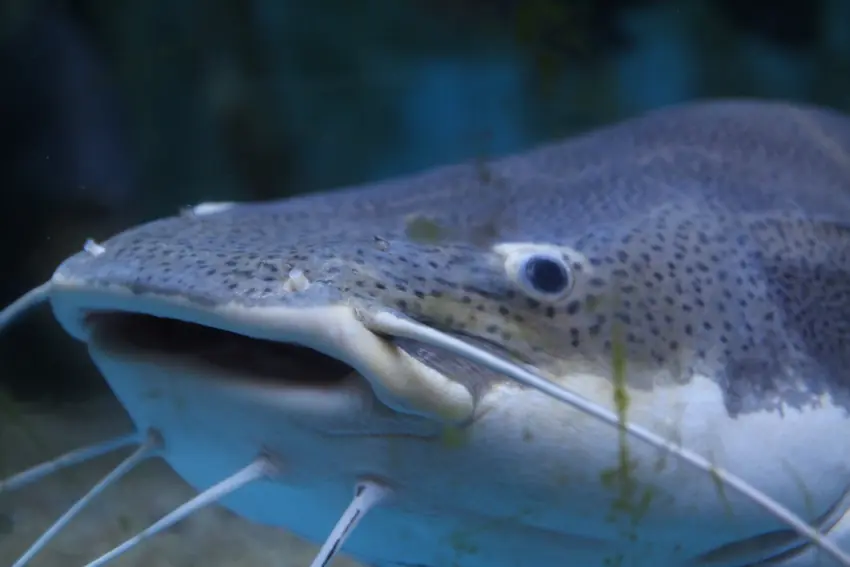
Large Blue Catfish and Flathead Catfish combine heavy bodies with sustained pulling power. Trophy fish can test rods, reels, knots, and an angler's ability to maintain pressure during a long fight.
Locating them is often harder than the final battle. Flathead Catfish commonly relate to cover and may feed most actively in low light, while Blue Catfish often follow forage, current, and seasonal movements through rivers and reservoirs.
Deep holes, submerged timber, channel edges, and strong current complicate boat position and line control. Once hooked, a big Catfish can stay near the bottom and use the current to prolong the fight.
Saltwater fishing adds distance, depth, current, waves, and rapidly changing weather to the challenge. Some species require hours of searching or trolling, while others demand a quiet approach and a nearly perfect cast.
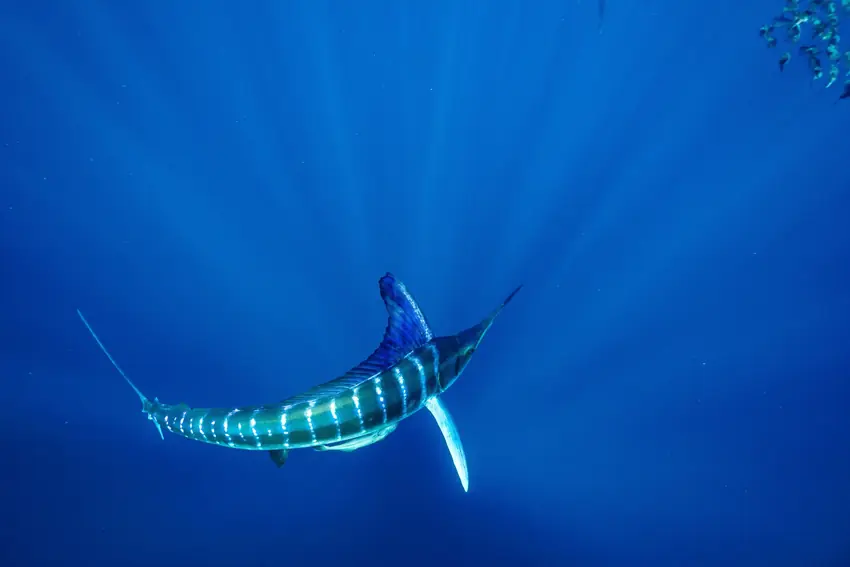
Blue Marlin are among the most demanding offshore game fish because of their size, speed, and stamina. Even before the hookup, crews may spend hours covering open water and watching teasers or trolling spreads for a single opportunity.
A strike happens quickly, and the fish may change direction before the angler settles into the fight. Clean rigging, a reliable hookset, coordinated boat handling, and steady line pressure all matter.
Once hooked, a Blue Marlin can make long runs, jump repeatedly, or dive deep. Landing and releasing one safely requires suitable tackle, an alert crew, and disciplined communication throughout the fight.
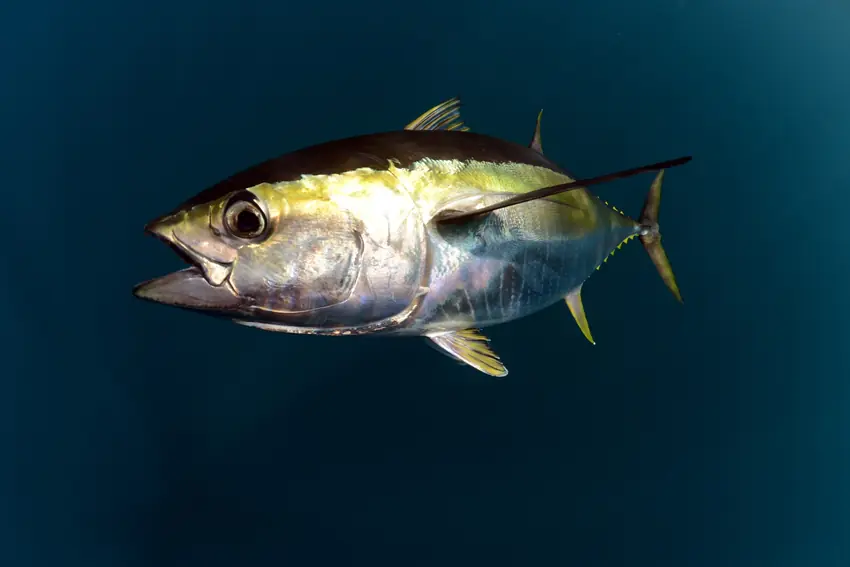
Yellowfin Tuna and Bluefin Tuna are built for sustained swimming and powerful runs. Their streamlined bodies and constant movement allow them to maintain pressure long after many other game fish would begin to tire.
Finding Tuna can be difficult because bait, temperature breaks, current, and weather shift throughout the day. Schools may travel quickly, and a productive feeding window can close before a boat reaches the fish.
During the fight, a Tuna often settles into deep circles beneath the boat. The angler must gain line efficiently, manage drag and body position, and avoid mistakes as the fish repeatedly loads the rod.
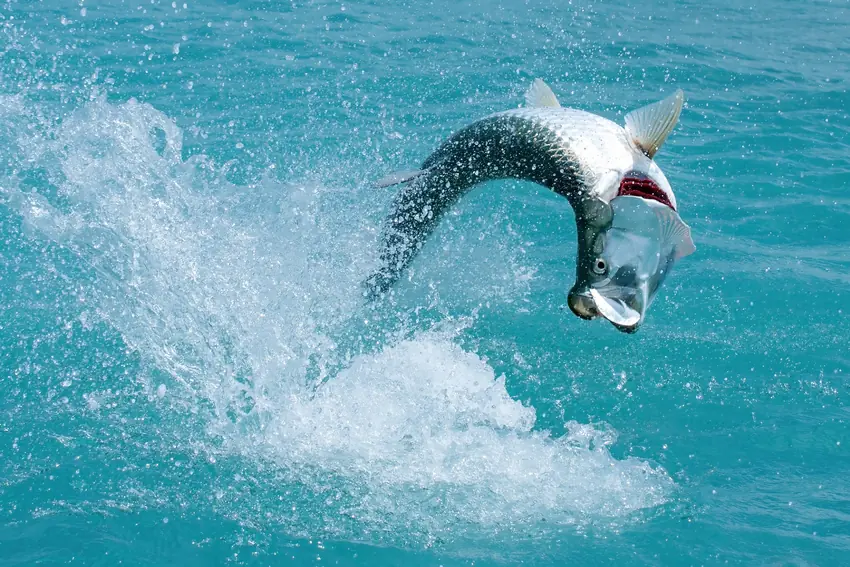
Tarpon are prized for their strength, aerial displays, and difficult hooksets. Their hard mouths can prevent solid hook penetration, so many strikes do not become landed fish.
After the hookup, a Tarpon may jump repeatedly, shake its head, and change direction without warning. The angler must manage line tension carefully while allowing the fish enough freedom to land safely.
Tarpon often feed around passes, river mouths, mangroves, bridges, and coastal flats. Accurate casting, a quiet approach, and proper release practices are as important as strength, especially around structure or boat traffic.
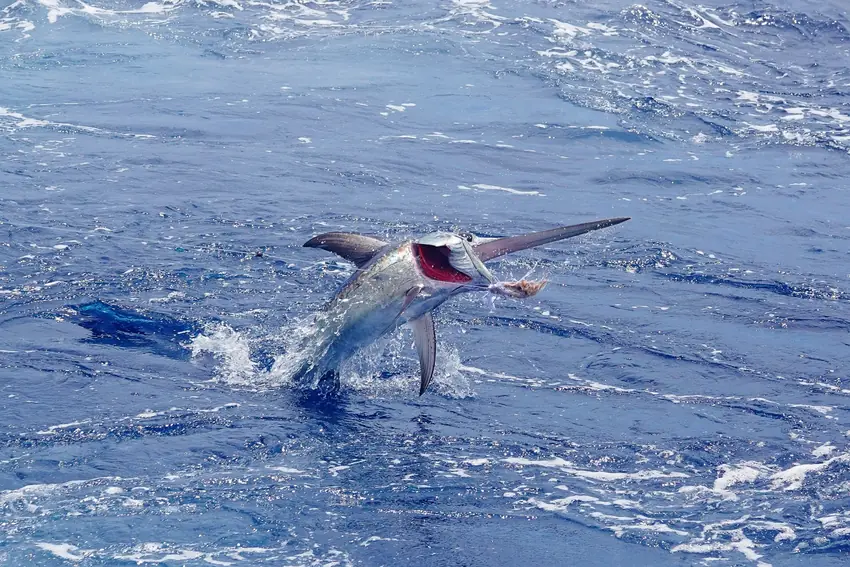
Swordfish live and feed across deep offshore water, which makes locating and presenting a bait to them technically demanding. Depending on the fishery and time of day, anglers may work baits hundreds or even thousands of feet below the boat.
Detecting a bite at depth, clearing heavy terminal tackle, and keeping pressure on a fish during the long ascent require concentration. A Swordfish may stay deep, make sustained runs, or change direction as it approaches the surface.
The fight is not finished when the fish appears beside the boat. Swordfish can make sudden bursts or jumps near the surface, so safe leadering, deliberate boat handling, and responsible release or harvest practices remain essential.
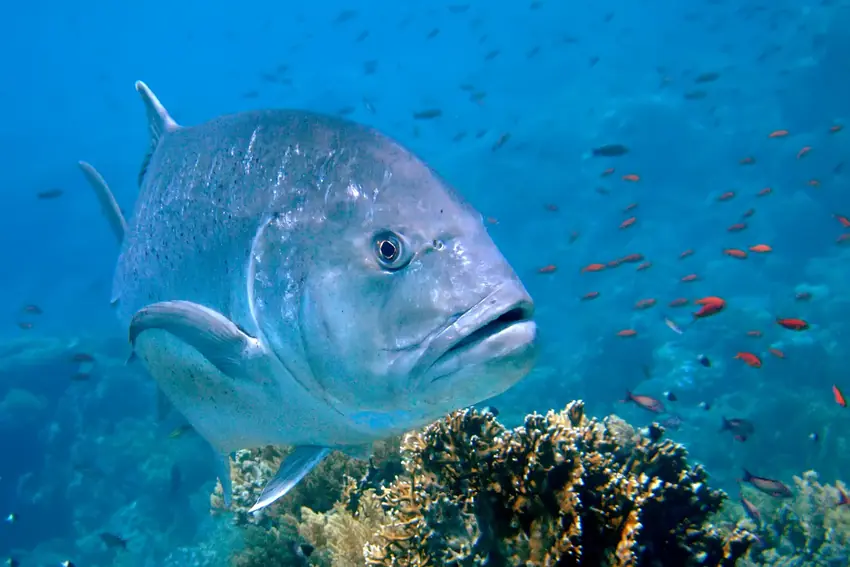
Giant Trevally are powerful reef predators known for explosive strikes. A surface hit can load the rod instantly and test hooks, split rings, knots, and drag settings before the angler has time to react.
A large Giant Trevally often turns toward reef, rock, or another hard edge as soon as it is hooked. Stopping that first run requires strong tackle, immediate pressure, and enough boat control to keep the line clear.
Casting heavy lures around surf zones, reef edges, and offshore drop-offs is physically demanding even before a fish strikes. Current, swell, and sharp structure make accurate presentation and local knowledge critical.
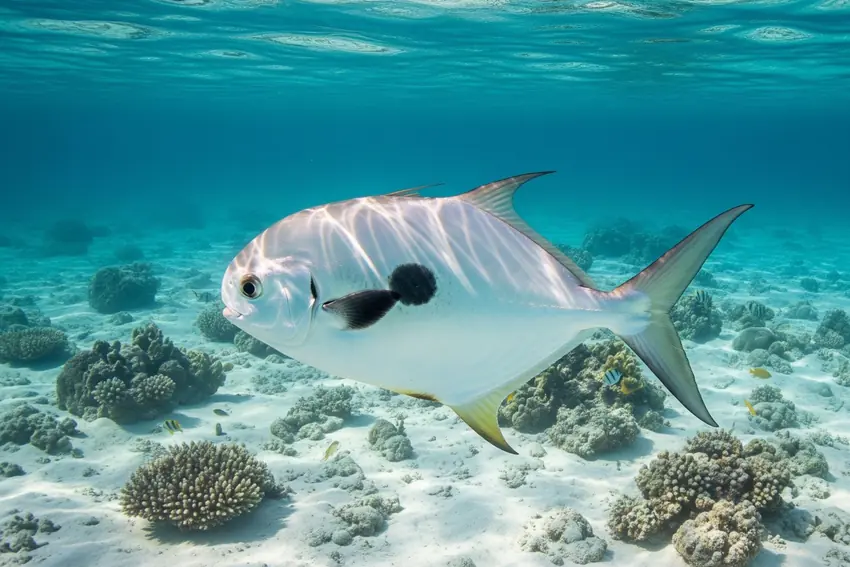
Permit are among the most technical fish to target on shallow flats. They notice noise, shadows, unnatural movement, and poorly placed casts, and they may refuse a bait or fly even when they appear interested.
The angler must spot the fish, judge its direction, approach without spooking it, and place the offering where the Permit can see it without feeling threatened. Those steps often happen within seconds.
A hooked Permit adds speed and sustained pulling power to the challenge. Its wariness before the strike and determined runs afterward make it a demanding target from the first cast to the final release.
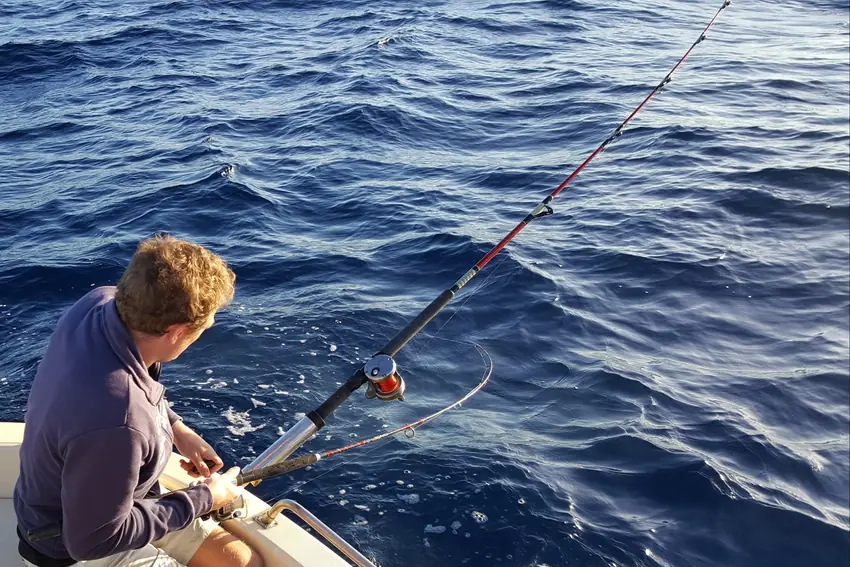
Freshwater challenges often center on precise presentations, stealth, current seams, vegetation, and structure. The fight may happen in limited space, where one turn toward weeds, timber, or rocks can decide the outcome.
Saltwater challenges often add greater depth, longer searches, changing seas, and fish capable of sustained runs. Heavy tackle and physical endurance matter, but positioning and teamwork can be equally important.
Neither environment is automatically harder. The most difficult fish is the one that combines demanding conditions with an angler's weakest skill, whether that is locating fish, presenting accurately, managing the fight, or handling the catch safely.
Understanding fishing regulations and ethical practices about specific fish species protects fish populations and ecosystems and promotes responsible angling practices.
Anglers Booking Team
Responsible fishing matters in every environment. Several species on this list grow slowly, migrate through multiple jurisdictions, or face location-specific protections, so anglers should check current seasons, size limits, gear rules, and handling requirements before a trip.
Use tackle strong enough to shorten the fight, keep the fish in the water when required, support its body during handling, and minimize air exposure. Ethical decisions protect both the fish and the quality of the fishery for future anglers.
Freshwater and saltwater species test different combinations of skill, preparation, strength, and patience. Muskie and Permit may challenge presentation, while Sturgeon, Tuna, and Blue Marlin can turn the fight itself into the main obstacle.
That variety is what makes these fish memorable. No single species is universally the hardest to catch, because difficulty changes with location, conditions, equipment, and the angler's experience.
Whichever species you pursue, careful preparation and responsible handling matter as much as the catch. The best result is a well-earned fish and a safe release or legal harvest.

The expert copywriters at Anglers Booking have meticulously crafted this article. Our dedicated team of writers provides valuable insights and information to enhance your angling experience.

February 28, 2025

April 18, 2025
Subscribe to our newsletter and receive a selection of cool articles every week.
Embark on unforgettable fishing adventures with us at Anglers Booking.
book your charter
September 8, 2026
August 21, 2026
August 18, 2026
August 15, 2026
August 12, 2026
August 8, 2026
August 4, 2026
April 17, 2026

You're now part of our exclusive community. Get ready for premium content and updates straight to your inbox.
close
Subscribe to our newsletter and receive a selection of cool articles every week.
Please enter a valid email address.
Be the first to know when we're back in action.
Please enter a valid email address.
Leave a Comment
Your email address will not be published. Required fields are marked *
Thank you for your comment! It has been submitted for review and will appear on the site shortly.