


Anglers Booking Team
The expert copywriters at Anglers Booking have meticulously crafted this article. Our dedicated team of writers provides valuable insights and information to enhance your angling experience.
 9 minutes read
Flounders are unique Flatfish with many different species. They live in both shallow coastal waters and the deeper parts of the ocean. Knowing the main types of Flounder, where they live, and how they behave helps anglers find and catch them more easily.
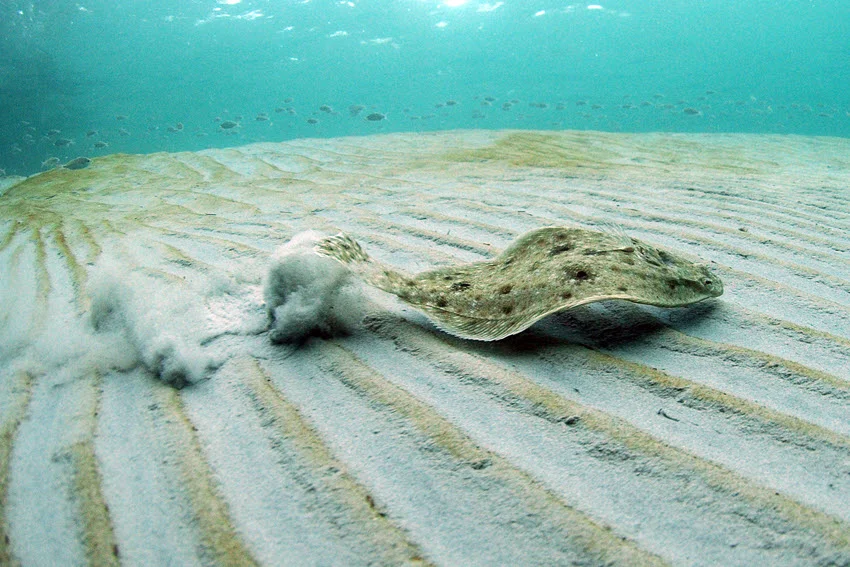
This guide explains how to identify and catch these interesting fish. Of course, that's not all. For each Flounder type, we will disclose which baits and equipment are the most effective. Information about safety and regulations is included. Stay with us to the very end and find out all the essentials about this remarkable fish. Let's go!
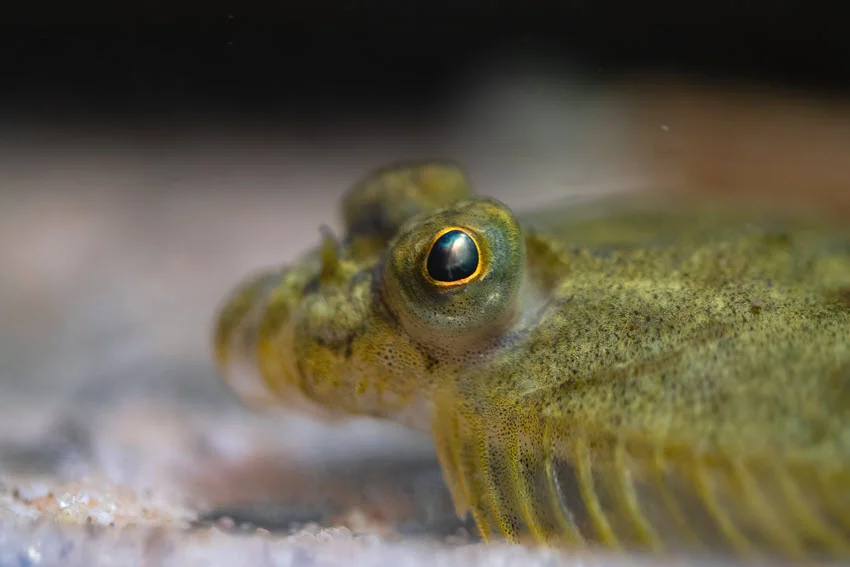
Flounders belong to the suborder Pleuronectoidei, which includes several families, including Achiropsettidae, Bothidae, Pleuronectidae, Paralichthyidae, and Samaridae. Some of the most well-known species are the Summer Flounder, Winter Flounder, Southern Flounder, Gulf Flounder, and European Flounder. Each type has its own look and preferred habitat.
Flounders are bottom-dwelling fish that spend most of their lives on or near the ocean floor. They have flat bodies and go through a unique change as they grow. One of their eyes turns toward the other side of the head, allowing both to face upward, which helps them lie flat on the seabed, where they blend with the sand or mud. Also, from here, they can attack their prey.
It is important to understand the Flounder's natural habitat. They swim in various marine environments, from estuaries and coastal waters to deeper ocean depths, and prefer places with plenty of structure where smaller fish and crustaceans often hide.
Flounder fishing gives anglers the chance to catch a unique flatfish. Knowing the differences among them increases your chances of a good catch. In this section, we analyze common Flounder species.
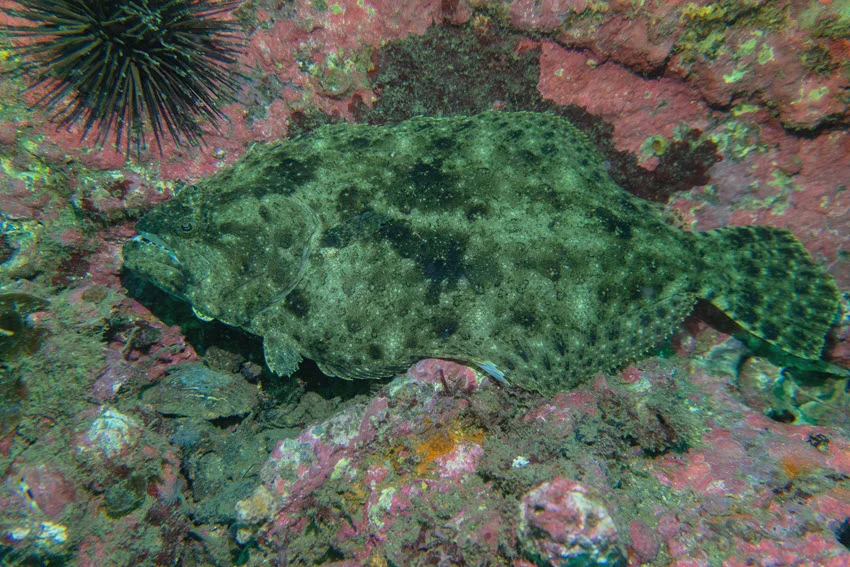
Summer Flounder, also known as Fluke, are flatfish with both eyes on the left side of their bodies. They have a wide, flat shape that helps them rest on the ocean floor and stay hidden from view. Their color ranges from brown to olive, with darker spots that make them easy to hide on the bottom. They have a large mouth with sharp teeth used to catch small fish, shrimp, and crabs.
Summer Flounder can grow up to 24 inches long and weigh about 10 pounds. Most anglers, however, catch fish that weigh between 1 and 2 pounds. These fish can live up to 20 years, which is longer than most other flatfish found along the Atlantic coast.
Summer Flounder swim at depths ranging from 10 to 50 feet. These depths are optimal for them because they can remain hidden on sandy bottoms here.
They are distributed along the Atlantic Ocean from Maine to Florida and are especially abundant in Chesapeake Bay. During their spawning season, these fish are frequently located near structures such as rocks, jetties, and docks.
The peak season for catching Summer Flounder occurs from late spring to early fall. During this period, water temperatures are optimal for feeding and spawning activities, making Fluke more active.
They are most responsive during the day, especially around incoming tides. Fishing at these times can be successful.
Medium to heavy-spinning rods paired with 10 to 20-pound test line are ideal for targeting Summer Flounder.
Anglers often use weighted rigs or jig heads combined with soft plastic lures to keep the bait close to the bottom, where Fluke usually lie. This method allows the bait to drift naturally.
Live bait (minnows, silversides, shrimp, and small squid) is the best for attracting Summer Flounder. Fresh bait often brings more bites because it moves and smells like real prey.
Artificial lures (soft plastics similar to shrimp) are also effective. Changing the size and color of your bait can attract Fluke when they're being selective.
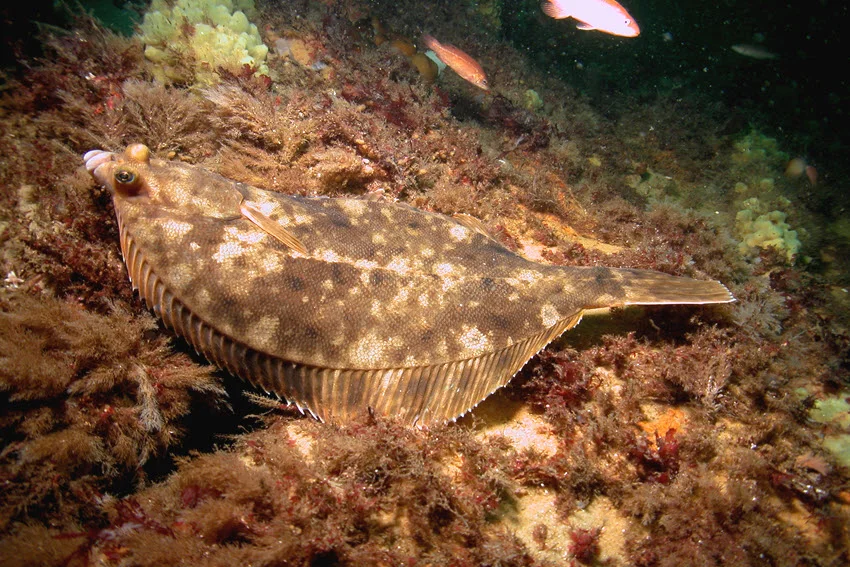
Winter Flounder are smaller than Summer Flounder. This fish has a flat, oval body with both eyes on the right side. Their upper surface is brown to olive, sometimes with reddish or yellowish shades. They feed on worms, small crustaceans, shellfish, and bottom-dwelling fish.
Winter Flounder can reach about 18 inches in length and weigh between 2 and 3 pounds. They live up to about 12 years, which is shorter than the Summer Flounder's lifespan, but still a good lifespan. Their size makes them easy to handle for most anglers while still offering a fun and worthwhile catch.
Winter Flounder are usually found at depths ranging from 5 to 40 feet. They inhabit the colder waters of the North Atlantic, particularly from Maine down to New Jersey.
These fish prefer shallow coastal waters, estuaries, and bays with muddy bottoms, which provide camouflage and abundant prey.
The prime season for Winter Flounder is early spring, when they move into shallow waters to spawn. During this period, they are more active and easier to locate near shorelines. Their activity decreases as water temperatures drop in late fall, making early spring the most productive time to target them.
Winter Flounder feed often at low-light periods (early morning and late afternoon), which is why it's recommended to fish during this period.
Light to medium-weight spinning rods with 4 to 8-pound test line are suitable for Winter Flounder. Using sensitive rods helps anglers feel subtle bites, which is essential because Winter Flounder often strike gently.
Anglers should use small hooks, typically sizes 6 to 10, and live baits such as bloodworms, sandworms, or small clams. Keeping the bait near the bottom can result in success.
Live baits (bloodworms, small crustaceans, mollusks, and tiny fish) are highly effective. Using fresh, lively bait is recommended to attract Winter Flounder because it resembles the natural movement and scent of their prey in the water.
Artificial baits that imitate these prey items can also be successful. Bottom rigs with subtle movement often entice Winter Flounder to strike.
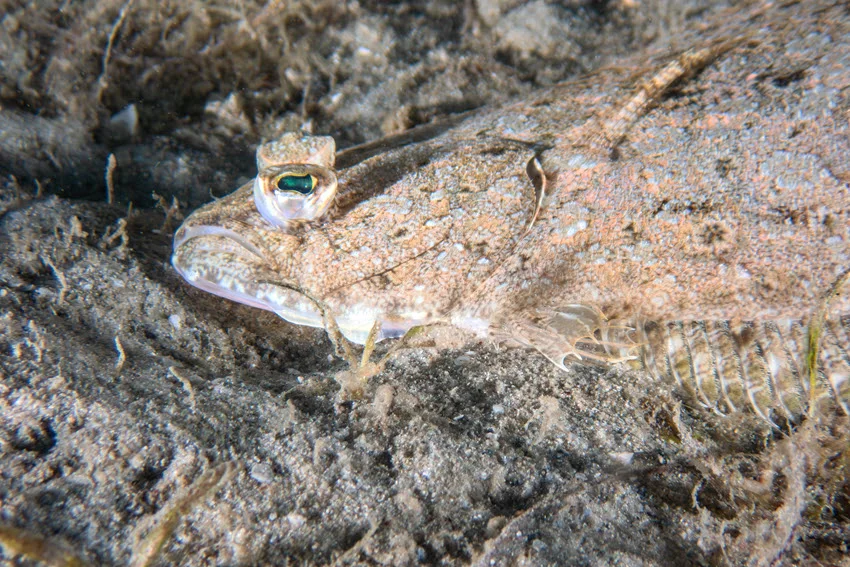
Southern Flounder are the largest of the three species and have eyes on the left side of their bodies. They have a flat and broad body that is olive-brown with dark and white spots. They feed primarily on smaller fish, shrimp, and crabs. They lie on the seafloor most often.
Southern Flounder grow up to 30 inches long and weigh between 10 and 15 pounds. These fish generally live up to 6 years in the wild.
Southern Flounder swim at depths of 5 to 20 feet. They thrive in shallow coastal waters, estuaries, and mudflats along the Gulf of Mexico and the South Atlantic coast, ranging from Texas to North Carolina.
These areas offer ample cover, making them ideal habitats for hunting and for hiding from predators.
The peak fishing season for Southern Flounder is late summer to early fall when water temperatures are warmer. Anglers often report great catches at these times of the year.
Night fishing is considered the prime period to catch them, particularly during incoming tides. Fishing during these hours is often productive, as Southern Flounder feed more actively in low-light conditions.
Medium to heavy-spinning rods with 10- to 20-pound test line are recommended for targeting Southern Flounder.
Jig heads combined with soft plastic baits (shrimp or mullet imitations) help keep bait near the bottom where these Fatfish lie. This method resembles the natural prey and attracts feeding fish.
Live baits (shrimp, small menhaden, or anchovies) are very effective. Fresh bait is very effective for Southern Flounder. That is because it closely mimics the movement and scent of their natural prey.
Artificial soft plastics that resemble these prey items in color and size can also entice Southern Flounder to strike, attracting anglers who enjoy catching them.
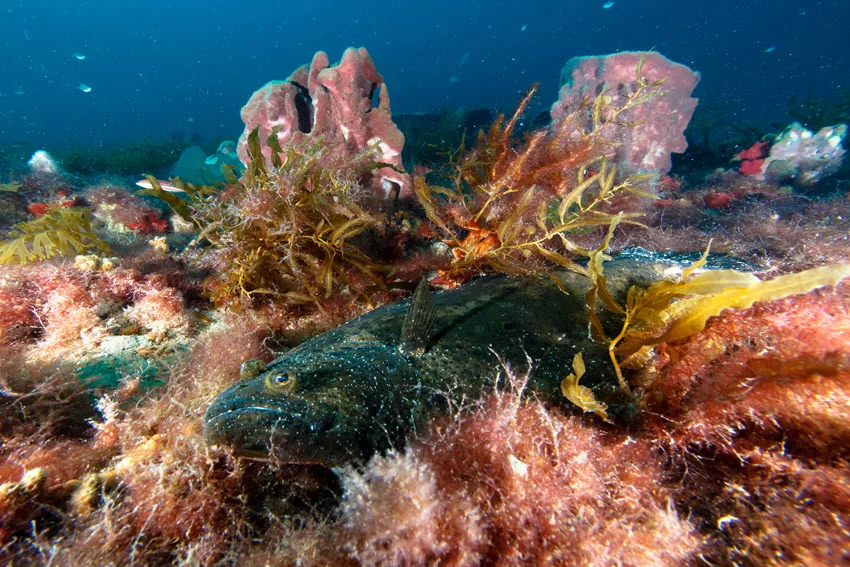
Gulf Flounder are flatfish with both eyes located on the left side of their bodies. It has olive-brown coloration with small spots on its body. These fish feed primarily on small fish, shrimp, and crabs.
This fish can grow up to 24 inches long, with an average weight of 6 to 10 pounds. Males live 8 to 11 years, while females live up to 7 years.
You can find these fish in different places. Most often, they thrive in shallow coastal waters, estuaries, and bays along the Gulf of Mexico and southern U.S. coasts.
It is recommended to try to catch them near structures (jetties, docks, and rocks). These places offer shelter for prey. Gulf Flounder swim at depths between 5 and 20 feet.
The peak season for Gulf Flounder is during the warmer months, especially from late spring through early fall.
Daily prime time is during incoming tides and periods of low light, so fishing during these times is highly recommended.
Medium spinning rods with 10 to 20-pound test line are recommended for targeting Gulf Flounder. Using a rod with good sensitivity lets you feel the subtle bites of these ambush predators, which often strike lightly.
Weighted rigs or jig heads combined with soft plastics or live bait (shrimp and small fish) are ideal. This setup keeps the bait near the seafloor, where Gulf Flounder lie in wait, and mimics the natural prey.
Live shrimp, small fish, and crabs are the most effective baits for Gulf Flounder. Using fresh, lively bait could attract strikes because it closely mimics the movement and scent of their natural prey. These baits are especially effective when presented near the bottom where Gulf Flounder lie in wait.
Artificial soft plastics that resemble these prey items in size and color can also entice strikes. Varying the bait presentation slightly often triggers bites from hesitant fish.
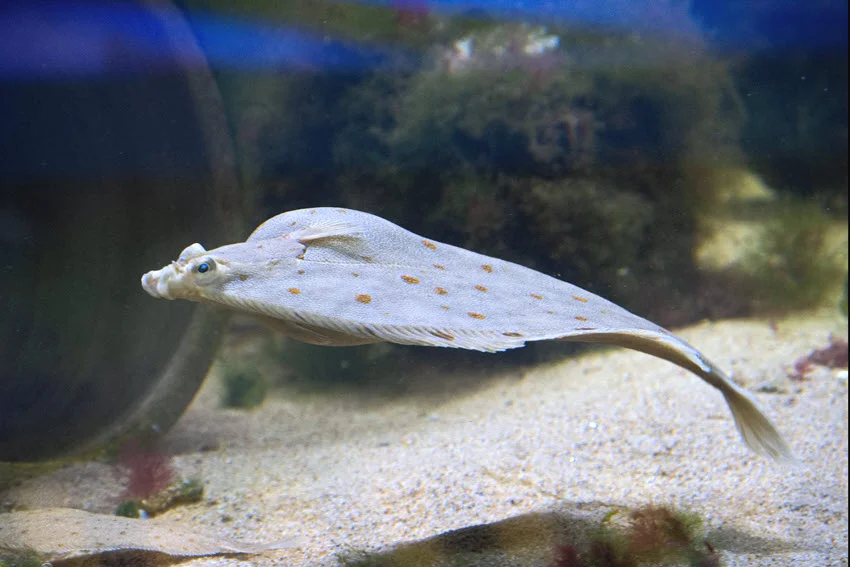
European Flounder have a flat, oval-shaped body with both eyes on the right side in most individuals. Their brown to gray coloration with irregular darker spots provides camouflage on sandy seafloors. They eat small fish, worms, and crustaceans.
European Flounder grow up to 20 to 24 inches in length and weigh around 4 to 8 pounds. This type of Flounder can live up to 15 years.
European Flounder swim in shallow coastal waters, estuaries, and river mouths. They prefer muddy bottoms where prey such as small fish and crustaceans are abundant.
These fish often stay near submerged structures or natural features that offer both cover and feeding opportunities.
Peak fishing for European Flounder usually occurs in spring and summer when water temperatures rise. So, try your luck at these parts of the year.
Fishing during incoming tides and low-light periods could be very productive. Fishing at these times works best because that's when they usually feed.
Medium-light spinning rods with 6 to 12-pound test line are suitable for European Flounder. A sensitive rod lets anglers feel even small bites, as European Flounder tend to bite very gently.
Bottom rigs with small hooks and live baits (worms or small fish) work best. This setup keeps the bait near the seafloor where the fish wait.
Live worms, small crustaceans, or small baitfish are highly effective for European Flounder. Using fresh, lively bait can be productive. Presenting the bait near the seafloor, where European Flounder lie in wait, can significantly improve success rates.
Soft plastic lures that are similar to these prey items can also attract European Flounder. Adjusting bait size and color to match local forage often improves success.
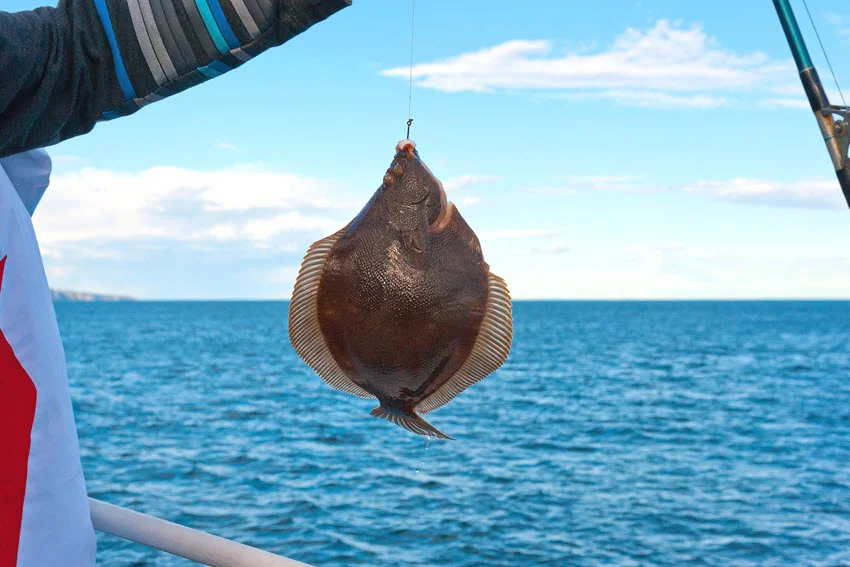
Flounders spend most of their time lying flat on the seafloor. For this reason, it's important to put your bait close to the bottom. Using a rig that keeps the bait slightly above the sand allows the fish to see it clearly without disturbing the bottom too much. Slow movements often work better than fast or aggressive retrievals.
Tides and water movement play a significant role in Flounder fishing. Many anglers find the best results during incoming tides or when the current pushes food towards the Flounder.
Effective bait is essential. Live bait tends to attract Flounder better than artificial lures. Additionally, soft plastics similar to natural prey work well, especially when matched to the size and color of local forage. Varying your bait presentation slightly can trigger bites from hesitant fish.
These fish may lie motionless for long periods, so patience is important when targeting Flounder. Learning how other anglers are fishing can improve your chances. Remembering that Flounder often feed more actively at certain times of day can help you plan longer, more productive fishing sessions. Follow these tips and you will be on the right track to success.
Understanding fishing regulations and preserving specific fish species contributes to protecting fish populations and ecosystems and promoting responsible angling practices.
Anglers Booking Team
When preparing for fishing, you focus on equipment, lures, and other essentials. However, there are some other things you need to know. These are safety and regulations.
Fishing for Flounder can take place from shore, piers, or boats, so it can sometimes be risky. Proper safety precautions will reduce accidents. Below are important safety tips. Don't miss it!
Following these tips reduces the risk. Also, it lets you focus on catching Flounder without stress.
Learn local rules before heading out. For example, if you are fishing in Florida, you should check the FWC official site. Below are some essential facts related to the regulations.
Following the rules protects Flounder and lets people fish for them in the future. If you do not respect the regulations, you will have to pay a fine.
Flounder fishing is a fantastic activity for anglers of all skill levels. These flatfish are sneaky, fun to chase, and always put up a good fight. Each type, whether it's a Summer, Winter, Southern, Gulf, or European Flounder, has its own charm, so there's always something new to learn every time you throw your line.
The key to catching them is patience. Go when the water's right, keep your bait near the bottom, and stay alert for that subtle bite. If you have carefully followed the tips and advice from our guide, there is no doubt that you are on your way to being successful in Flounder fishing.
So, what about you? Have you ever tried fishing for Flounder? Do you have a favorite bait or spot that never lets you down? Drop your thoughts in the comments! We are happy to see your answers!

The expert copywriters at Anglers Booking have meticulously crafted this article. Our dedicated team of writers provides valuable insights and information to enhance your angling experience.

March 27, 2025

May 24, 2025
Subscribe to our newsletter and receive a selection of cool articles every week.
Embark on unforgettable fishing adventures with us at Anglers Booking.
book your charter
August 21, 2026
August 18, 2026
August 15, 2026
August 12, 2026
August 8, 2026
August 4, 2026
April 17, 2026
April 13, 2026

You're now part of our exclusive community. Get ready for premium content and updates straight to your inbox.
close
Subscribe to our newsletter and receive a selection of cool articles every week.
Please enter a valid email address.
Be the first to know when we're back in action.
Please enter a valid email address.
Leave a Comment
Your email address will not be published. Required fields are marked *
Thank you for your comment! It has been submitted for review and will appear on the site shortly.