Types of Freshwater Fish: How and Where to Catch

Updated on October 14, 2026
time to read 9 minutes read

A Bass holding under a dock, a Trout feeding in a riffle, and a Catfish cruising a river channel each call for a different approach. Freshwater fishing starts with recognizing which fish live in the water you can reach and what keeps them there.

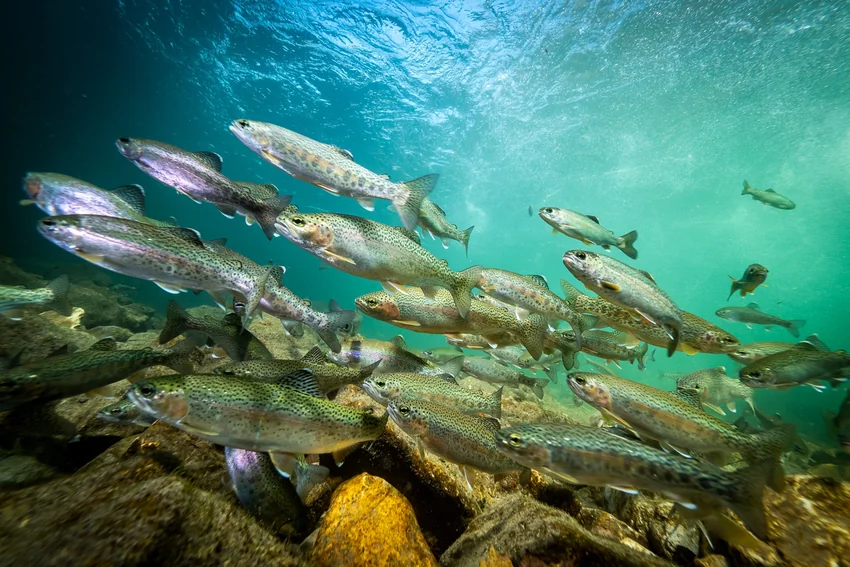
Rainbow Trout swim above a rocky bottom in clear water, with sunlight filtering through the surface and illuminating their spotted bodies.

This guide covers familiar freshwater targets across the United States, where to look for them, and practical ways to get started. The species available will depend on your region, the waterbody, and local stocking or management programs.

Understanding Freshwater Fish Habitats

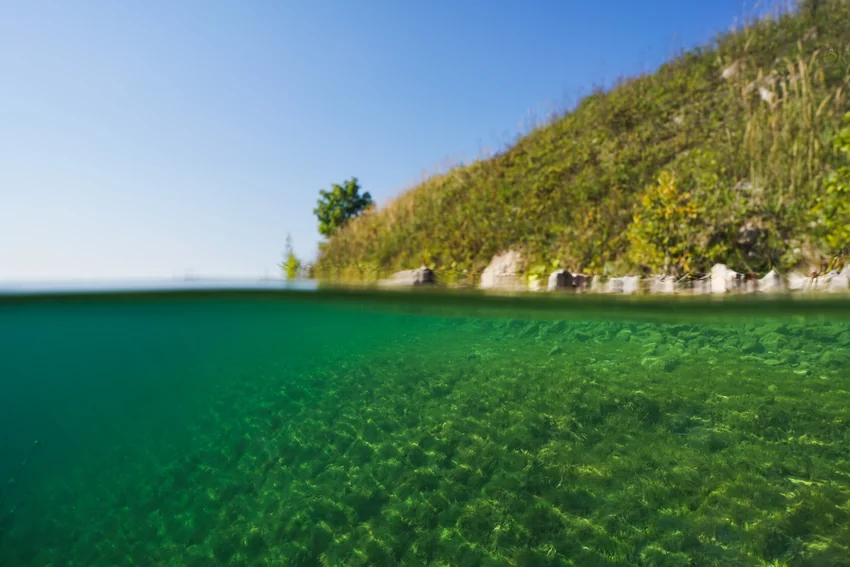
Split-level view of a lake showing a wooded shoreline above the surface and a shallow rocky bottom beneath clear green water.

Temperature, oxygen, current, and cover shape freshwater habitat. Trout need cool, well-oxygenated water, while Largemouth Bass often use vegetation or wood to ambush prey. A deep hole is only useful if it also provides suitable conditions and access to food.

Habitat changes through the year. Rising water can open flooded shoreline cover, summer heat can push fish toward cooler areas, and falling temperatures can shift feeding toward deeper water. Treat yesterday's productive spot as a starting point, not a permanent location.

Common Freshwater Fish Species

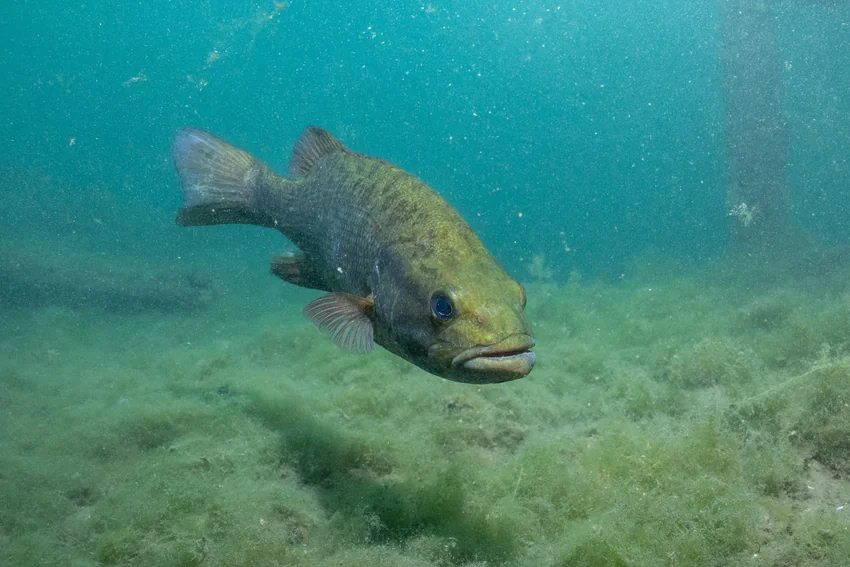
Largemouth Bass swims above a rocky lake bottom, with its broad mouth, dark side stripe, and fins visible in green water.

The following fish are familiar recreational targets in many parts of the country, although their ranges differ. Each entry pairs a likely holding area with a presentation you can try; local conditions will determine which option makes sense.

  • Largemouth Bass: Search lakes, ponds, and slow-moving rivers for vegetation, docks, fallen trees, and other cover. Cast soft plastics close to these features, or use a spinnerbait to search along weed edges. Let the available cover guide your lure choice and approach.
  • Smallmouth Bass: Look around rocky banks, gravel transitions, points, and current breaks in rivers and lakes. Tubes, small jigs, and crayfish-style lures can work near the bottom. In moving water, cast so the presentation reaches the fish without being swept past too quickly.
  • Trout: Cold streams and suitable lakes support species such as Rainbow, Brown, and Brook Trout. Work pools, seams, and undercut banks with small spinners, drifting nymphs, or locally permitted bait. Avoid disturbing clear water, and check restrictions before choosing bait or fishing a designated Trout stream.
  • Walleye: Focus on points, drop-offs, rocky structure, and river current seams. Low light often favors feeding, but depth and water clarity matter too. Try a jig with a minnow or soft plastic near the bottom, or troll a suitable crankbait to cover a larger area.
  • Northern Pike: Weed edges, bays, and areas near baitfish are useful places to search. Spoons, spinnerbaits, and larger swimming lures can draw strikes from these ambush predators. Use a bite-resistant leader and suitable handling tools for their sharp teeth.
  • Catfish: Species differ, but river holes, channel edges, wood, and nearby feeding flats are common starting points. Offer worms or cut bait where legal, using enough weight to hold the bait in the intended area. Catfish may feed above the bottom, so avoid treating every species as a strictly bottom-feeding fish.
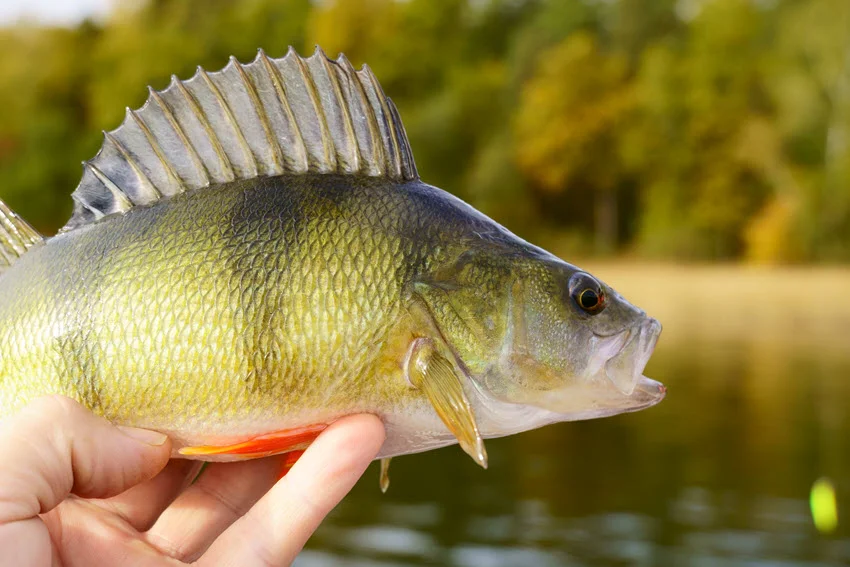
  • Panfish (Bluegill, Crappie, and Perch): These fish offer accessible opportunities around docks, vegetation, brush, and other cover. Small jigs and worms suit many situations. Bluegill may hold close to shore, while Crappie and Perch can form schools farther out or at a particular depth.

Choose one target for your first outing instead of trying to catch every species with the same rig. A local fisheries report can help narrow the choice to fish that are present and active in the water you plan to visit.

How to Catch Freshwater Fish

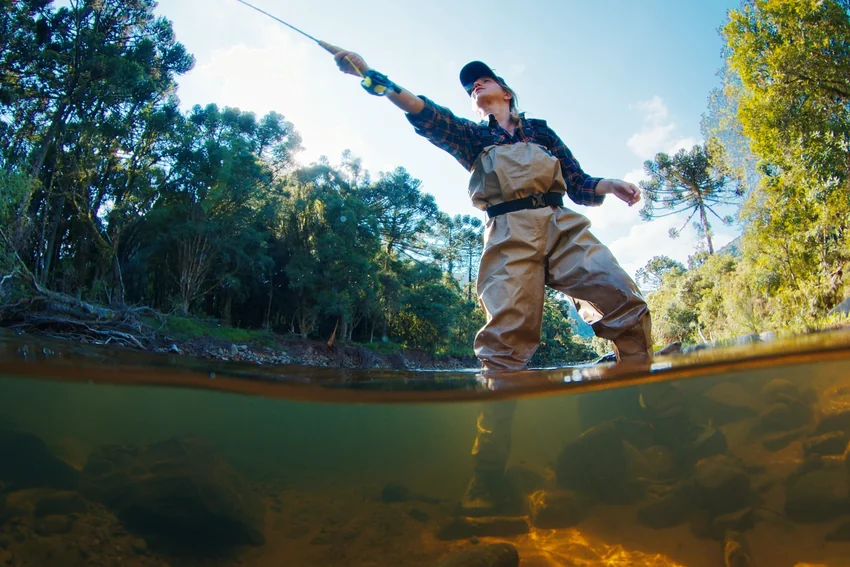
Angler wearing chest waders casts a fishing rod in a shallow river, with trees along the bank and rocks visible underwater.

A useful presentation reaches the depth where fish are holding and moves at a speed they will respond to. Begin with one manageable method, then change depth or retrieve speed before replacing every piece of tackle.

  • Casting and Retrieving: Work a lure along cover or across a likely feeding area. A spinnerbait can search a weed edge, while a small jig can probe a rocky bank. Pause or slow the retrieve when fish follow without striking.
  • Bottom Fishing: Place bait or a suitable rig near a channel edge, hole, or other bottom feature. Use only enough weight to maintain control, and avoid burying the presentation in soft sediment. This approach can suit Catfish and some Walleye situations.
  • Drift Fishing: Allow bait or a fly to travel with the current through a pool or seam. Control slack so you can detect a bite without dragging the presentation unnaturally. Adjust weight when the rig passes too high or repeatedly snags.
  • Still Fishing: Suspend a small bait beneath a float or leave a baited rig in a selected spot. Set the depth to match the fish rather than placing every bait on the bottom. Float fishing with worms is a practical starting method for Bluegill.

Make one adjustment at a time and note the response. If a likely area produces no bites, test another depth or nearby piece of cover before assuming the whole lake or river is unproductive.

Where to Find Freshwater Fish

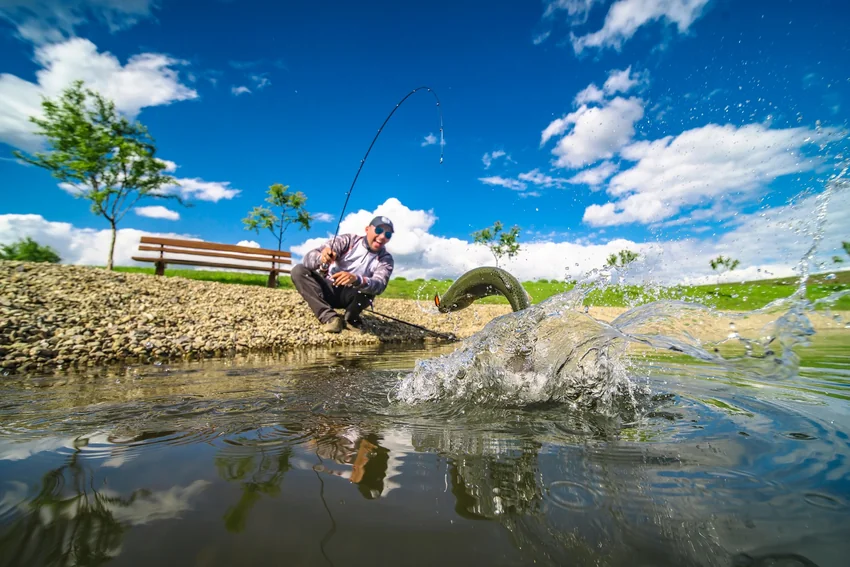
Angler fishes from a grassy shoreline with a spinning rod, while a hooked fish splashes near the surface beside the bank.

Once you know which species to target, look for features that concentrate food or give fish shelter from current and predators. A visible shoreline feature may continue underwater, so points, bank changes, and fallen trees can help you choose your first casts.

  • Lakes and Reservoirs: Explore points, weed lines, brush, and changes in depth. Fishing from shore, work accessible cover before casting as far as possible. From a boat, use depth information to locate nearby drop-offs. A guided fishing charter can help anglers learn unfamiliar water and local techniques.
  • Rivers and Streams: Compare fast water with adjacent pockets of slower flow. Fish may hold behind rocks, along seams, or near the head and tail of a pool. Rising or muddy water can change which bank features are worth fishing.
  • Ponds: Start around shaded banks, vegetation, and any deeper water you can identify. Approach quietly and keep casts away from people using the shoreline. Confirm permission before entering private property.
  • Cold-Water Streams: Examine pools, riffle edges, and undercut banks for Trout habitat. Fish need feeding opportunities as well as refuge, so look where current delivers food beside a sheltered holding position. Avoid fishing when warm conditions put Trout under stress.

Check access before choosing a spot, including parking, bank entry, and any seasonal closures. A promising stretch of water is only a practical option when it can be reached legally and safely.

Best Times for Freshwater Fishing

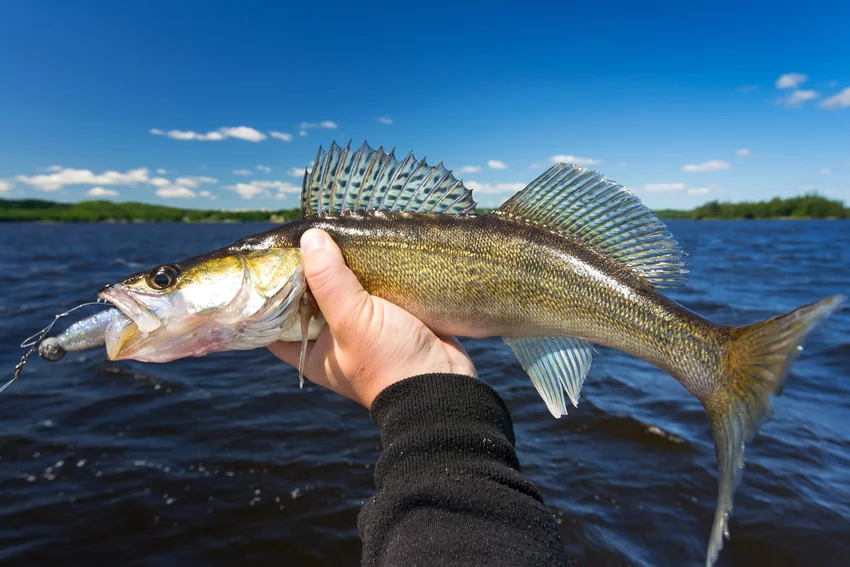
Angler supports a freshwater fish above the water, showing its raised spiny dorsal fin, spotted sides, and pale belly against the lake.

There is no single best season for all freshwater fish. A northern Walleye lake and a southern Bass pond follow different schedules, and local water conditions often matter more than the calendar alone.

  • Water Temperature: Track warming and cooling trends rather than relying on air temperature. A sudden change can alter where fish hold and how quickly they respond. Match your target to water it can tolerate.
  • Spawning Cycles: Some fish move toward shallower habitat around spawning, but timing varies by species and region. Check seasonal protections, and avoid disturbing nests or concentrating effort on vulnerable spawning fish.
  • Seasonal Feeding Behavior: Spring can open shoreline opportunities, summer may favor cooler areas or low-light periods, and fall can concentrate feeding around baitfish. Winter fishing requires slower presentations in many waters and extra attention to access and safety.
  • Trip Timing: Dawn, dusk, or an overcast period may help when bright light limits activity. Recent rain, flow changes, and fishing pressure can also affect an outing. Use local observations to refine your plan.

Keep a simple record of water conditions, depth, and successful presentations. Over several visits, those notes can reveal patterns that a broad seasonal recommendation cannot capture.

Essential Gear for Freshwater Fishing

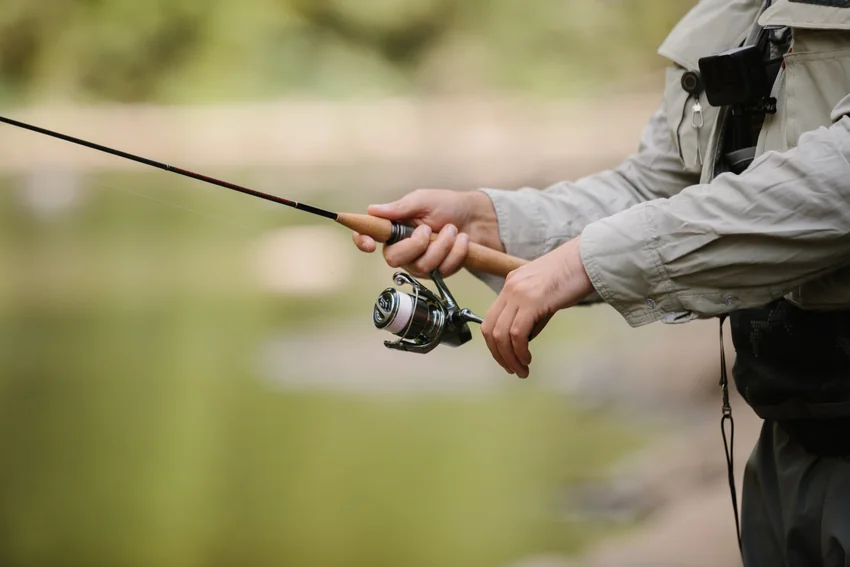
Angler wearing a gray jacket and fishing vest holds a spinning rod and reel beside the water, with both hands on the tackle.

A basic spinning outfit can cover many freshwater situations, but a light Panfish setup will not suit heavy cover or large Pike. Match the tackle to both the fish and the lure or bait you will use.

  • Rods: Choose a rod that can cast the intended lure weight and handle nearby cover. Light tackle suits small Panfish presentations, while heavier lures and dense vegetation call for more power. Check the rod's rating before rigging.
  • Reels: A spinning reel is a straightforward starting option for small lures and float rigs. Set the drag to release line under steady pressure, and choose a reel that balances comfortably with the rod.
  • Fishing Line: Use a diameter and strength suited to lure size, cover, and the target fish. Lighter line can help small presentations, while wood and vegetation may require more abrasion resistance or pulling strength. Add bite protection when targeting Pike.
  • Bait: Worms, minnows, and artificial lures suit different targets and conditions. Check whether live bait is permitted and whether it must come from an approved source. Never release unused bait into a waterbody.
  • Tackle Setup: Carry a small selection of hooks, floats, weights, and lures instead of an oversized assortment. Include pliers and a suitable landing net so you can manage hooks and fish efficiently.

Inspect knots and worn line before fishing, then check them again after snags or contact with rough cover. A simple setup that casts cleanly and presents the bait at the right depth is more useful than extra equipment you do not know how to use.

Fishing Regulations and Responsible Handling

An illustration of ocean waves in intricate shades of blue, with a yellow line on the left side of the visual, the heading Fishing Regulations and Responsible Handling, and the Anglers Booking logo at the bottom right.

Check the state fisheries agency before heading out. License exemptions, bait rules, harvest limits, and special waterbody restrictions vary, and a general freshwater guide cannot establish the rules for a particular stream or lake.

Handle fish with wet hands, support them properly, and minimize time out of the water. Plan how to land and release the target before casting, especially when fishing for toothy fish or Trout in warm conditions.

Final Thoughts

A productive freshwater outing can start with one species, one accessible spot, and a small selection of tackle. Learn how that fish uses cover and current, then adjust your presentation as the water changes. Consistent observations will help more than searching for a lure that works everywhere.

Which freshwater fish would you like to target next? Share the lake, pond, or river conditions you have found most useful in the comments.

Frequently Asked Questions

Logo

Anglers Booking Team

The expert copywriters at Anglers Booking have meticulously crafted this article. Our dedicated team of writers provides valuable insights and information to enhance your angling experience.

Leave a Comment

Your email address will not be published. Required fields are marked *

Please enter your comments.
Please enter your name.
Please enter a valid email address.

Thank you for your comment! It has been submitted for review and will appear on the site shortly.

Book your next fishing trip

Embark on unforgettable fishing adventures with us at Anglers Booking.

book your charter
Categories

view more
Anglers Booking

Thanks for subscribing!

You're now part of our exclusive community. Get ready for premium content and updates straight to your inbox.

close
Anglers Booking

Connect With Us

Subscribe to our newsletter and receive a selection of cool articles every week.

Please enter a valid email address.

subscribe By subscribing, you agree to our Privacy Policy.