


Anglers Booking Team
The expert copywriters at Anglers Booking have meticulously crafted this article. Our dedicated team of writers provides valuable insights and information to enhance your angling experience.
 11 minutes read
Mackerel are a large group of fish found in oceans around the world. They belong to the Scombridae family, which includes more than 30 different species. These fish are fast swimmers. Their smooth, narrow bodies help them move quickly through the water.
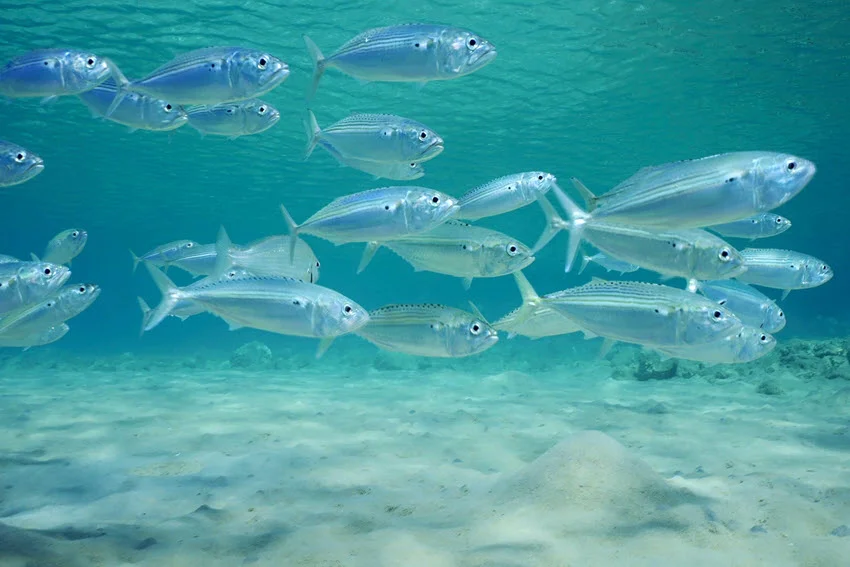
For anglers, this speed makes them a fun challenge to catch. For people who enjoy seafood, Mackerel is valued for its taste. Additionally, this fish offers numerous health benefits. They are rich in omega-3 fatty acids.
Today, you will find out how to distinguish the most popular types of this fish. We will analyze their appearance, habits, and the best gear and bait to catch them. So, are you ready? We certainly are; we are embarking on a new journey!
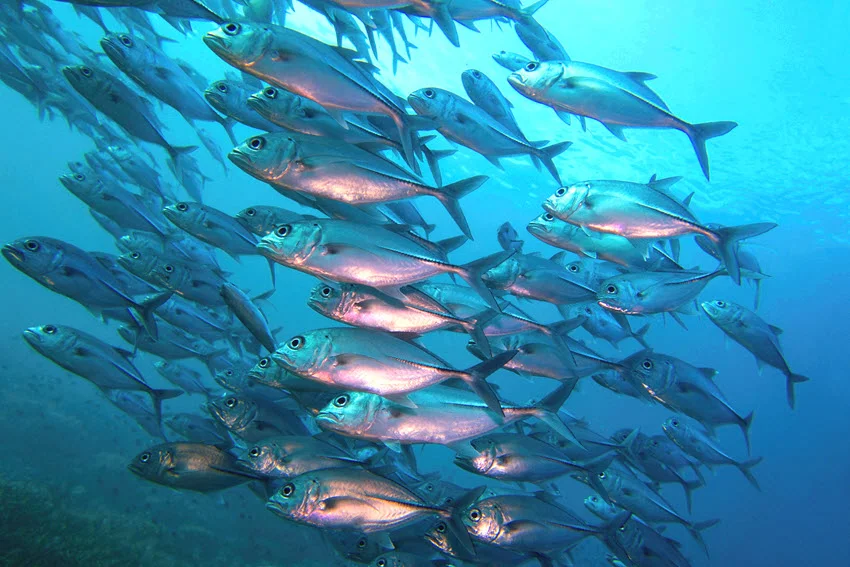
Mackerel are pelagic fish. That means they live in the open sea rather than close to the bottom. They could be found in warm and cold waters. Very often, they form large schools that move quickly together. The most common types of them are Atlantic Mackerel, King Mackerel, Spanish Mackerel, Cero Mackerel, and Chub Mackerel.
Many species feed on small fish, squid, and crustaceans, hunting in groups to corner their prey. Because they reside in large schools near the surface, they play a crucial role in marine food chains. They serve as food for larger predators. Their migratory behavior also means they appear in significant numbers during certain seasons, which is when anglers often target them.
In different regions, Mackerel are also tied to local food traditions, from grilling them fresh to preserving them by smoking, salting, or canning. This mix of availability, taste, and health benefits makes them one of the most crucial fish at sea.
There are several types of Mackerel that fishermen most often encounter. Each species has its own unique appearance, preferred habitat, and best fishing season. Below, we will look at the most well-known varieties one by one.
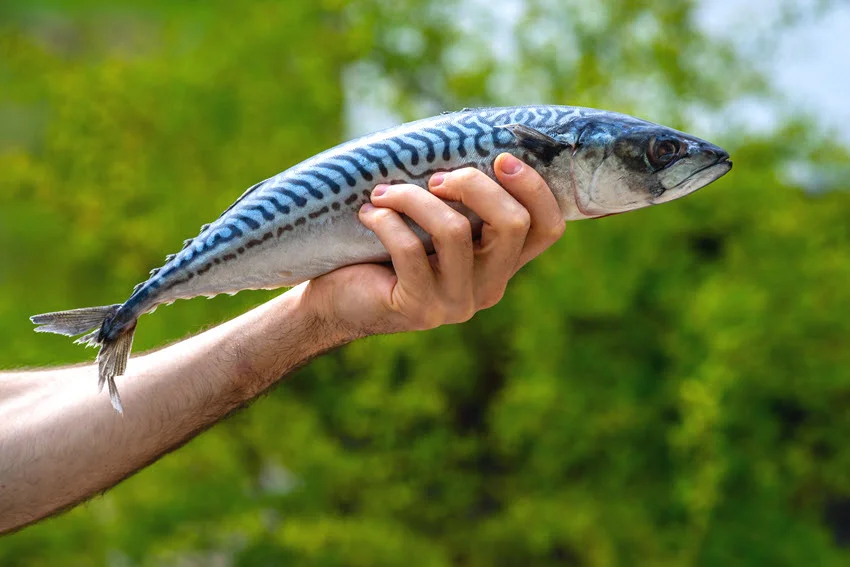
The Atlantic Mackerel has a slim, spindle-shaped body with a bluish-green back, covered in irregular, dark, wavy stripes. The sides are silvery, with a lighter belly, making it easy to spot in schools near the surface. Its two dorsal fins are spaced apart. Additionally, it features small finlets near the tail, similar to those of a Tuna. The fish's streamlined body and forked tail are built for speed, helping it move fast in large schools.
On average, Atlantic Mackerel grow to lengths of about 16 to 18 inches. Some can reach up to 22 inches. Their typical weight ranges from 1 to 3 pounds, with the most prominent recorded individuals slightly exceeding that range. These sizes make them manageable for anglers using light or medium tackle.
Atlantic Mackerel can be found from the surface down to around 660 feet deep. However, for anglers, it is important that most schools remain in shallower waters between 50 and 250 feet deep. They often travel close to shore during warmer months. That makes them accessible to boat and shore anglers.
Geographically, they are found on both sides of the North Atlantic Ocean. In North America, they range from Labrador to North Carolina. In Europe, they stretch from Norway and Iceland down to Spain. Seasonal migrations bring them into coastal waters during spring and summer, and then they move offshore as winter approaches.
The best season to catch Atlantic Mackerel is late spring through summer. During this period, schools move closer to shore to feed and spawn. This is when they are most abundant and active, making them a prime target for commercial and recreational fishermen.
In terms of time of day, mornings and evenings are the most productive. Mackerel tend to feed actively in low-light conditions, chasing schools of smaller fish near the surface. Anglers who fish during dawn or dusk often see more bites compared to the middle of the day.
The average size of Atlantic Mackerel does not require heavy gear. That means you can use light spinning rods or medium setups. A simple feather rig or sabiki rig is effective for catching multiple fish at once.
For anglers fishing offshore or in deeper waters, adding weight to get the lures down to the proper depth is important. A reel with a fast retrieve helps you keep up with these fast swimmers, especially when they strike in schools and you want to bring them in quickly.
Anglers should present baits in mid-water columns where the schools are actively moving. The best baits include small pieces of herring or strips of squid, as well as shiny metal lures that flash in the water.
Artificial lures (spoons and small jigs) are particularly effective, as they imitate the small fish that Mackerel naturally prey upon.
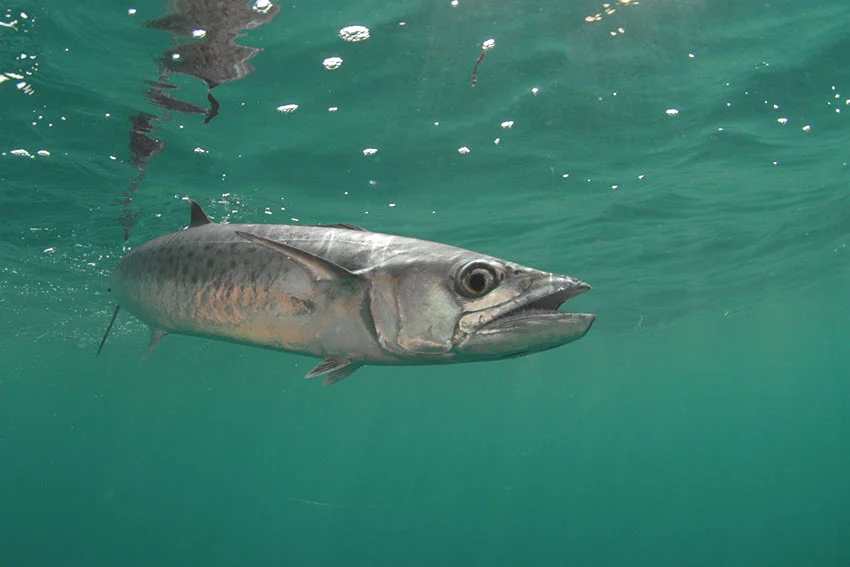
The King Mackerel is one of the largest and most powerful members of the Mackerel family. Its body is long and sleek, built for high-speed chases. It has an iridescent silver color along the sides and a darker bluish-green back. The lateral line drops sharply near the second dorsal fin. This physical characteristic helps distinguish it from Spanish Mackerel. Its forked tail and smooth scales make it a strong swimmer and a worthy opponent for anglers.
This species can grow impressively large. When fishing for King Mackerel, you can catch fish ranging between 24 and 39 inches. Their average weight is 10 to 20 pounds. However, trophy-sized specimens can reach 72 inches and weigh up to 90 pounds. Such sizes place them among the most sought-after game fish in U.S. coastal waters.
King Mackerel are found from the surface down to about 600 feet, though they are most common in waters between 50 and 150 feet deep. They prefer warmer temperatures and thrive in subtropical and tropical zones.
They are abundant along the U.S. Atlantic coast, particularly from North Carolina to Florida, and throughout the Gulf of Mexico. They also occur in parts of the Caribbean and extend farther south along the coasts of Central and South America. Seasonal migrations bring them closer to shore during summer, while they move offshore in cooler months.
The peak season for catching King Mackerel varies slightly by region but generally runs from late spring through early fall. In the Gulf of Mexico, the summer months are exceptionally productive, while on the Atlantic coast, the best fishing often occurs in spring and fall during migration runs.
For daily timing, early morning and late afternoon are usually best. Kings are active predators that hunt schooling baitfish and are more aggressive in lower light conditions.
Because of their size and power, medium-heavy to heavy rods paired with strong reels are recommended for King Mackerel. Wire leaders are essential since their sharp teeth can cut through standard fishing lines. Many anglers use trolling setups with live bait rigs to cover vast areas and find active schools.
For shore or pier fishing, long rods capable of casting heavy lures or bait rigs are useful. A fast retrieve reel helps keep tension on the line when these strong fish make long runs. Ensure your drag system is well-tuned because King Mackerel are known for sudden bursts of speed.
Live bait is considered the most effective choice for King Mackerel. Blue runners, mullet, and menhaden are especially productive, as they are natural prey. Rigging them to swim freely while trolling often draws aggressive strikes.
Artificial lures (spoons, deep-diving plugs, and flashy jigs) can also be effective. They are often used when fished at higher speeds to mimic fleeing baitfish. The key is to use fast-paced, visually appealing presentations that trigger the King's predatory instincts.
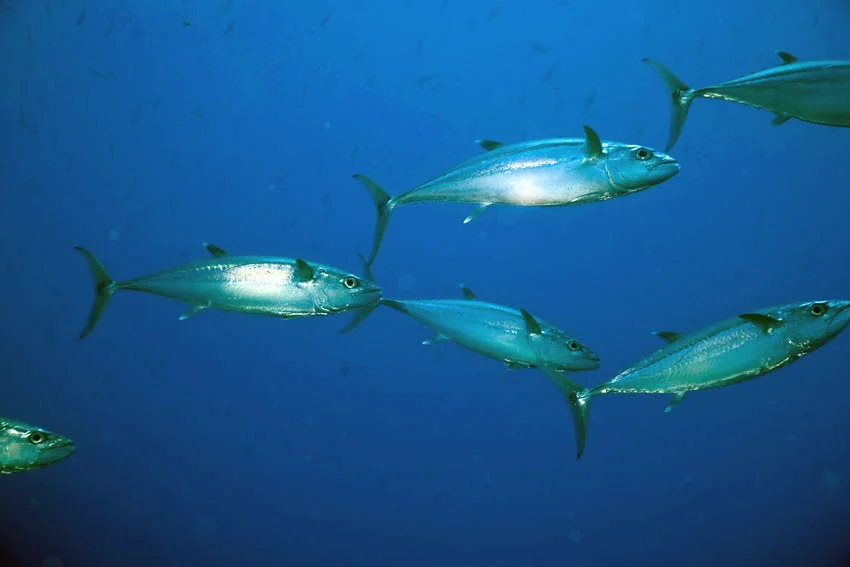
The Spanish Mackerel is smaller than its close relative, the King Mackerel, but just as striking in appearance. It has a slim, torpedo-shaped body that shines silver with a greenish back. Along its sides are bright golden to yellow oval spots, which are the most distinctive feature of this species. These spots remain visible even after capture.
Spanish Mackerel grow up to 19 to 30 inches long. Larger individuals reach close to 36 inches. Their weight ranges from 10 to 12 pounds. While smaller than the King, their speed and fighting ability make them a favorite among sport anglers.
Spanish Mackerel fishing can be successful in the upper layers of the ocean, from the surface down to about 260 feet. They prefer warm coastal waters, often staying near sandy beaches, bays, and estuaries where baitfish are plentiful.
Their range covers the western Atlantic, from the Gulf of Mexico and Florida Keys up the U.S. Atlantic coast as far north as Massachusetts. They are also present around the Caribbean and Central America. Anglers in Panama often catch them near rocky islands and reefs such as those in the Gulf of Chiriquí.
The best season for Spanish Mackerel is spring through early fall. Peak fishing occurs in late spring and summer. During this time, large schools migrate along the coast, creating excellent opportunities for anglers.
As for the time of day, Spanish Mackerel are most active in the morning and evening. They often chase schools of sardines and anchovies. Fishing in low-light conditions can also be productive.
For Spanish Mackerel, you can use light to medium spinning tackle. Fluorocarbon leaders are recommended because these fish have sharp teeth but are line-shy compared to King Mackerel.
For anglers fishing from shore, long rods that can cast far help reach schools just beyond the surf. Reels with smooth drags help manage the sudden runs and jumps that make Spanish Mackerel so exciting to catch.
Spanish Mackerel respond very well to natural baits (sardines, anchovies, and mullet). Strips of squid or cut bait can also be effective when drifted or trolled at the right speed.
Artificial options also work well. Shiny spoons, fast-moving plugs, and small jigs that imitate fleeing baitfish are a great option. The key is to retrieve them quickly, matching the natural speed of the Mackerel's prey.
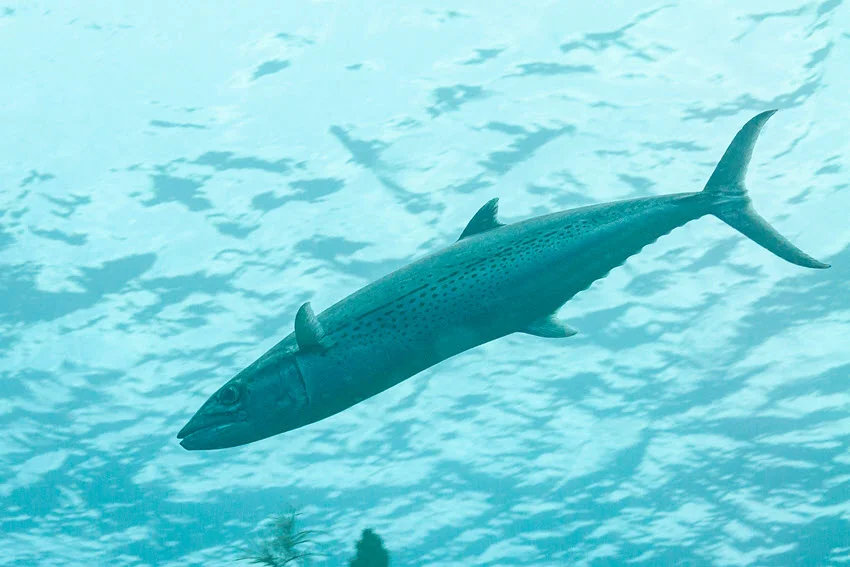
The Cero Mackerel is a vibrant and eye-catching species. This fish is often called the painted or Kingfish Mackerel. It has a long, slender, and streamlined body. Its coloration is striking: a blue-green back with shiny silver sides, marked by golden-yellow stripes running lengthwise along its body, mixed with scattered yellow spots. These patterns give the Cero a unique look that helps it blend with reefs and sea plants.
Most Cero Mackerel measure between 18 and 36 inches long and weigh between 5 and 15 pounds. While some reports mention they can grow to 60 inches or more, they are usually smaller than King Mackerel.
Cero Mackerel live from the surface down to around 200 feet. However, they are most often caught in shallower coastal waters between 20 and 100 feet deep. They prefer warm, clear, subtropical waters where baitfish are abundant.
Their distribution extends across the western Atlantic, from South Florida and the Bahamas through the Caribbean to Brazil. They are often spotted around coral reefs, rocky outcrops, and offshore islands, where schools of baitfish provide steady feeding grounds.
The best season for catching Cero Mackerel is during the warmer months, though they may remain active year-round in tropical regions. In Florida and the Caribbean, peak fishing often aligns with seasonal baitfish runs close to shore.
For the best daily success, anglers target them in the early morning and late afternoon. These times coincide with their most active feeding periods, as they hunt smaller fish in shallow and mid-water zones.
Light to medium spinning gear works best for Cero Mackerel, since they are smaller and more agile than King Mackerel. Anglers often prefer fluorocarbon or light wire leaders to prevent bite-offs, as their teeth are sharp, but they are more cautious than some of their larger relatives.
When fishing around reefs and nearshore waters, fast-spinning reels and small trolling rigs are especially effective. A responsive drag system is helpful to handle their quick, darting runs.
For Cero Mackerel, you can use sardines, pilchards, or small herring. These live baits are highly effective, as they closely resemble their natural prey. Free-lining or lightly weighted rigs often produce the best results in clear water.
Shiny spoons, small plugs, and fast-retrieved jigs stand out as the best artificial lures for this fish. The key is to use fast-moving, flashy presentations that trigger their instinct to chase and strike.
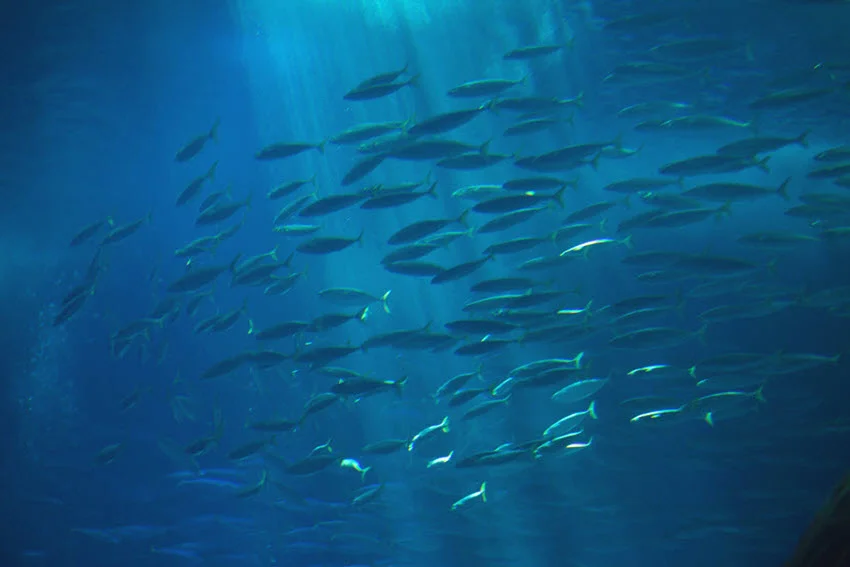
The Chub Mackerel has a strong, torpedo-shaped body designed for constant movement. Its back is dark blue to greenish, fading into a silvery belly, with irregular vertical stripes running down its sides. These markings provide camouflage in the open ocean. Its forked tail and smooth, streamlined body make it a fast swimmer and an effective hunter.
This species usually reaches lengths of 10 to 18 inches, though the largest individuals may reach 24 inches. In terms of weight, they average between 1 and 2 pounds. The largest specimens occasionally reach 3.5 pounds.
Chub Mackerel inhabit depths from the surface down to about 1,000 feet. However, they are most often found between 100 and 500 feet. They favor areas where currents bring in plankton and baitfish, usually forming large schools that are easy to spot by surface activity and diving seabirds.
Their distribution is broad, covering both the Atlantic and Pacific Oceans. In the Atlantic, they are found from Europe and North Africa across to the eastern coast of the Americas. In the Pacific, they are often caught along the shores of California and Japan, as well as throughout the eastern Pacific.
The best fishing season for Chub Mackerel varies by region. However, they generally peak in spring and summer when they migrate closer to coastal waters to feed and spawn. During these periods, their schools become denser and more accessible to anglers.
They tend to feed most actively during the early morning hours. Late afternoon or nighttime fishing with lights is also a good time to catch this fish.
Light tackle is ideal for Chub Mackerel. Their smaller size does not require heavy equipment. Simple spinning rods with small jigs or sabiki rigs are commonly used to catch this fish. For boat anglers, lightweight trolling setups can also work well when schools are located offshore.
A reel with a fast retrieve and a sensitive tip is helpful, since these fish often bite quickly and can be caught in numbers. Many recreational anglers enjoy catching them with ultralight gear for added sport.
Small natural baits (anchovies, sardines, or strips of squid) are very effective for Chub Mackerel. These baits can be fished on small hooks or on rigs designed to imitate schools of baitfish.
Artificial options (small spoons, shiny jigs, and feather rigs) also work well. These fish feed in schools, so once you hook one, it's common to attract several more bites in quick succession.
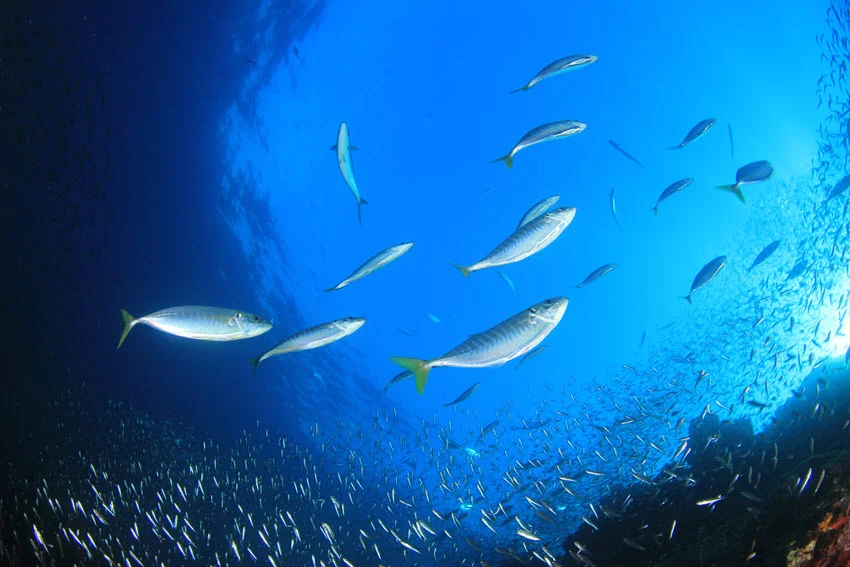
Mackerel are fast swimmers, so using fast-moving lures or quickly retrieving your bait helps mimic their natural prey. Shiny spoons, jigs, and small plugs often trigger strikes because they resemble the flashes of baitfish. If you're fishing with live bait, try small pieces of squid, sardines, or anchovies.
Another tip is to match your gear to the size of the species you're after. For smaller Mackerel, light tackle makes the experience fun and more challenging. For larger species, heavier rods, stronger lines, and wire leaders are recommended.
Fishing during seasonal runs, when they migrate closer to shore in large schools, can also mean nonstop action. Staying patient and moving around until you find the fish often pays off with full coolers and plenty of excitement.
Understanding fishing regulations and preserving specific fish species contributes to protecting fish populations and ecosystems and promoting responsible angling practices.
Anglers Booking Team
When fishing, it's essential to prioritize safety and respect fishing regulations. We discussed this in detail below.
When heading out to catch Mackerel, being prepared will make your trip safer. Here are some simple safety tips.
By following these tips, anglers ensure the focus stays on fishing rather than on unexpected problems.
Mackerel are heavily targeted commercially and recreationally. For that reason, regulations are important for maintaining healthy stocks. Some of the key points are below.
Respecting fishing rules is essential to conserve fish populations, protect ecosystems, and promote sustainable angling practices.
Mackerel fishing brings together the thrill of the chase, the joy of being on the water, and the reward of a healthy and flavorful catch. Whether you are after the smaller Chub Mackerel or challenging the mighty King Mackerel, every species offers something unique.
We'd love to hear from you now. What's your favorite type of Mackerel to catch or cook? We are happy to see your answers.

The expert copywriters at Anglers Booking have meticulously crafted this article. Our dedicated team of writers provides valuable insights and information to enhance your angling experience.

October 14, 2024
Subscribe to our newsletter and receive a selection of cool articles every week.
Embark on unforgettable fishing adventures with us at Anglers Booking.
book your charter
September 8, 2026
August 21, 2026
August 18, 2026
August 15, 2026
August 12, 2026
August 8, 2026
August 4, 2026
April 17, 2026

You're now part of our exclusive community. Get ready for premium content and updates straight to your inbox.
close
Subscribe to our newsletter and receive a selection of cool articles every week.
Please enter a valid email address.
Be the first to know when we're back in action.
Please enter a valid email address.

Leave a Comment
Your email address will not be published. Required fields are marked *
Thank you for your comment! It has been submitted for review and will appear on the site shortly.