


Anglers Booking Team
The expert copywriters at Anglers Booking have meticulously crafted this article. Our dedicated team of writers provides valuable insights and information to enhance your angling experience.
 8 minutes read
One of the most exciting fish to reel in Florida is the Mackerel. Famous for their speed, aggression, and fight, they are a favorite target for anglers. Mackerels can be found both inshore and offshore on the Gulf and Atlantic sides of Florida.
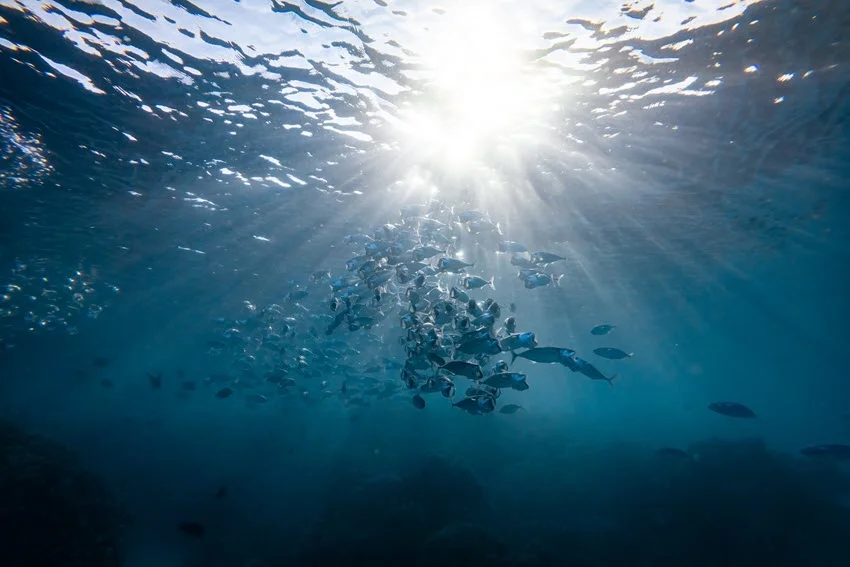
The Florida Fish and Wildlife Conservation Commission (FWC) establishes and updates recreational regulations regarding size and bag limits. For Florida state waters, King Mackerel and Spanish Mackerel are open year-round.
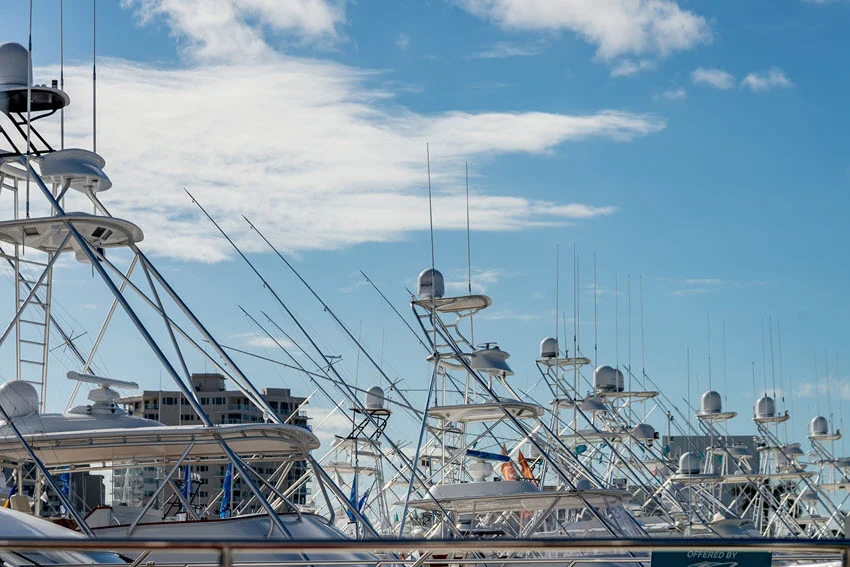
There are two types of Mackerel in Florida that are commonly targeted by anglers. They are King Mackerel (often called "Kingfish") and Spanish Mackerel. Size and bag limits vary by coast, and there is also a King Mackerel bag limit in Monroe County, so it is essential to match the regulations to your fishing spot.
For King Mackerel fishing, the minimum length is 24 inches fork length. Each person can keep two fish per day on the Atlantic coast, except in Monroe County, where the limit is three fish per harvester. Spanish Mackerel must be at least 12 inches fork length, with a daily bag limit of 15 fish.
King Mackerel on the Atlantic side often roam near offshore reefs, wrecks, and current lines. Spanish Mackerel stay nearshore, chasing bait along the beaches.
Popular Atlantic fishing spots include Jacksonville, Daytona Beach, Fort Pierce, and Miami. These waters offer consistent action thanks to steady Mackerel migration along the coastline.
The main thing to remember is the bag and size limits. King Mackerel: 24 inches fork length minimum; three fish per harvester per day in Gulf state waters and Monroe County. For Spanish Mackerel: 12 inches fork length minimum; 15 fish per harvester per day.
King Mackerel swim offshore, especially around reefs, wrecks, and deep ledges where baitfish gather. Spanish Mackerel stay closer to the beaches, piers, and inlets.
The Gulf region includes the Panhandle, Tampa Bay, the Big Bend, and Southwest Florida. You can find excellent Mackerel action throughout the year here.
These regulations are important for supporting sustainable harvest by reducing harvest and ensuring that smaller fish are left in sufficient numbers to reach maturity. King and Spanish Mackerel grow quickly, but they are overfished because many anglers pursue them.
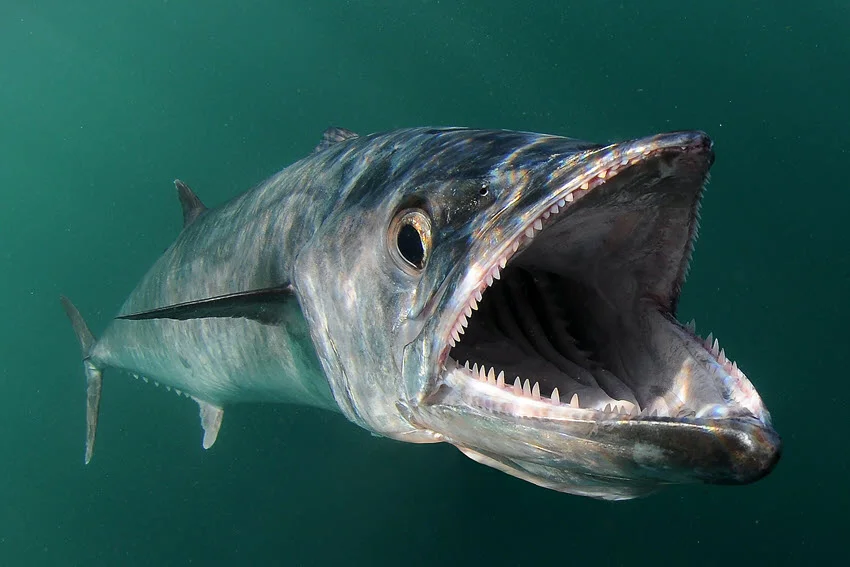
Mackerel are sleek, fast-moving fish, and they hunt small baitfish such as sardines, anchovies, and threadfin herring. Their aggressive feeding makes them perfect targets for trolling, casting, or live bait fishing.
They are most active in warmer coastal waters and often track baitfish and currents along Florida beaches and nearshore structure. During the spring and fall, these schools move along Florida's coasts, offering some of the most exciting action of the year.
King Mackerel grow much larger than Spanish Mackerel. King Mackerel can exceed 50 pounds, while Spanish Mackerel are typically much smaller. Both species are prized for their speed, challenge, and excellent table quality when handled properly.
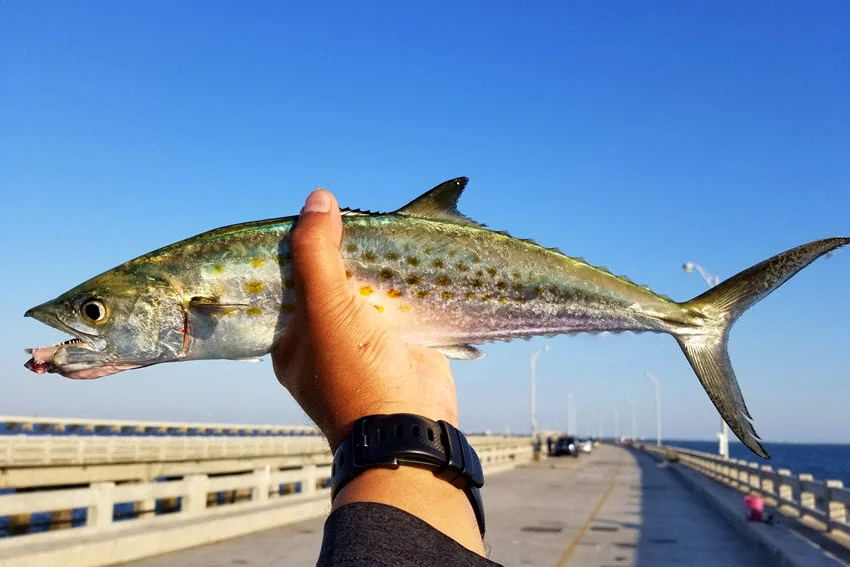
Mackerel can be fished throughout the year, but the best periods are spring and fall, when big schools migrate near the shore. During warmer periods, feeding is more active, and conditions are favorable for trolling and casting.
These patterns can serve as a starting point, then be adjusted based on the day's bait, wind, current, and water clarity. If the bait is not showing, keep moving until you find active fish.
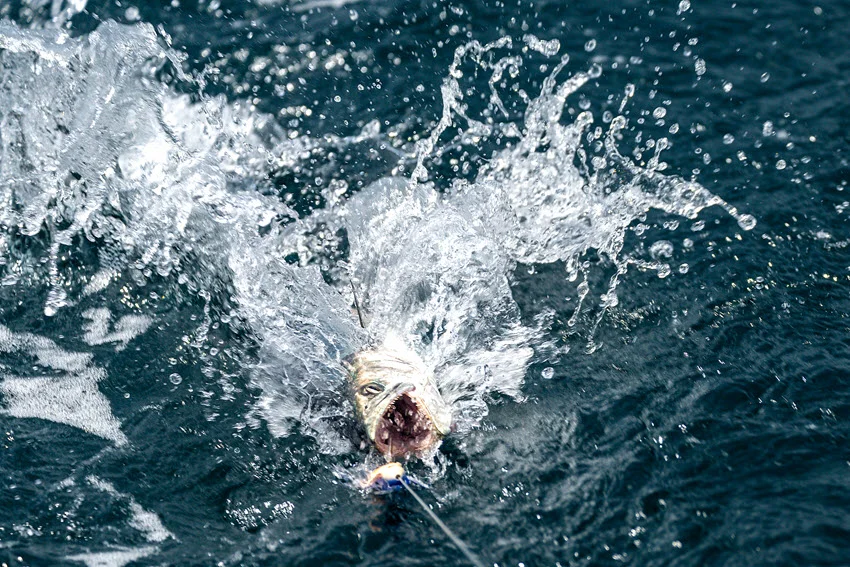
In the previous section, we learned when to fish for Mackerel. Here are the good starting points. Local bait and weather conditions still determine where the bite will be every week.
Regardless of where you are fishing, checking local fishing reports or talking to local tackle shops will give you an idea of where the Mackerel are active for the week.
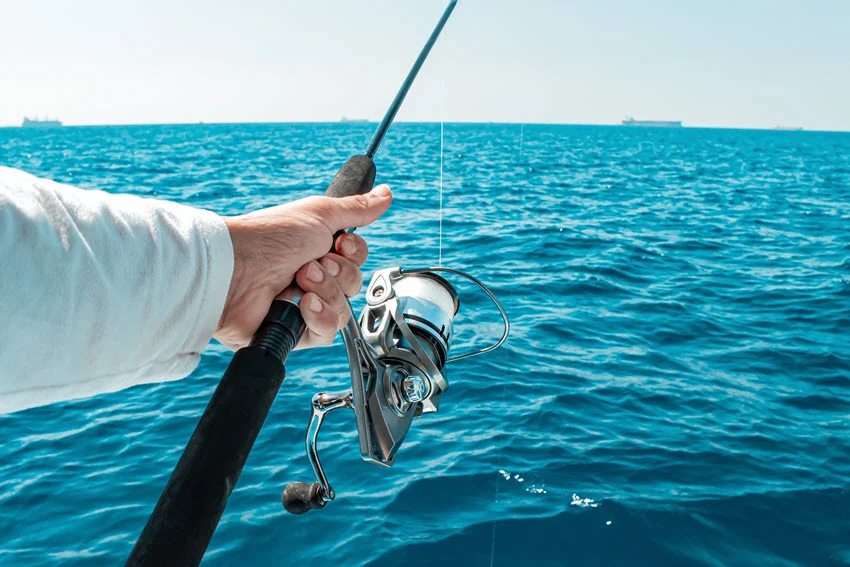
To enjoy successful fishing for Spanish Mackerel or King Mackerel, you will need the right gear. Mackerel are fast and strong, with sharp teeth, so your setup needs to be ready.
Using the right tackle helps you hook more fish and land them faster. A quicker fight is easier on the fish if you plan to release it. It also makes clean hooksets and safe releases much more consistent.
Understanding fishing regulations and preserving specific fish species contributes to protecting fish populations and ecosystems and promoting responsible angling practices.
Anglers Booking Team
Before fishing for Mackerel in Florida, it is essential to obtain the proper fishing licenses. Fishing responsibly protects fish populations. Generally, a saltwater fishing license is required for most fishing activities in Florida, unless you qualify for an exemption.
The sale of saltwater fish must be done with the right license. You can only keep fish for recreational purposes if you have the right license. However, the regulations may change, so check out the official FWC pages before you go fishing.
Release the fish quickly and carefully. Use a dehooker or long-nose pliers and avoid placing your hands near the fish's teeth and gills. This will improve the fish's chances of survival.
If the fish is to be eaten, put it on ice immediately. The proper tackle and proper gear are necessary for the safety of the fish to ensure that the Mackerel population stays abundant.
If you are interested in catching some Mackerel in Florida, you are in luck because it offers fast action and good eating! By following the rules and using the right equipment, you will have a great time fishing and help to sustain the fishery.
Where do you like to catch Mackerel in Florida? Share your answers below; they could be very useful to our readers.
Disclaimer: Fishing regulations and open seasons may vary by region and are subject to change. The information in this guide is for general reference only. Inform yourself about the latest fishing rules, size limits, and season dates on the official websites of the state or federal government before your trip.

The expert copywriters at Anglers Booking have meticulously crafted this article. Our dedicated team of writers provides valuable insights and information to enhance your angling experience.
August 12, 2026
February 23, 2026
Subscribe to our newsletter and receive a selection of cool articles every week.
Embark on unforgettable fishing adventures with us at Anglers Booking.
book your charter
October 2, 2026
September 8, 2026
August 21, 2026
August 18, 2026
August 15, 2026
August 12, 2026
August 8, 2026
August 4, 2026

You're now part of our exclusive community. Get ready for premium content and updates straight to your inbox.
close
Subscribe to our newsletter and receive a selection of cool articles every week.
Please enter a valid email address.
Be the first to know when we're back in action.
Please enter a valid email address.
Leave a Comment
Your email address will not be published. Required fields are marked *
Thank you for your comment! It has been submitted for review and will appear on the site shortly.