


Anglers Booking Team
The expert copywriters at Anglers Booking have meticulously crafted this article. Our dedicated team of writers provides valuable insights and information to enhance your angling experience.
 5 minutes read
Most anglers head out with a clear target in mind. They understand the species, the depth, the structure, and the conditions they are working with. Over time, patterns form, and expectations become part of every trip.
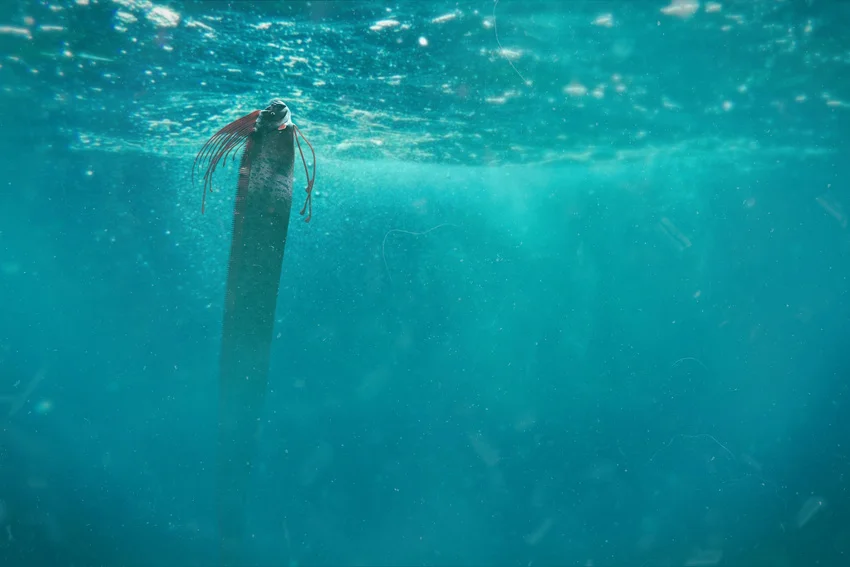
Across U.S. waters, however, there are moments when those expectations break completely. Fish appear where they should not exist, deep-sea species surface near shore, and unfamiliar predators show up in freshwater systems. These are not just rare stories, they are reminders that even well-known fishing environments can behave in ways anglers cannot fully predict.
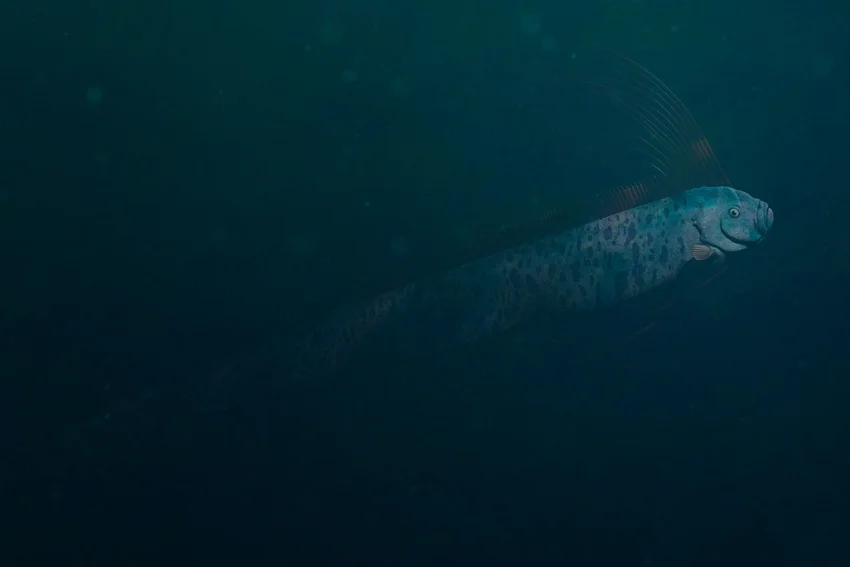
The Giant Oarfish is one of the most mysterious fish species in the ocean, rarely seen because it spends most of its life at significant depths. Researchers at Scripps Institution of Oceanography have documented rare strandings along the Southern California coast, including one described as only the 20th Oarfish documented to have washed up in California since 1901.
These fish can grow over 20 feet long and have a ribbon-like body that looks almost unreal. Their presence near shore is often linked to environmental stress or shifting ocean conditions, although no single explanation fully accounts for why they appear when they do.
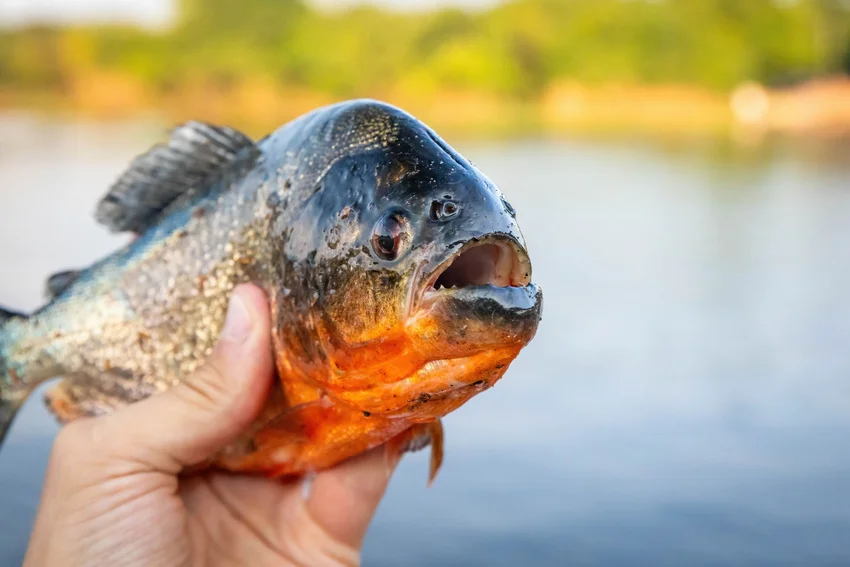
Florida freshwater systems are known for diversity, but few anglers expect to encounter a Piranha. Florida Fish and Wildlife Conservation Commission guidance treats nonnative fish as a serious management issue, and reports of Piranha-like catches in South Florida are usually discussed in the context of aquarium releases and illegal nonnative species.
While rare, these encounters show how human activity can influence local ecosystems in ways that are difficult to predict. Anglers fishing in Miami canal systems usually target species like Peacock Bass, Largemouth Bass, and other freshwater game fish, which makes an unusual nonnative catch stand out even more.
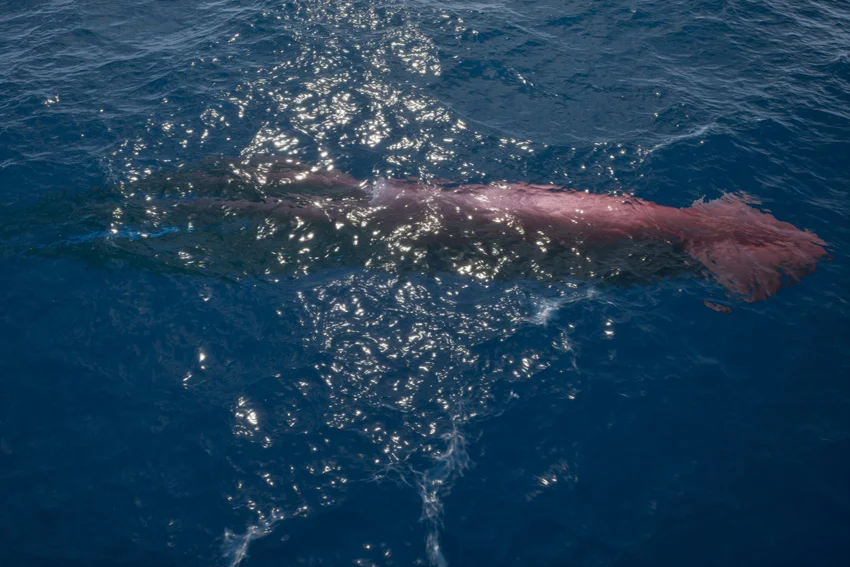
The Giant Squid has long been associated with ocean legends, but modern research has confirmed its presence in deep offshore environments. A NOAA-funded expedition captured rare footage of a Giant Squid in the Gulf of Mexico, helping document life far below typical fishing depths.
Although anglers are not targeting this species, its presence still matters. Offshore fishing in the Gulf of Mexico usually focuses on species like Snapper, Grouper, Tuna, and Billfish, but these same waters sit above a much deeper environment that remains difficult to study.
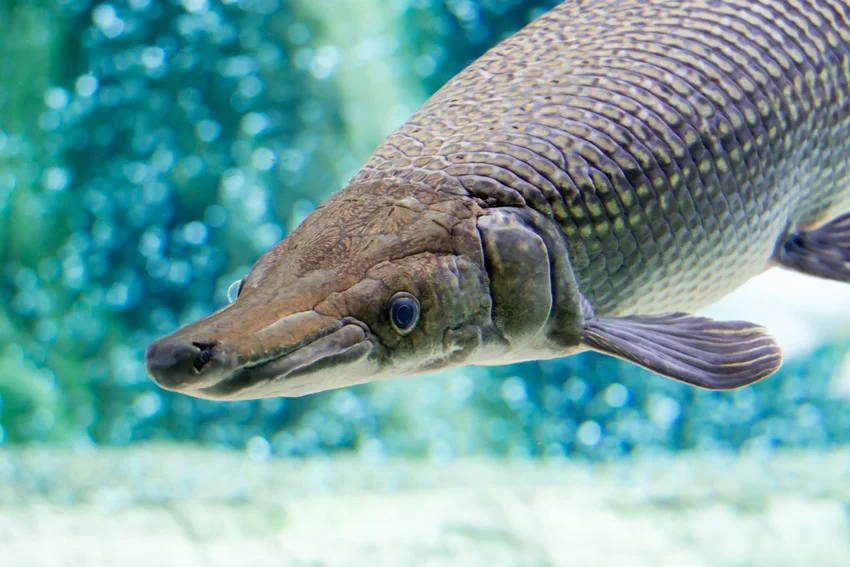
The Alligator Gar is one of the most distinctive freshwater fish in North America, often described as a living relic. Texas Parks and Wildlife Department notes that large Alligator Gar are still found in Texas waters, while the world record specimen weighed 327 pounds and was captured in Mississippi in 2011.
This combination of accessibility and scale makes the Alligator Gar stand out. In many Texas river systems, anglers target large freshwater fish, but few species offer the same mix of size, strength, and prehistoric appearance.
These encounters are not completely random. Environmental changes often push species outside their expected range, even if only temporarily.
Water temperature shifts can bring deep-water fish closer to the surface, while strong currents and seasonal patterns can move marine life far beyond their typical zones. In freshwater systems, human influence plays a major role, especially when non-native species are introduced and manage to survive.
At the same time, anglers are exploring more water than ever before. With better equipment and more consistent reporting, unusual catches are now documented more frequently. What once seemed impossible is now being observed more often because it is finally being seen.
Certain regions consistently produce the most unusual fishing stories, even if the events themselves remain rare. These locations tend to combine high fishing activity with environmental conditions that allow a wider range of species to appear.
Florida stands out because of its mix of native and introduced species, especially in canal systems around Miami where unexpected fish show up more often than anglers expect. The Gulf of Mexico adds another layer, with productive offshore waters sitting above deeper ecosystems that remain largely unexplored.
Texas freshwater systems are known for producing oversized fish that feel almost prehistoric, while the California coast benefits from ocean conditions that occasionally bring deep water species closer to shore. Together, these regions create the right balance of pressure and diversity, increasing the chances of encountering something unusual.
Fishing is built on patterns, but it is never fully predictable. Even in familiar locations, there are always elements that remain outside of what anglers can fully control or anticipate.
Strange catches are reminders of that reality. They show that beyond preparation and technique, there is always a chance that something unexpected appears, something that does not follow the usual rules.
If you want to fish waters known for variety and surprises, explore top destinations across Florida, the Gulf, Texas, and beyond. The next catch might not be rare, but the experience will still be yours.

The expert copywriters at Anglers Booking have meticulously crafted this article. Our dedicated team of writers provides valuable insights and information to enhance your angling experience.

January 15, 2025
April 6, 2026
Subscribe to our newsletter and receive a selection of cool articles every week.
Embark on unforgettable fishing adventures with us at Anglers Booking.
book your charter
October 2, 2026
September 8, 2026
August 21, 2026
August 18, 2026
August 15, 2026
August 12, 2026
August 8, 2026
August 4, 2026

You're now part of our exclusive community. Get ready for premium content and updates straight to your inbox.
close
Subscribe to our newsletter and receive a selection of cool articles every week.
Please enter a valid email address.
Be the first to know when we're back in action.
Please enter a valid email address.
Leave a Comment
Your email address will not be published. Required fields are marked *
Thank you for your comment! It has been submitted for review and will appear on the site shortly.