


Anglers Booking Team
The expert copywriters at Anglers Booking have meticulously crafted this article. Our dedicated team of writers provides valuable insights and information to enhance your angling experience.
 7 minutes read
One of Florida's most exciting offshore and nearshore gamefish is the Cobia, also known as "Ling." This fish has an elongated body, dark lateral stripes, and a large tail. Cobia are fast, strong, and in high demand with anglers.
Their schooling behavior and association with buoys, rays, and floating debris make them a unique sight fishing target, but they are also heavily fished. Because of this, Florida sets size and bag limits for Cobia to manage harvest.
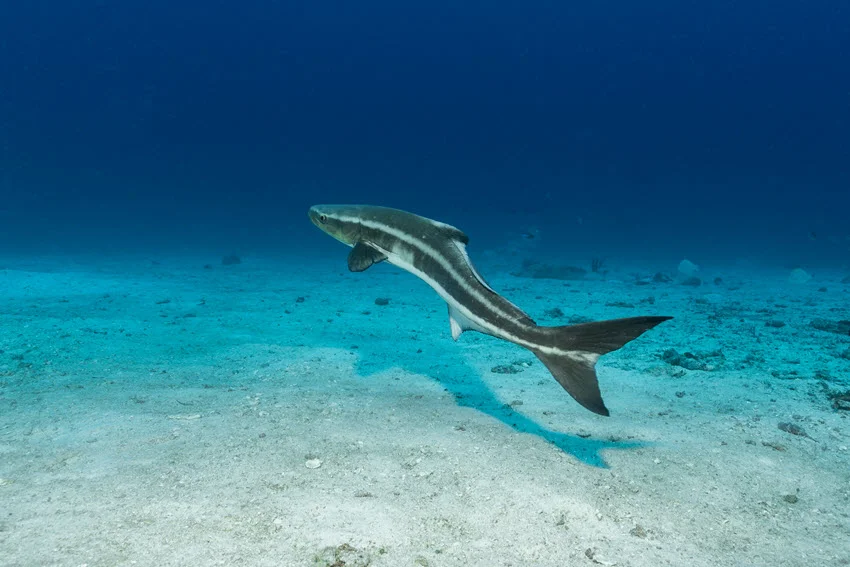
The Florida Fish and Wildlife Conservation Commission (FWC) monitors Cobia annually and establishes harvest rules based on migration patterns, environmental conditions, and stock assessments.
To ensure compliance with fishing regulations and promote responsible practices, anglers should always check the latest FWC updates before heading out to fish. This is the best and safest way to stay informed.
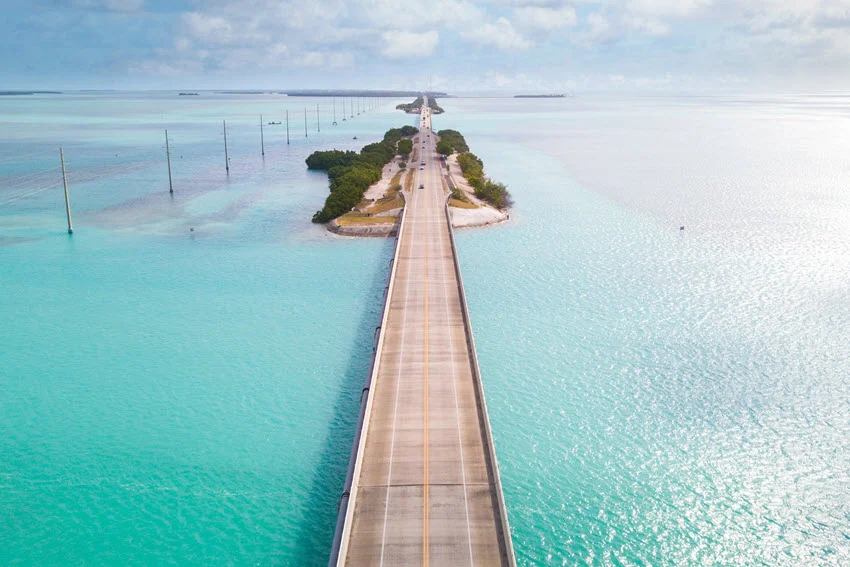
There are no closed seasons for Cobia in Florida. Statewide regulations are in effect for Cobia on both the Atlantic and Gulf coasts: a minimum fork length of 36 inches and a daily bag limit of one fish per person or two fish per vessel. Cobia must be kept in whole condition until landed ashore.
Size and bag limits help protect juvenile Cobia until they reach maturity and have spawned at least once. Vessel limits help support responsible harvest when multiple anglers fish from the same boat.
Keeping Cobia in whole condition until landed helps with accurate measurement and compliance. Together, these measures help support a healthy Cobia population in Florida in future seasons.
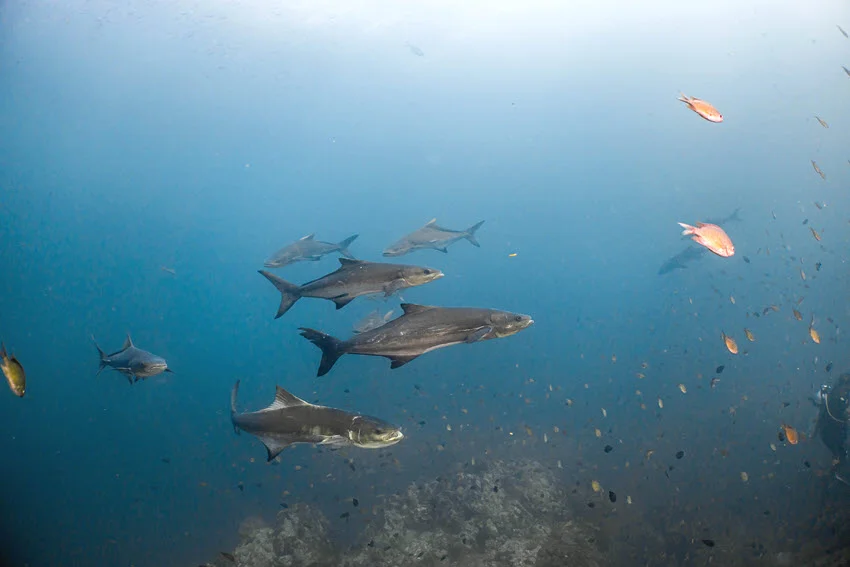
Cobia are highly migratory, pelagic species that move along both coasts of Florida, following warm-water currents. Seasonal movements often bring them closer to shore during warmer months, especially in spring and early summer when feeding conditions are favorable.
They are opportunistic predators that feed on smaller fish, crabs, shrimp, and other coastal forage. Their powerful swimming ability allows them to transition easily between offshore structure and nearshore environments.
Cobia are commonly associated with in-water structures. Rays, buoys, channel markers, and floating debris provide shade and concentrate prey.
Along the Atlantic coast, Cobia frequently hold nearshore structure such as buoys, channel markers, reefs, floating docks, and drifting debris. They are often spotted riding alongside rays and turtles, or cruising with other pelagic species, during migration periods.
Spring and fall typically bring increased movement parallel to the beaches in relatively shallow water. Clear water and moderate current improve sight fishing conditions, especially when bait schools are present. Floating objects that concentrate baitfish can be productive targets, and calm seas improve surface visibility, while a higher vantage point can help spot fish.
In the Gulf, Cobia commonly stage around reefs, wrecks, and other structures, particularly where forage such as pinfish, mullet, and crabs is abundant. Spring migrations often move in waves along the coastline, with fish showing up around both nearshore wrecks and offshore reef systems.
Water clarity, current flow, and drifting debris influence how Cobia position around structure. Sight fishing can be productive during calm conditions with good visibility, while trolling structure edges can help locate more dispersed fish when conditions are less stable.
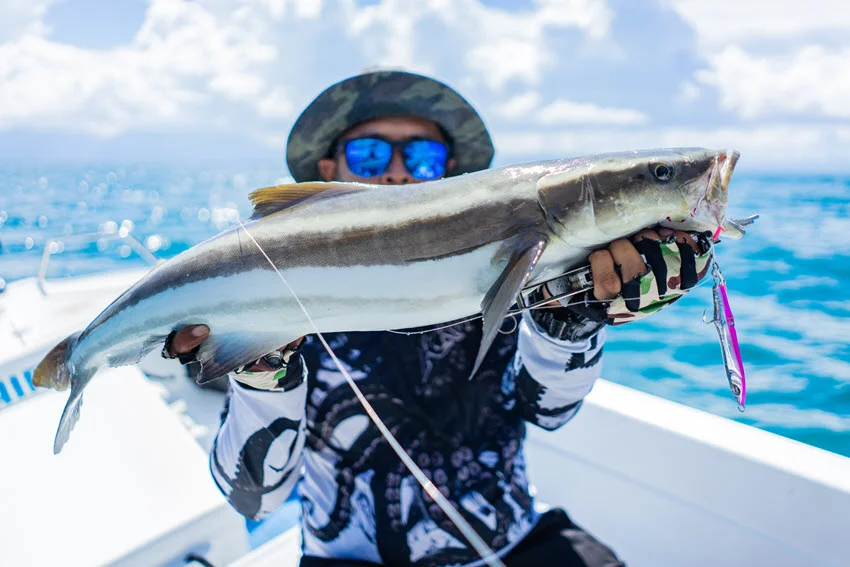
Although Cobia can be caught year-round, certain conditions make it much easier for you to succeed. In addition to their migratory patterns, changes in water temperature and bait movement with the seasons make it easier to locate active Cobia.
Although Cobia fish can be found in most of Florida for most of the year, fishing during the right times of stable weather and clear water will give you a significant advantage.
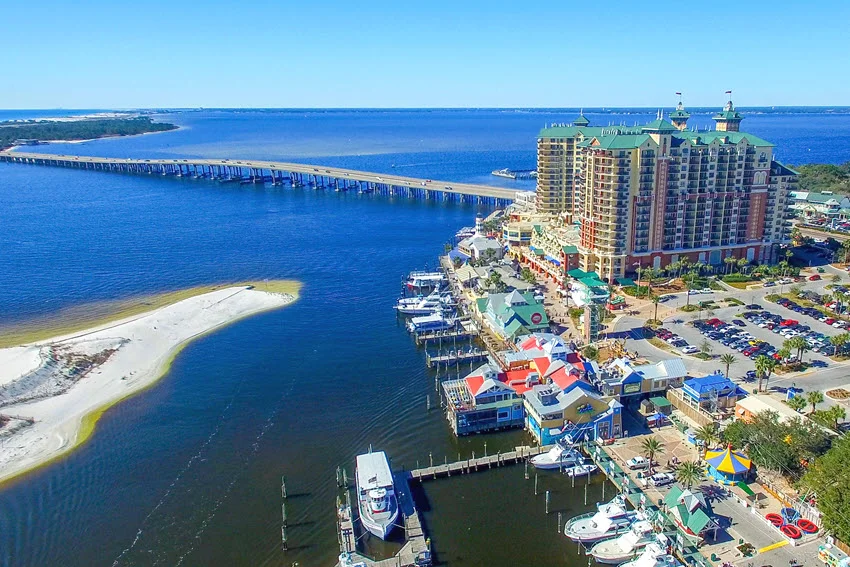
From shallow-water sight fishing to deep-water offshore structure, there are many Cobia habitats along the Florida coast. Certain regions of the state are more productive than others due to Cobia migrations along both coasts, which return to the same feeding areas year after year.
These areas can be productive when bait is present, and fish are moving along the coast. Fishing a mix of spots throughout the year can help anglers stay on top of active Cobia as the migration shifts along Florida's coastline.
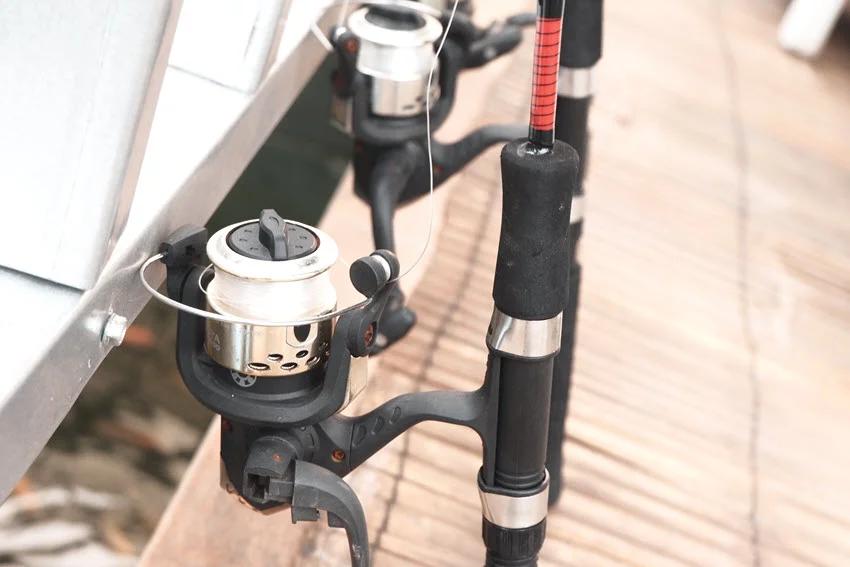
Cobia hit hard and make long runs, especially around structures. Use a tackle that can handle abrasion and still cast well for sight fishing.
Sight fishing, live baiting, and jigging may require minor gear adjustments, but this gear combination will handle most Cobia fishing situations and provide the strength needed when you run into bigger fish.
Understanding fishing regulations and preserving specific fish species contributes to protecting fish populations and ecosystems and promoting responsible angling practices.
Anglers Booking Team
Most anglers need a Florida saltwater fishing license. Florida residents may be eligible for a shoreline saltwater license, and those fishing from a licensed pier are generally covered by the pier license. As mentioned before, it is crucial to ensure that you meet all licensing requirements before your fishing trip.
If you are fishing in federal waters or commercially, you must check the current federal and commercial regulations before you head offshore on the FWC website.
When handling Cobia, support the belly and tail and avoid lifting by the gills. Revive the fish in the water by moving it forward slowly until it kicks vigorously and swims off under its own power.
When harvesting, keep Cobia in whole condition as required and store it on ice to preserve quality.
Cobia fishing in Florida can deliver plenty of exciting encounters. The key to success is knowing how they migrate, adhering to current regulations, and handling the catch properly.
If you are knowledgeable about the size and bag limits, and use responsible fishing practices, you can help conserve the species and enjoy the opportunity to catch some of the fastest and strongest game fish that Florida has to offer.
What are your favorite locations for Cobia fishing? Share your favorite locations with us in the comments.
Disclaimer: Fishing regulations and open seasons may vary by region and are subject to change. The information in this guide is for general reference only. Learn the latest fishing rules, size limits, and season dates on the official websites of the state or federal government before your trip.

The expert copywriters at Anglers Booking have meticulously crafted this article. Our dedicated team of writers provides valuable insights and information to enhance your angling experience.

February 26, 2025
September 18, 2026
Subscribe to our newsletter and receive a selection of cool articles every week.
Embark on unforgettable fishing adventures with us at Anglers Booking.
book your charter
October 2, 2026
September 8, 2026
August 21, 2026
August 18, 2026
August 15, 2026
August 12, 2026
August 8, 2026
August 4, 2026

You're now part of our exclusive community. Get ready for premium content and updates straight to your inbox.
close
Subscribe to our newsletter and receive a selection of cool articles every week.
Please enter a valid email address.
Be the first to know when we're back in action.
Please enter a valid email address.
Leave a Comment
Your email address will not be published. Required fields are marked *
Thank you for your comment! It has been submitted for review and will appear on the site shortly.