


Anglers Booking Team
The expert copywriters at Anglers Booking have meticulously crafted this article. Our dedicated team of writers provides valuable insights and information to enhance your angling experience.
 8 minutes read
On our radar today is a fish that's a real challenge to catch: the Sheepshead. Catching this fish can be very tricky. They are known for stealing bait. Strong teeth and cautious behavior are typical for this species. But don't worry. With the right lure, you can catch them more easily.
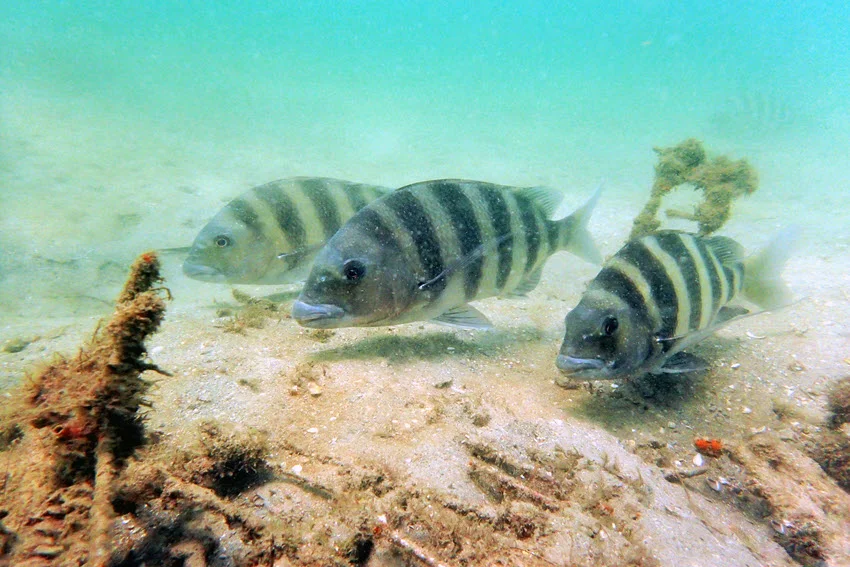
Sheepshead love crustaceans. So, the best lures look and move like small crabs or shrimp. These lures trigger bites when presented the right way. You don't need live bait if your lure looks real enough.
In this guide, we'll show you the best lures for Sheepshead. You'll learn what works, when to fish, and how to present the lure the right way. If you follow these tips, you'll have a better chance of landing this tough and smart fish.
Their behavior changes with a few things. Food, tide, water clarity, and fishing pressure all play a role. To catch more Sheepshead, you need to know how they feed and where they hide. Once you understand their habits, it's much easier to catch them.
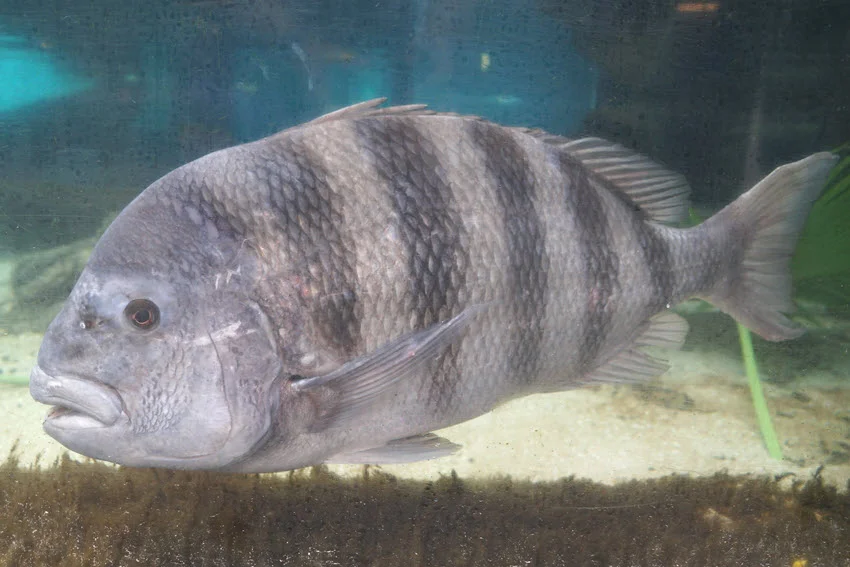
Sheepshead live near complex structures. You can find them on piers, rocks, bridges, seawalls, jetties, and oyster beds. These places are full of crabs, barnacles, and shrimp, their favorite food.
They usually stay near the bottom. Sheephead pick food off the structure. They use their strong teeth to crush shells. But they bite softly and slowly.
Sheepshead are smart fish. They don't bite fast or without thinking. Before they strike, they look closely at the bait. That's why many anglers miss the bite. If you miss the first bite, the fish may be gone.
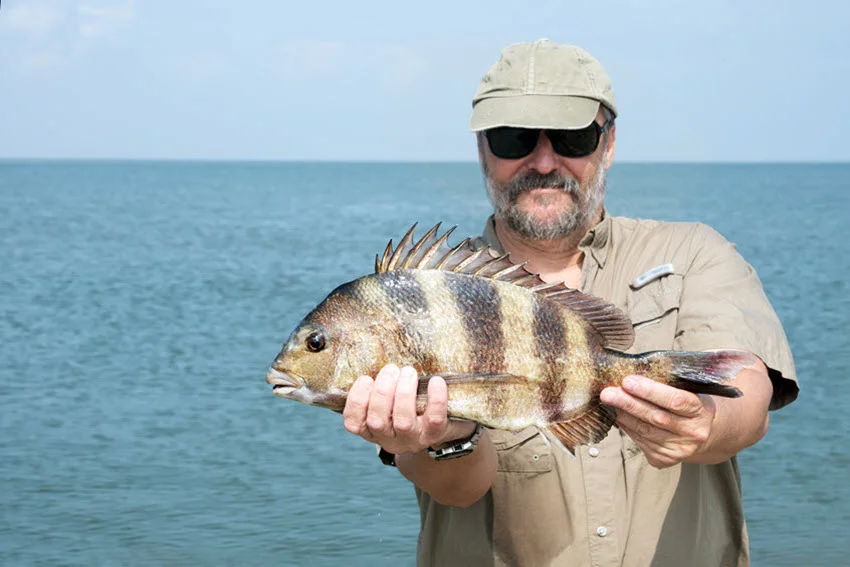
Knowing how Sheepshead behave in different seasons is important for fishing success. Their location and feeding change with water temperature and tides.
Keep these seasonal changes in mind. Monitor tides and water temperature. Adjust your approach according to the conditions. Fishing during the right season and at the right time of day can make all the difference.
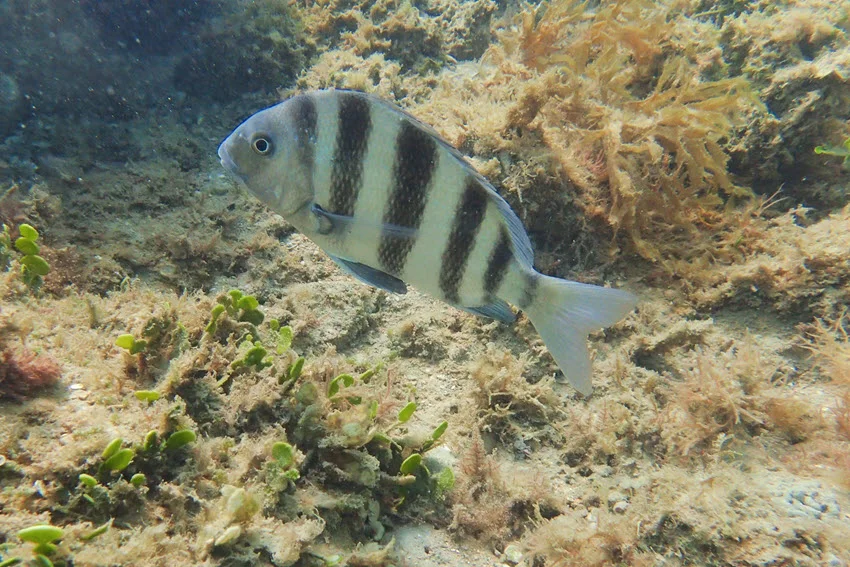
It is important to know where Sheephead live. These fish stay in shallow, coastal waters. They like places with structure where they can hide and find food. Picking the best lure for each location will help you catch more fish. Below, we discuss this in detail.
Knowing where to find Sheepshead and choosing the best lure for each spot is key to success. These fish stick close to structure and feed carefully. By matching your lure to their favorite feeding time, you are on the right track to have a successful catch.
There is no single best lure for Sheepshead in every situation. The best lure depends on the season, water depth, and the fish's feeding habits. Sheepshead are picky and bite carefully. You need lures that look realistic and stay close to the structure. Below, we discuss the best lures for Sheepshead.
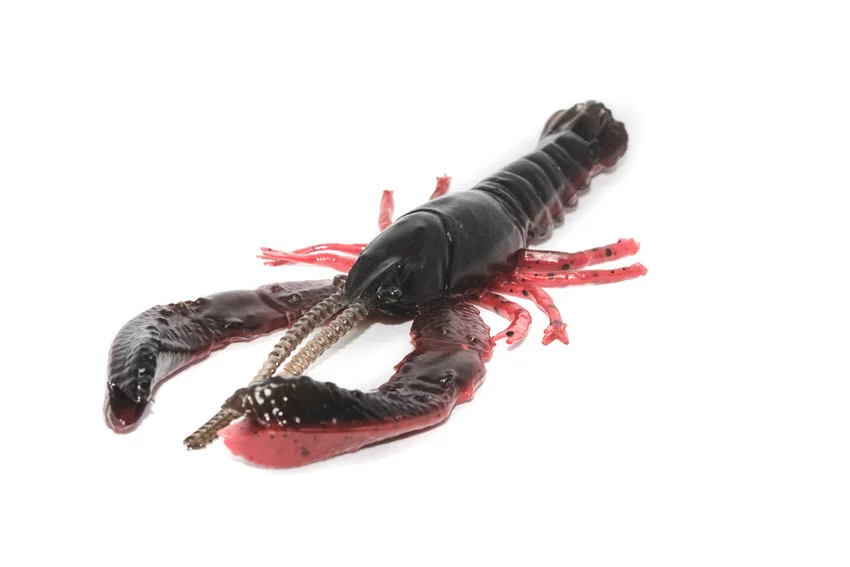
Artificial crabs are some of the most effective lures for Sheepshead. They look like real crabs, which are a favorite food. Soft plastic versions with moving legs and claws trigger more strikes. Use them on jig heads. Keep them near the bottom. Cast near pilings, rocks, or mangroves. Let the lure sit still or bounce slowly.
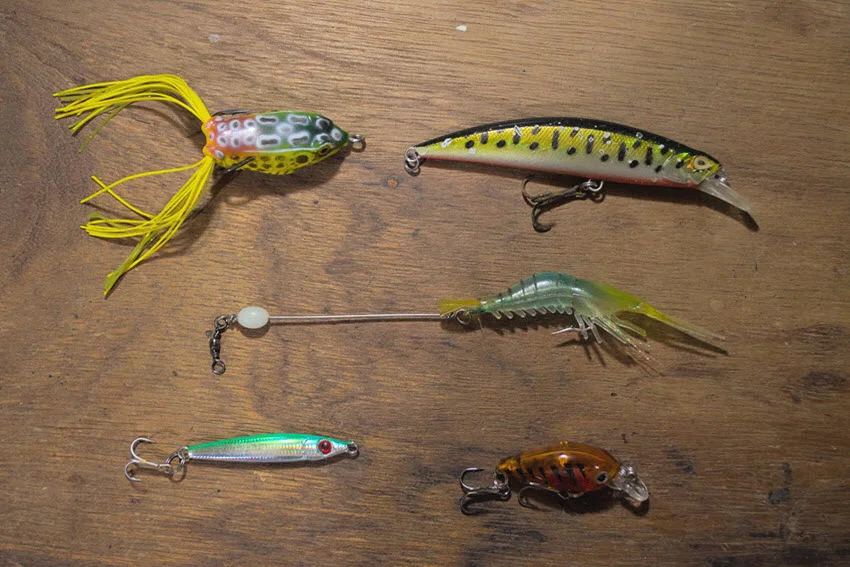
These lures are another great option. Sheepshead often feed on live shrimp, and artificial ones can work just as well. Pick smaller sizes. The best are those that have realistic details. Natural colors are effective, try brown, clear, or white. Rig them on light jig heads or weedless hooks and retrieve them slowly.
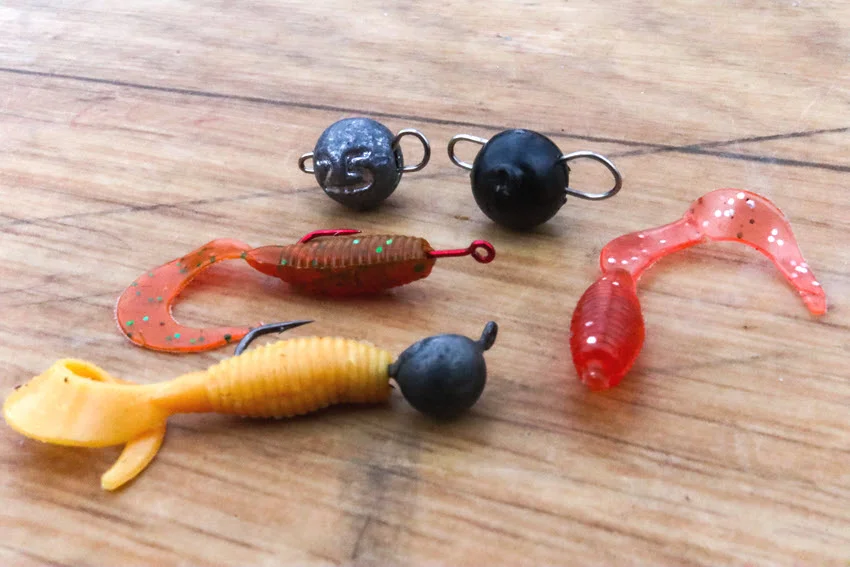
Soft plastics (small swimbaits or creature baits) also work for Sheepshead. Just make sure they're not too big. Sheephead have small mouths and crush food with their teeth. Use 1/8 oz or 1/4 oz jig heads. Cast close to the structure and let the lure sink to the bottom. Then give it short hops or let it rest on the bottom.
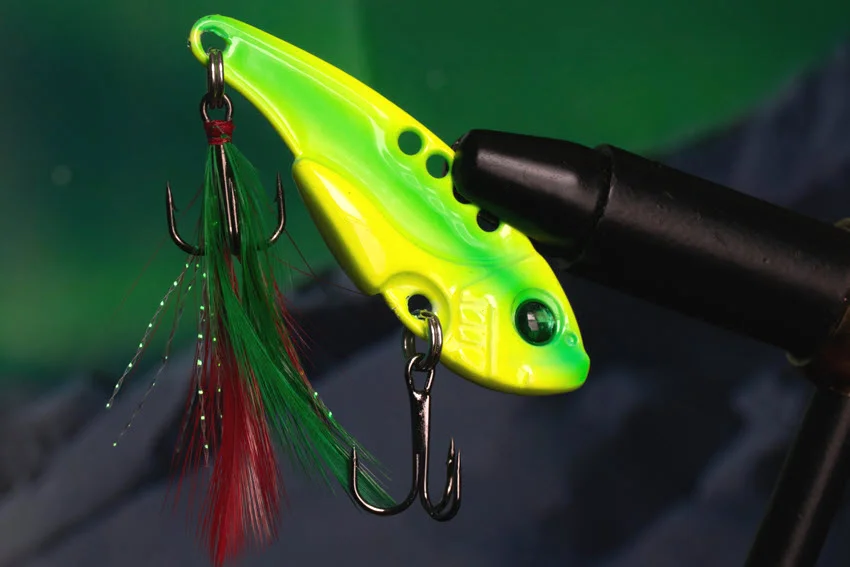
Crankbaits could also be effective for Sheepshead. These lures dive down and make noise, which grabs the fish's attention. They do work near bridges and rocks. Small and quiet crankbaits are the most effective, preferably in natural colors. Retrieve them slowly. Let them bump along the structure.
Fishing for Sheepshead requires effective lure presentation. These fish are smart and picky. That's why you need to know the best techniques to improve your chances of success.
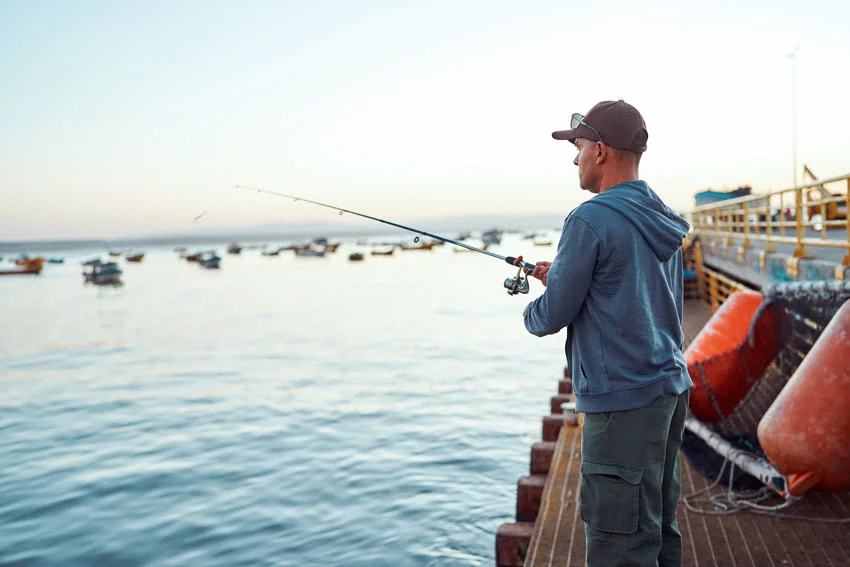
Let your lure drift freely with the water current. Sheepshead feed best when the lure moves naturally near structure. A realistic crab or shrimp imitation drifting slowly is hard for fish to resist. Natural drift is particularly effective when fishing around piers and other areas with high current. Use just enough weight to keep your lure near the bottom without stopping the drift.
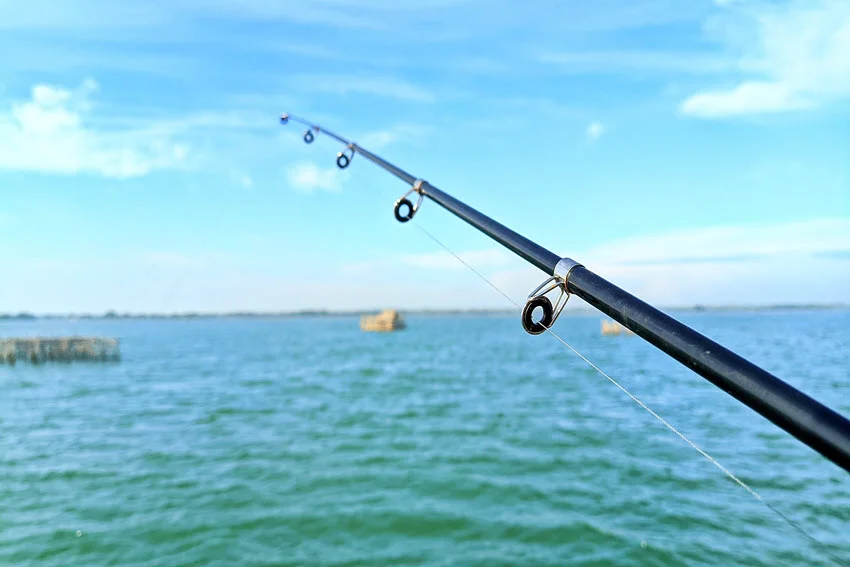
In clear, high water, you may see Sheepshead feeding near a structure. Cast 8 to 10 feet past the fish and let your bait swing or drift back. This natural presentation often draws aggressive strikes. Look for fish near sunlit pilings during the day. Polarized sunglasses help you see fish more clearly.
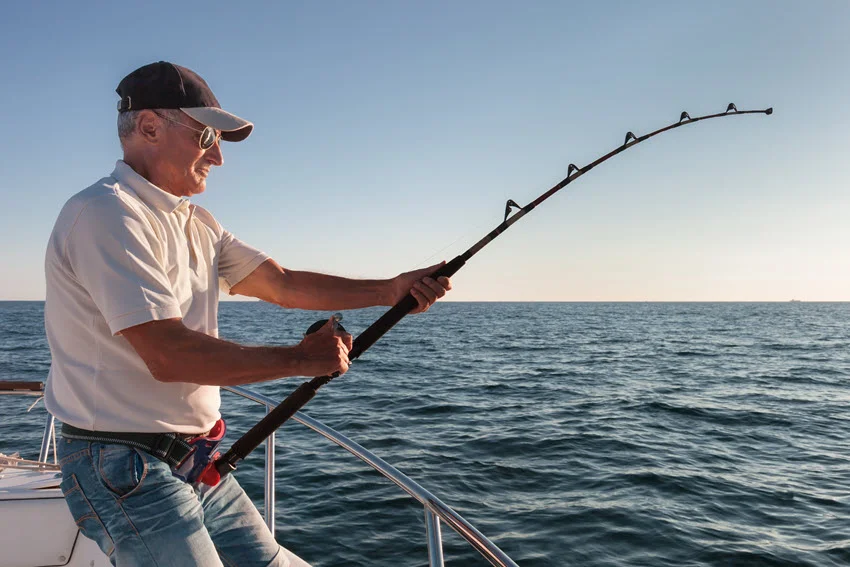
In deeper and fast current zones, drop a jig straight down. Bounce it softly along the bottom. Use lures tipped with imitations of crab, clam, or shrimp. This method targets fish that are tightly holding onto the structure. It is recommended to have a sensitive rod to notice light bites because Sheepshead often nibble carefully. Keep the jig close to the bottom. Do this with a pause often to let the fish investigate.

Understanding fishing regulations and ethical practices about specific fish species protects fish populations and ecosystems and promotes responsible angling practices.
Anglers Booking Team
When fishing for Sheepshead, follow the rules. There are size and daily catch limits. Always fish responsibly. Use circle hooks. When handling fish, use wet hands to minimize fish injury. Take care to protect key areas where Sheepshead live and feed.
Always pick up and properly dispose of fishing line and hooks. Be polite to other anglers. If you respect ethical practices and regulations, you help maintain healthy Sheepshead populations.
Sheepshead are clever and tricky fish. They don't bite just anything. You need an effective lure and good technique. But if you follow the tips from this guide, there's no doubt you have a big chance to catch this fish.
Are you ready to try these tips on your next fishing trip? What's your favorite lure for Sheepshead? Please share them in the comments.

The expert copywriters at Anglers Booking have meticulously crafted this article. Our dedicated team of writers provides valuable insights and information to enhance your angling experience.

December 20, 2024

January 22, 2025
Subscribe to our newsletter and receive a selection of cool articles every week.
Embark on unforgettable fishing adventures with us at Anglers Booking.
book your charter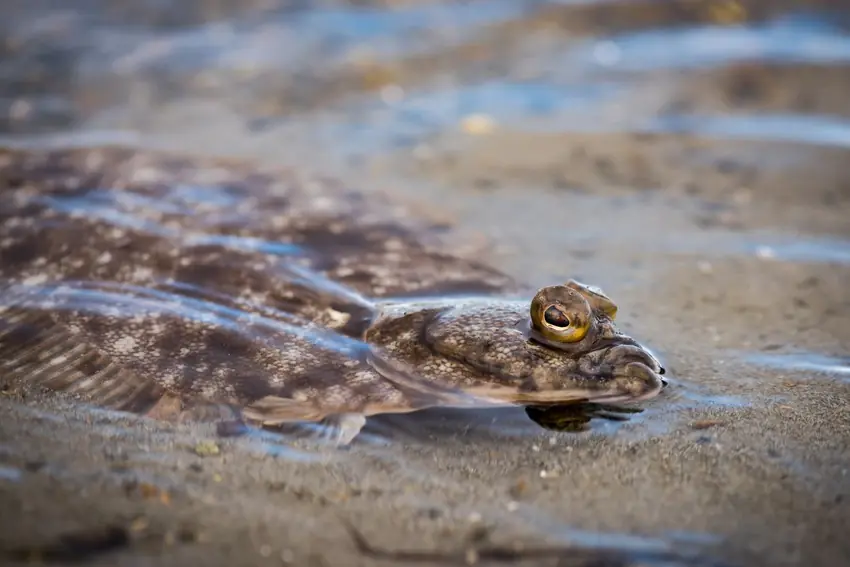
October 2, 2026
September 8, 2026
August 21, 2026
August 18, 2026
August 15, 2026
August 12, 2026
August 8, 2026
August 4, 2026

You're now part of our exclusive community. Get ready for premium content and updates straight to your inbox.
close
Subscribe to our newsletter and receive a selection of cool articles every week.
Please enter a valid email address.
Be the first to know when we're back in action.
Please enter a valid email address.
Leave a Comment
Your email address will not be published. Required fields are marked *
Thank you for your comment! It has been submitted for review and will appear on the site shortly.