


Anglers Booking Team
The expert copywriters at Anglers Booking have meticulously crafted this article. Our dedicated team of writers provides valuable insights and information to enhance your angling experience.
 8 minutes read
Grouper fishing is an exciting, action-packed activity. These strong, bottom-dwelling fish are found in many places around the world. There are many species of them. Each one offers a fun challenge for anglers. They hit hard and fight deep. But to catch them, you need the right approach.
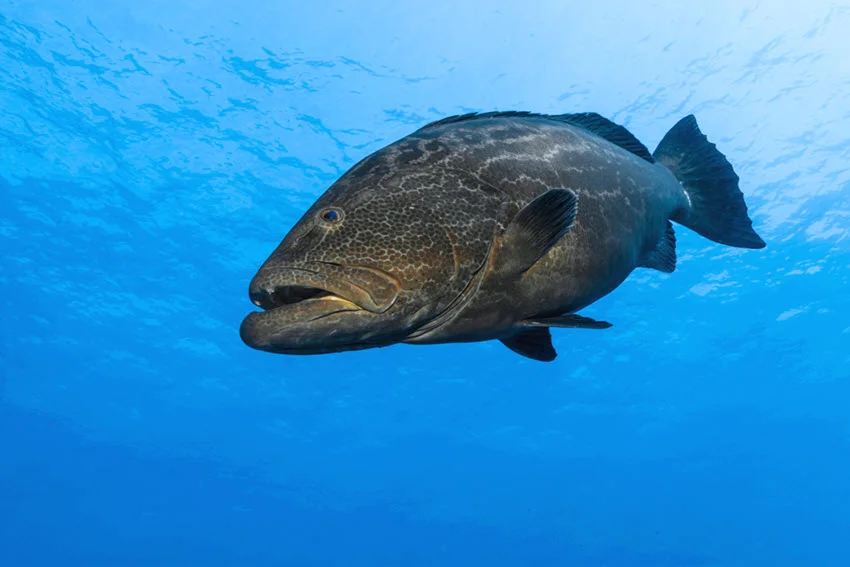
This guide will show you the best lures for Grouper. You'll learn what works and where to fish. Additionally, we will demonstrate which techniques are the most effective.
Before we explain how to understand this fish, it is worth noting that there are over 230 species of Grouper worldwide. Some of the most well-known include Red Grouper, Black Grouper, Gag Grouper, Snowy Grouper, Nassau Grouper, and the massive Goliath Grouper. Now, we can start analyzing them. Don't miss parts below.
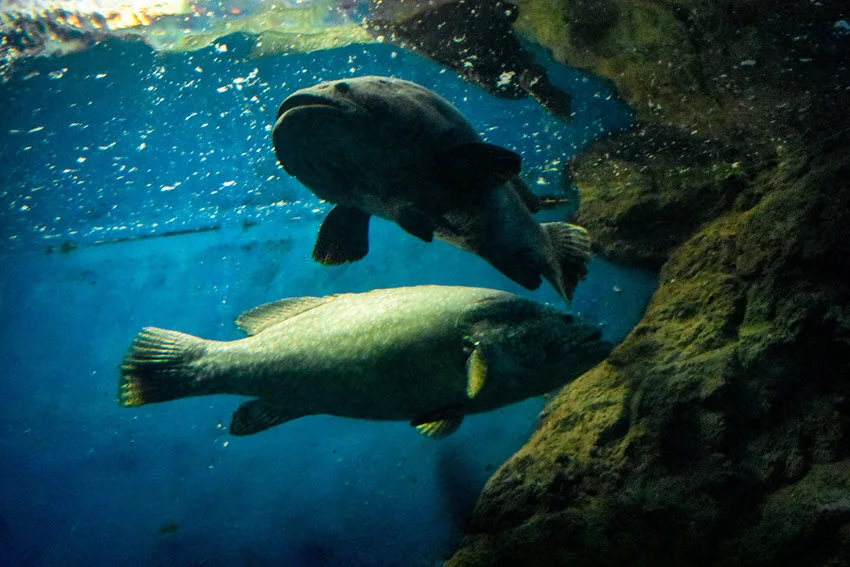
Grouper are strong bottom fish. They are known for their ambush-style attacks. They stay still near the structure. When prey comes close, the Grouper will attack and strike hard. Their large mouths let them suck in fish, crabs, or squid in one quick move.
Grouper prefers structure. You'll find them near reefs, wrecks, rocky ledges, oil rigs, or deep drop-offs. These fish don't move much. They wait in hiding. Near the bottom are some of the places where they are most often.
Most Grouper live in depths from 50 to 300 feet, depending on the species. Goliath and Snowy Grouper go even deeper. They thrive in warm tropical and subtropical waters. The Gulf of Mexico, the Caribbean, and the South Atlantic are locations where Goliath live.
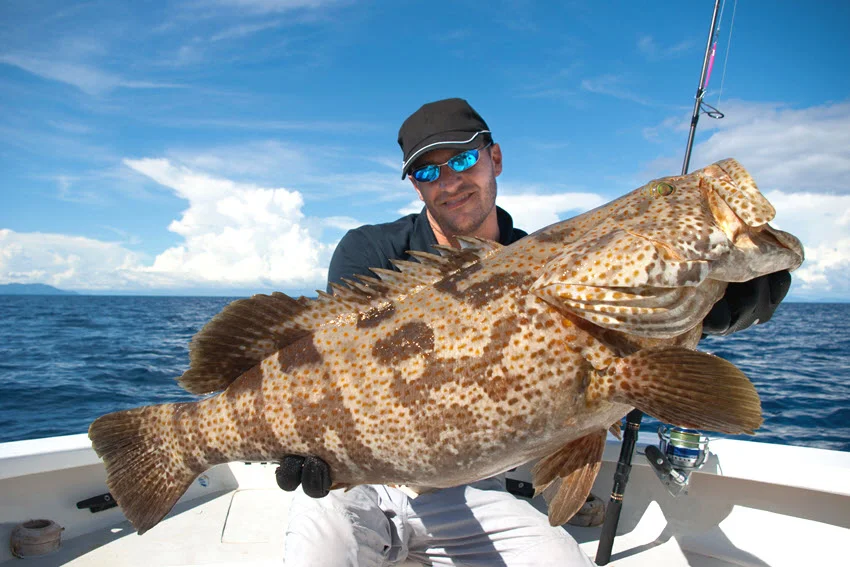
Grouper behavior changes with the seasons. Water temperature, spawning cycles, and food availability all play a role. The best time to catch Grouper depends on your location and the specific species you're targeting. Some general patterns can help you catch fish. We discuss them below.
Generally, spring is the best time to fish. Grouper are more active at dawn, when baitfish are moving. Evening can also work, but it offers less light and more extended returns. Tide matters too. Fishing during strong incoming or outgoing tides improves your chances.
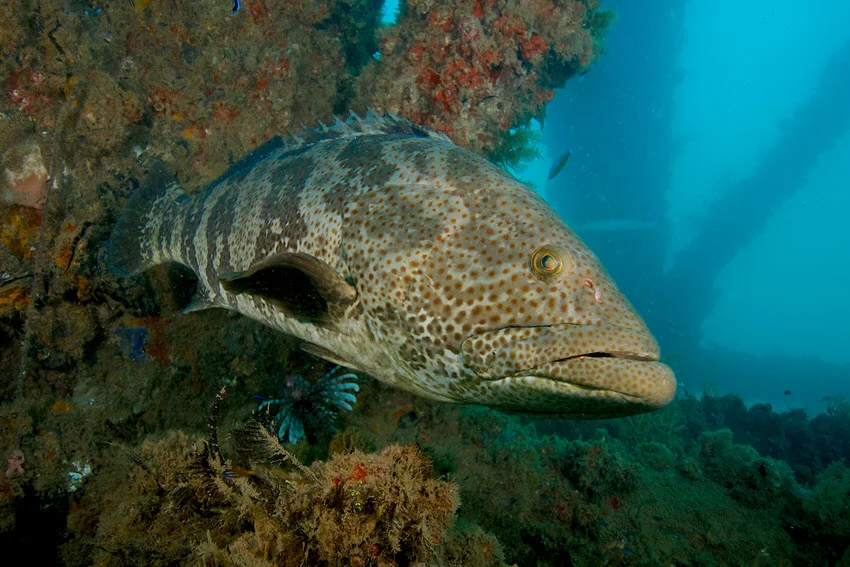
Different spots call for other lures. Here's how to target them by location. Don't miss the part below.
Match your technique to the location. Grouper won't chase lures far. You need to put the lure right in front of them.
Grouper strike aggressively at anything that looks like prey. Below, we analyzed lures that are known to trigger hard bites.
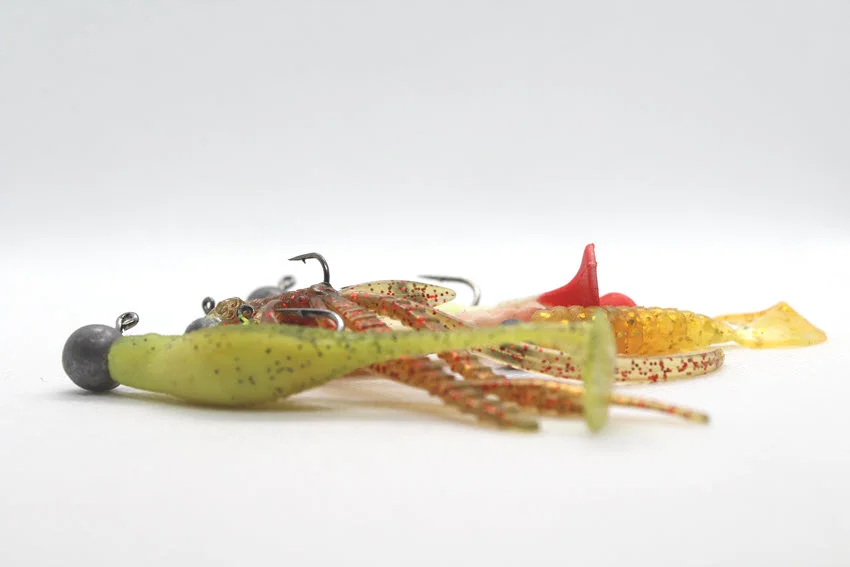
Ideal around reefs and ledges. Use heavy jig heads with soft plastics mimicking squid or small fish. Drop to the bottom, then lift and flutter slowly. Grouper often grab the lure during the rise. These lures are especially good in the current. White or glow colors are effective for deeper water.
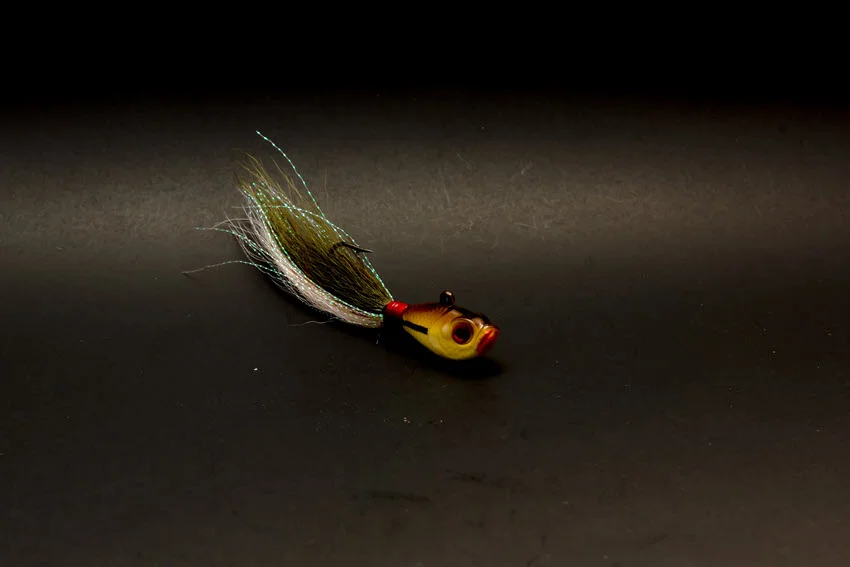
Works well on wrecks and rocky bottoms. Let them sink fully, then lift and drop gently. The flowing rubber tail attracts ambushing Grouper. You can tip the jig with a strip of squid for extra scent. Bucktails are easy to control and are ideal for beginners.
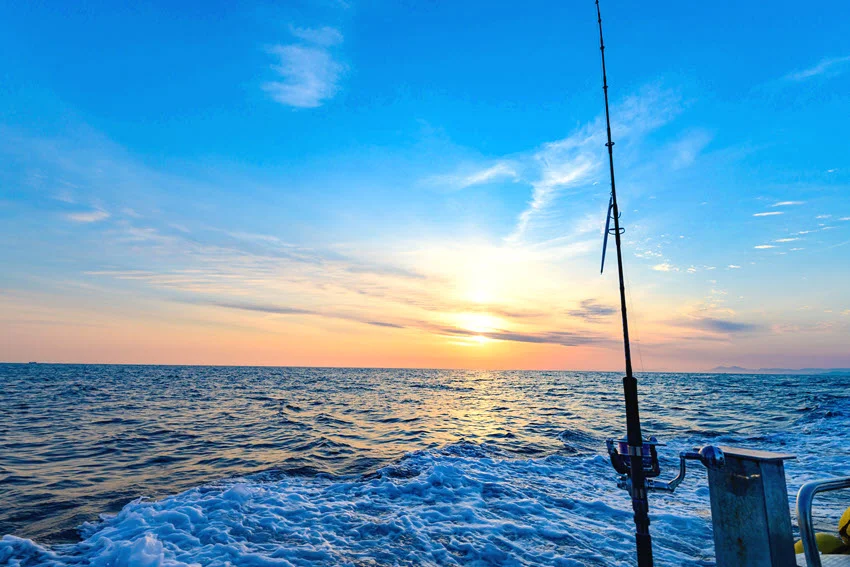
Made for deep water fishing. Drop rapidly, then jig with short vertical strokes. The flash and motion imitate injured baitfish and provoke strikes from big Grouper. Use heavier jigs in zones 100 to 300 feet deep. Bright colors (silver or pink) work well in clear water.
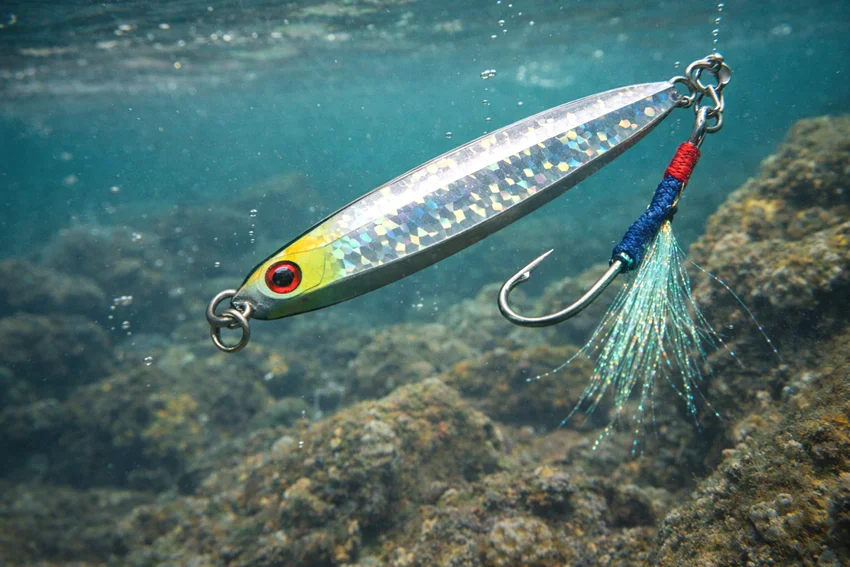
Reflect light and vibrate when retrieved. Excellent for fishing near bottom structures (reefs and wrecks). Drop them to the bottom. Reel with a steady or twitching motion. They work great when targeting fish suspended just above structure. Add a trailer hook for better hookup rates.
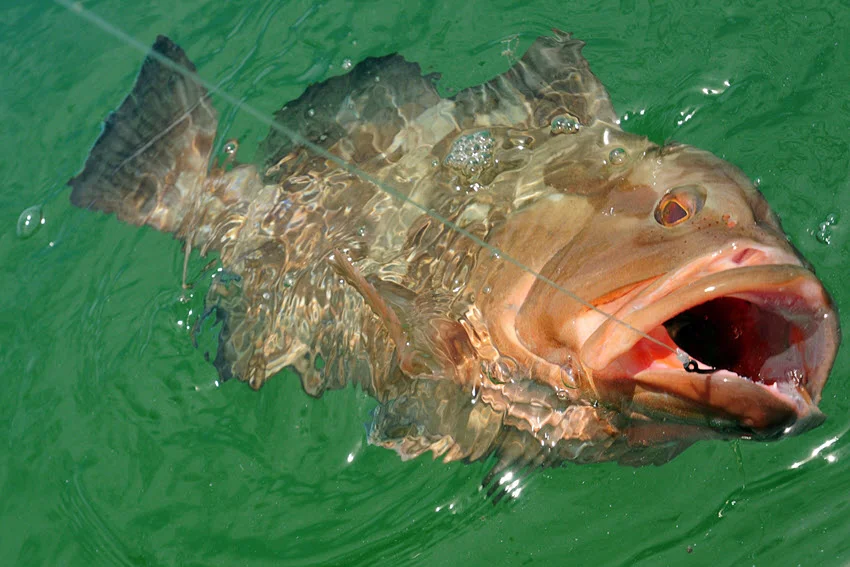
These plugs float and dive slowly when trolled. They're effective over reef edges in 20 to 50 ft of water at 3.5 to 4.5 mph. Excellent for Black and Red Grouper. They imitate injured baitfish when they wobble during the troll. Use plugs with strong hooks, as Grouper bite hard.
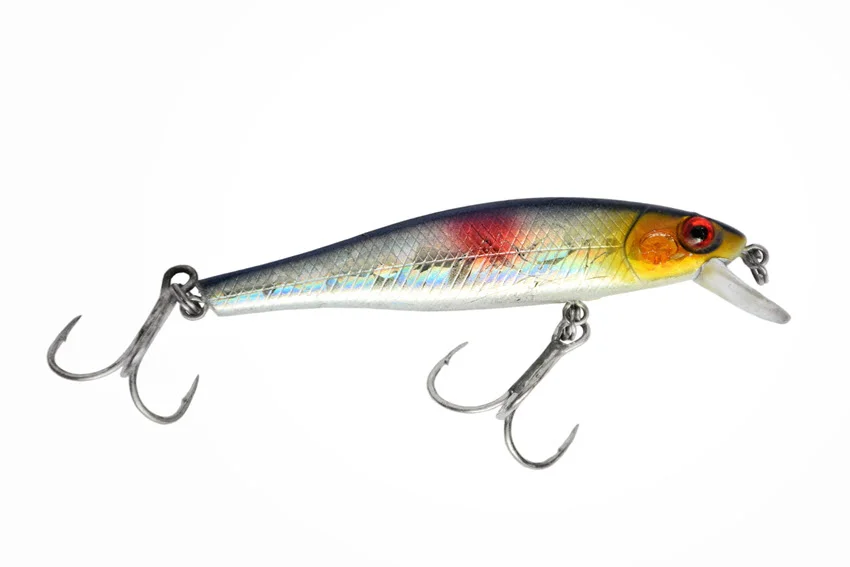
Used behind planers to reach 20 to 50 ft, mimicking wounded baitfish. Excellent for catching multiple fish with dual-plug setups. Troll two plugs at once. If one hooks a fish, slow down so the second stays in the zone. This often leads to double hookups. Use stout leaders to prevent break-offs around rocks.
Precision and power matter when fishing for Grouper. To catch this fish with lures, you need an effective technique. Below are proven methods to get their attention.
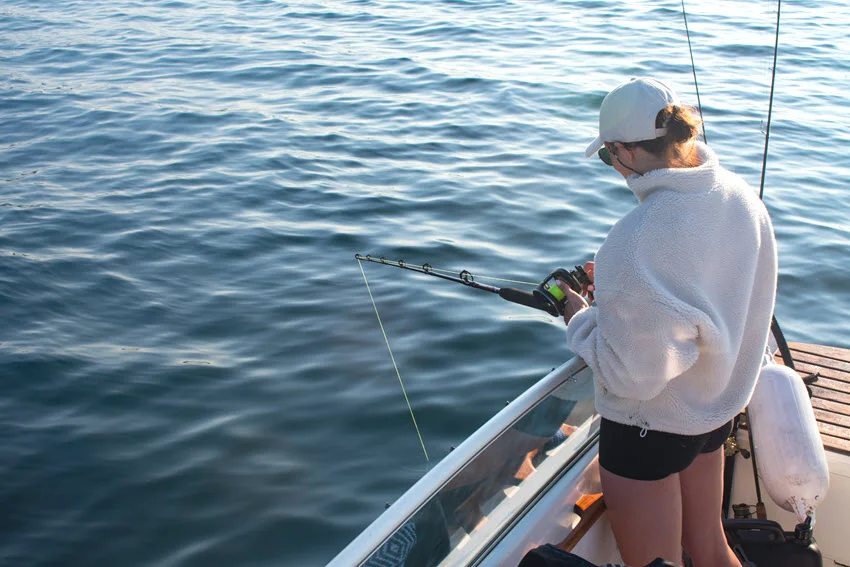
Drop a metal jig to the bottom and then slowly raise it. Let it fall repeatedly to mimic the motion of prey. It will trigger aggressive strikes from Grouper. Use heavy rods and braid for deep structure, and stay alert. Keep in mind that most strikes happen during the fall.
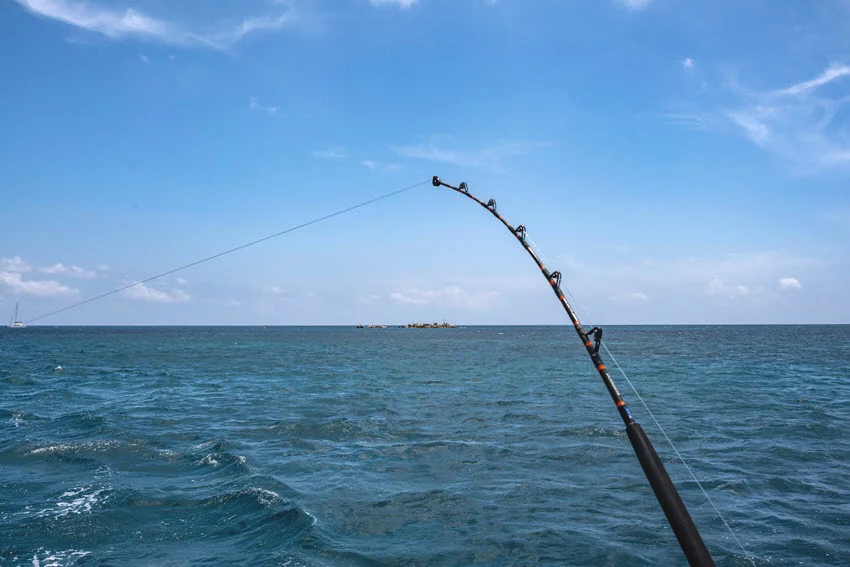
Deploy plugs behind planers or downriggers, troll at 3.5 to 4.5 mph over reef edges in 20 to 50 ft. Use dual-plug setups to increase your chances of double hookups. Adjust the speed if the fish aren't biting. Sometimes, slower works better.
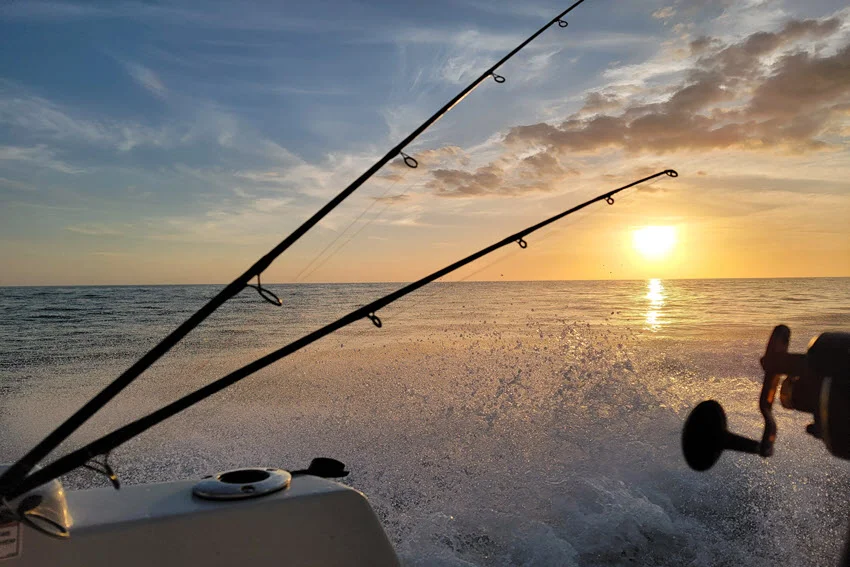
Cover ground along reef edges by trolling in a tight zig-zag. This simulates injured prey. That increases the chances of hitting active Grouper territories. Whenever possible, keep an eye on your sonar for sudden changes in depth.
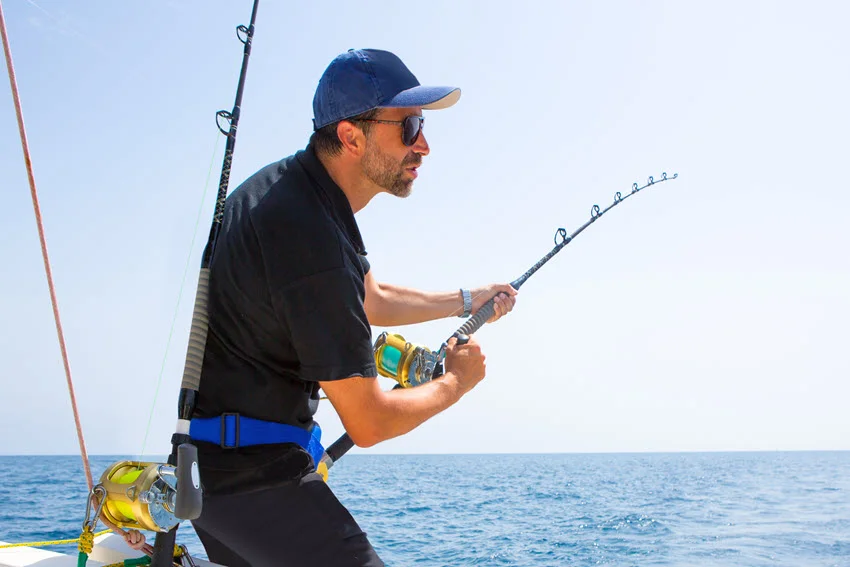
While trolling, look for sonar marks that indicate structure. Mark productive areas and return later to fish them vertically or use a drift method to find new hotspots. Revisit marked spots during different tide stages for better results.
Understanding fishing regulations and ethical practices about specific fish species protects fish populations and ecosystems and promotes responsible angling practices.
Anglers Booking Team
When fishing for Grouper, it is vital to follow ethical practices and local rules. For example, if you are fishing in Florida, Grouper are managed under specific rules that vary by species and region due to their wide distribution. Some species have closed seasons, minimum size limits, or are fully protected from harvest.
Regulations for Grouper vary by species, state, and whether you are fishing in state or federal waters. Closed seasons, bag limits, and minimum sizes can change, so anglers should always check the latest rules with their state agency and NOAA Fisheries before fishing.
Using proper gear and adhering to catch limits helps minimize harm. Ethical fishing involves respecting these rules, handling fish carefully, and releasing them properly to enhance their survival rates.
Grouper fishing is a rewarding and exciting challenge for any angler. Using effective lures and techniques can improve your chances of success. Remember, patience and careful presentation near the structure are key.
What lure or technique has worked best for you when fishing for Grouper? Share your experience in the comments below.

The expert copywriters at Anglers Booking have meticulously crafted this article. Our dedicated team of writers provides valuable insights and information to enhance your angling experience.
Your email address will not be published. Required fields are marked *
Thank you for your comment! It has been submitted for review and will appear on the site shortly.

February 15, 2026

January 24, 2025
Subscribe to our newsletter and receive a selection of cool articles every week.
Embark on unforgettable fishing adventures with us at Anglers Booking.
book your charter
October 2, 2026
September 8, 2026
August 21, 2026
August 18, 2026
August 15, 2026
August 12, 2026
August 8, 2026
August 4, 2026

You're now part of our exclusive community. Get ready for premium content and updates straight to your inbox.
close
Subscribe to our newsletter and receive a selection of cool articles every week.
Please enter a valid email address.
Be the first to know when we're back in action.
Please enter a valid email address.
Greetings from Algeria! Thank you for this helpful article. I learned a lot from it and appreciate you sharing your knowledge.
Thank you for your kind words! We're glad you found the article helpful. Greetings to Algeria from the Anglers Booking team!