


Anglers Booking Team
The expert copywriters at Anglers Booking have meticulously crafted this article. Our dedicated team of writers provides valuable insights and information to enhance your angling experience.
 9 minutes read
The Grouper is one of Florida's most sought-after saltwater fish. Size, strength, and delicious white meat are the main reasons anglers love this fish. These bottom-dwelling predators live around reefs, wrecks, and rocky ledges. Because of their popularity and slow growth rate, Florida enforces strict rules to protect the Grouper population.
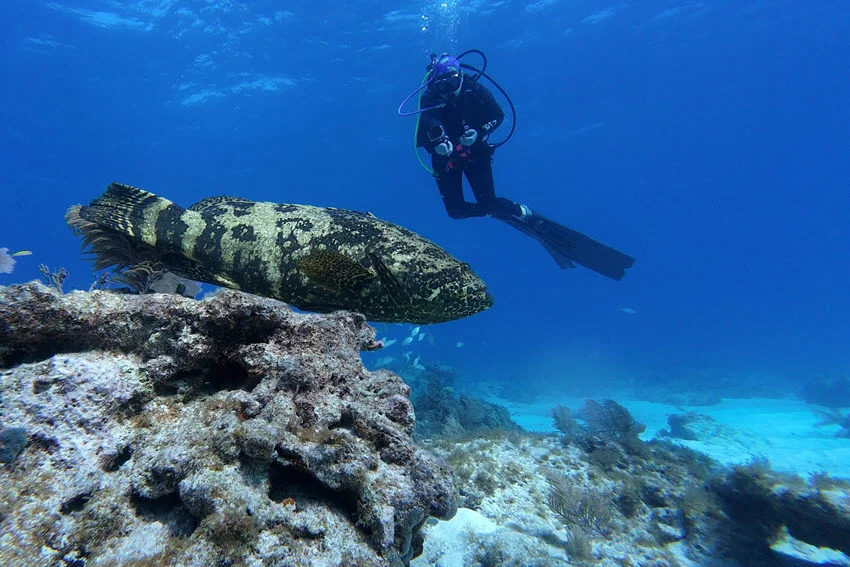
The Florida Fish and Wildlife Conservation Commission (FWC) manages several Grouper species, including Red, Gag, Black, and Scamp, each with its own size limits, seasons, and regional rules. Some species, such as Goliath Grouper, are protected by much stricter rules and must be released immediately if caught. Regulations can change over time. Check the official FWC site each time before you leave for a fishing trip.
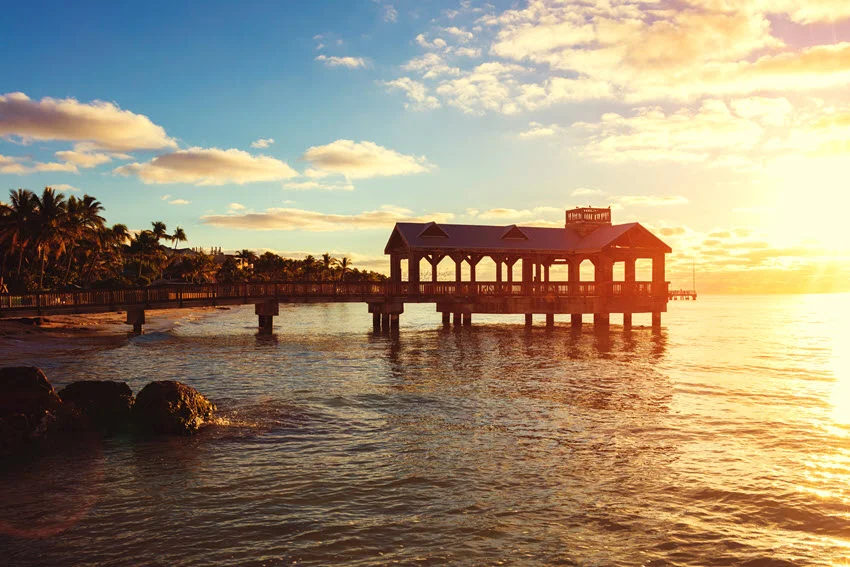
Florida regulates Grouper fishing through two main management regions: the Atlantic and Gulf Coasts. Within these two areas, specific boundary lines define where certain Grouper rules apply. State waters extend up to 3 nautical miles offshore on the Atlantic side and up to 9 nautical miles on the Gulf side. Federal waters begin beyond these distances.
Atlantic Grouper rules are species-specific and can change over time, especially for Gag Grouper. Atlantic Gag Grouper is not open year-round and harvest is only allowed during designated open periods. Other Atlantic shallow-water Grouper seasons are not always open year-round and commonly run in the warmer months, often May through December, depending on the species.
The Atlantic region uses an aggregate limit of 3 Grouper/Tilefish per person per day. Within that limit, only 1 Gag or Black Grouper is allowed per person. FWC also applies vessel limits for Gag and Black Grouper, along with additional for-hire restrictions, so anglers should review the current species-specific rules before fishing.
Minimum size limits vary by species. In Atlantic waters, Gag and Black Grouper are 24 inches total length, while Red and Scamp Grouper are 20 inches total length. Always verify the latest seasons and limits before fishing.
Gulf Grouper regulations vary by species, season, and fishing area, and they can change from year to year. Gulf Gag Grouper is not open year-round, so anglers should verify the current season before planning a trip.
The Gulf Coast uses a 4-fish Grouper aggregate bag limit per person per day, but species-specific sub-limits apply within that total. For example, when the season is open, Gag Grouper has its own retention limit within the aggregate.
Minimum size limits vary by species and by where you are fishing. When open, the minimum size for Gulf Gag Grouper is 24 inches total length, and it counts toward the aggregate bag limit. Be sure to double-check the latest FWC seasons and limits before you fish.
The Florida Grouper rules are in place to maintain a healthy fishery for generations to come. Closed seasons safeguard the spawning cycles of Grouper when they aggregate to spawn. Size limits ensure that fish can reach at least one growth stage in life and spawn once before harvest. Bag limits and seasonal closures further help support a healthy, stable fishery.
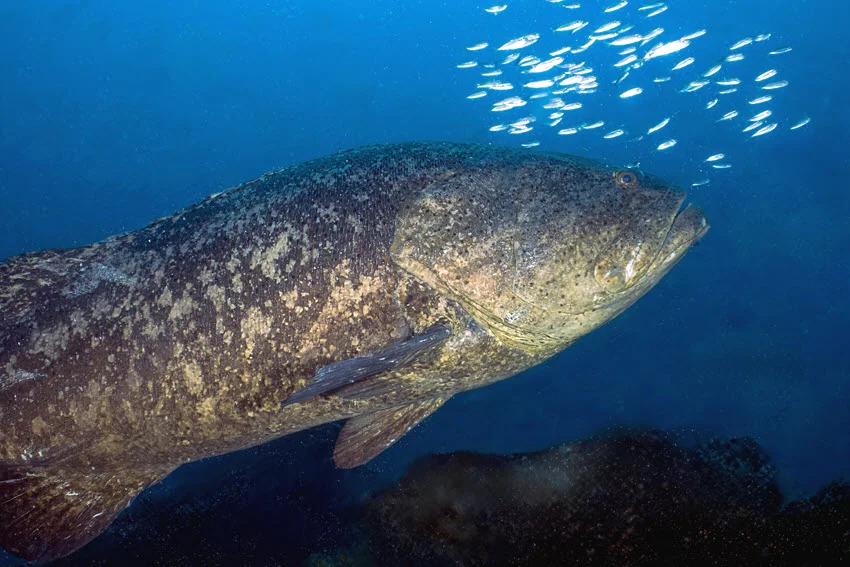
Groupers are strong, bottom-dwelling predators that live around reefs, wrecks, rocks, and deep ledges. They like to stay close to the structure, hiding in holes and popping out to grab prey. Their diet includes fish, crabs, shrimp, squid, and other reef creatures.
Instead of chasing food, they usually wait and ambush it. Because many Grouper gather in groups to spawn, they can be easy targets, which is one reason seasons and limits exist.
These fish prefer warm saltwater and are most active when the water is roughly 70°F to 85°F. In cooler months, many Grouper move deeper to stay in stable, warmer water. When temperatures rise in spring and summer, they may move closer to shallow reefs and near-shore structures. Knowing how temperature affects their movement helps anglers find the best fishing spots throughout the year.
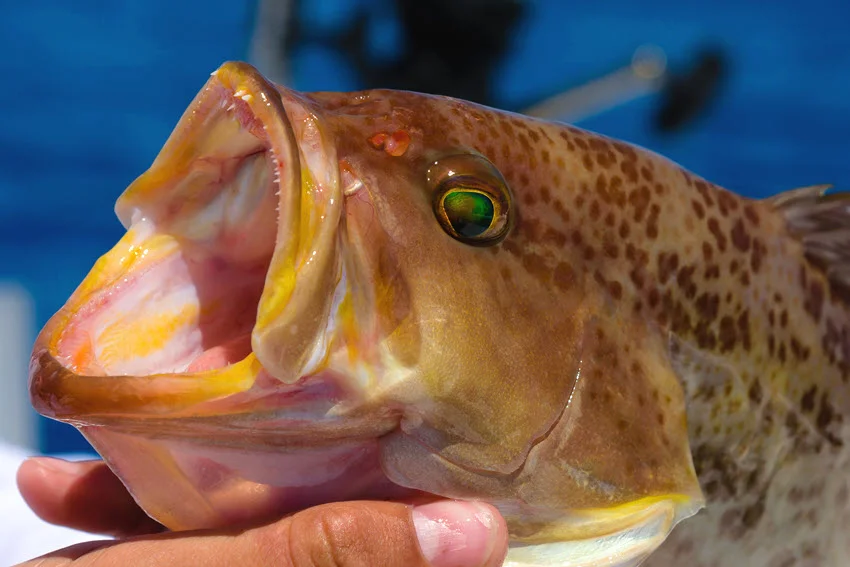
Some Grouper species can be targeted through much of the year in Florida, but open seasons vary by species, coast, and whether you are fishing in state or federal waters. In general, the most productive fishing often happens in the warmer months, especially from late spring through early fall. Let's look at the daily factors:
Warm months, coupled with good tides, are your best bet for catching quality Grouper around reefs and offshore structures in Florida. It is still somewhat productive during winter, although many fish move deeper as the water cools.
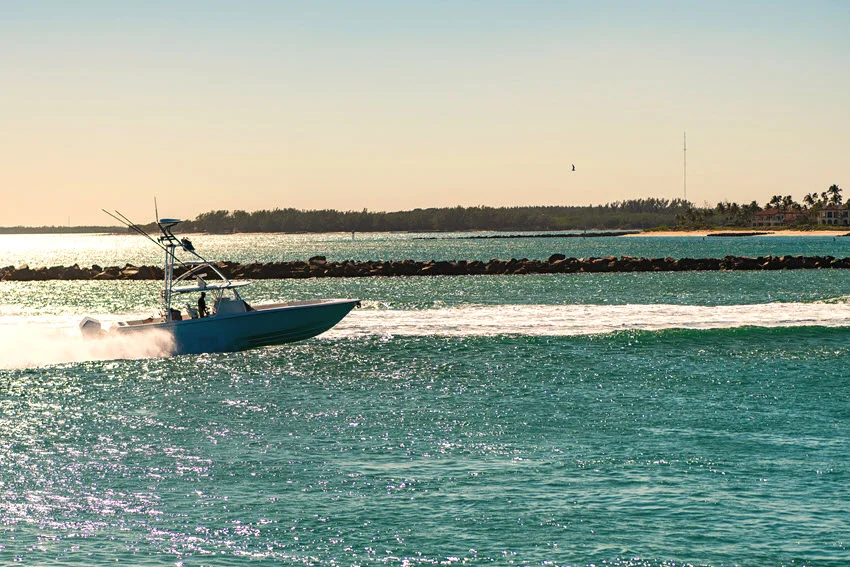
Florida has many great places to target Grouper. You can target Grouper around nearshore and offshore reefs, wrecks, ledges, and hard bottom, most often from private boats or charter vessels. Below, we discuss hotspots for Grouper.
Whichever place you choose, look for structure, rocks, and ledges. Grouper love hiding spots; the more structure you find, the better your chances of landing a big one.
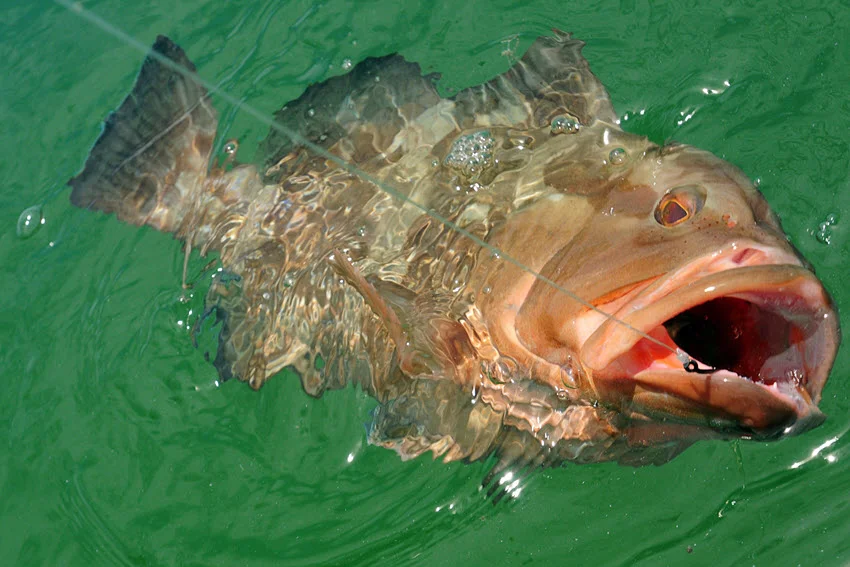
To catch Grouper, you need strong gear. These fish fight hard and live near a rough bottom, so your setup must handle power and abrasion. Below are the key components of a solid Grouper setup.
A strong setup helps you pull Grouper away from rocks fast. A good tackle means fewer lost fish and more success in fishing.
Understanding fishing regulations and preserving specific fish species contributes to protecting fish populations and ecosystems and promoting responsible angling practices.
Anglers Booking Team
To catch Grouper in Florida, you must have a Florida saltwater fishing license. If you are fishing from a private recreational vessel and intend to fish for or harvest listed reef fish species such as Gag, Red Grouper, or Black Grouper, you must also meet current State Reef Fish Angler requirements.
You need to follow all regulations, limits, and open seasons. You cannot sell your catch without a commercial license. Check the latest rules on the FWC website before you go fishing (the rules may change from time to time).
Grouper are strong fish; even then, they do require careful handling once they bite. Big fish help the population grow, so protecting them matters. When landing one, don't drop it and keep it wet.
If the fish is undersized or out of season, release it quickly and carefully. Florida reef fish gear rules require anglers fishing from a vessel to have a dehooking device and a descending device or venting tool rigged and ready for use, and Grouper must be landed with the head and fins intact.
Releasing big fish helps maintain a healthy fish population. Big Groupers are adult fish that lay the most eggs. Follow the rules to help protect Florida's fishing for the future.
Grouper fishing in Florida offers anglers a wide range of species, habitats, and regional fisheries to explore. Knowledge of the law, regarding seasons and size limits, keeps fishing legal.
Concentrate your efforts on structure with strong gear and effective bait. With those tips in your pocket, you're on the right track to catching Grouper. Remember to always check FWC rules before your trip.
Do you enjoy chasing Grouper along Florida's coast? Tell us where you like to fish, or which bait works best for you. Share your experience in the comments below.
Disclaimer: Fishing regulations and open seasons may vary by region and are subject to change. The information in this guide is for general reference only. Learn the latest fishing rules, size limits, and season dates on the official websites of the state or federal government before your trip.

The expert copywriters at Anglers Booking have meticulously crafted this article. Our dedicated team of writers provides valuable insights and information to enhance your angling experience.
Your email address will not be published. Required fields are marked *
Thank you for your comment! It has been submitted for review and will appear on the site shortly.

November 29, 2025

October 27, 2024
Subscribe to our newsletter and receive a selection of cool articles every week.
Embark on unforgettable fishing adventures with us at Anglers Booking.
book your charter
October 2, 2026
September 8, 2026
August 21, 2026
August 18, 2026
August 15, 2026
August 12, 2026
August 8, 2026
August 4, 2026

You're now part of our exclusive community. Get ready for premium content and updates straight to your inbox.
close
Subscribe to our newsletter and receive a selection of cool articles every week.
Please enter a valid email address.
Be the first to know when we're back in action.
Please enter a valid email address.
Thanks, folks. This article is straight to the point and really useful for beginner anglers to understand the rules in one quick read :)
Thanks so much, Chris. We are really glad the article was clear and helpful for beginner anglers. Feel free to reach out if you have any additional questions.