


Anglers Booking Team
The expert copywriters at Anglers Booking have meticulously crafted this article. Our dedicated team of writers provides valuable insights and information to enhance your angling experience.
 8 minutes read
Steady action, strong fights, and year-round opportunities make Catfish some of the most sought-after freshwater fish in Florida. The state offers fishing opportunities for Channel Catfish, Blue Catfish, Flathead Catfish, White Catfish, and several species of Bullhead.
Because these fish inhabit lakes, rivers, canals, and reservoirs throughout the state, understanding the basic statewide rules keeps fishing simple and enjoyable.
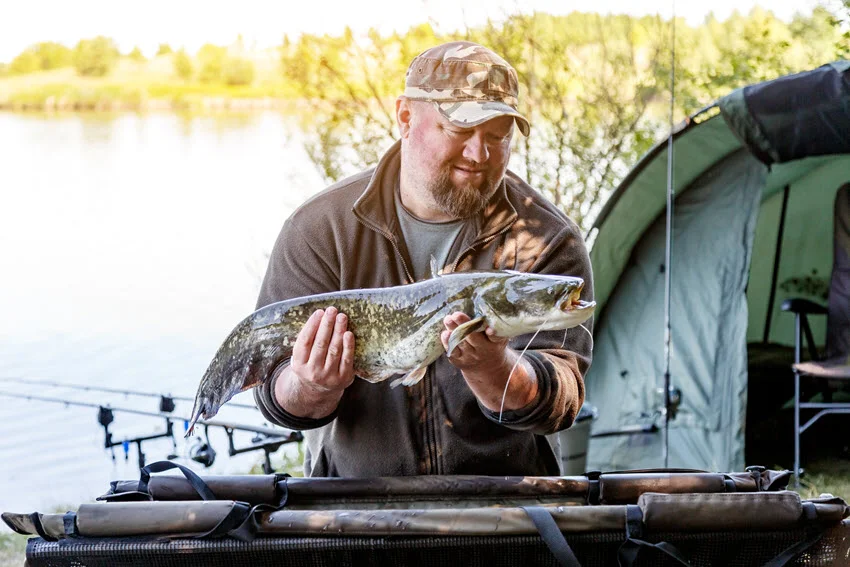
The Florida Fish and Wildlife Conservation Commission (FWC) manages Catfish populations for long-term sustainability. In Florida, there is no specific season for Catfish. Additionally, size and bag limits vary statewide, but larger species such as Flathead and Blue Catfish are subject to special regulations in many water bodies.
Whether from a riverbank, dock, kayak, or boat, knowing the regulations, techniques, and ideal conditions will help you consistently catch Catfish and fish responsibly. Let's get started with the rules every Florida angler needs to know.
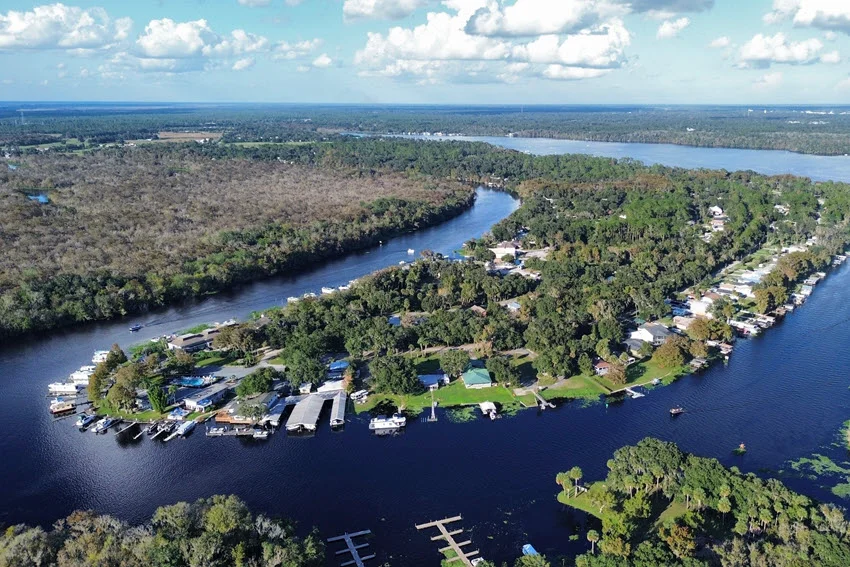
Catfish may be harvested year-round. There is no universal statewide size or bag limit that applies to all Catfish species across every waterbody, so anglers must check the rules for the species and water they plan to fish.
Some Fish Management Areas (FMAs) and named waterbodies have special rules for certain Catfish species. These rules vary by location and are subject to change. Examples of waters with location-specific Catfish regulations include Lake Talquin, Lake Seminole, Lake Tohopekaliga, the Harris Chain of Lakes, and Lake Okeechobee. Anglers should always review the current FWC rules for the specific water body they plan to fish.
Catfish can be targeted in Florida across lakes, rivers, canals, and reservoirs, with better action during warmer months and in low-light periods. Productive areas include channel edges, deeper holes, submerged structure, and areas with current or inflow. This section reflects fishing patterns, not regulations.
These regulations help maintain balanced freshwater fisheries and support long-term population health. Following waterbody-specific rules helps support responsible fisheries management and long-term Catfish fishing opportunities across Florida.
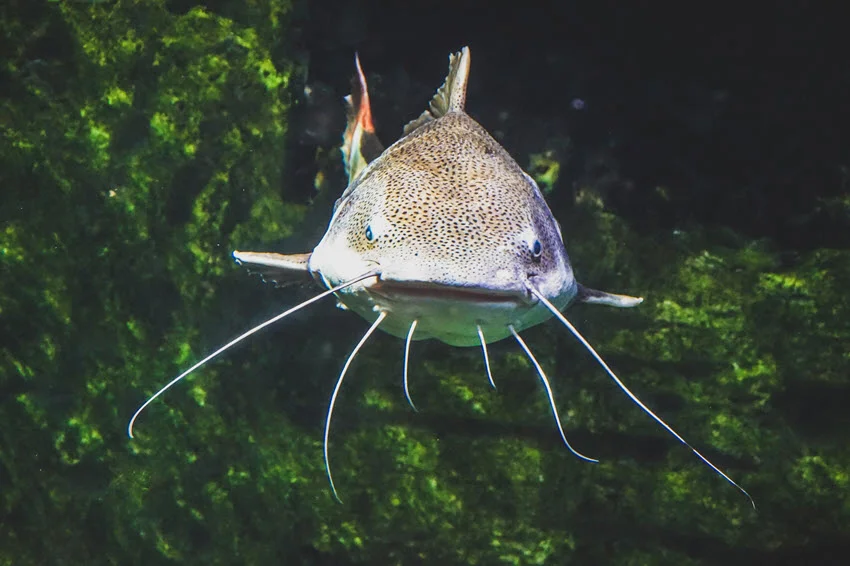
Catfish are found across a wide range of conditions. They prefer deeper holes, submerged timbers, undercut banks, and soft muddy bottoms. Many species, especially Channel and Blue Catfish, use their sensitive barbels to search for food in low-light or murky water.
Water temperature is a key factor in Catfish feeding behaviors. Most species thrive between 70°F and 85°F, which is typical in Florida. They become less active or go deeper during cold fronts and seek shady or oxygen-rich areas in the summer.
Catfish are opportunistic feeders, feeding on smaller fish, insects, crustaceans, mollusks, and decaying organic matter. One exception to this, however, is the Flathead Catfish, which feeds on live prey and can thus be considered an apex predator in any system it enters.
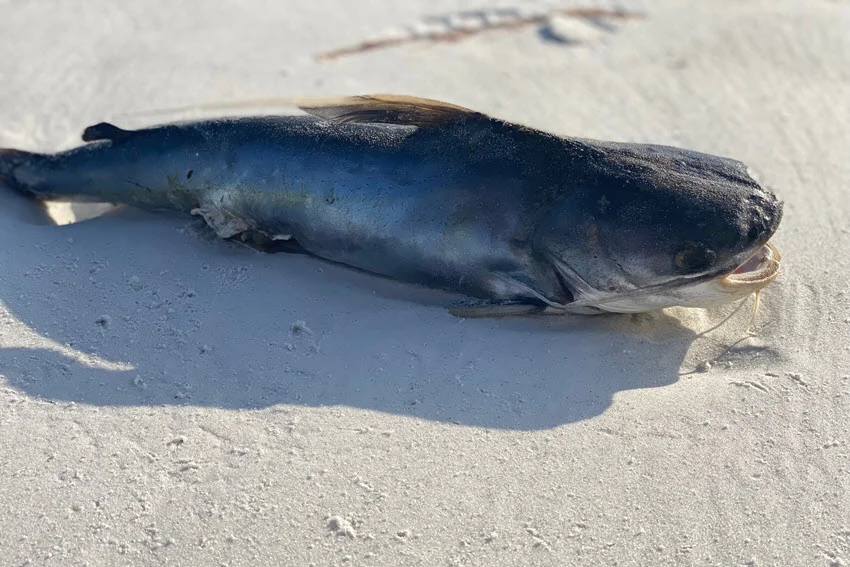
The best action to catch Catfish is from late spring through early fall. In addition, summer nights can be especially productive, as Catfish move shallower to feed along the bottom. Time of day, current, inflow, and weather can all affect success.
When water temperatures are cold, Catfish tend to congregate more in deeper holes or slow pools of the river. Adapting to these winter patterns is the way to continue success even during cold fronts.
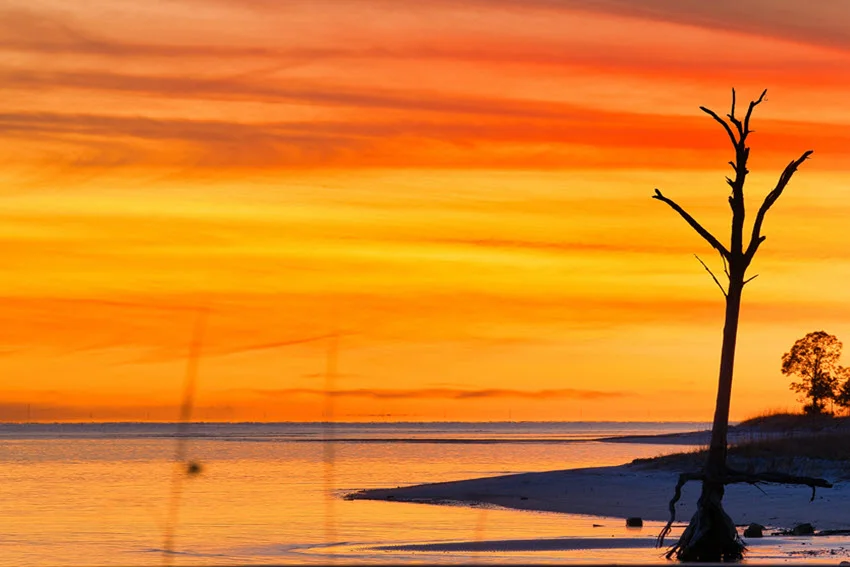
Outstanding Catfishing opportunities can be found in Florida lakes and river systems. The following identifies a number of the best places to target different species.
Reviewing current conditions from the FWC or local waterbody updates before each trip helps anglers narrow down productive areas, while local reports can add context on recent bite patterns.
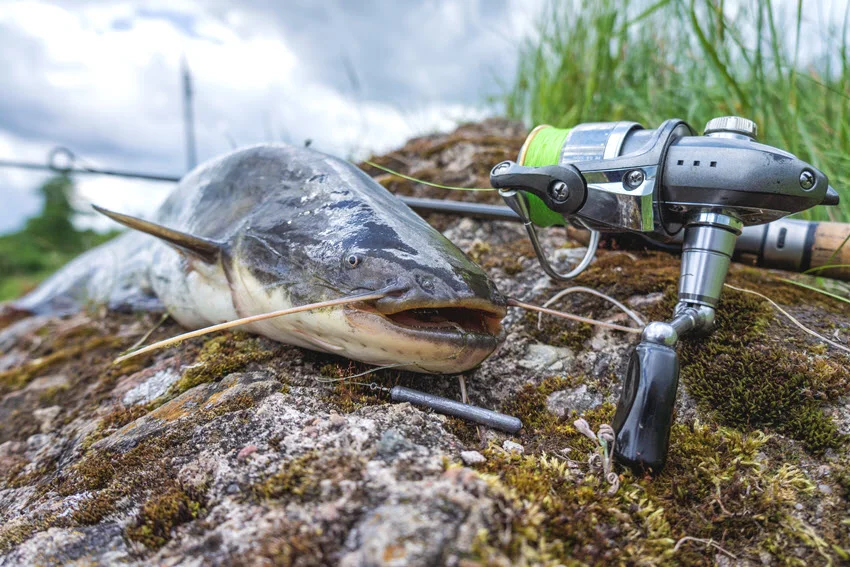
In targeting Catfish in Florida, you will want a decent setup that can handle any size fish. Here are some things to consider when gearing up for them:
Using the right tackle combined with strong knots increases landing success and allows safe release, if needed.
Understanding fishing regulations and preserving specific fish species contributes to protecting fish populations and ecosystems and promoting responsible angling practices.
Anglers Booking Team
Catching Catfish in Florida requires a license, and fishing without permission results in fines. The required document is the Florida freshwater fishing license, for both residents and nonresidents, unless exempt due to age or disability.
It is available online and at many outdoor retailers and bait shops. Generally, Catfish do not need any special permit; however, all Catfish anglers must observe specific water body restrictions and invasive species harvest rules.
When handling Catfish, ensure your hands are wet to avoid hurting the fish or yourself. Hold the fish by the body while using a dehooker to remove the hook, as Catfish have strong spines, making proper handling crucial for both the angler and the fish.
To keep the fish edible, store it in a large cooler filled with ice. It is crucial to limit the fish's exposure to air when releasing it. The fish should be returned gently to the water to minimize stress. Harvesting the invasive Flathead Catfish and Blue Catfish, if permitted, will help native species.
Catfish fishing in Florida is consistent, exciting, and suitable for anglers of all ages. With the right gear, timing, and understanding of local rules, anglers can enjoy steady Catfish action year-round. From Bullhead species to large Flathead and Blue Catfish, Florida offers a wide range of opportunities.
What is your favorite Catfish species to target in Florida? Whether you fish rivers, lakes, or summer nights with cut bait, share the tips and experiences that have worked best for you.
Disclaimer: Fishing regulations and open seasons may vary by region and are subject to change. The information in this guide is for general reference only. Learn the latest fishing rules, size limits, and season dates on the official websites of the state or federal government before your trip.

The expert copywriters at Anglers Booking have meticulously crafted this article. Our dedicated team of writers provides valuable insights and information to enhance your angling experience.

January 20, 2025

November 13, 2024
Subscribe to our newsletter and receive a selection of cool articles every week.
Embark on unforgettable fishing adventures with us at Anglers Booking.
book your charter
September 8, 2026
August 21, 2026
August 18, 2026
August 15, 2026
August 12, 2026
August 8, 2026
August 4, 2026
April 17, 2026

You're now part of our exclusive community. Get ready for premium content and updates straight to your inbox.
close
Subscribe to our newsletter and receive a selection of cool articles every week.
Please enter a valid email address.
Be the first to know when we're back in action.
Please enter a valid email address.
Leave a Comment
Your email address will not be published. Required fields are marked *
Thank you for your comment! It has been submitted for review and will appear on the site shortly.