


Anglers Booking Team
The expert copywriters at Anglers Booking have meticulously crafted this article. Our dedicated team of writers provides valuable insights and information to enhance your angling experience.
 11 minutes read
Drum fish belong to the Sciaenidae family, a group of saltwater and some freshwater fish that make "drumming" sounds using muscles that vibrate the swim bladder. In this article, we will cover the most popular types of them: Black Drum, Red Drum, Weakfish, Freshwater Drum, and Silver Drum. These species are essential to both anglers and scientists, as they exhibit diverse habitats and behaviors.
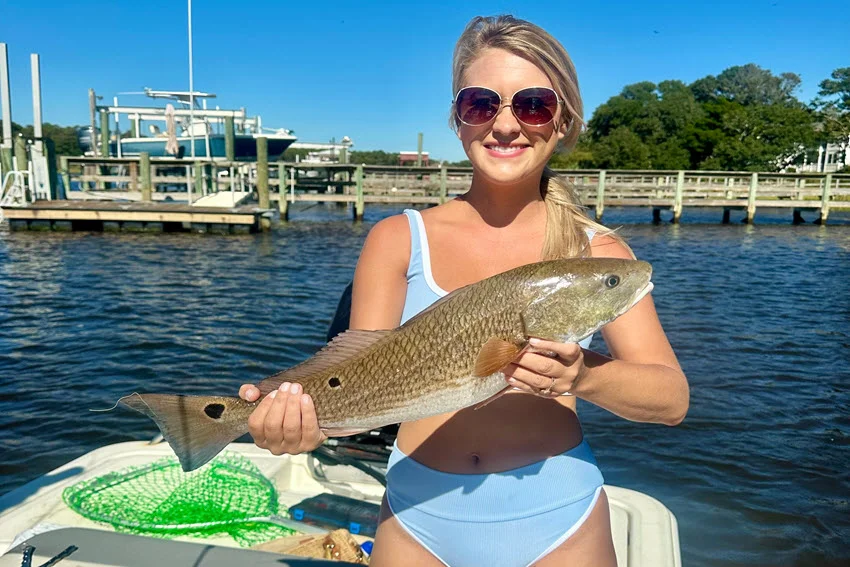
Drum fish behave differently depending on the species. That's why it's essential to know how to distinguish these types of fish. These fish are popular for several reasons. Many are prized for their fight when hooked (for sport fishing) and therefore for their flavor. Additionally, Drums often have cultural importance in coastal or riverine communities.
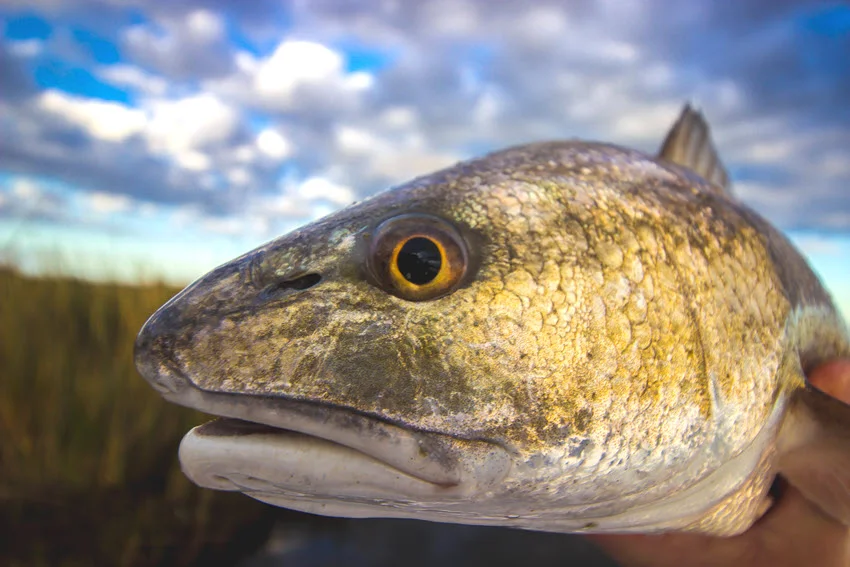
Drum fish are named for the sounds they produce that come from special muscles that beat against the swim bladder, creating a low drumming or croaking noise. This is most common in males during the spawning season.
They are generally bottom-dwelling fish, feeding on what they can find near the seabed or riverbed. Many Drum species eat shellfish, crabs, and smaller fish. Their strong teeth and jaws allow them to crush hard shells, which makes them important predators in their ecosystems. In freshwater, they often consume mussels, snails, and insect larvae.
Drum fish also have a strong connection with people and the fishing industry. They are popular among recreational anglers for their fighting strength, and in some areas, they are an essential food source. Beyond fishing, they help balance aquatic ecosystems by keeping populations of mollusks, crustaceans, and small fish in check.
Below are some well-known Drum species (family Sciaenidae) commonly caught by anglers. For each one, we'll look at size, where to find them, best times, gear needed, and what baits work well.
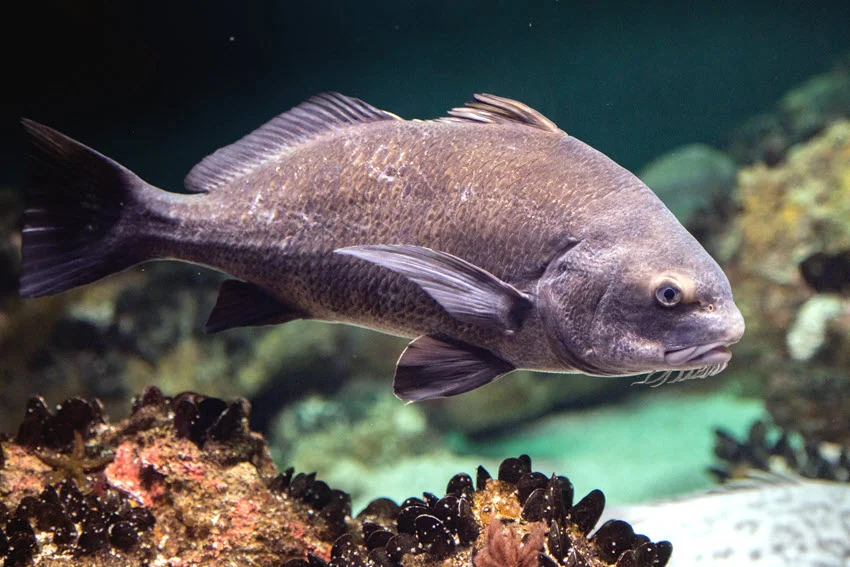
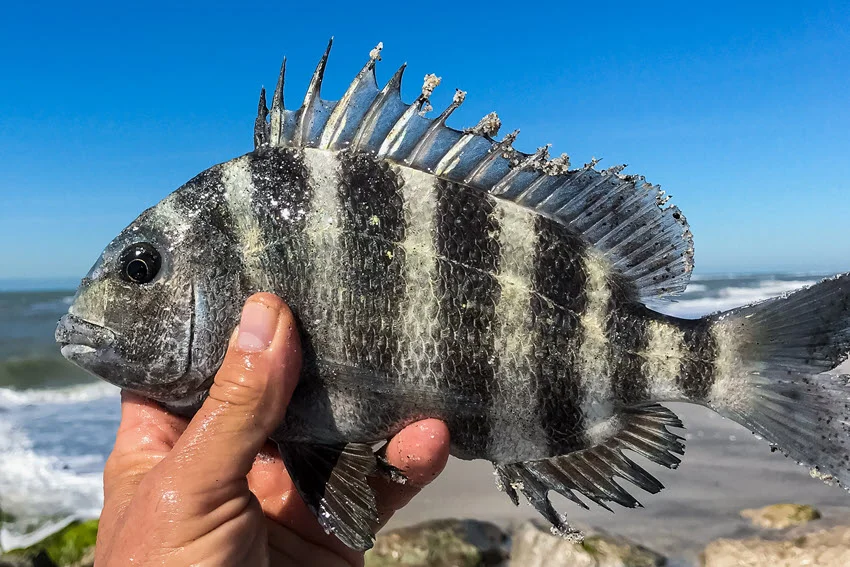
Black Drum are large, heavy-bodied fish with a high arched back. They have whisker-like barbels under the lower jaw (chin), which help them detect food on the bottom. Young Black Drum often show vertical dark stripes that fade as they mature. Their coloration can vary, from silvery gray to near black, depending on habitat and water clarity. They have strong jaws and rounded (pharyngeal) teeth applicable for crushing mollusks and shellfish.
Most commonly caught Black Drum weigh between 30 and 40 pounds. They can reach much larger sizes; the most significant recorded weight is about 113 pounds. As for length, Black Drum can grow over 46 inches long.
They inhabit a wide range of depths. Often Black Drum are found in shallow bays and estuaries, sometimes so shallow that their backs are visible above water, but also in deeper offshore waters, up to about 100 feet or more.
In terms of location, they favour structures such as oyster reefs, mud and sand bottoms, docks, bridge pilings, bayous, and sometimes nearshore Gulf waters. Juveniles tend to stay in estuaries and shallow areas; adults drift more broadly inshore and offshore depending on the season.
The peak spawning and catch seasons are generally in winter to early spring. For example, February, March, and sometimes extending into April, depending on the region.
Lowest activity or less successful catches tend to occur during colder months, when water cools severely, especially in deep winter, or during midday, when Drum retreat to deeper, cooler, or darker waters. Early morning or near sunset tends to yield better results.
You want a fairly strong tackle for Black Drum because big ones are heavy and fight hard. A medium-heavy to heavy rod, a strong reel with good drag, and line rated for at least 30 to 50-lb test are useful for larger fish. Hooks should be large and sturdy, especially if the bait has to survive crushing or rough handling.
When fishing from piers or shore, using bottom rigs that allow the bait to rest on or near the bottom is effective. Additionally, using sinkers to keep bait stable in currents or waves is also helpful. Also, using circle hooks or similar that hold in the mouth rather than the throat helps in catch-and-release of large Drum.
Black Drum often feed on mollusks by crushing shells, so oysters, clams, and mussels are very effective as baits. Pieces of crab or large shrimp also work. Using cut bait can help when targeting the larger individuals that pick bait off the bottom.
Additionally, look for them at depths of 10 to 165 feet during certain times, around those structures. Baits placed near the bottom or in contact with the structure often produce better bites.
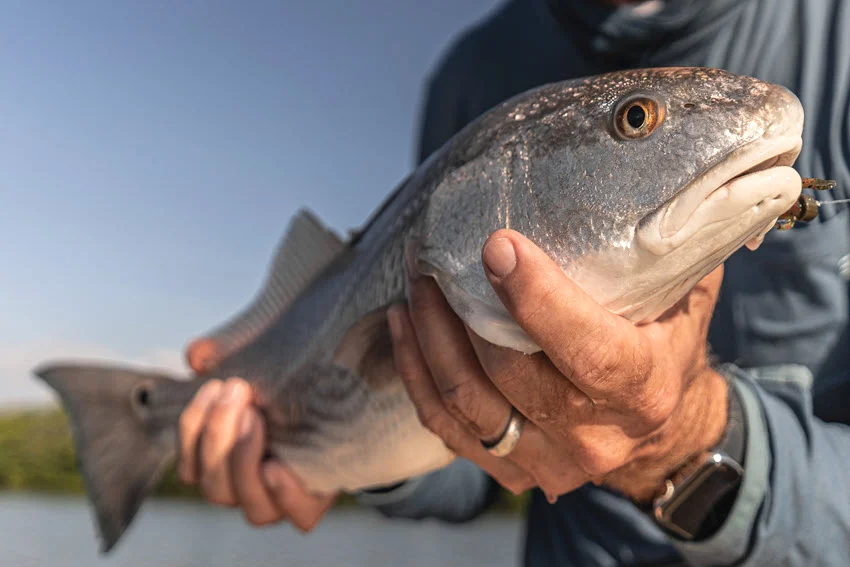
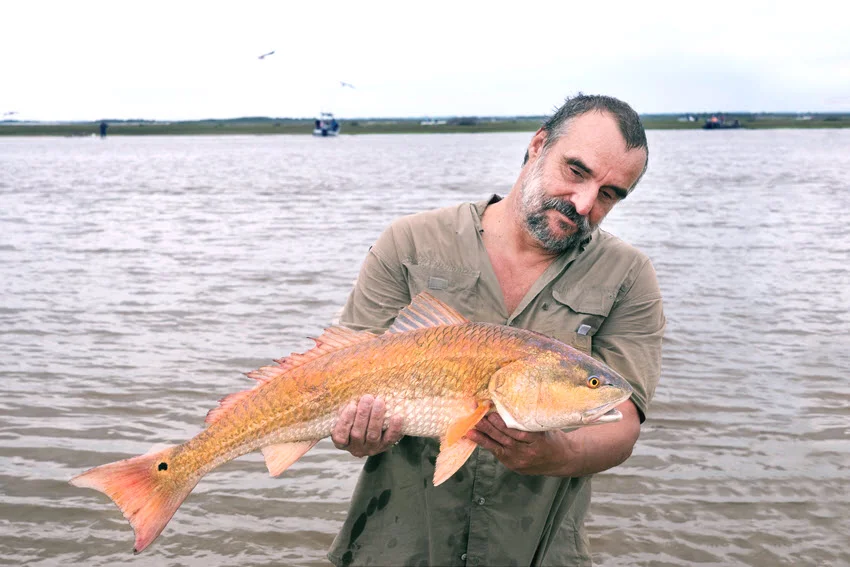
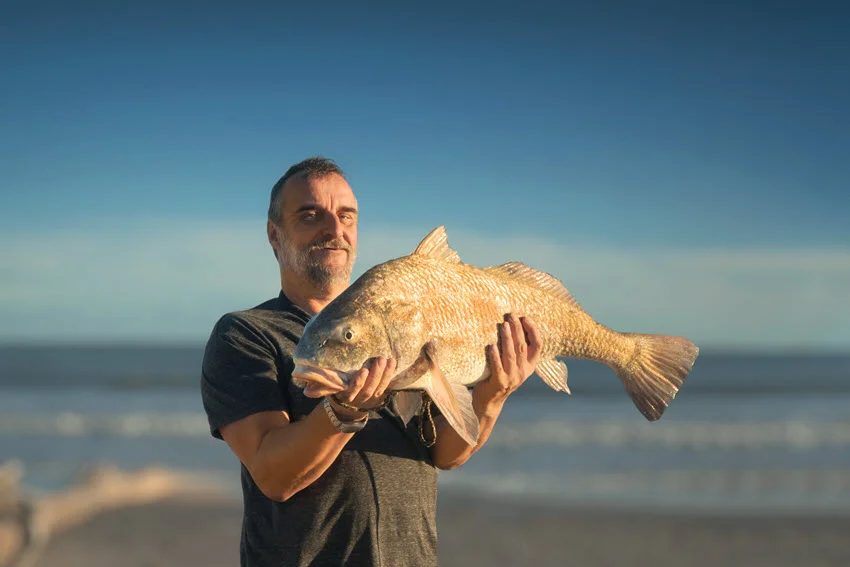
Red Drum (commonly known as Redfish) are elongated and somewhat streamlined compared to Black Drum. They have a copper-reddish to golden-bronze back fading toward a lighter underside. A characteristic mark is a dark black spot (or sometimes more spots) near the tail base on the upper rear side; sometimes more than one spot, especially in younger fish. They do not have barbs under the chin like Black Drum. Their mouths are somewhat downturned, adapted for bottom feeding.
On average, Red Drum in Florida and the Gulf regions grow to about 40 inches and 40 pounds on the Gulf coast; on the Atlantic coast, they can reach about 45 inches and 52 pounds. The world-record Red Drum catch weighed around 94 pounds.
They are found in estuaries, bays, river mouths, surf zones, and nearshore coastal waters. Young Red Drum often remain in shallow, protected marsh flats or grassy areas, while mature fish may move to deeper nearshore waters.
Typical depth ranges vary: many are caught in shallow waters (just a few feet up to maybe 20 to 30 feet), especially near structure or tidal inlets. Under certain circumstances, adults enter deeper coastal waters.
Peak season tends to be late summer into fall, often from August through November, depending on the region. That's when spawning occurs and when fish move near shore.
Lowest success rates often occur in the coldest months (deep winter) and during heat stress or on extremely hot summer days. Additionally, midday can be less productive, with early morning or evening being more productive.
Use medium-heavy to heavy saltwater fishing gear. Rods that can handle weights of 20 to 50-lb line, reels with good drag, and strong hooks (size depends on bait). For structure fishing (jetties, oyster beds), gear that handles some current and rugged bottom.
When fishing from a boat or shore, bottom rigs, drift rigs, and allowing natural bait to rest or slowly move just off the bottom often work well.
Some of the best Red Drum baits include live or cut shrimp, crabs, mullet, menhaden, or silversides. Using bait that mimics what Red Drum eat in that region helps.
Also watch for fish feeding near structure or edges of flats; placing bait near the bottom in those zones, often at depths where they rest just off the substrate during low tide or moving water, improves chances.
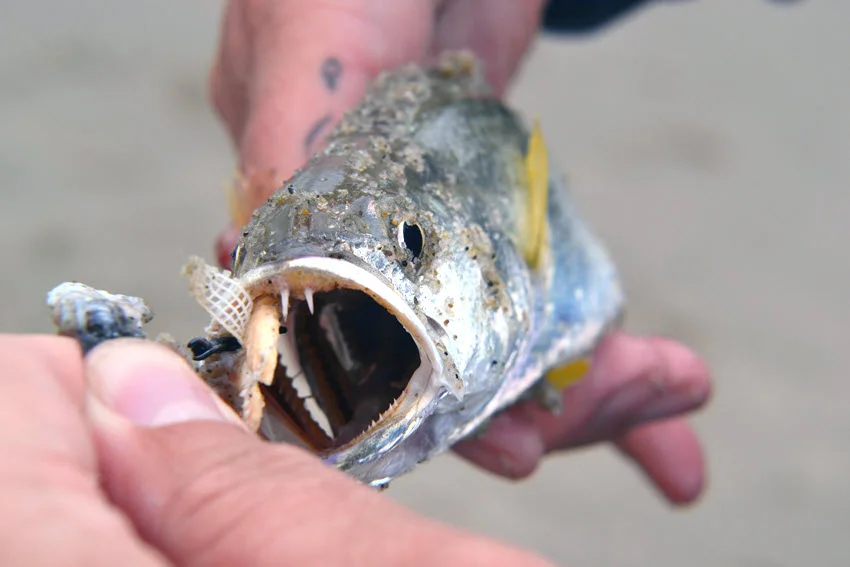
Weakfish are more slender compared to Black or Red Drum, with a streamlined body. They have greenish-gray backs, silvery sides, and a belly. The upper parts of the sides often have small dark or bronze freckles or spots, especially near the back. They have a large mouth with some canine-like teeth. They do not have barbs under the chin.
Average mature individuals are between 12 and 18 inches long, but can reach up to 36 inches. Typical weights range from 6 to 18 pounds, though rare individuals may exceed that.
They are found in estuaries, bays, sounds, and nearshore marine waters along the Atlantic coast (from Nova Scotia down to Florida). Juveniles use shallow, protected areas; adults move into deeper nearshore waters, sometimes over sandy bottoms.
Depths where they are found commonly range from a few feet to perhaps 40 or 50 feet, especially near estuary mouths or inshore shelves. When water warms, they move more inshore; when it is colder, they retreat offshore.
Peak seasons are spring through summer, especially around April to early fall, when they migrate into inshore and estuarine areas.
Lowest success occurs in winter or during very cold-water periods, or midday, when fish may be deeper or less active. Early morning or dusk offers better chances.
Use light to medium saltwater gear, lighter rods, since fish are not as bulky as Black or Red Drum. Leaders and hooks should be suitable for predatory behavior (since Weakfish eat fish, shrimp, etc.). Small to medium live bait rigs or artificial lures work well.
If fishing from boats, drifting, or casting over flats, nearshore reefs, or estuary edges it gives good results. Baits should be placed off the bottom or near it, depending on where the fish are moving.
Good baits include small live fish, shrimp, and sometimes soft-plastics imitating baitfish. Cut bait also works. Because they feed somewhat higher in the water column as well, top-water or near-surface lures can sometimes produce hits.
Also, look near sand or mud flats, drop-offs, and around structures where prey fish congregate; bait placed just off the bottom or slowly drifting often is effective.
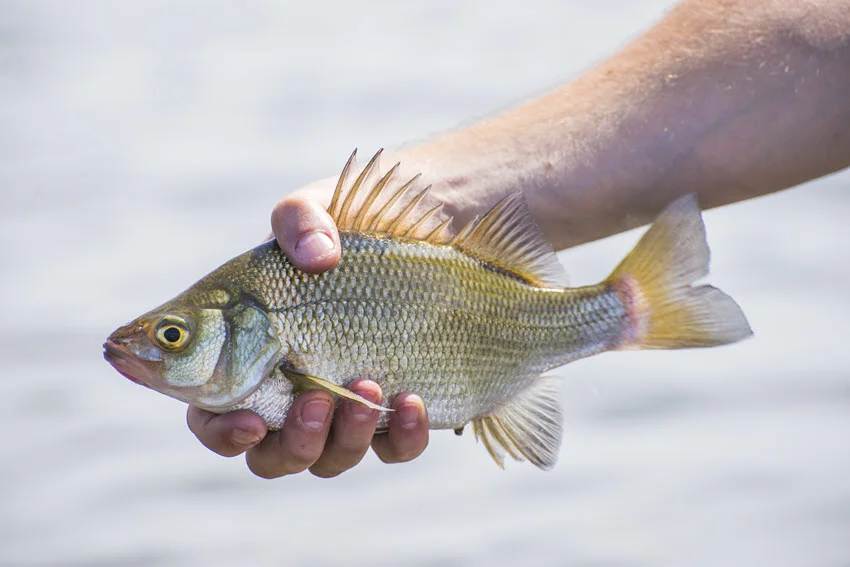
Freshwater Drum are silvery or gray, deep-bodied fish with a distinct humpbacked appearance: the body slopes upward from the snout to the dorsal fin. The dorsal fin is divided (a spiny front part and a soft-rayed back part). Lips are light-colored (milky white), and pelvic fins are often white with sometimes a slight orange tinge. They do not have the whisker-barbels under the chin like Black Drum.
Typically, they range from 12 to 20 inches in length and weigh between 1 and 5 pounds in their more common sizes. However, some individuals can grow much larger; in exceptional cases, they may weigh up to 40 pounds.
They are found in lakes, large rivers, and reservoirs, often over sandy or mixed mud and sand bottoms. In river systems, they are more abundant in deeper pools and in parts downstream in tributaries.
In terms of depth, many are around 30 feet deep in rivers with large pools and reservoirs. Also, in shallower water near shorelines during certain times, but bottom areas at moderate depths tend to hold more.
Spawning season is usually in summer, often June through July in many regions, when water temperatures are warm.
Lower activity often occurs during freezing weather or when lake or river levels fluctuate dramatically. Also, midday is when fish move to deeper, calmer waters. Early morning or evening tends to provide a better bite.
Gear that can cast a bait to the bottom; medium strength rod, reel with good drag, line appropriate for fish in that size range (10 to 20-lb line often sufficient for typical size, heavier gear needed for larger trophy specimens). Hooks large enough to hold bait and strong enough to resist crushing.
Additionally, baits should be placed on or near the bottom. Using sinkers to keep the bait stable is also beneficial. Fishing near structures, drop-offs, or deeper pools in lakes or rivers increases the chances of success.
Effective baits include crayfish, aquatic insect larvae, small fish (baitfish), and, where available, mussels or clams, because Drum feed benthically and bait in contact with the substrate is beneficial.
Also, targeting zones around 30 feet deep in rivers or reservoirs often yields better results, so using bait at these depths near the bottom is recommended.
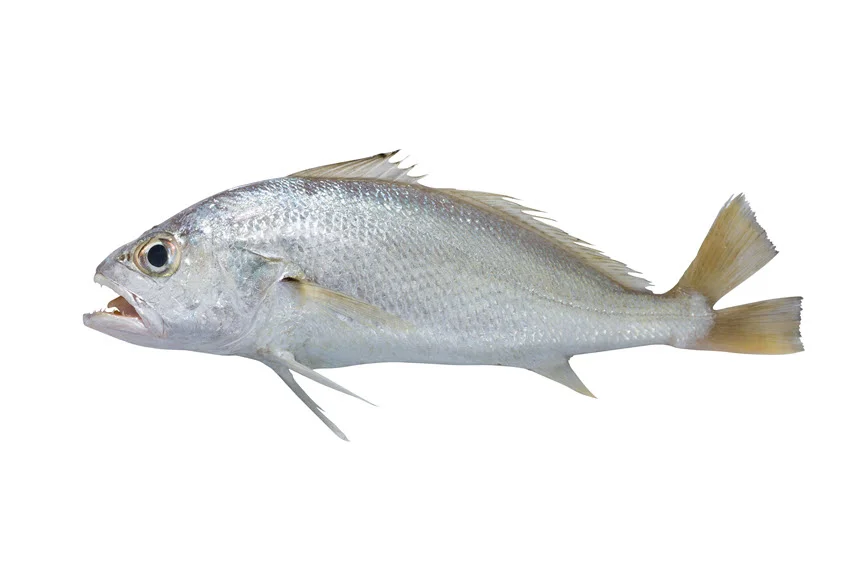
Silver Drum are smaller, streamlined members of the Sciaenidae family. They have silvery-gray bodies with a slightly darker back and a more elongated shape than Black or Red Drum. Their mouth is adapted for feeding on planktonic crustaceans, and they lack the whisker-like barbels found on Black Drum.
They are relatively small compared to other Drum species. They typically reach about 14 inches in length and weigh around 1.15 pounds.
Silver Drum inhabit coastal waters and lagoons along the eastern Pacific. They are ubiquitous on the western coast of Mexico. They prefer sandy bottoms and can often be found at depths up to 165 feet.
These fish occasionally enter estuaries, showing some tolerance for lower-salinity waters. Juveniles tend to stay closer to shore in calmer, shallower areas. On the other hand, adults move slightly offshore in response to food availability.
Silver Drum are not as widely targeted as other Drum species, so detailed seasonal patterns are less documented. Anglers generally have more success in calm, shallow coastal waters where planktonic crustaceans are abundant.
Fishing is often most productive in the early morning. You can also try fishing in late afternoon when Silver Drum are actively feeding near the bottom or in midwater. Observing local tides and currents can also improve catch rates.
Because Silver Drum are smaller than many other Drum species, light to medium saltwater tackle works best. A medium rod with a smooth-drag reel, 10 to 20-lb line, and small hooks is ideal.
Small bait rigs that keep bait near the bottom or allow it to drift slowly are most effective. Using rigs that keep bait just off the substrate can help attract Silver Drum feeding slightly higher in the water column.
Effective baits include small crustaceans, plankton-rich shrimp, and other forage organisms. These mimic the natural diet of Silver Drum. If you can use these baits, there is no doubt that you are well on your way to causing Drum bites.
Because Silver Drum feed in both the water column and near the bottom, presenting bait slightly above the substrate can improve catch rates. Experimenting with slow drifts or gentle movement often produces better results.
When fishing for Drum, it helps to match your bait to what they naturally eat. Black Drum prefer crabs, oysters, and clams, while Red Drum go for shrimp and small baitfish. Freshwater Drum are more likely to bite on worms, crayfish, or mussels. Using the effective bait leads you to fishing success.
Many Drum species feed more actively when the water is moving. Rising or falling tides stir up food, making fish more likely to bite. In rivers and lakes, Freshwater Drum gather in deeper pools when the current is steady. Placing bait in those spots can be productive.
Drums are often bottom-oriented fish, so it's smart to use rigs that keep your bait near the bottom. Weighted rigs with sinkers (Carolina rig or simple bottom rig) work well for both saltwater and freshwater fishing. This keeps the bait where Drum are most likely searching for food, close to the sand, mud, or oyster beds.
Be ready for a fight at any moment. Drums, primarily the larger Black and Red Drum, are known for their strength. Use steady pressure on the rod. Let the fish wear itself out before reeling in. Freshwater Drum may not reach the exact massive sizes, but they still pull hard for their weight, making them a fun challenge for anglers of all levels. Be persistent, don't give up if it seems like the fish aren't biting. For Drum fishing, patience is essential.
Understanding fishing regulations and preserving specific fish species contributes to protecting fish populations and ecosystems and promoting responsible angling practices.
Anglers Booking Team
Staying safe on the water and following local laws protects both anglers and the fish populations. Every region has different safety guidelines and fishing regulations, so it's essential to be informed before heading out.
Preparation is key to having a safe, successful, and enjoyable Drum fishing trip. Fishing can be unpredictable, and spending time on the water can be risky. For this reason, you should be careful. The tips below will help you stay safe and reduce stress.
By keeping these safety measures in mind, anglers can focus on enjoying the thrill of Drum fishing without risks. Following these precautions makes every trip safer and memorable, whether you’re a beginner or an experienced angler.
Different states and regions have rules to protect Drum populations. These ensure healthy stocks for future generations.
Following regulations not only avoids fines but also helps conserve these fish so that Drum remain abundant for future anglers.
Drum fish are a fascinating group that connect ecosystems, anglers, and local traditions. Each type has its own charm and its own challenges. Learning how to identify and catch them makes fishing more rewarding.
Now it's your turn! Have you ever caught a Drum fish? Which type gave you the most memorable fight? Share your experience in the comments below.

The expert copywriters at Anglers Booking have meticulously crafted this article. Our dedicated team of writers provides valuable insights and information to enhance your angling experience.

December 21, 2025

November 15, 2024
Subscribe to our newsletter and receive a selection of cool articles every week.
Embark on unforgettable fishing adventures with us at Anglers Booking.
book your charter
September 8, 2026
August 21, 2026
August 18, 2026
August 15, 2026
August 12, 2026
August 8, 2026
August 4, 2026
April 17, 2026

You're now part of our exclusive community. Get ready for premium content and updates straight to your inbox.
close
Subscribe to our newsletter and receive a selection of cool articles every week.
Please enter a valid email address.
Be the first to know when we're back in action.
Please enter a valid email address.
Leave a Comment
Your email address will not be published. Required fields are marked *
Thank you for your comment! It has been submitted for review and will appear on the site shortly.