


Anglers Booking Team
The expert copywriters at Anglers Booking have meticulously crafted this article. Our dedicated team of writers provides valuable insights and information to enhance your angling experience.
 10 minutes read
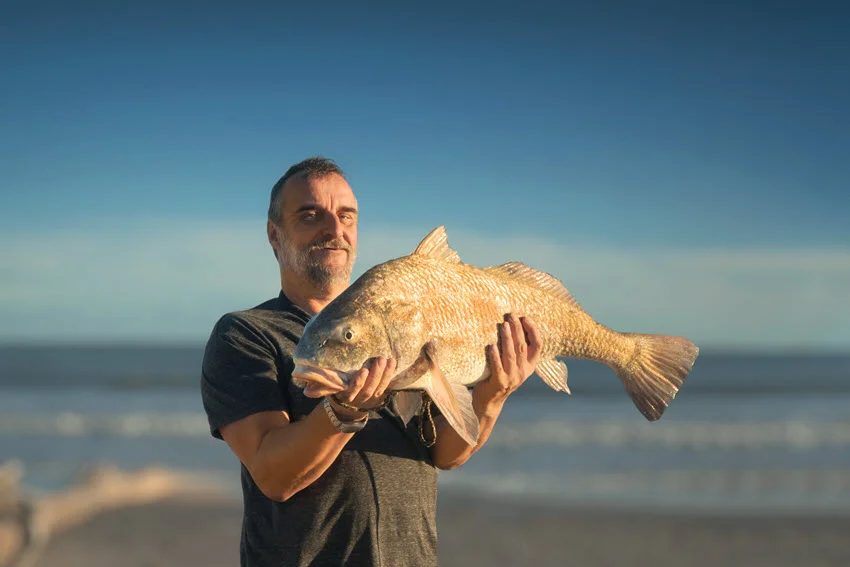
The Redfish is also known as the Red Drum. It is one of Florida's most popular fish among anglers. You can easily recognize it by its bronze body and the black spot near the tail. This powerful species attracts anglers of all experience levels. Known for its hard strikes and strong runs, Redfish fishing offers a challenge for anyone in Florida's coastal waters.
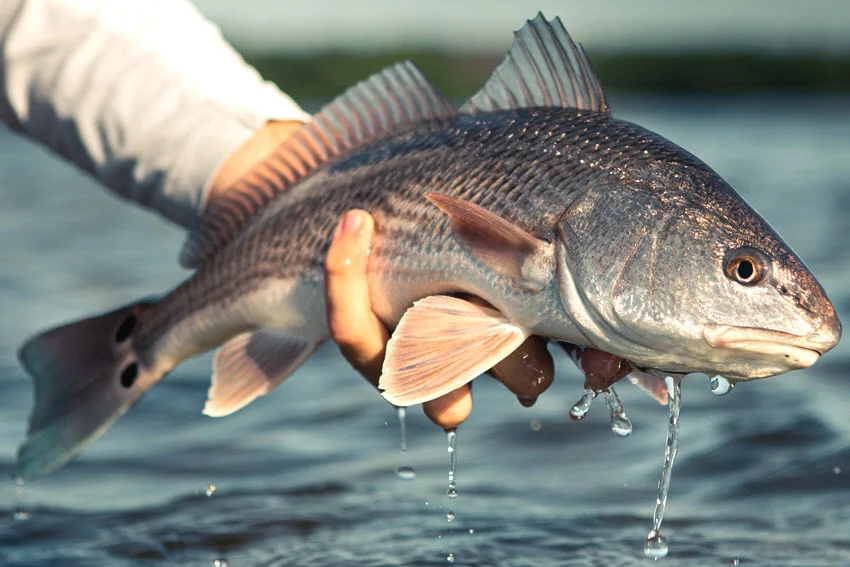
The Florida Fish and Wildlife Conservation Commission (FWC) monitors Redfish populations and may update regulations such as slot and vessel limits. Always check for updates and regulations on the official FWC website before you go fishing.
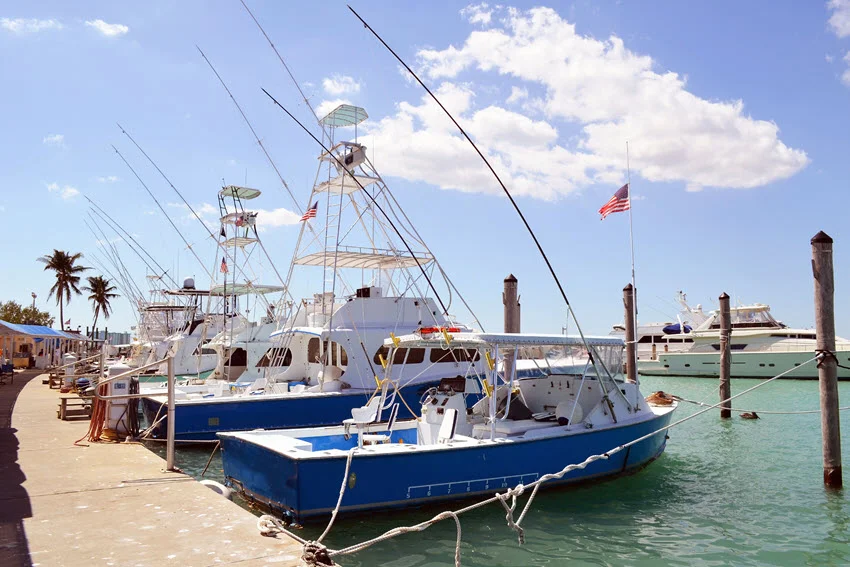
Florida divides its coastal waters into 9 Redfish management regions. Each of them has specific and special rules. In the following section, you can find information about regulations.
On the Atlantic side of Florida, Redfish rules vary by management region, including the Indian River Lagoon, Northeast, and Southeast.
The Indian River Lagoon has a catch-and-release only fishing policy. This policy was established as a result of concerns over Redfish stocks. This special regulation is an attempt to rebuild Redfish stocks in what is considered to be Florida's premier inshore fishery.
In the Northeast region, anglers may keep 1 fish per person per day (18 to 27 inches). Additionally, there is a limit of 4 fish per vessel. In the Southeast region, the limits are the same, but the vessel limit is 2 fish. If you fish in Biscayne National Park, follow the park's special regulations in addition to FWC rules.
Across Florida's Gulf-side Redfish management regions (Panhandle, Big Bend, Tampa Bay, Sarasota Bay, Charlotte Harbor, and Southwest), the season is open year-round. The slot limit is 18 to 27 inches total length, and the daily bag limit is 1 fish per person per day.
Boat limits depend on the region. The Panhandle and Big Bend regions allow up to 4 fish per vessel, while Tampa Bay, Sarasota Bay, Charlotte Harbor, and Southwest are limited to 2 fish per vessel. Any Redfish outside the slot must be released immediately. If you keep a legal fish, Redfish must remain whole until landed ashore.
Redfish may be taken using legal gear such as hook and line and cast nets, while the use of multiple hooks with live or dead natural bait, spearing (including spearfishing, gigging, bowfishing), and snatch hooking is prohibited. Also, commercial harvest and sale are prohibited.
Rules are based on Redfish spawning periods and migration patterns. Redfish are protected from overfishing during their peak spawning periods by the FWC. Rules can change, so it's important to check for any amendments before fishing.
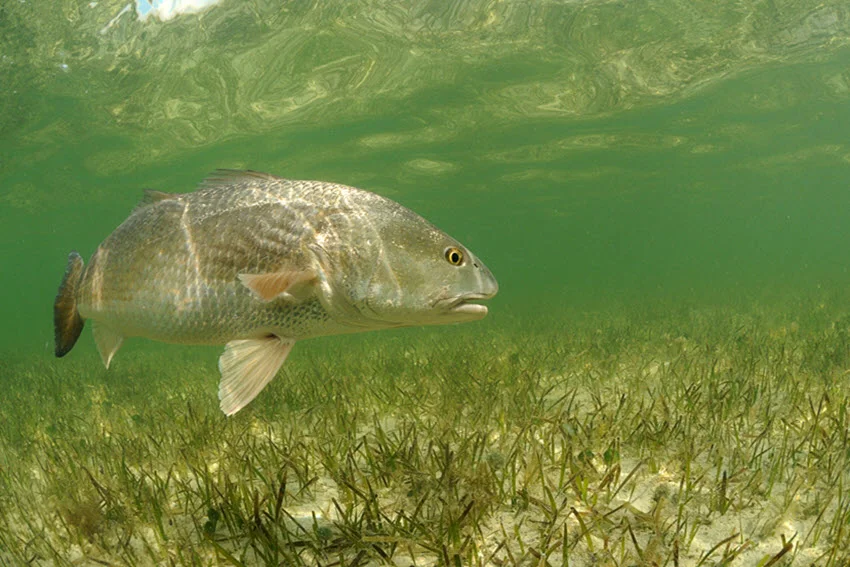
Redfish are mighty and have a gold-bronze color. They prefer shallow, warm waters near shore, moving through grass flats, oyster bars, and mangroves as they hunt. Their diet is heavily based on crustaceans and baitfish, so choosing the right Redfish bait can make a big difference in your results.
They prefer a water temperature range of 70°F to 85°F, in which they are actively roaming and foraging. When water temperatures drop, Redfish often slide into deeper channels, rivers, and back bays for more stable conditions. When it warms up, they return to the flats to feed.
Redfish are most active around tide changes, particularly when the tide is going out, and baitfish are being swept from flats. Baitfish can be seen trailing in shallow areas. Redfish tails stick out of the water as they root around for bait. This is when Redfish are easier to find and more prone to biting.
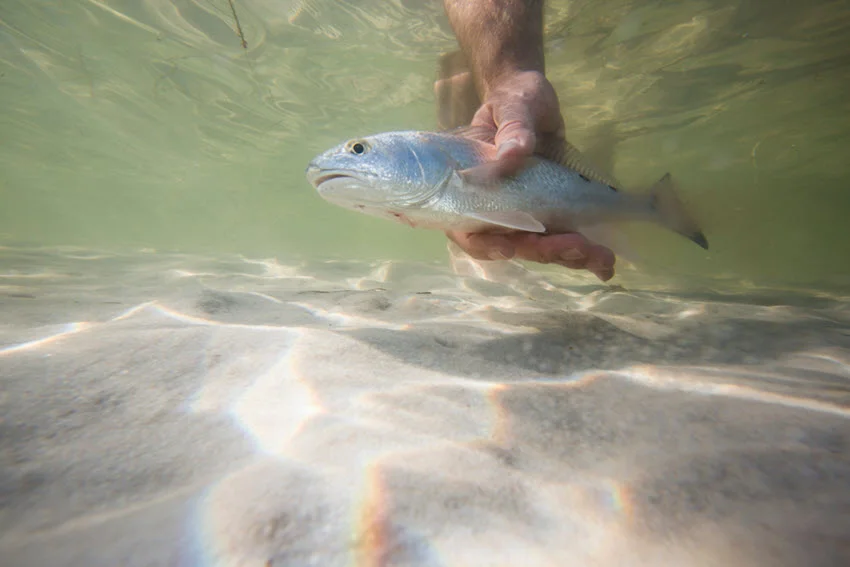
Redfish can be caught throughout the year in Florida. Still, specific periods offer far better action. The most productive fishing happens from late summer through fall, particularly August, September, and October. Here are the key factors that shape when and how you should target them:
Work around the right season, tides, and light conditions, and you will be on the right track to catch solid Redfish. In late summer and fall, they often school up near passes, bays, and inlets.
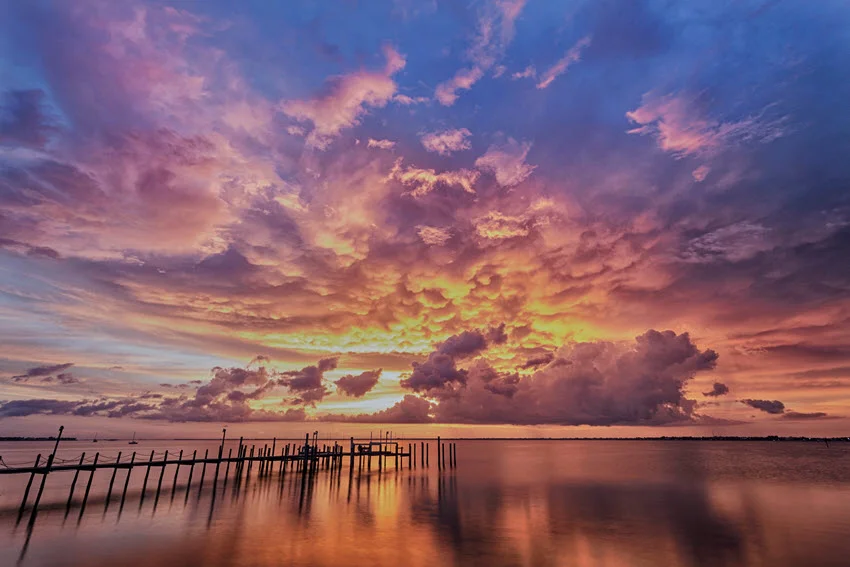
Florida's coastline is full of incredible places to target Redfish. From shallow grass flats to mangrove-lined estuaries, you will find real action anywhere. Below are some of the most productive Redfish spots in the state.
These areas consistently produce excellent catches, whether you prefer fly fishing on the flats, working the mangroves with soft plastics, or poling the shallows in search of tailing Reds.
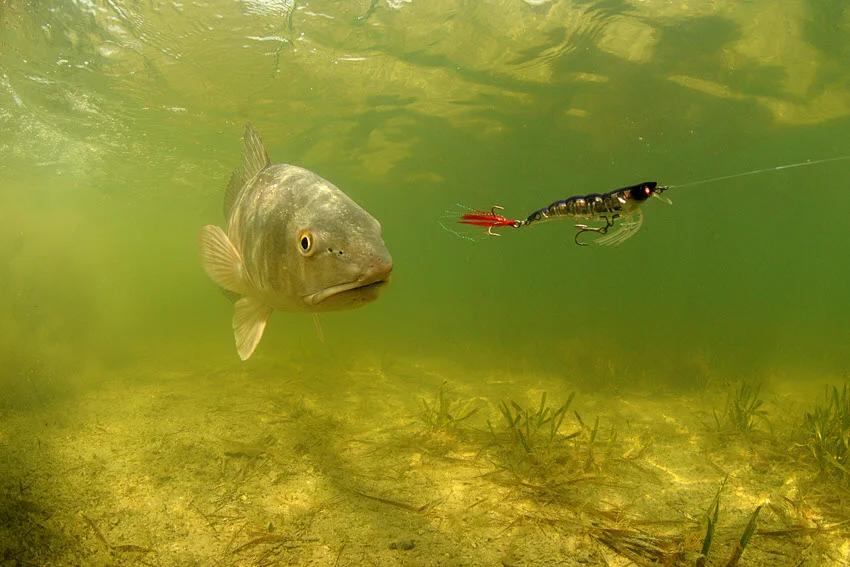
To successfully target Redfish in Florida, you need a strong setup that allows precise casting and control. Redfish are strong fighters and often found near structure. For those reasons, your gear must be powerful. Below you can find detailed information.
The right combination of tackle and technique will dramatically improve your hookup and landing rate. At the same time, it will reduce stress on the fish.
Understanding fishing regulations and preserving specific fish species contributes to protecting fish populations and ecosystems and promoting responsible angling practices.
Anglers Booking Team
Fishing for Redfish in Florida requires a Florida saltwater fishing license unless you are exempt. On for-hire trips, the captain and crew may not retain a Redfish bag limit (zero bag limit for them).
Always check the latest size, bag, and vessel limits for your management region on the official FWC website before you fish. Harvest of Redfish is prohibited in federal waters, so confirm you are in state waters before keeping any. When traveling by vehicle away from a fishing site, the transport limit is 4 Redfish per person.
In most cases, you can buy a Florida saltwater license online or through approved local agents. A license is required to land saltwater species in Florida state waters, even in brackish or connected inland areas. Bag limits also apply around fishing piers, ramps, and parking lots.
Respect for nature starts before you even cast a line. Don't fish in areas where Redfish are actively spawning. Responsible choices on the water help keep fish populations numerous. Take care of your surroundings. Don't damage seagrass beds, oyster bars, or mangrove roots with your boat or anchor.
If you catch and release, allow it time to recover before you let it. If you decide to harvest a Redfish within the legal slot and bag limit, do it humanely. Store it on ice immediately. When you fish responsibly, you help protect Florida's iconic Redfish population.
Redfish are powerful and beautiful. No matter whether you're sight-casting to tailing fish on the flats or soaking bait near a mangrove edge, every Redfish adventure is exciting. Get adequate equipment, follow the rules and laws, follow our advice, and enjoy the new fishing adventure!
When and where do you target Redfish? Do you prefer daytime trips, or do you find night fishing more productive? Share your best Redfish tips for your region in the comments.
Disclaimer: Fishing regulations and open seasons may vary by region and are subject to change. The information in this guide is for general reference only. Learn the latest fishing rules, size limits, and season dates on the official websites of the state or federal government before your trip.

The expert copywriters at Anglers Booking have meticulously crafted this article. Our dedicated team of writers provides valuable insights and information to enhance your angling experience.

May 19, 2025
November 8, 2025
Subscribe to our newsletter and receive a selection of cool articles every week.
Embark on unforgettable fishing adventures with us at Anglers Booking.
book your charter
October 2, 2026
September 8, 2026
August 21, 2026
August 18, 2026
August 15, 2026
August 12, 2026
August 8, 2026
August 4, 2026

You're now part of our exclusive community. Get ready for premium content and updates straight to your inbox.
close
Subscribe to our newsletter and receive a selection of cool articles every week.
Please enter a valid email address.
Be the first to know when we're back in action.
Please enter a valid email address.
Leave a Comment
Your email address will not be published. Required fields are marked *
Thank you for your comment! It has been submitted for review and will appear on the site shortly.