


Anglers Booking Team
The expert copywriters at Anglers Booking have meticulously crafted this article. Our dedicated team of writers provides valuable insights and information to enhance your angling experience.
 10 minutes read
The Greater Amberjack is a strong reef fish highly sought by recreational anglers for its size and strength. It requires good timing and good equipment to catch this fish in Florida. Due to the high chances of overfishing, there are stringent rules.
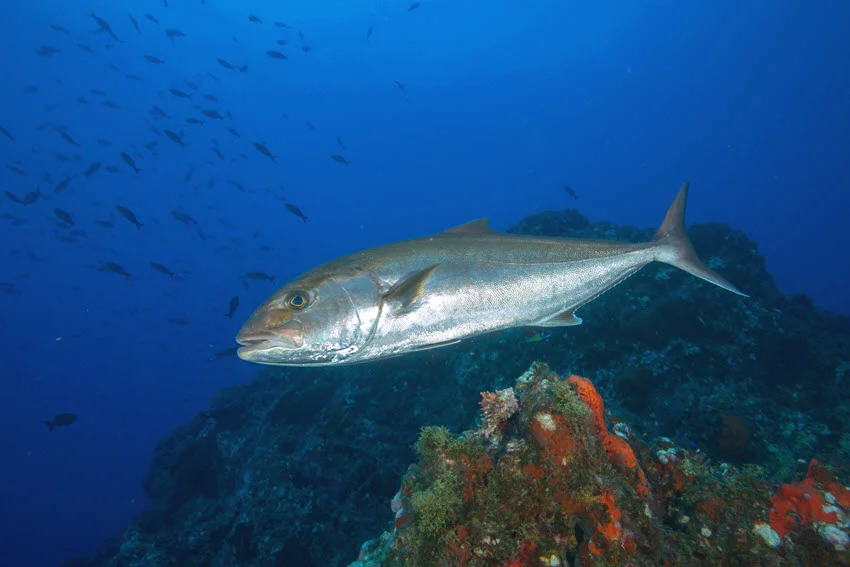
The Florida Fish and Wildlife Conservation Commission (FWC) continually assesses this fish stock and has adjusted the season, size limits, and bag limits to best support its rebuilding. It is important to check the FWC website for the latest regulations before fishing for Amberjacks.
Whether you fish from a boat or on a charter, it is important to be aware of the fishing season to make informed decisions and help preserve this fish species, which is considered one of the toughest to catch on the reefs.
Florida has separate Greater Amberjack rules for the Atlantic and Gulf Coasts: season dates, size limits, and harvest limits are in place to protect these strong, long-lived reef fish. Knowing the regulations helps catch-and-release anglers and supports the continued health of the Greater Amberjack stock for years to come.
On Florida's Atlantic Coast, harvest is closed April 1 to 30 in state and federal waters, and open January to March and May to December. This one-month closure provides additional protection for the fish during a key spawning period, when they aggregate and are particularly vulnerable to fishing. The state allows more adults to reproduce successfully by reducing fishing pressure at this time.
Recreational anglers may retain 1 Greater Amberjack per person per day when the season is open, and each fish must be at least 28 inches fork length. Smaller or younger fish are protected to allow them to grow, migrate, and reproduce before they can be harvested.
These rules limit harvest during spawning season and keep landings within management targets. Continued recreational pressure, seasonal closures, and size limits help support long-term sustainability and keep fishing productive.
In the Gulf, the planned recreational season typically runs from September 1 through October 31, but it may close early or remain closed based on catch limits and management updates. Always confirm the current status before your trip.
Gulf anglers may retain 1 Greater Amberjack per person per day during open season, with a minimum size of 34 inches fork length. This size limit protects younger Gulf fish, allowing them to mature and help rebuild the stock while ensuring harvested fish are strong adults that provide a good fight and plenty of meat.
The shorter Gulf season and more conservative size restrictions were initiated to help rebuild the population after numerous assessments showed it was below its healthy levels. The regulations support conservation and long-term quality fishing for all.
The Greater Amberjack has been under heavy fishing pressure throughout its range and, most particularly, in the Gulf. Concerns have been raised over falling stock levels. Seasonal closures help avoid overexploitation at critical stages of the spawning cycle and allow more adults to enter the breeding stock, helping rebuild the population.
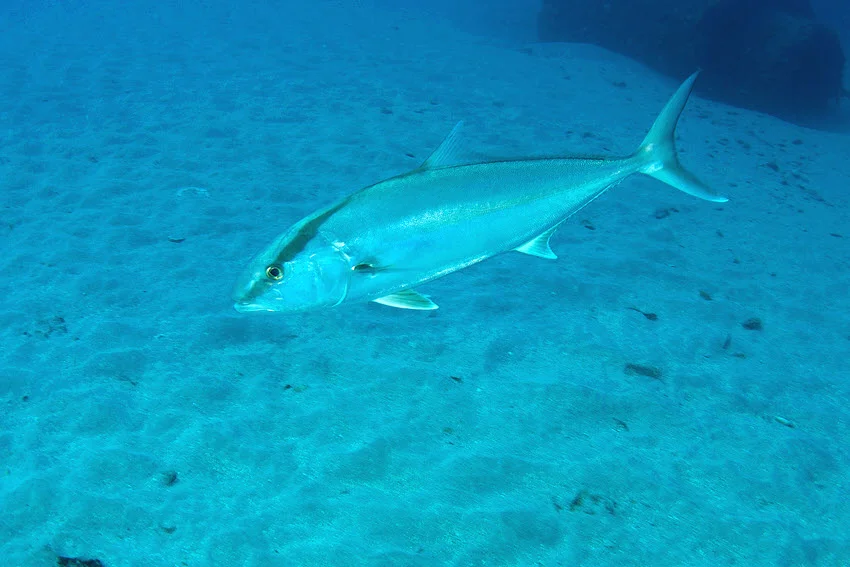
Greater Amberjack are powerful, long-lived fish that can reach large sizes and are commonly found around reefs and wrecks. Juveniles school, while adults gather around high-relief structures such as wrecks, ledges, and towers. Because these fish concentrate in predictable places and seasons, anglers should check current FWC rules before targeting them, including open seasons, size limits, and bag limits.
When the water cools down due to winter fronts or warms up excessively during summer, Greater Amberjack commonly shift deeper or move to offshore reefs where conditions remain more consistent. Their temperature tolerance thus dictates where they congregate throughout the year and is an important consideration for both anglers and managers, who monitor their seasonal migration patterns.
Amberjacks are aggressive feeders and opportunistic predators. Everything from baitfish and squid to crustaceans and small reef fish is fair game to the Greater Amberjack, which explains why they so often patrol high-relief structure where prey is plentiful. They are known for their powerful bursts of speed and strong jaws, traits that make them effective hunters and are responsible for the long, tough battles that anglers love.
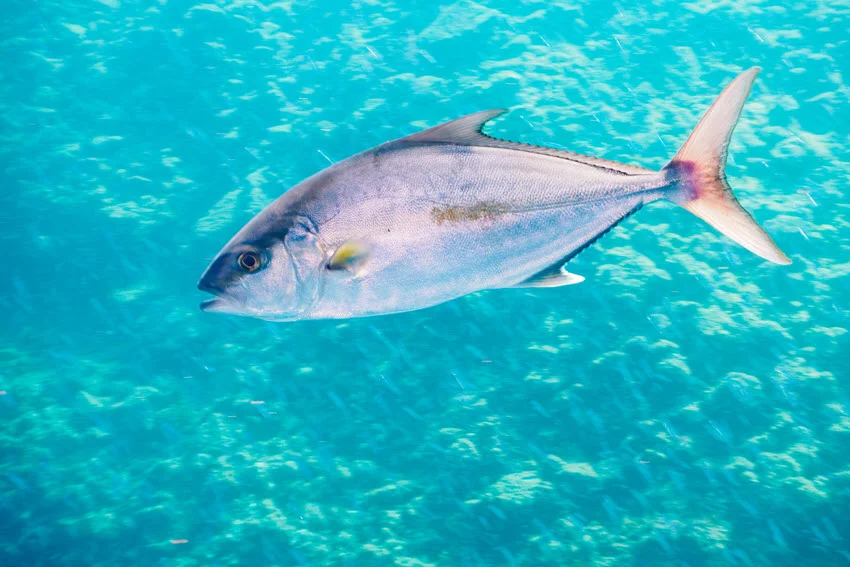
Greater Amberjack can't be targeted year-round, so timing a trip to the legal seasons is key. Overall, the best Atlantic Coast fishing occurs outside the April closure, during late spring and early summer, when Amberjacks gather around offshore structures and begin moving toward spawning areas.
In the Gulf, however, the September and October season generally provides the strongest action, as fish concentrate on deep reefs and wrecks during fall migrations. Amberjacks are usually deeper in rough weather or when water temperatures drop. Trips planned when conditions are stable offshore ensure safety and success.
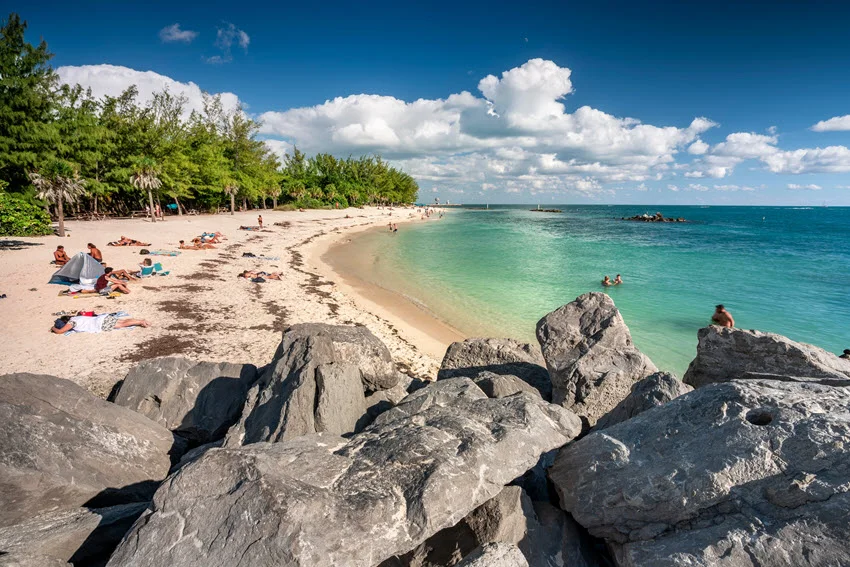
Florida gives anglers access to deep reefs, wrecks, and ledges that hold Greater Amberjack on both coasts when seasons are open. Knowledge of the best fishing locations, such as offshore reefs, wrecks, and ledges, can improve your odds.
The best chance to catch strong, mature Greater Amberjack is to visit these offshore reefs and wrecks. Always check with local charters or guides before heading out to find the most productive structures.
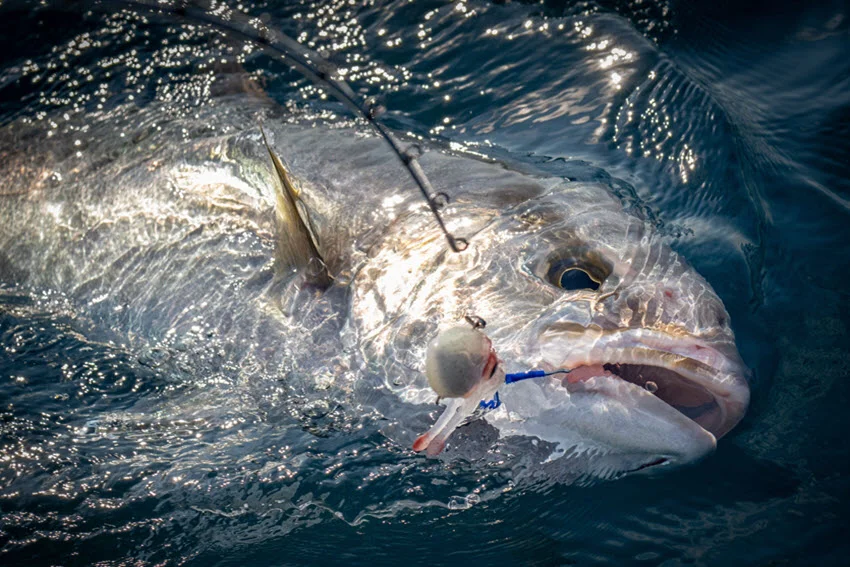
Greater Amberjack are truly powerful and fast, and are known for making long runs; catching them requires strong, reliable equipment. Proper setup will greatly reduce the risk of losing the fish to broken gear or structure. A proper rig will also enable you to fight Greater Amberjack safely and efficiently, especially at deep offshore reefs.
With the right tackle and an appropriate selection of lures, your odds of landing such powerful fish increase dramatically. It also allows you to fight them efficiently, which puts minimal stress on the fish if you're releasing it.
Understanding fishing regulations and preserving specific fish species contributes to protecting fish populations and ecosystems and promoting responsible angling practices.
Anglers Booking Team
Most recreational anglers age 16 and older need a valid Florida saltwater fishing license to target Greater Amberjack, unless exempt under Florida law. If you are fishing from a private recreational vessel and are 16 or older, you also need the free state reef fish angler designation when targeting reef fish species covered by the program.
Reef fish gear rules vary by state and federal waters, and by area, but often include non-stainless hooks when fishing with natural bait, a dehooking tool, and a descending device or venting tool, all rigged and ready. Always remember to check the FWC's reef fish regulations page before every trip for the most current size limits, bag limits, and seasonal dates, as these are subject to frequent changes.
When you catch Greater Amberjack, handle them gently to minimize stress and injury. Use a dehooking tool, keep the fish in the water when possible, and support it horizontally for quick shots and releases.
If you plan to keep an Amberjack, you will need a large cooler and plenty of ice, as these fish need a lot of room. Ethical fishing practices will go a long way to help ensure that Greater Amberjack remain a robust and sustainable component of the Florida reef fishery for many years to come.
Greater Amberjack fishing in Florida is challenging and very rewarding, since strong, fast, and powerful fish make any offshore trip exciting and memorable. By adhering to the rules instituted by the FWC, using proper tackle, and fishing during legal seasons, you stand a much better chance of landing a trophy while helping keep a healthy population for future anglers.
All of those are personal choices, but always check into local regulations and practice responsible catch-and-release fishing to conserve the stock. Proper gear, careful handling of fish, and adherence to size and bag limits lead to more fights and more successful trips for those who enjoy targeting Amberjacks.
What's your favorite location in Florida for catching Greater Amberjack? What techniques or tackles have worked best for you? Share your tips and experiences in the comments below.
Disclaimer: Fishing regulations and open seasons may vary by region and are subject to change. The information in this guide is for general reference only. Learn the latest fishing rules, size limits, and season dates on the official websites of the state or federal government before your trip.

The expert copywriters at Anglers Booking have meticulously crafted this article. Our dedicated team of writers provides valuable insights and information to enhance your angling experience.
March 11, 2026
August 29, 2026
Subscribe to our newsletter and receive a selection of cool articles every week.
Embark on unforgettable fishing adventures with us at Anglers Booking.
book your charter
October 2, 2026
September 8, 2026
August 21, 2026
August 18, 2026
August 15, 2026
August 12, 2026
August 8, 2026
August 4, 2026

You're now part of our exclusive community. Get ready for premium content and updates straight to your inbox.
close
Subscribe to our newsletter and receive a selection of cool articles every week.
Please enter a valid email address.
Be the first to know when we're back in action.
Please enter a valid email address.
Leave a Comment
Your email address will not be published. Required fields are marked *
Thank you for your comment! It has been submitted for review and will appear on the site shortly.