


Anglers Booking Team
The expert copywriters at Anglers Booking have meticulously crafted this article. Our dedicated team of writers provides valuable insights and information to enhance your angling experience.
 9 minutes read
The Gulf of Mexico connects warm offshore currents with broad estuaries, grass flats, reefs, hard-bottom habitat, and deep water. Together, these environments support a wide range of coastal and offshore fish.
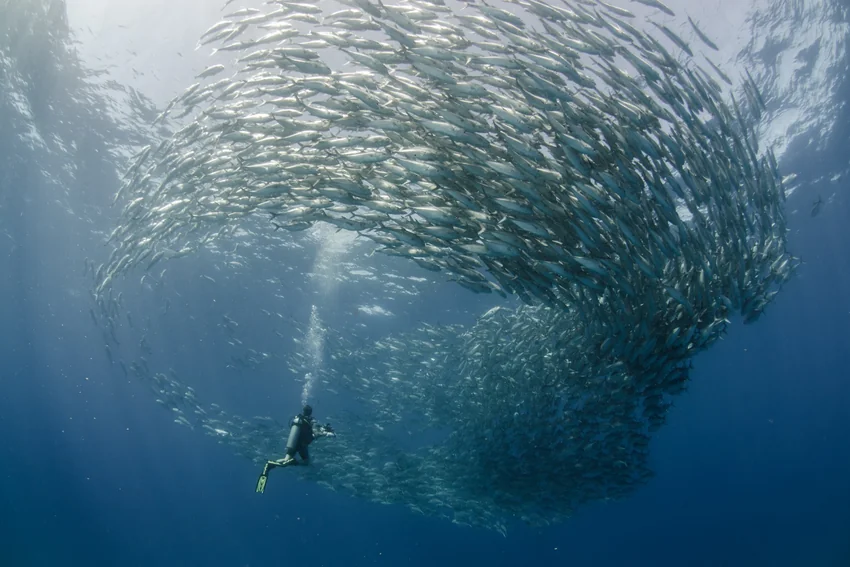
From familiar inshore catches to reef fish, pelagic predators, Sharks, and protected Rays, the Gulf supports species adapted to very different habitats. This guide covers common and iconic fish, where they live, and what anglers should know before targeting them.
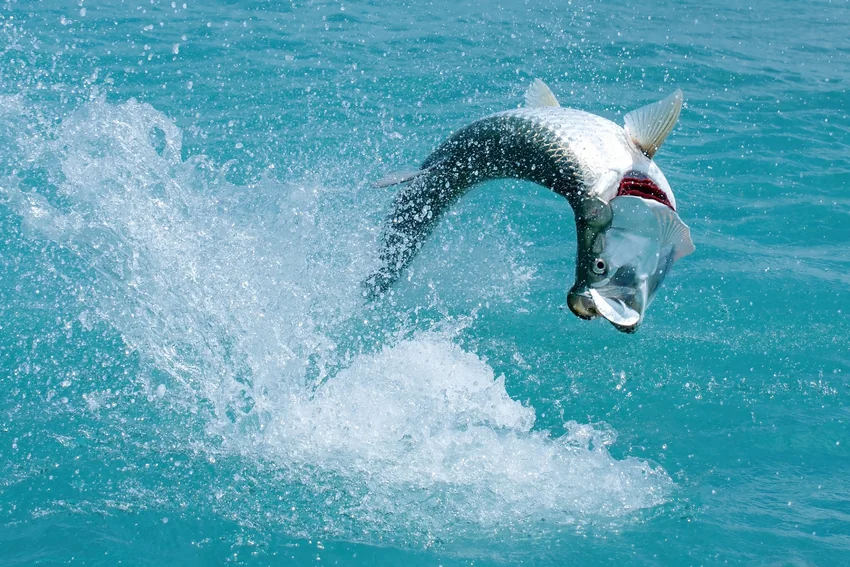
The Gulf is known for several iconic sport fish that attract anglers from around the world. They are celebrated for their size, speed, strength, and demanding fights.
These species represent the Gulf's big-game potential, but success depends on seasonal movements, offshore conditions, and experienced crews.
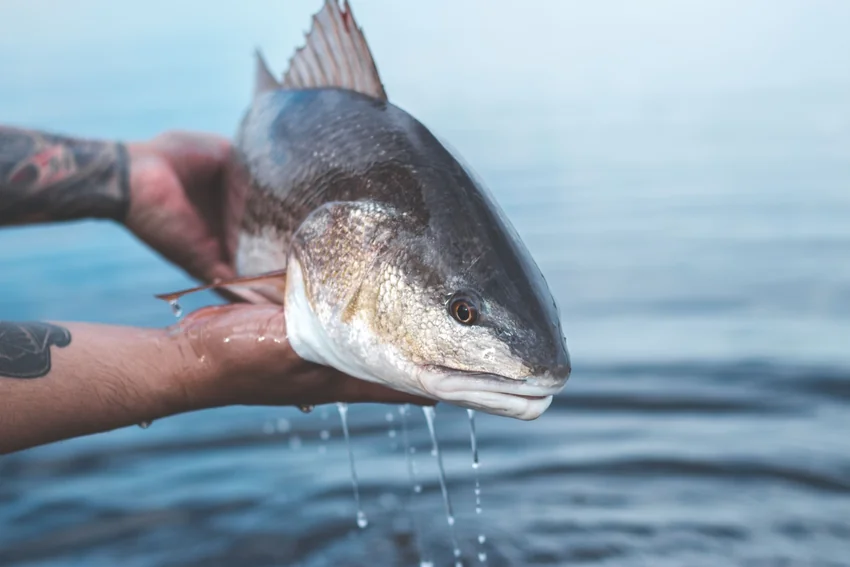
The Gulf's inshore waters include bays, marshes, grass flats, oyster habitat, channels, and estuaries. These productive areas support many accessible sport fish and table species.
Inshore fishing can be productive in every season, but species movements, weather, salinity, and local regulations shape the best opportunities.
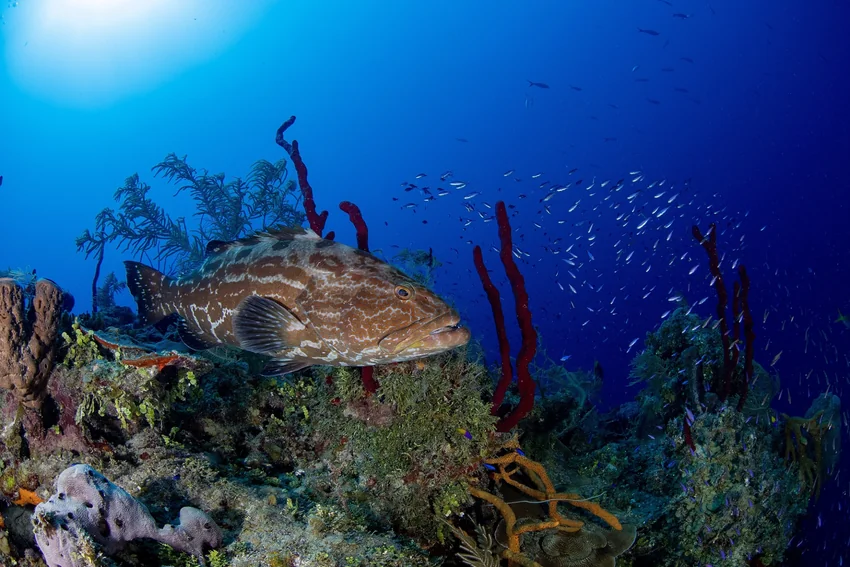
Natural reefs, rocky ledges, wrecks, and artificial structures support many of the Gulf's best-known reef and nearshore fish.
Snapper and Grouper species are central to Gulf reef fishing. Because regulations can differ by species and area, identification should come before harvest.
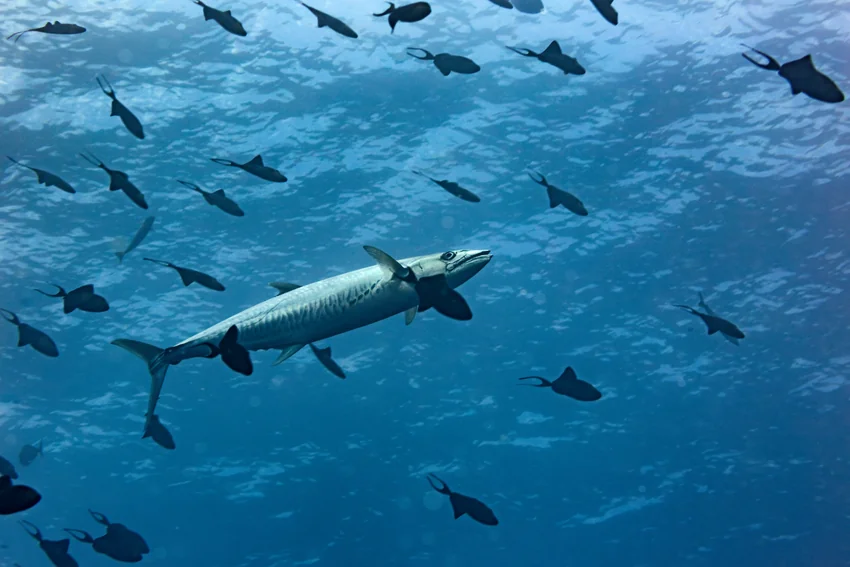
Beyond the reefs, the Gulf supports fast-moving pelagic fish that follow currents, temperature breaks, bait schools, floating cover, and offshore structure.
These species drive much of the Gulf's offshore appeal, but their distribution can shift quickly with weather, currents, and prey.
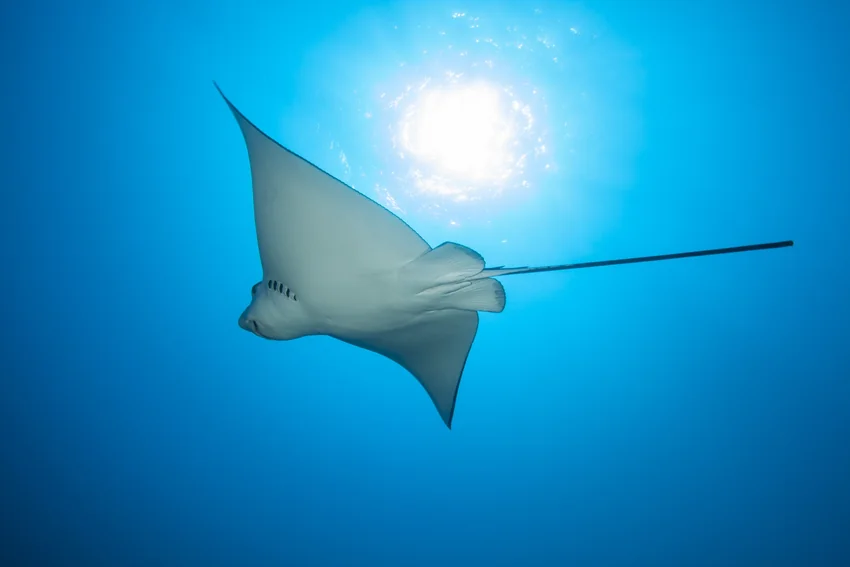
Sharks and rays occupy habitats ranging from shallow bays to deep offshore water. As predators, filter feeders, and bottom foragers, they fill different roles in the Gulf food web.
Together, these species show how widely Gulf cartilaginous fish differ in size, behavior, habitat, and conservation status.
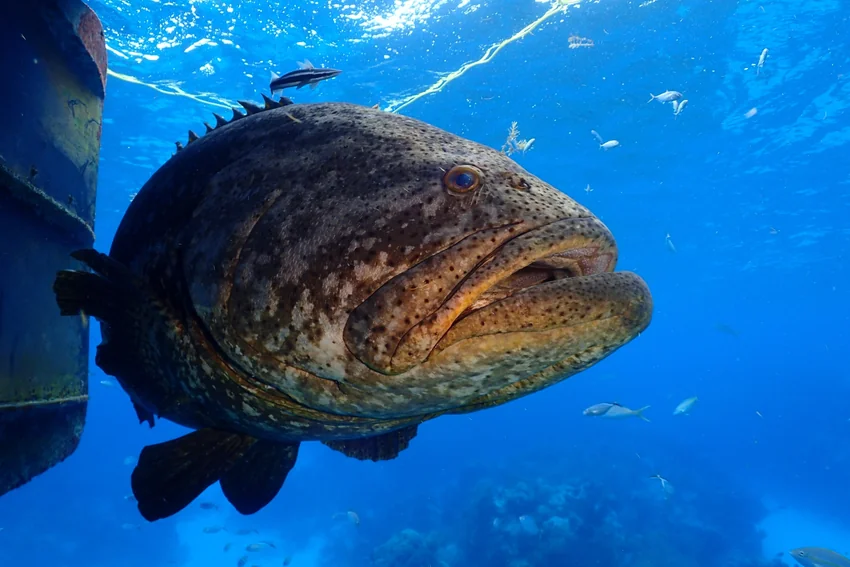
The Gulf is home to several protected or conservation-sensitive fish and rays. Their legal status is not identical, so anglers should follow species-specific handling and release rules.
Correct identification matters because the required response differs by species and jurisdiction. When in doubt, keep the animal in the water, minimize handling, and consult current official guidance.
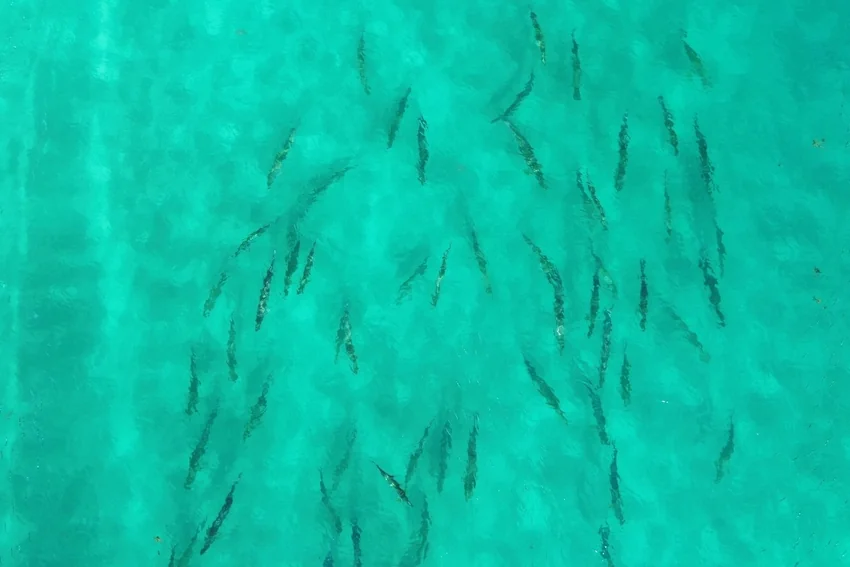
There is no single best season for every Gulf species. Timing depends on the coast, water temperature, currents, bait movement, and the fish you want to target. Tarpon are especially associated with warm-season migrations, while King Mackerel move with temperature changes and bait schools.
Reef fishing can also vary by season, weather, depth, and current regulations. Before booking or launching, compare local fishing reports with current state and federal seasons so the trip matches both fish activity and legal access.
Understanding fishing regulations in an area is crucial for protecting fish populations and ecosystems and promoting responsible angling practices.
Anglers Booking Team
Fishing rules in the Gulf depend on where you fish, which species you target, and whether you are in state or federal waters. State agencies issue recreational saltwater licenses and manage many inshore fisheries, while NOAA Fisheries manages federal Gulf fisheries and Atlantic highly migratory species.
Seasons, size limits, bag limits, reporting rules, and permit requirements can change. Anglers targeting Tuna, Swordfish, Billfish, or Sharks may also need an Atlantic Highly Migratory Species permit or Shark Endorsement, depending on the vessel and activity.
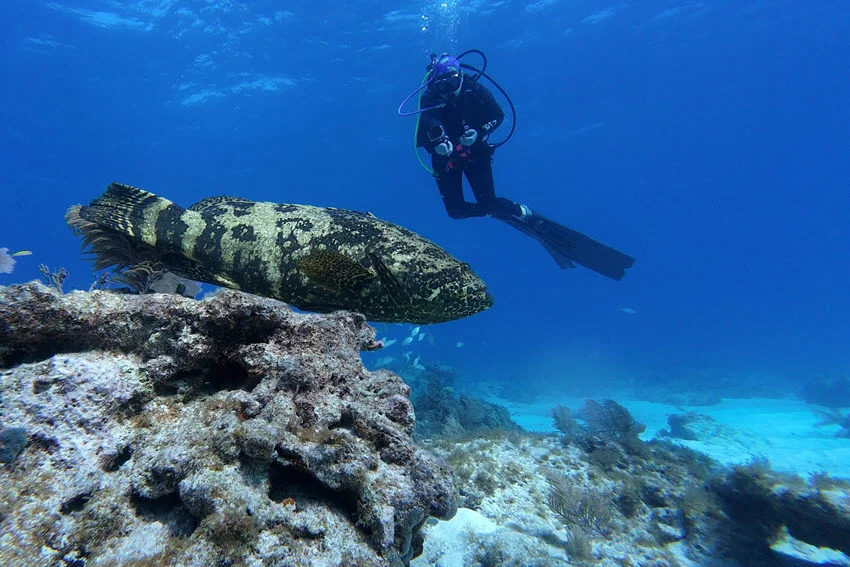
Protected and conservation-sensitive species require special care. Smalltooth Sawfish and Giant Manta Rays have federal ESA protections, Whale Sharks are prohibited from retention under Atlantic HMS rules, and federal harvest of Goliath Grouper remains prohibited. Florida allows a limited state-water Goliath Grouper harvest for selected permit and tag holders from March 1 through May 31. Always check current state rules and official Gulf fishing regulations before leaving the dock.
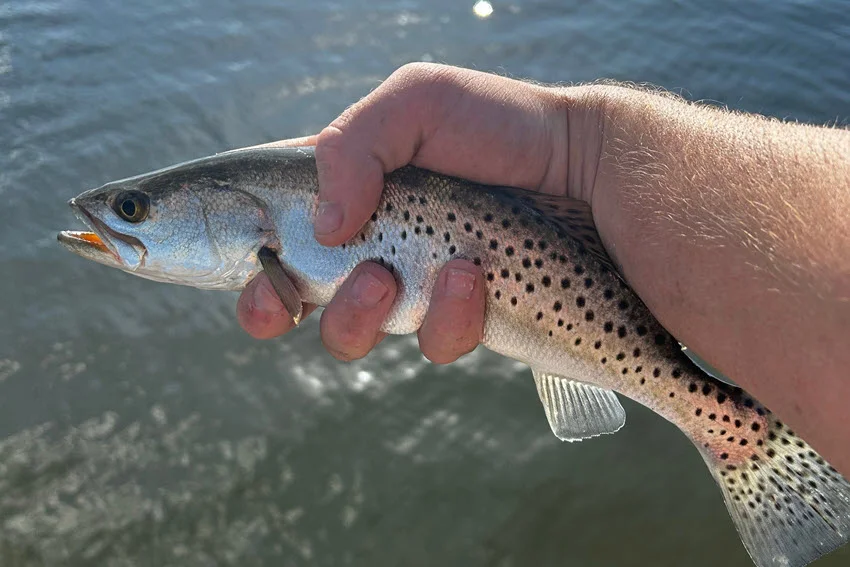
The Gulf of Mexico connects productive estuaries, reefs, nearshore structure, and deep offshore water. That range of habitats supports everything from Red Drum and Spotted Seatrout to Tuna, Billfish, Sharks, and Rays.
For anglers, that variety creates year-round possibilities, but the best target, technique, and season depend on location and current conditions. Responsible handling and up-to-date regulations help protect the fishery for future trips.
Which Gulf fish is at the top of your list? Share your favorite species or Gulf fishing experience in the comments below.

The expert copywriters at Anglers Booking have meticulously crafted this article. Our dedicated team of writers provides valuable insights and information to enhance your angling experience.

June 18, 2025
March 11, 2026
Subscribe to our newsletter and receive a selection of cool articles every week.
Embark on unforgettable fishing adventures with us at Anglers Booking.
book your charter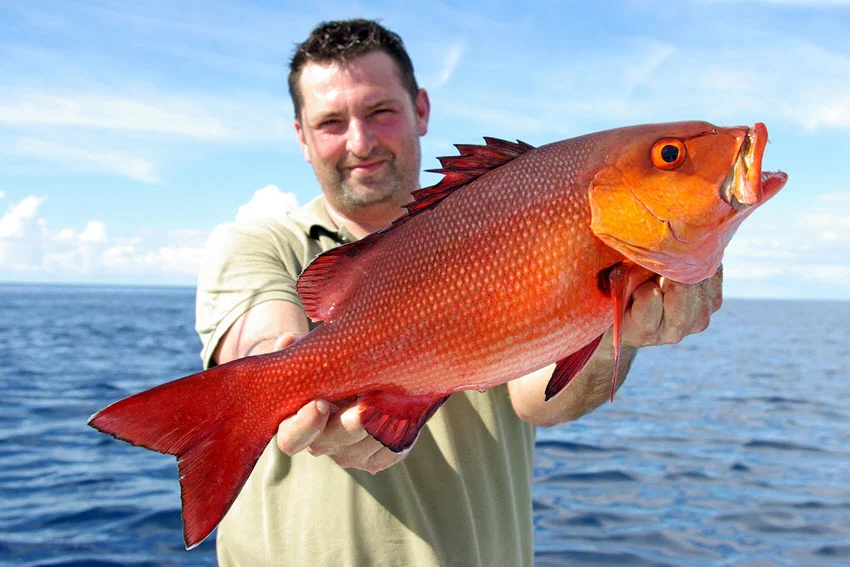
September 8, 2026
August 21, 2026
August 18, 2026
August 15, 2026
August 12, 2026
August 8, 2026
August 4, 2026
April 17, 2026

You're now part of our exclusive community. Get ready for premium content and updates straight to your inbox.
close
Subscribe to our newsletter and receive a selection of cool articles every week.
Please enter a valid email address.
Be the first to know when we're back in action.
Please enter a valid email address.
Leave a Comment
Your email address will not be published. Required fields are marked *
Thank you for your comment! It has been submitted for review and will appear on the site shortly.