


Anglers Booking Team
The expert copywriters at Anglers Booking have meticulously crafted this article. Our dedicated team of writers provides valuable insights and information to enhance your angling experience.
 10 minutes read
Picking the best lure can help you catch more Snook. The wrong one can make you miss bites. These fish are smart, and it changes how they feed from day to day. Therefore, keep in mind that it is essential to know which lures to use and when.
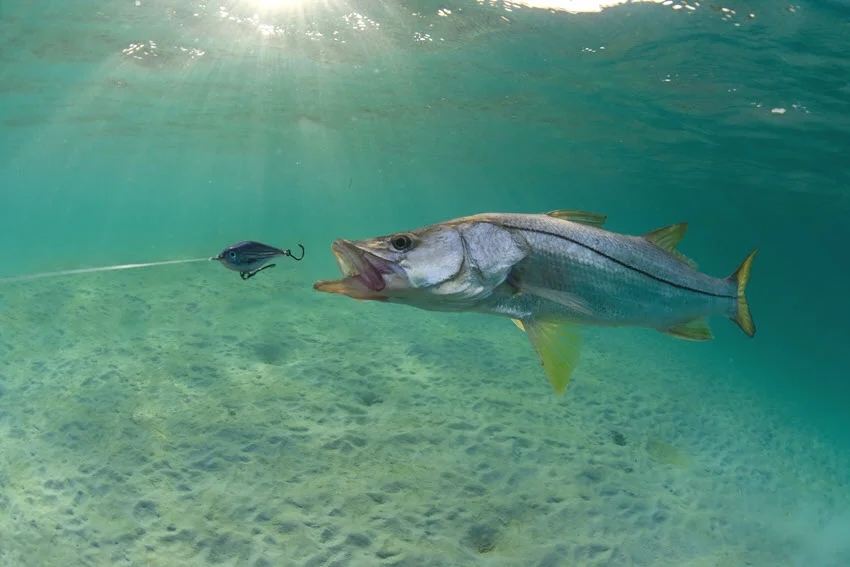
Today, we will discuss why the choice of lure matters. You'll learn how Snook act in different seasons and tides. We'll cover the best lures and how to use them. You'll also get tips for fishing in creeks, flats, and beaches. With the productive lure, you'll have a better chance of catching Snook.
Snook are fast and are known for not chasing everything they see. Instead, they hide and wait for the right time to strike. Light, water movement, and food availability are all factors that influence Snook's behavior.
To catch more Snook, you need to know what triggers them. Pay attention to the way the water flows. Try to see where they hide. Throw your lure when the moment is right. A slight change in timing could mean the difference between a bite and nothing at all.
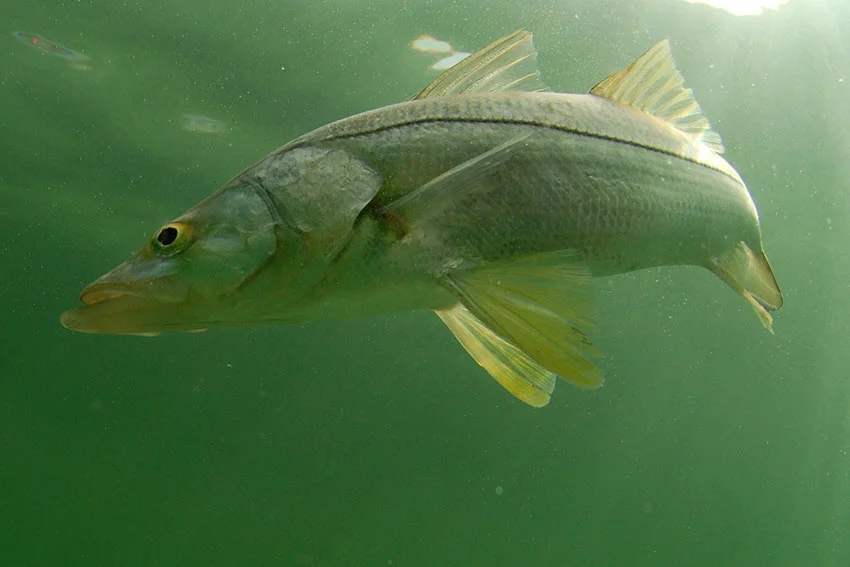
Snook live in warm, shallow coastal waters, near mangroves, docks, bridges, and sandy beaches. Places with structure are their favorites, where they hide and wait for food. Moving water helps bring bait to them, so they often stay in areas with strong currents.
Snook are ambush hunters. They hide in the shadows or behind rocks and pilings. When baitfish swim by, they strike fast. They usually eat small fish, shrimp, and crabs, but the right Snook bait often depends on what is available in the area.
Tides are essential for Snook fishing. The outgoing tide is best because it pulls the lure out of the backwaters. Snook wait in key spots to feed. They are most active when the water is warm and the tide is moving. When the water gets cold, below 65°F, they become slower and more challenging to catch.
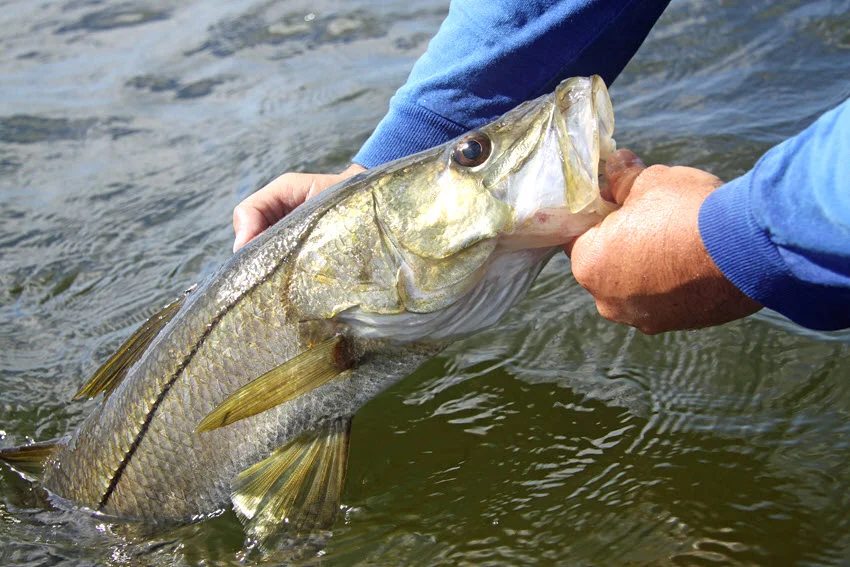
Seasonal changes strongly affect where they stay and how they feed. Knowing how these changes affect Snook will help you catch more fish. Below, we discuss that in detail.
Fishing right before and during the outgoing tide works best. As the water drops, baitfish are pushed into smaller spaces. That makes it easier for Snook to hunt. They often wait near edges, such as bridges, mangroves, or channel drops.
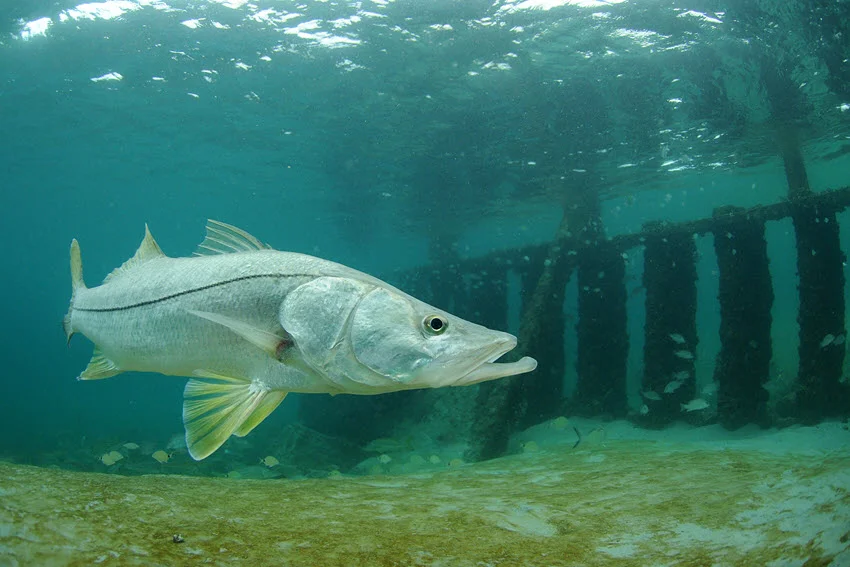
To catch more Snook, you need to know where to look. Snook live in many different places. Each of them calls for a different lure. Here's where Snook are commonly found.
Learning how Snook behave in each area will help you pick the suitable lure and catch more fish. Match your tactics to the location.
Choosing the right lure matters because these fish do not react the same way every day. Water clarity, current, light, baitfish, and fishing pressure can all affect what gets a strike. Some lures are better for covering water, while others work best around docks, bridges, mangroves, seawalls, and shadow lines. Here's how the main lure styles work and when to use them.
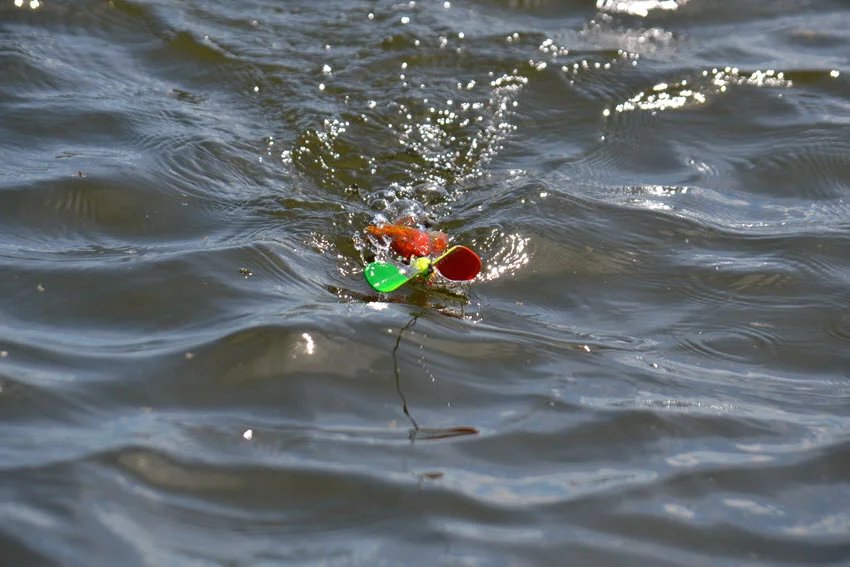
Topwater lures are great for early morning. They are also often used in the late evening. Snook hit hard on the surface, especially in calm conditions. These lures move in a zig-zag motion. This way, they make noise that attracts fish. The blow-up strike is one of the most exciting ways to catch Snook.
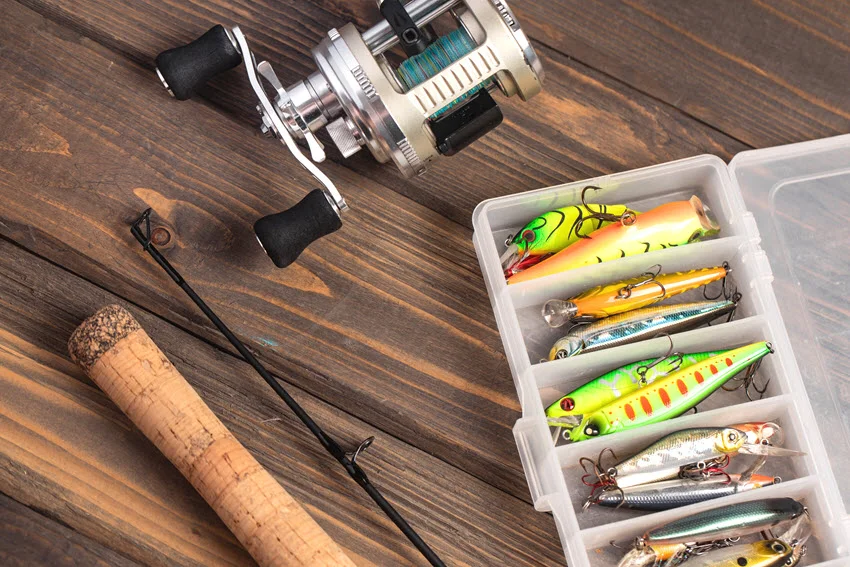
Twitchbaits look like real baitfish. They move fast with sudden jerks and flashes. Snook chase them when they are aggressive. Use them in clear water and around structures. Work the lure with sharp twitches and pauses.
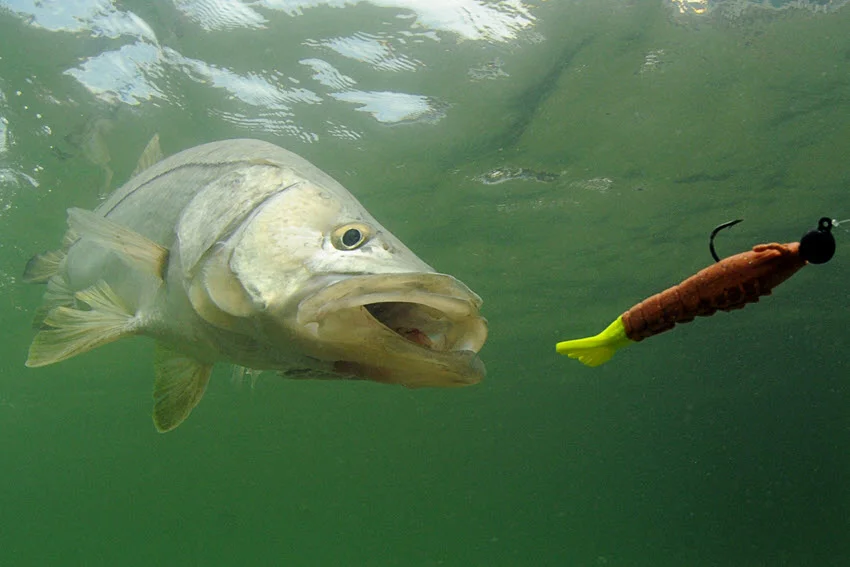
Soft plastics are flexible. They can look like shrimp, baitfish, or worms. Pair them with jig heads of different weights. Use light jig heads in shallow water. The heavier ones are recommended for deeper spots. Let the lure sink, then twitch or drag it slowly. Snook often hit on the drop.
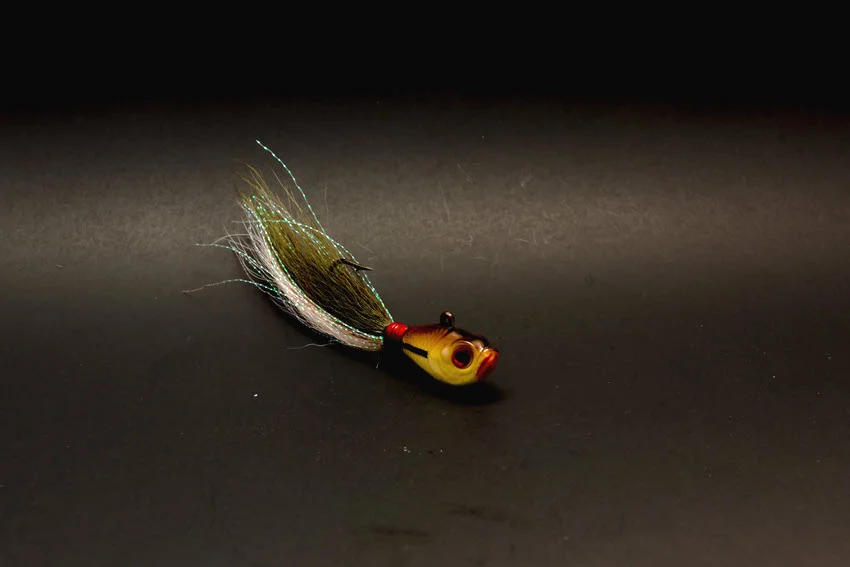
Jigs are simple but effective. Bucktail jigs, in white or chartreuse, are top choices for Snook. Fish them near docks, bridges, or deep passes. Bounce them along the bottom or let them drift with the tide. Jigs work well when Snook are holding deep.
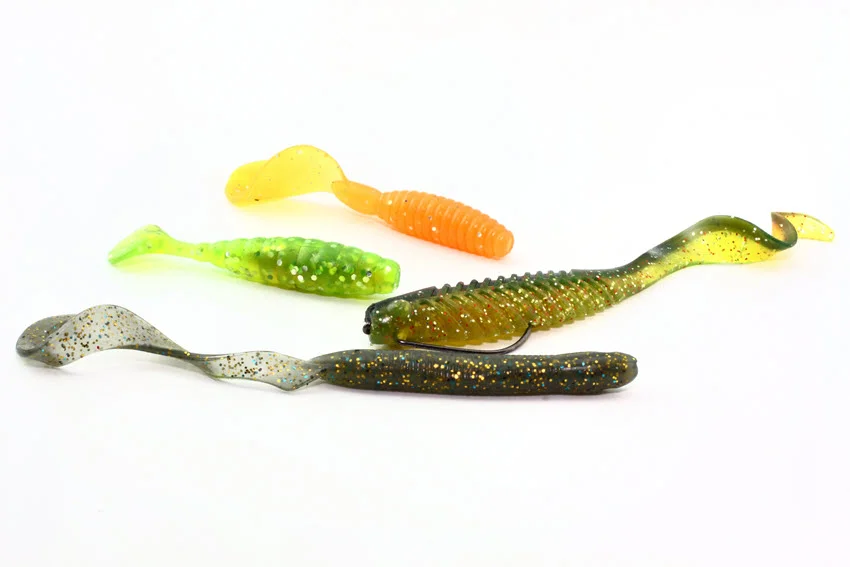
Paddletail swimbaits feature a broad tail that moves with vibration, mimicking the movement of mullet or shad. These lures are great for steady retrieves. Use them around grass flats, mangroves, and around beaches. Rig them weedless or on a jig head.
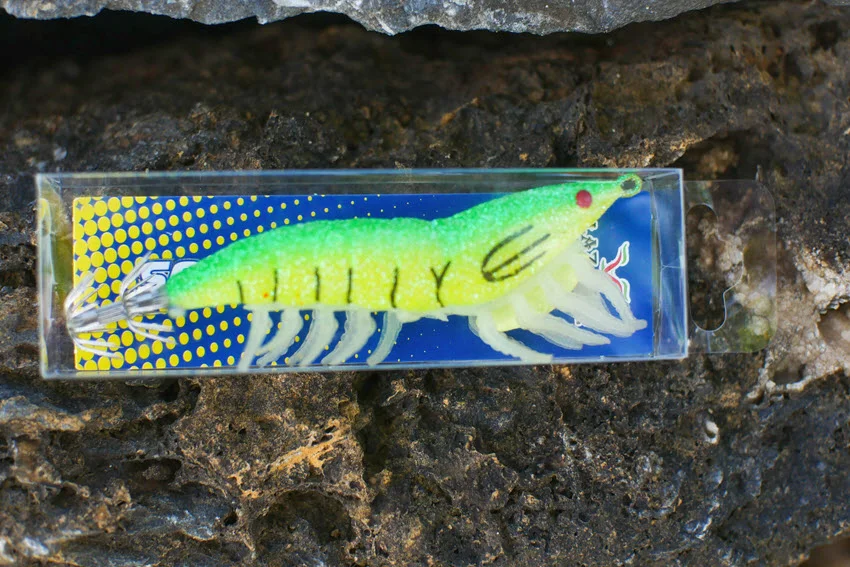
Snook love shrimp, so one of the best picks would be soft shrimp lures. Throw your lure near structures and let it sink slowly. Use gentle twitches to make it look realistic. These lures are particularly effective in canals and creeks and are also commonly used around oyster beds.
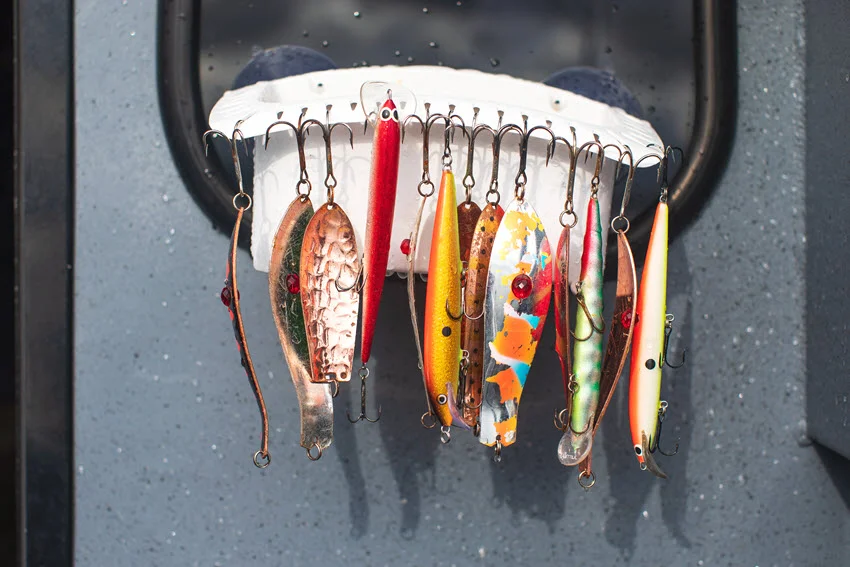
Spoons flash and wobble as they are retrieved. They are suitable for covering open water. Use them when Snook are chasing lures in inlets or along beaches. Gold spoons are a favorite among anglers. Steady retrieve works best, or try a pause to trigger a bite.
To catch Snook, you need an effective lure and the proper technique. How you move your lure, where you cast it, and how fast you retrieve it all make a big difference. Below, we cover effective methods anglers use to catch more Snook with artificial lures.
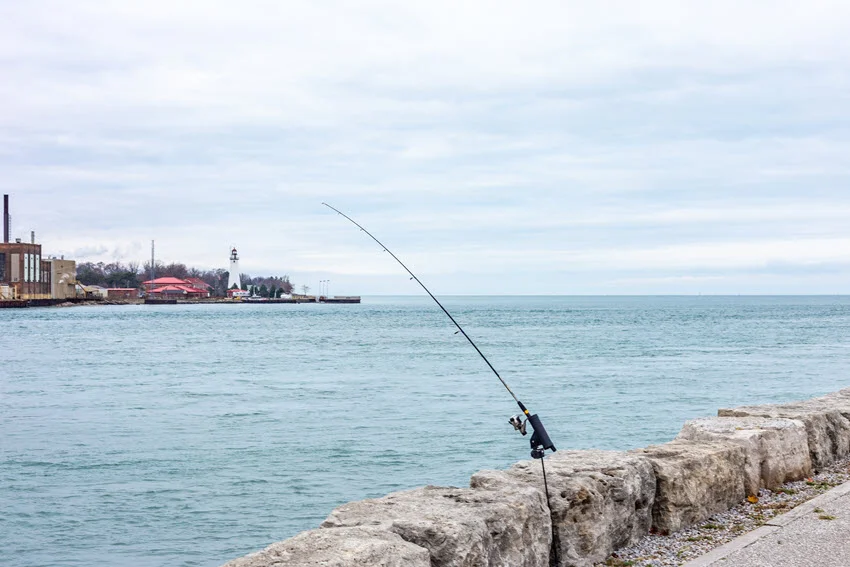
Snook often hide near cover (mangroves, docks, or bridge pilings). Throw your lure near the structure. After that, start a slow retrieve. The key is to look like an injured baitfish as it moves away from cover. Snook will strike fast if your cast is accurate.
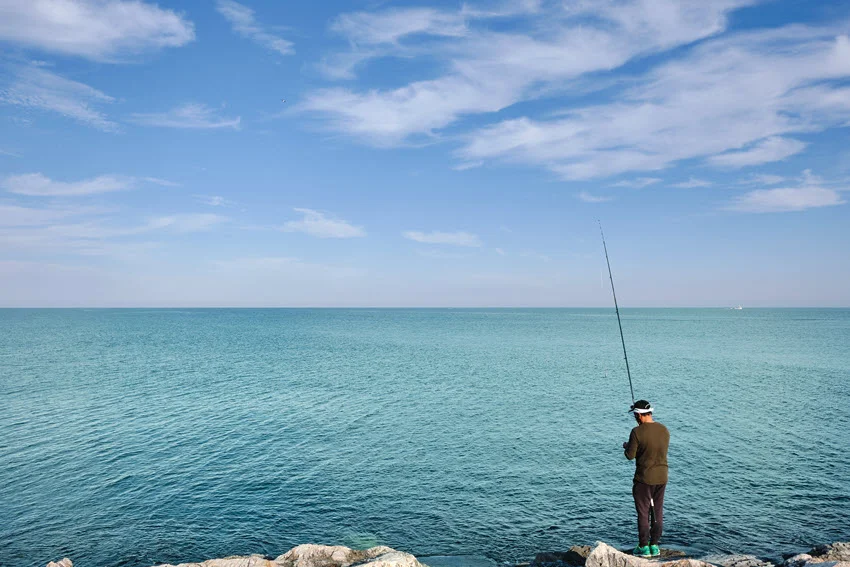
This method works great with jerkbaits and twitchbaits. Use short twitches of the rod tip. The twitch mimics a fleeing baitfish, and the pause gives Snook a chance to strike. In the clear water where Snook can see the lure well, this way of fishing could be productive.
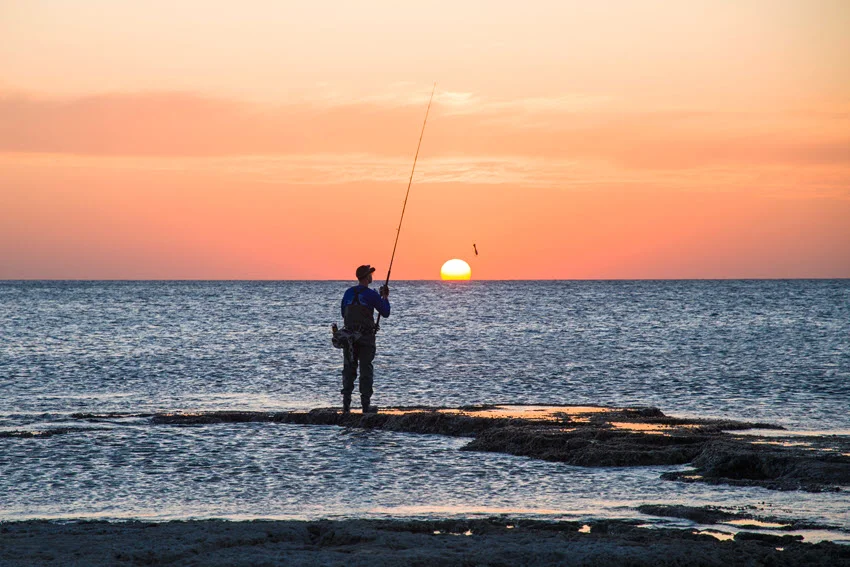
This strategy is excellent for calmer waters or flats. Throw your swimbait and reel it in slowly just above the bottom. A slow retrieve makes the lure look like an easy meal. It's very effective in colder months when Snook are less aggressive.

When fishing from a boat, let the boat drift naturally. Throw your lure slightly up-current. Allow it to move with the flow. This mimics baitfish being carried by the tide. Snook often hold downstream, waiting for an easy meal. Recommended lures for this technique are jig heads with soft plastics (shad or paddle tails).
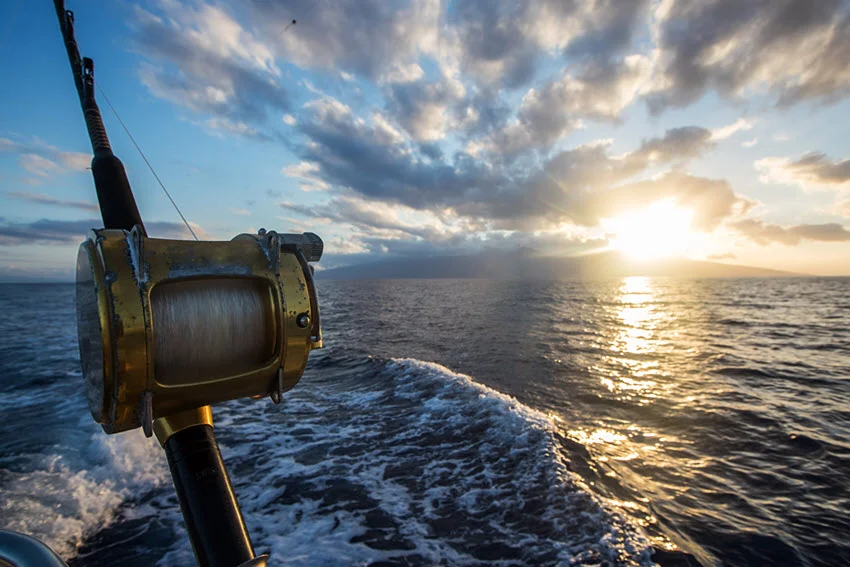
This technique is excellent for use in deep water around inlets or channels. Throw your jig and let it sink to the bottom. Work the jig back by giving gentle twitches with the rod. Reel in steadily as you do this. The small hops along the bottom look like a crab escaping, which could provoke Snook to bite. Strong tides are the best time to try Bouncing Jigs on the Bottom.
Understanding fishing regulations and ethical practices about specific fish species protects fish populations and ecosystems and promotes responsible angling practices.
Anglers Booking Team
Fishing for Snook is exciting, but it also requires care and respect. These fish are protected in many areas because they are critical to the ecosystem. To keep Snook populations healthy, it's important to fish ethically.
For anglers fishing in Florida, Snook have closed seasons. This means that sometimes you're not allowed to keep them, and if you do, they must meet the size limits. You also need a special Snook permit in some places.
Catch and release is common. If you're releasing a Snook, do it carefully. Use circle hooks when possible. Never hold the fish by the gills. Support their belly when lifting them for a photo. Ethical fishing helps protect the sport and the Snook.
Snook fishing is all about the right timing, location, and lure. Learn their habits, follow the tide, and match your gear to the conditions. Fish near structure and stay alert. Snook strike fast. Smart, ethical fishing helps protect the Snook for future anglers.
What has been your best lure for Snook? Do you prefer fishing in the mangroves or on open beaches? Let us know your favorite spots, tactics, and lures.

The expert copywriters at Anglers Booking have meticulously crafted this article. Our dedicated team of writers provides valuable insights and information to enhance your angling experience.

May 17, 2025
August 26, 2026
Subscribe to our newsletter and receive a selection of cool articles every week.
Embark on unforgettable fishing adventures with us at Anglers Booking.
book your charter
October 2, 2026
September 8, 2026
August 21, 2026
August 18, 2026
August 15, 2026
August 12, 2026
August 8, 2026
August 4, 2026

You're now part of our exclusive community. Get ready for premium content and updates straight to your inbox.
close
Subscribe to our newsletter and receive a selection of cool articles every week.
Please enter a valid email address.
Be the first to know when we're back in action.
Please enter a valid email address.
Leave a Comment
Your email address will not be published. Required fields are marked *
Thank you for your comment! It has been submitted for review and will appear on the site shortly.