


Anglers Booking Team
The expert copywriters at Anglers Booking have meticulously crafted this article. Our dedicated team of writers provides valuable insights and information to enhance your angling experience.
 7 minutes read
Sharks are among the most exciting and challenging game fish in Florida and around the world. Large, powerful, and speedy, they offer the angler a fight to remember and an offshore fishing experience unlike most others.
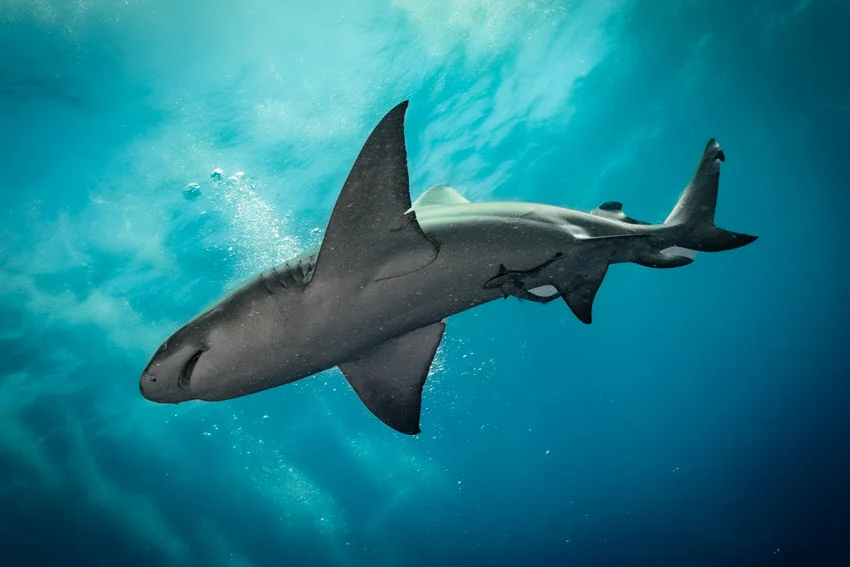
The Florida Fish and Wildlife Conservation Commission (FWC) sets rules for shark harvest and handling in Florida state waters. Federal rules may also apply in federal waters offshore. Since laws vary by location, shark species, and type of take, it is recommended that one double-check the laws.
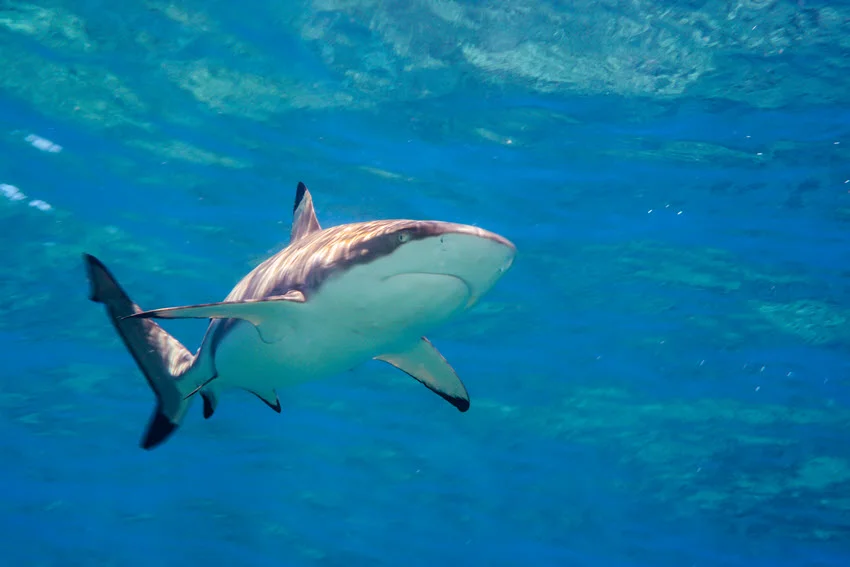
There is no set period or season for catching sharks in Florida state waters. Regulations depend on shark species, size limits, exceptions, and fishing regulations. Anglers may keep one shark a day, with a vessel limit of two per day.
Size regulations vary by shark species. Most shark species require a minimum fork length of 54 inches, although some do not have any minimum size requirement. Identification is crucial before an angler decides to keep the shark. All sharks that are kept for harvest must maintain their integrity until landing.
The guidelines may differ based on the area, point of entry, and even the type of water you use. You may have different guidelines depending on whether you are accessing from the beach, a park, a bridge, or a pier.
Sharks can be targeted year-round in Florida, but action is often most consistent from late spring through early fall when the water is warmer, and bait is more active. Focus on dawn, dusk, and moving tides around channels, inlets, sandbars, and edges where bait gathers.
Unlike many other fish, sharks breed slowly; therefore, their population is more easily depleted through excessive fishing. Following rules and species restrictions helps support healthy shark populations for safe angling enjoyment.
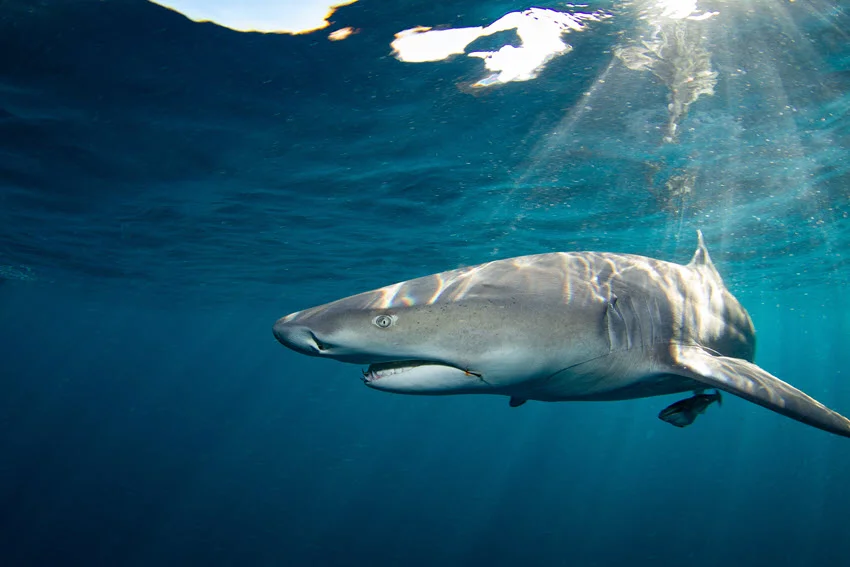
Sharks are the top predators and among the most dangerous. They swim in diverse environments ranging from shallow coastal regions to deep offshore locations. Their behavior is closely tied to prey availability, which often includes fish, squid, rays, and crustaceans. Sharks swim along the direction of the currents, sandbars, and reef edges, which are natural areas for bait accumulation.
Water temperature significantly affects shark movement; higher temperatures increase their activity, with each species having its own preference. Temperature is not seen as an absolute.
Food is a key factor influencing predator activity and the migration pattern that certain types follow. Fast species such as Blacktip and Spinner Sharks chase schooling fish near the surface, often leaping or spinning during feeding frenzies. Reef-associated species (Bull Sharks and Lemon Sharks) hunt near structures, taking advantage of ambush opportunities.
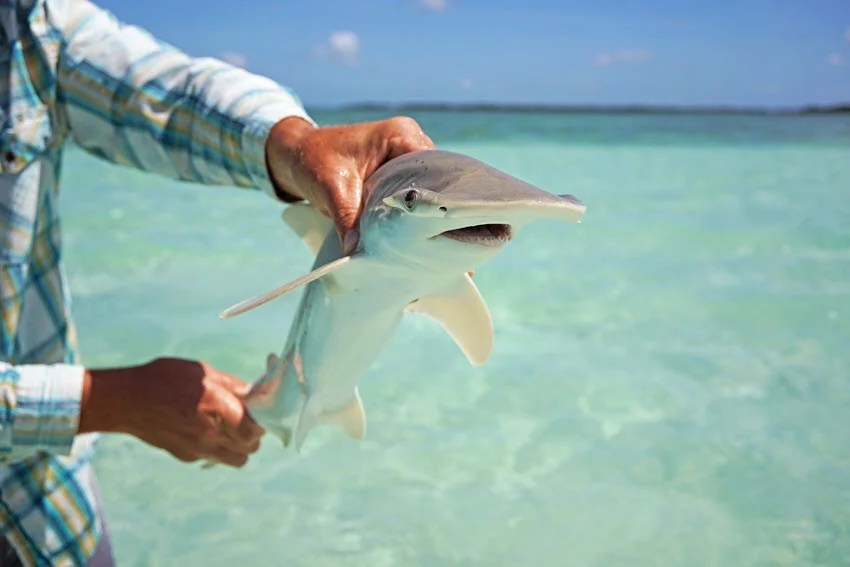
Sharks can be targeted year-round in Florida, but the most consistent action is from late spring through early fall. During these periods, warm water conditions bring baitfish migrations close inshore. The daily conditions that drive shark fishing are in the next section.
In winter, when water temperatures cool, many of these coastal sharks migrate deeper or southward. Targeting them during this season means going offshore, fishing the deeper channels, or focusing on warm-water discharges where sharks congregate.

Florida has many productive areas for shark fishing. Here are a few well-known options that can fish well when conditions line up.
Before you go, check tides, current conditions, and local access rules. Matching your timing to bait movement and moving water can make a major difference.
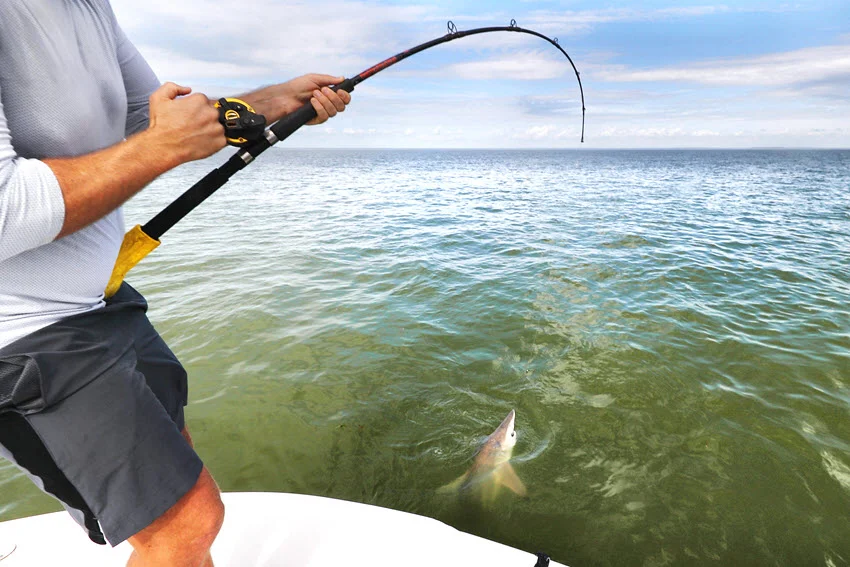
To safely and effectively target sharks, you will need strong, reliable gear to handle long runs, heavy weights, and abrasive skin. Here's what to consider when preparing your shark fishing setup.
Florida also restricts certain hook setups when using natural bait, and chumming is prohibited when fishing from the beach, so confirm current FWC shark rules before you go. With solid equipment and good preparation of your knots, you will have higher chances for a successful fishing day.
Understanding fishing regulations and preserving specific fish species contributes to protecting fish populations and ecosystems and promoting responsible angling practices.
Anglers Booking Team
Shark fishing differs from other species in that additional education and a special permit are required due to safety and conservation concerns. The documents that are required are:
Catching sharks in Florida is heavily regulated under Florida law. You need a license, and if fishing from shore, a permit as well. Proper licensing you are legal while fishing.
To protect sharks from harm, it is necessary to use special measures, such as a dehooker and long-nosed pliers.
If the intention is to retain the shark after catching it, special measures for landing the fish should be used. The most commonly used approach is the catch-and-release method.
Shark fishing gives adrenaline-filled battles and puts the fisher's expertise and stamina to the test. With the right gear, careful handling, and a compliance-first approach, shark fishing in Florida can be productive and responsible.
Of the many shark species you could target in Florida, what is your favorite? Which baiting methods work for you?
Disclaimer: Fishing regulations and open seasons may vary by region and are subject to change. The information in this guide is for general reference only. Learn the latest fishing rules, size limits, and season dates on the official websites of the state or federal government before your trip.

The expert copywriters at Anglers Booking have meticulously crafted this article. Our dedicated team of writers provides valuable insights and information to enhance your angling experience.

September 16, 2025

April 25, 2026
Subscribe to our newsletter and receive a selection of cool articles every week.
Embark on unforgettable fishing adventures with us at Anglers Booking.
book your charter
August 21, 2026
August 18, 2026
August 15, 2026
August 12, 2026
August 8, 2026
August 4, 2026
April 17, 2026
April 13, 2026

You're now part of our exclusive community. Get ready for premium content and updates straight to your inbox.
close
Subscribe to our newsletter and receive a selection of cool articles every week.
Please enter a valid email address.
Be the first to know when we're back in action.
Please enter a valid email address.
Leave a Comment
Your email address will not be published. Required fields are marked *
Thank you for your comment! It has been submitted for review and will appear on the site shortly.