


Anglers Booking Team
The expert copywriters at Anglers Booking have meticulously crafted this article. Our dedicated team of writers provides valuable insights and information to enhance your angling experience.
 9 minutes read
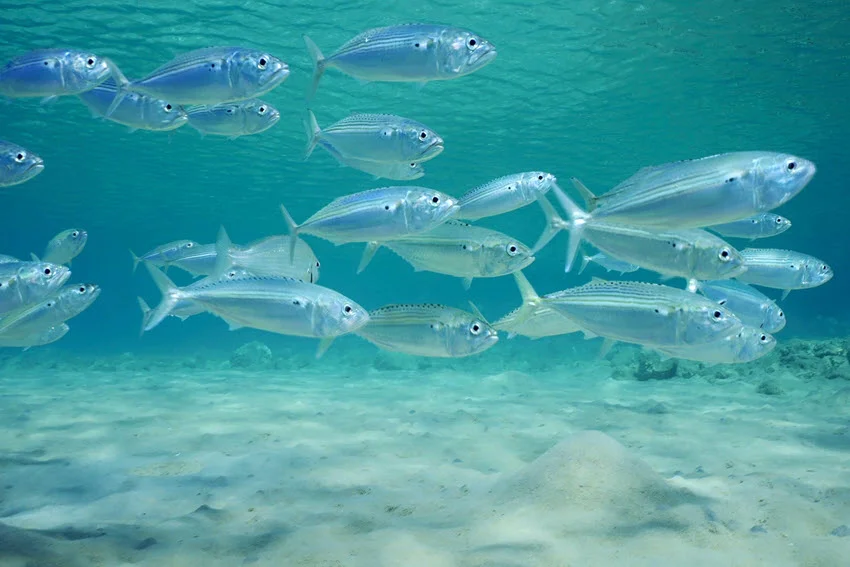
Jack Crevalle are fast and powerful fish that live in saltwater, but also thrive in brackish water. Like other Jack species, they can be found near beaches, inshore bays, and even in rivers. Many anglers enjoy catching them because of the challenge.
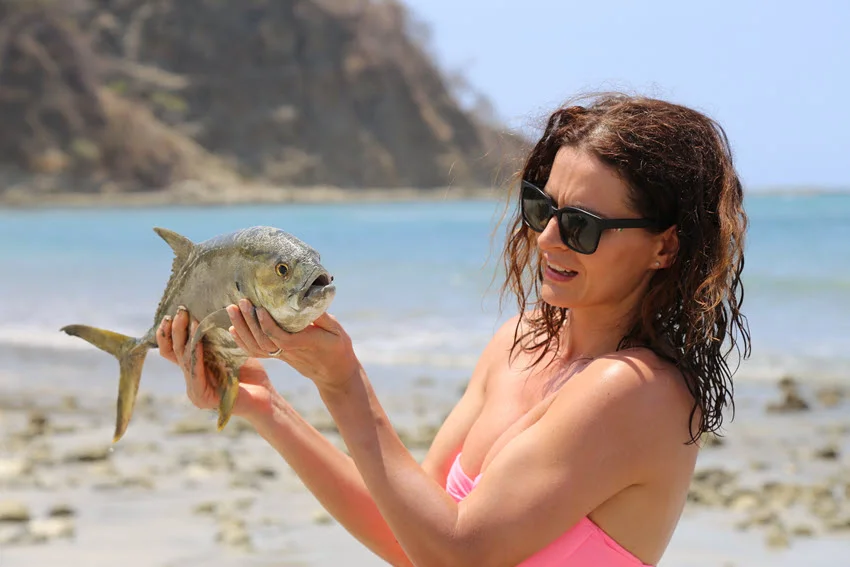
Today, we will discuss and present the best lures for Jack Crevalle. You will learn which lures are most effective based on season and the environment where you target them. Additionally, we will provide information on how to use these lures and the best times to fish. So, let's get started!
The Jack Crevalle is a very aggressive fish. They do not strike by accident. Their behavior is not always the same. It depends on a few factors. Water temperature, bait movement, light, and structure are among them.
To catch more Jack Crevalle, you need to understand how they hunt and where they stay. This will help you locate the fish and select the most effective lures.
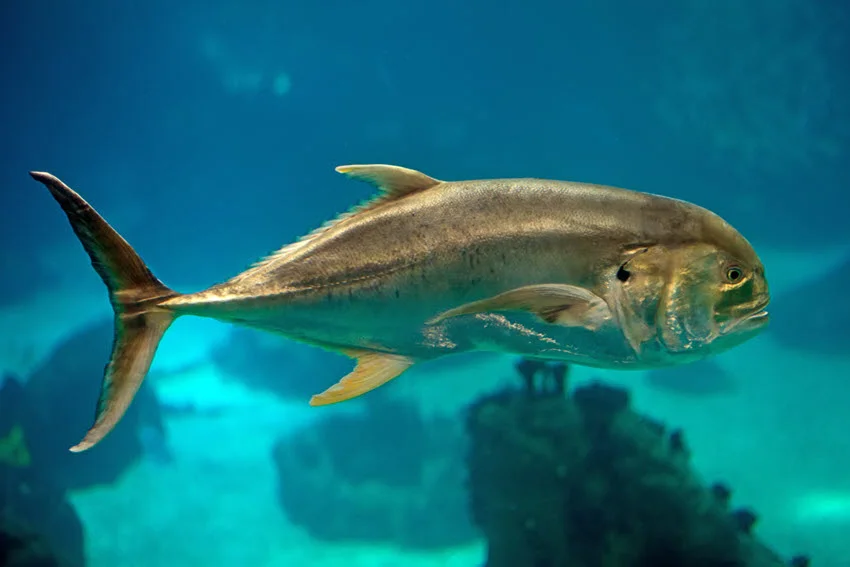
Jack Crevalle live in warm coastal waters. You can find them in the Atlantic Ocean, the Gulf of Mexico, and the Caribbean. They swim near beaches, passes, bays, estuaries, and even rivers. They also gather around structures. They could be found during pier fishing, around jetties, or inshore wrecks.
These fish often move in schools. When feeding, they chase baitfish on the surface in rapid, violent attacks known as "feeding frenzies." They push bait into shallow water and strike with force. The Jack Crevalle uses its speed for hunting.
Water temperatures between 70°F and 85°F are best for their activity. They avoid cold water. When it's too hot or too cold, they go deeper.
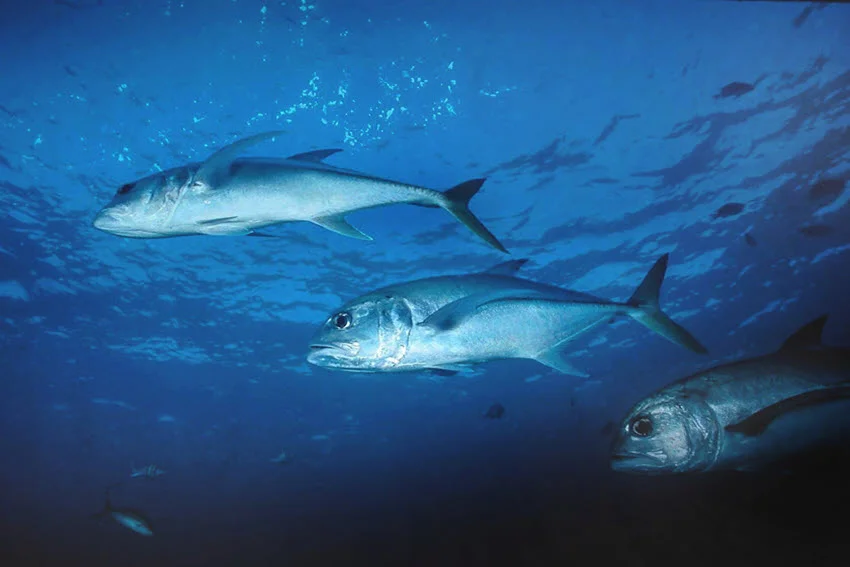
Jack Crevalle react to seasons and water conditions. Warmer months bring more surface activity. Colder months push them deeper. Below, we discuss this in detail.
Follow the bait, match the season, and use the best technique. Jack Crevalles are strong fighters who give an exciting challenge if you are ready for them.
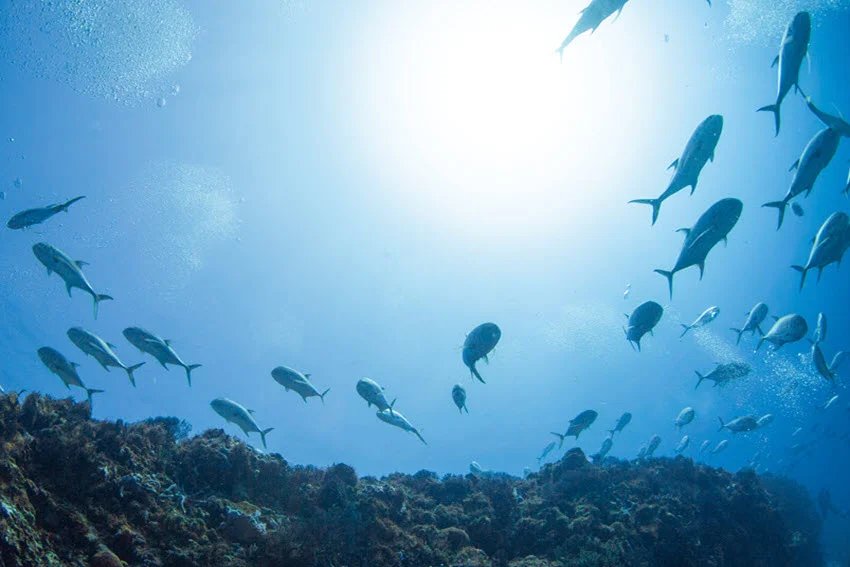
It is essential to know where to find Jack Crevalle. These fish inhabit a wide range of coastal waters. Each setting demands a different lure choice and presentation.
By matching your lure choice to the environment, you are on the right track to catch Jack Crevalle. Keep experimenting with lures in these locations.
The Jack Crevalle is a fish that attacks fast-moving bait. They respond to loud, flashy, or erratic lures. The best lures are those that create commotion, shine in the water, or mimic injured baitfish.
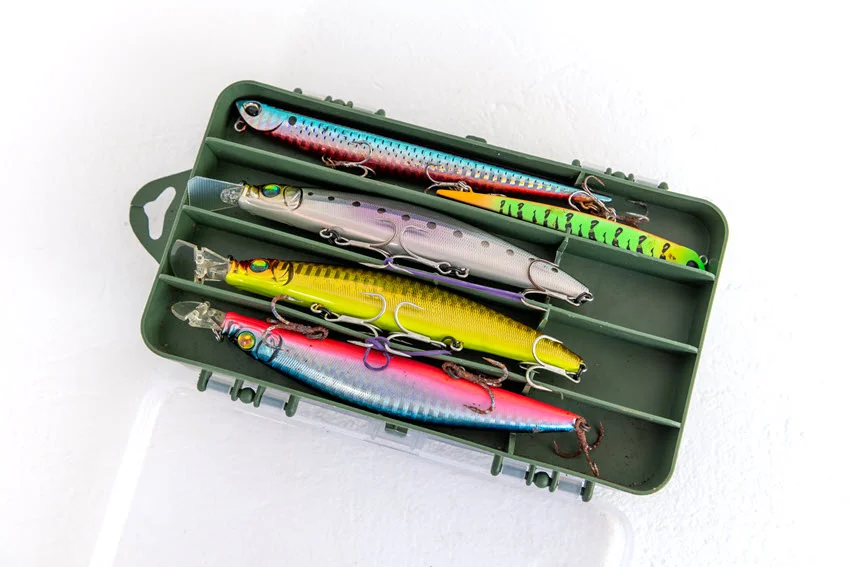
These lures move across the surface in a zigzag or popping action. They are best when Jack Crevalle are feeding on top. Use a fast retrieve with short pauses. Strikes are often explosive. They work well in calm water and shallow bays. Additionally, they are effective during periods of active feeding frenzies.
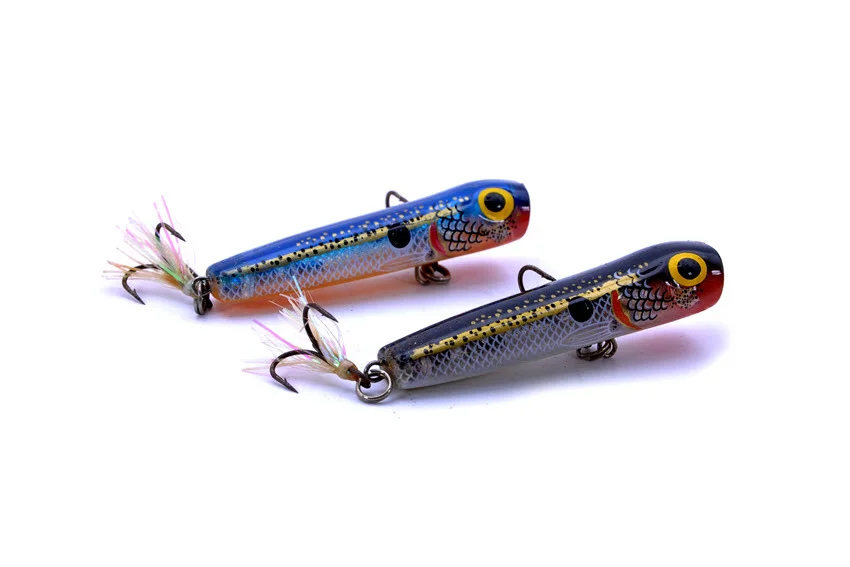
Poppers make noise and splash on the surface to attract fish from a distance. They are helpful in windy conditions and when visibility is low. Use strong, quick jerks to create sound and movement. Jack Crevalle will often hit them hard when bait is nearby.
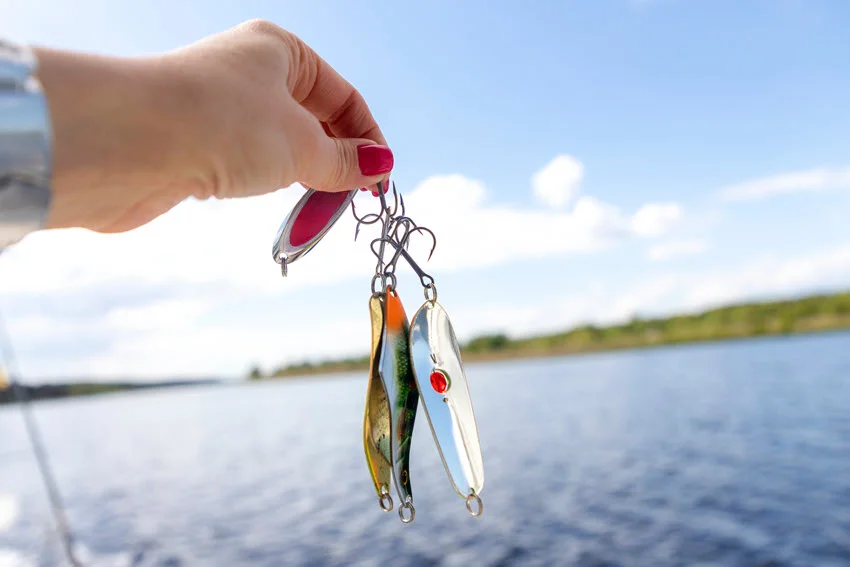
Spoons shine and wobble like fleeing baitfish, making them great for covering water quickly. Use them when you see baitfish on the surface. Also, you can use metal spoons when fishing from piers, jetties, or open beaches. React fast to trigger reaction bites.
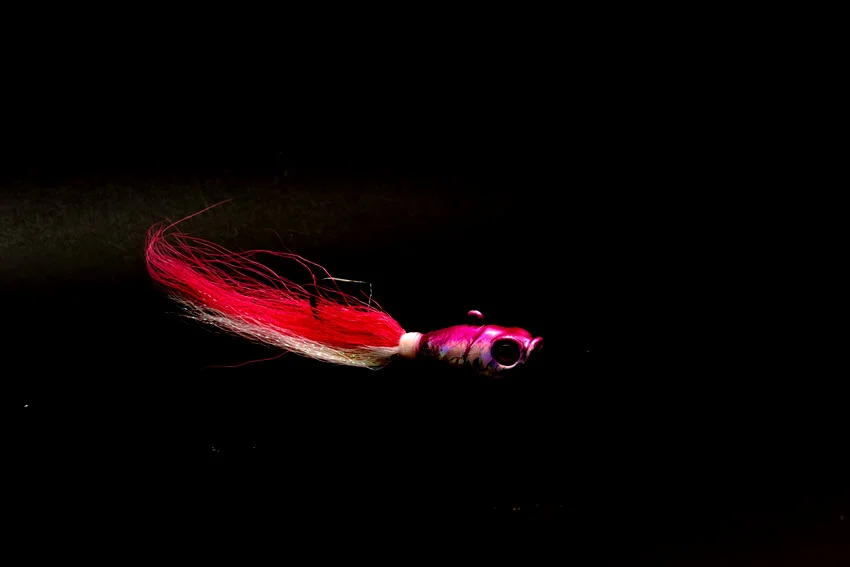
These simple jigs imitate baitfish and move well in strong currents. Cast them near structures, inlets, or passes. Use a fast lift-and-drop retrieve or a straight fast retrieve. White and chartreuse colors are most visible in coastal waters.
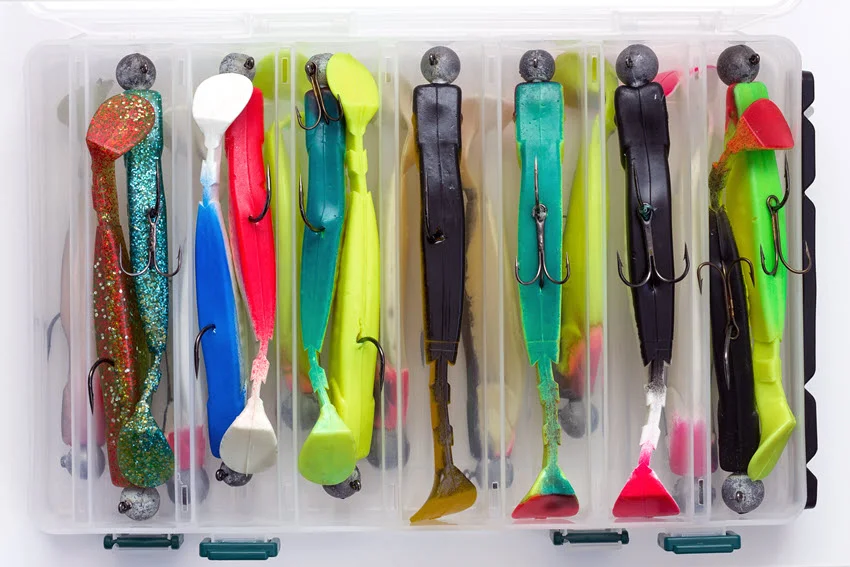
Soft plastics on jig heads are similar to those used for mullet, sardines, or pilchards. They work well in flats, estuaries, and mangrove edges. Cast past bait schools and retrieve quickly. The tail movement emits vibrations that attract nearby Jacks.
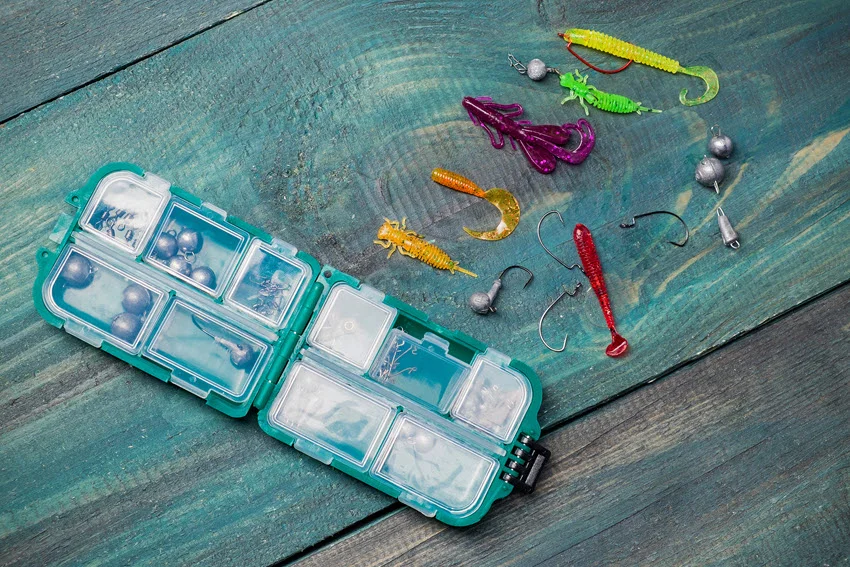
These are best for deep water or fast current. Use them near reefs, wrecks, or offshore structures. Let them sink. Then work them with strong upward jerks or fast retrieves. Jack Crevalle often strikes hard while the jig is falling or rising.
To catch Jack Crevalles, in addition to an effective lure, you must use the proper techniques. Presentation is also critical. Below, we discuss the best fishing techniques for Jack Crevalle and explain how to utilize them for optimal results.
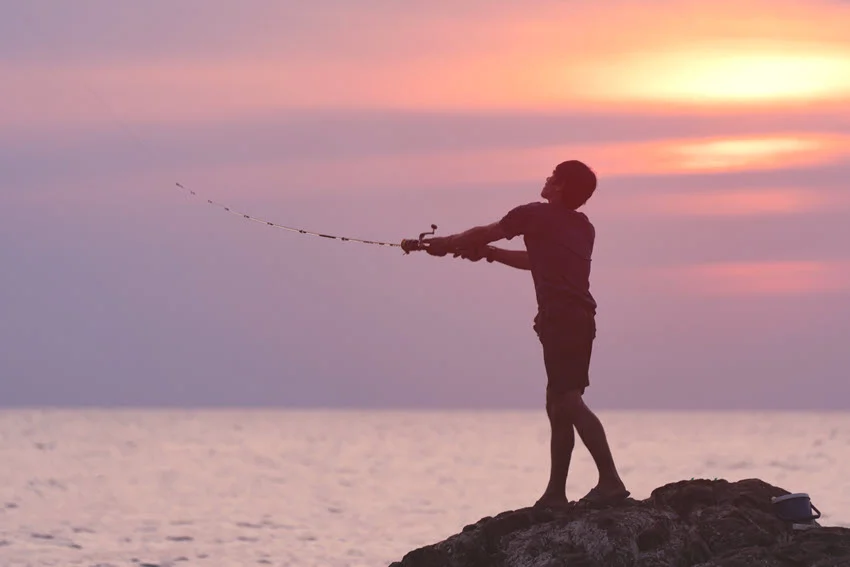
Work the lure by reeling quickly while adding sharp jerks or twitches with the rod tip, keeping it just under the surface to mimic baitfish's frantic movements. This technique is great in warm conditions, but could be productive when Jack Crevalle are actively feeding and chasing. It works best over open water, along channel edges, or when fish are busting bait schools.
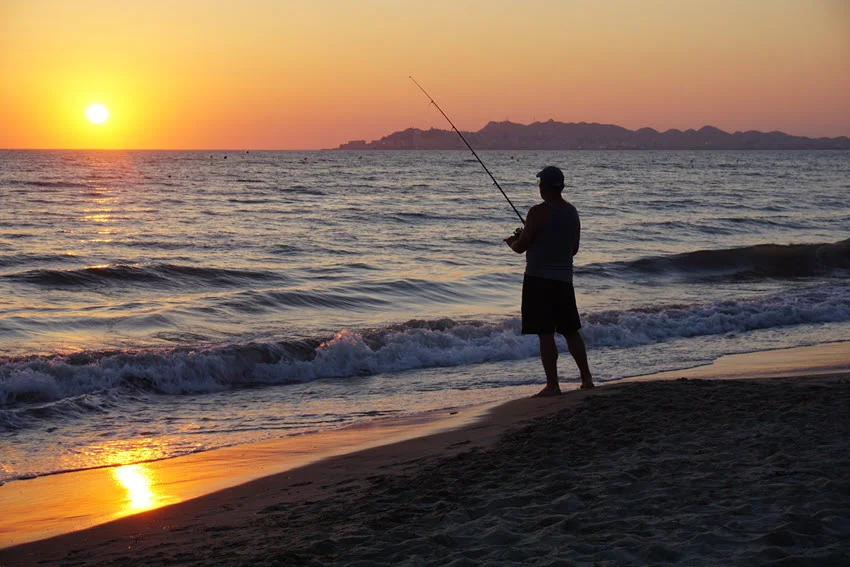
Maintain a low rod angle down and rhythmically twitch the lure as you retrieve to make it glide side to side on the surface. This way of fishing is effective in low-light conditions and during calm tides. Use it in shallow flats, mangrove edges, or near surface-feeding schools. If the fish swipes but misses, slow the cadence slightly.
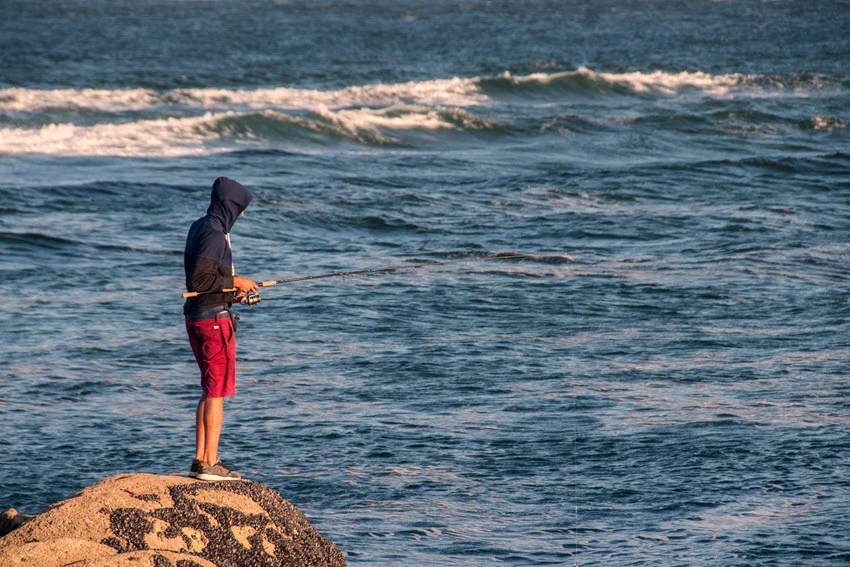
Drop the jig straight down. Work it with sharp lifts. Let it flutter naturally on the fall. You can try this technique in deeper waters. In those places, Jack Crevalle hunt below schools of bait. Position near drop-offs, wrecks, or bottom structure to find active fish. If bites slow, tighten the lift-drop rhythm or downsize the jig for a subtler presentation.
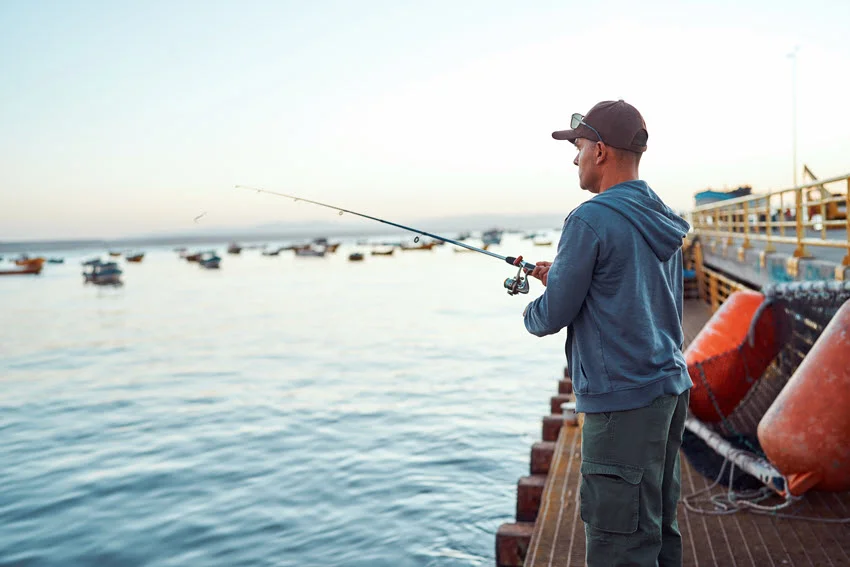
Cast as far as possible. Retrieve steadily with quick bursts or rod sweeps. This technique is best when schools roam vast flats, channels, or open bays, especially on moving tides. It helps you locate scattered fish that aren't pinned to structure. If strikes are short, vary the retrieve speed. Additionally, add pauses to allow the trailing fish to commit.
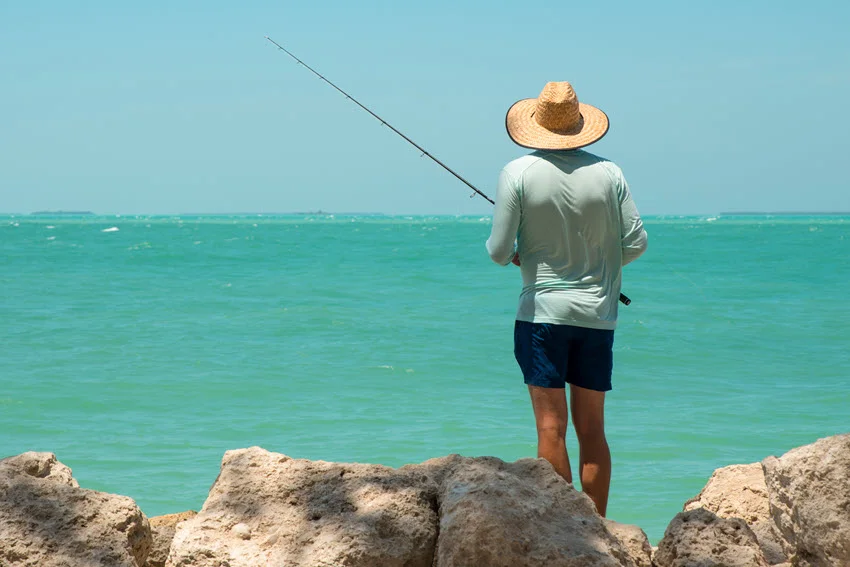
Cast tight to pilings, rocks, or jetty edges, and retrieve fast to draw fish out from ambush spots. You can try fishing this way around tidal movement when bait is flushed through bridges, piers, and rocky points. It's especially productive in clear water or when fish are holding close to shade lines. If fish spook, back off and cast parallel to the structure. This will keep your lure in the strike zone longer.
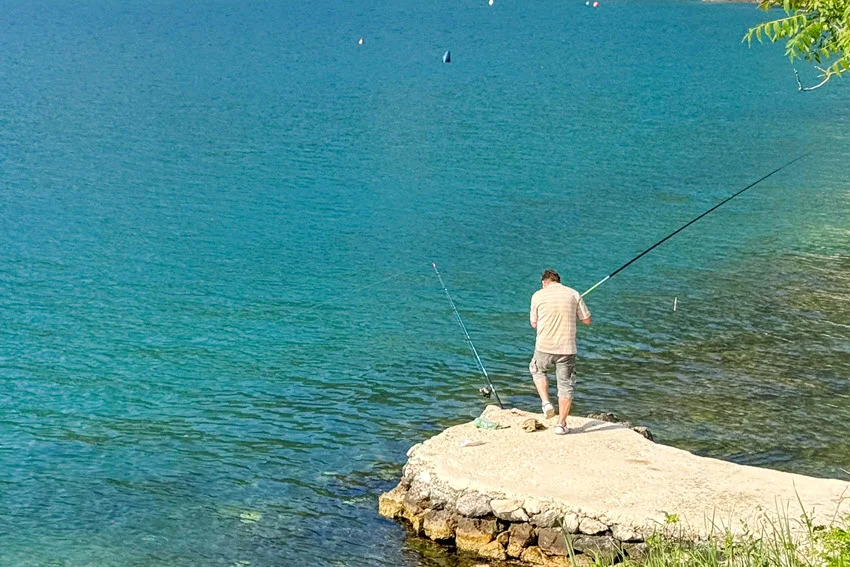
Work the lure with either slow, stop-and-go motions or fast, aggressive bursts, depending on water temperature. Slower retrieves with pauses are most effective in cooler water or when fish are sluggish. Fast, steady action draws strikes in warm conditions. Apply this method anywhere fish are feeding, from flats to channels. If fish follow but hesitate, try mixing speeds mid-retrieve to trigger reaction bites.

Understanding fishing regulations and ethical practices about specific fish species protects fish populations and ecosystems and promotes responsible angling practices.
Anglers Booking Team
While fishing, do it responsibly. Ethical fishing helps protect the fish. Be careful with the fish. Release them quickly if you do not plan to keep them.
Different areas have rules. They relate to when and how you can fish for Jack Crevalle. Don't miss respecting it. Keep the environment clean. Avoid damaging habitats where Jack Crevalle live. It is worth noting that in Florida, this fish is classified as an unregulated species.
The Jack Crevalle is one of the most exciting fish. Their blistering speed and explosive strikes make every encounter unforgettable. With the effective lures, you can turn a day on the water into an adrenaline-filled battle. The key is not only choosing the best lure but also using the speed, noise, and erratic action that provokes their baits.
What is your favorite lure for Jack Crevalle? Where do you usually fish for them? Share your experience in the comments below.

The expert copywriters at Anglers Booking have meticulously crafted this article. Our dedicated team of writers provides valuable insights and information to enhance your angling experience.
July 1, 2026
Subscribe to our newsletter and receive a selection of cool articles every week.
Embark on unforgettable fishing adventures with us at Anglers Booking.
book your charter
October 2, 2026
September 8, 2026
August 21, 2026
August 18, 2026
August 15, 2026
August 12, 2026
August 8, 2026
August 4, 2026

You're now part of our exclusive community. Get ready for premium content and updates straight to your inbox.
close
Subscribe to our newsletter and receive a selection of cool articles every week.
Please enter a valid email address.
Be the first to know when we're back in action.
Please enter a valid email address.

Leave a Comment
Your email address will not be published. Required fields are marked *
Thank you for your comment! It has been submitted for review and will appear on the site shortly.