


Anglers Booking Team
The expert copywriters at Anglers Booking have meticulously crafted this article. Our dedicated team of writers provides valuable insights and information to enhance your angling experience.
 12 minutes read
If you're ready for an exhilarating fishing adventure, Amelia Island is the place to be. This southernmost gem of Florida offers a unique blend of fishing, untouched nature, and uninhabited beaches, all within a beautifully preserved environment. It's a paradise for anglers, with a rich history and world-class amenities to enhance your stay.

You can interpret and experience it from various perspectives. In addition to fishing, you can use it for a family vacation, a romantic getaway, horseback riding along the beach, or a kayak trip.
Consider this guide your comprehensive companion on your fishing journey in Amelia Island. We've meticulously compiled all the necessary information, leaving no stone unturned. From introducing you to the famous fish species and the best fishing spots to sharing techniques and tournaments, we've got you covered.
All the joys of fishing, embodied in many fish species, can be found here. Native and migratory, and with all the excitement that the differences between these species bring, it is simply impossible, no matter how demanding a fisherman you are, that something here does not please you!
Amelia Island's waters are teeming with various native fish species, which, depending on their seasonal and daily cycles, await you inshore. To get to know them better, keep reading.

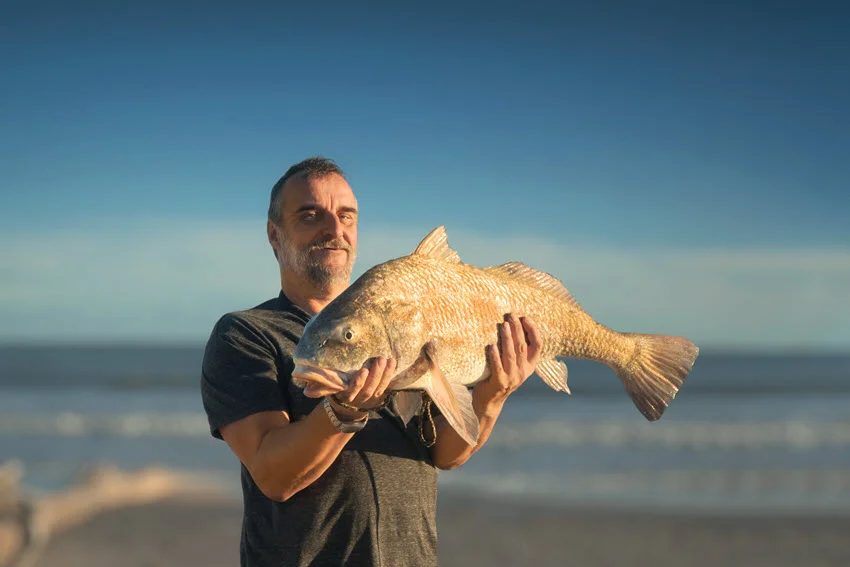
On the shores of Amelia Island, you can meet Redfish very often, almost daily, a sight that, despite this, does not lose its charm. This native species thrives in the island's shallow coastal waters marshes, and you'll often find it around structures like docks and piers. Hardy and adaptable, you can find it in both salty and brackish environments.
With the ability to grow past 40 inches and exceed 30 pounds, Redfish offer a thrilling fight for any angler. Their copper-red body and signature black tail spot make them unmistakable, and their aggressive strikes test both patience and tackle. The prime season runs from September through October, but opportunities to catch them extend year-round, rewarding persistence with unforgettable battles.

Wherever and whenever it appears near the coast, the famous Tarpon overshadows all other species with its majestic presence. Strength, resilience, and stunning aerial displays characterize the possible appearance of the "Silver King" encircled by a forked tail, which gracefully propels it through the ocean depths.
The local Tarpon season peaks from March through May, when schools move through channels and flats. Most anglers pursue them with shrimp, mullet, or lures such as soft plastics and spoons, using techniques like fly fishing, casting, or even targeting them from kayaks. Tarpon are almost always catch-and-release, but the experience of battling one delivers unmatched excitement and respect.

Red Snapper are one of the most striking offshore catches, recognized instantly by their vivid red color and aggressive nature. They thrive around deep reefs and rocky ledges, where their hardy build and intense fight make them a prized target for anglers heading offshore from Amelia Island.
Red Snapper's standard size ranges from 20 to 35 inches in length and can weigh 5 to 20 pounds. The prime season runs from June to August, when they feed heavily and hit a variety of baits. With their willingness to strike both natural and artificial offerings, they deliver one of the most exciting battles offshore anglers can experience.

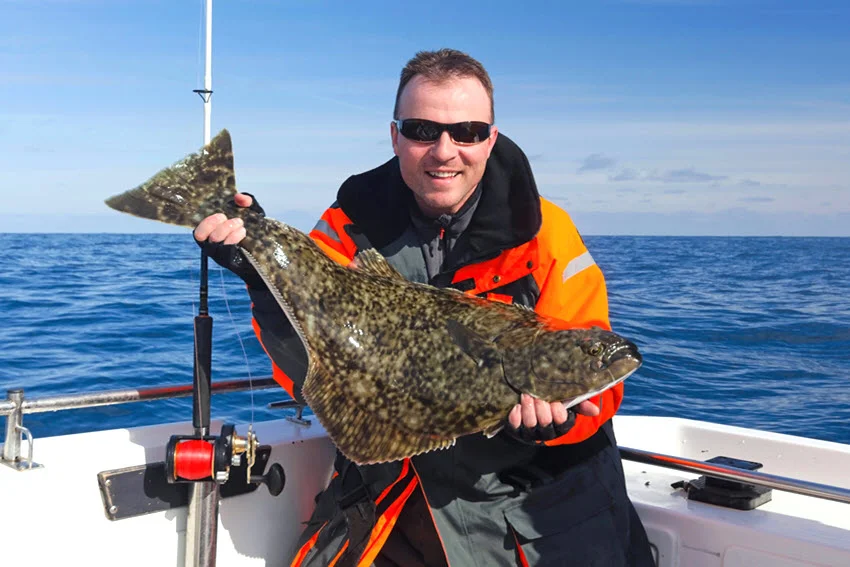
With its deceptive nature, similar to a skilled trickster, Flounder can charm and surprise any angler, especially if you overestimate it. Flounder are slippery fish that fit effortlessly into sandy environments, often lurking in an ambush on sandy, muddy bottoms and near reefs, wrecks, and jetties.
Although Flounder can be caught year-round, they are most active in April through May and again in September through October. Their deceptive strikes and quick runs make them a challenging species to land, adding to their reputation as one of the island's most interesting catches.

Sheepshead is striking thanks to its black and white stripes and human-like teeth. In addition, the Sheepshead is a master at nibbling on hook baits, making it a challenging catch. This species likes areas with heavy structures, such as piers, docks, rocky piers, and oyster beds, where it feeds on crustaceans and shellfish.
On Amelia Island, Sheepshead are most abundant from November through March, when calmer waters bring them in close to structure. Most fish measure 12 to 20 inches, though larger specimens appear in prime conditions. These tricky fish test patience and skill, making a successful catch all the more satisfying.
The ocean's restlessness and rawness are reflected in the shape of fish species. You will also encounter some of these species in Amelia Island waters, and if you are skilled enough, they will bite your hook.

With their shimmering silver hues and elongated bodies, Wahoos exude an exciting beauty. However, beneath their charming exterior lies a vicious predator armed with razor-sharp teeth, meaning careful handling from anglers.
Around Amelia Island, the best time to target Wahoo is during the summer months, when they patrol offshore canyons and current edges. Most are taken while trolling with diving lures, jet heads, or mullet rigs. With the potential to top 100 pounds and unmatched speed, Wahoo are a trophy catch that tests skill, tackle, and nerves.

Cobia are also highly prized and sought-after migratory fish. They are fascinating species known for their smooth bullet-shaped bodies and distinctive dark side stripes. Beneath their smooth exterior, these fish are raw predators with powerful jaws and voracious appetites. Weighing up to 100 pounds, Cobias are celebrated for combining everything from strength and endurance to a slightly sharky appearance.
You'll find them around buoys, wrecks, reefs, and the perimeters of coastal drop-offs. They are caught on live bait, such as crabs and eels, and artificial bait, such as lures and plugs. On Amelia Island, the best time to fish for them is from April through June.

King Mackerel, or Kingfish, is another very popular and often fished migratory species that can reach speeds of about 40 miles per hour. They are known for their acrobatic displays and ability to strip the line from the reel in a few seconds. The queen can grow considerably, often reaching a length of up to 5 feet and a weight of over 50 pounds.
Around Amelia Island, the best fishing takes place from April through May and again in September through October, when schools migrate along the coast. Traditionally, they are caught using trolling or jigging techniques. During the fight, Kingfish will live up to their esteemed name and fight hard, often jumping and twisting to break free of the bait.

Spanish Mackerel are smaller cousins of the Kingfish, but they are no less exciting to catch. Recognized by their greenish backs, yellow spots, and sharp teeth, they travel in large schools and often strike fast and aggressively. Their abundance makes them a popular species for both seasoned anglers and beginners.
The best time to target this fish is from March to May and again from September to November, during their coastal migrations. They are commonly found chasing baitfish near inlets, jetties, and sandy beaches, where casting spoons or trolling small lures often results in fast action. Their spirited fights and schooling behavior can make for nonstop fishing excitement.

Mahi Mahi, also known as Dolphin or Dorado, are prized for their brilliant colors, acrobatic jumps, and fast growth. With their iridescent green, yellow, and blue hues, they are among the most visually striking fish found offshore, and their aggressive feeding makes them a favorite target.
Off Amelia Island, the best season to target Mahi Mahi is in June through August, when warm summer currents push weed lines and floating debris closer to shore. Anglers typically troll ballyhoo or squid along these lines, though casting lures near debris or weed patches can also draw explosive strikes. Their beauty and spirited fight make them one of the most celebrated offshore game fish.
Here are some of the top fishing spots on Amelia Island, whether you prefer inshore, offshore, surf, or dock fishing. Check them out.

Egan's Creek, located on the west side of Amelia Island, is a favorite spot and gathering place for anglers who prefer Redfish, Speckled Seatrout, and Founder. Only a short distance from the main attractions of the island, it is very convenient for and convenient access for anglers looking for quiet inshore fishing.
The Creek's gentle currents and varied enough terrain make it an ideal habitat, so you can cast from the shore or explore the winding canals by boat. There is enough greenery and shade so that you can even camp or lie down with friends and family during breaks from fishing or by yourself.

If you are a history buff in addition to fishing, you can combine and explore both passions here. Fort Clinch State Park, a historic 19th-century coastal fort that was converted into a state park in 1938, is a notable and well-known testament to Amelia Island's rich heritage and natural beauty.
Located along the northeast coast, it offers a diverse array of outdoor recreational activities in addition to fishing, including biking, hiking, swimming, camping, bird watching, crabbing, and, of course, fishing. It has a pier, piers, and numerous other places for fishing, so it is suitable for various techniques and, simultaneously, for enjoying the picturesque view of the Atlantic Ocean.

Nassau Sound, located on the southern tip of Amelia Island, serves as a dynamic fishing hotspot thanks to coastal waters with variable tides, i.e., the unique movement of the tides. It is possible to fish in various ways, both on foot and by boat, attracted by the promise of meeting different types of fish in one location.
The George Crady Bridge spans Nassau Sound and is a favorite rendezvous for anglers looking to cast from shore, offering ample opportunities to reel in a prized catch amid a picturesque coastal setting. Whether casting from a bridge or exploring the waters by boat, Nassau Sound provides an inviting environment for anglers to enjoy the thrill of fishing against the backdrop of Amelia Island's picturesque coastline.

Peters Point Beachfront Park is a favorite destination for surfers on Amelia Island, but it is also a great location to cast your line in search of prized catches such as Drum, Pompano, and Sharks. The park has strong ocean currents, which means big fish are present.
At the same time, this location is an excellent opportunity to test yourself, your fishing skills, and how far you can go in challenging robust pelagic fish species. In addition, this is a beautiful place to enjoy the beach, primarily made of white sand, blue sea, and sun.
Fishing on Amelia Island involves various techniques adapted to different species and habitats. Here are some of the most popular methods.

Trolling is a dynamic, risky, and trendy fishing technique that combines the excitement and pleasure of catching fish with the efficiency of covering large water areas. Since ancient times, it has been very efficient in targeting aquatic species that inhabit deeper sea waters.
Trolling means pulling lures behind a moving boat at different speeds, and that's how anglers manage their water lure presentation. Coarser or finer movements are primarily achieved by maneuvering the boat and adjusting the speed, thus imitating the movement of the prey. It is used for most aquatic species, primarily for catching Mahi Mahi, Marlin, and Wahoo, which often roam the open water for food.
Offshore equipment such as descenders, planers, or diving devices, as well as tools that enable precise depth control and a better understanding of complex underwater terrains, are often used.

Jigging is also a dynamic and demanding fishing technique, which involves quick snaps to raise the rod's tip and move the bait vertically in the water column. It can also be cast straight up and down while drifting or by casting the lure out and pulling it horizontally while reeling.
This technique provides access to target species that stay close to the bottom or stand in the water column, such as Grouper, Snapper, and Mackerel. This technique also involves vertically presenting weighted or soft plastic lures, whereby anglers manipulate movement and rhythm.
Similar to trolling, jigging allows anglers to control the bait by adjusting the depth and speed of the pull, which allows anglers to feel the subtle strikes of the fish and engage in exciting but often tricky battles.

Casting is an excellent technique for beginners, offering a wide variety and ample room for skill development. It allows accurate and skillful targeting of a wide range of fish species. The primary use of spinning rods, mainly light to moderately heavy, provides precision and finesse in the execution of presentations.
This method provides control over the cast's distance, direction, and speed, making it adaptable to different fishing scenarios. Casting is commonly used in the waters around Amelia Island to catch Redfish, speckled Seatrout, and Flounder lurking near underwater structures.
Despite its simplicity, casting is a unique technique that captures the magic of fishing. It is available to everyone and provides endless opportunities to improve skills and expand fishing horizons.

Drift fishing is also popular on Amelia Island. It offers anglers a versatile and efficient way to explore and target various fish by taking advantage of the natural currents and wind. Like trolling or jigging, drifting covers large water areas, accurately and naturally presenting baits, with the boat generally moving very little.
In the waters of Amelia Island, drift fishing is especially effective for targeting Redfish, Speckled Seatrout, and Flounder, using light to medium spinning or casting setups combined with Carolina rigs or jig heads.
Drifting can be used with different fishfinders and other navigational tools to help identify productive fishing areas. It can also be used for mass fishing, which requires a deep understanding of currents, bait presentation, and boat handling, making it both challenging and rewarding.

Surf fishing is prevalent throughout Florida, including Amelia Island. This attractive approach also implies reliance on natural water currents, specifically the changes in tides and waves. It is a popular and affordable method for anglers of all levels. Due to the often powerful wave strikes, exposure to salt, and potential corrosion, the rods must be flexible but extremely strong and made of a resistant material.
Using medium to heavy spinning rods, anglers can cast baits such as shrimp, mullets, and sand fleas to attract species such as Pompano, Whiting, Redfish, Bluefish, Flounder, and Sharks. The best time for board fishing is during low tide, especially early morning and late afternoon.
Among Amelia Island locations, Fort Clinch State Park, Peters Point Beachfront Park, and Main Beach Park stand out, each offering plenty of space and good fishing conditions.
If you want or are addicted to tournaments and proving your fishing skills, you will not be disappointed in Amelia Island. Here are some of the most famous tournaments from this island!
The Amelia Island Redfish Spot Tournament is an exciting annual event that attracts anglers who love Redfish. Unlike traditional tournaments that measure fish by length or weight, this competition counts the number of Redfish caught, emphasizing the element of luck and good strategy. Participants can fish from boats, kayaks, or the shore and compete for cash prizes, fishing gear, and trophies, making it a rewarding challenge.
Held in October every year, the tournament is family-friendly and open to all ages, with categories for adults and juniors. Emphasizing community and conservation, the event fosters camaraderie among fishing enthusiasts and promotes sustainable fishing practices through catch-and-release.
The Fernandina Beach Fishing Rodeo is an annual event for anglers of all ages and skill levels. Held in the coastal town of Fernandina Beach, the tournament has different categories, including coastal, inshore, and youth divisions, where anglers compete targeting species such as Redfish, Trout, Kingfish, and Mahi Mahi.
In addition to the competition, the event features good music, food vendors, and family activities, making it a fun experience for everyone. You can easily apply using an online application or on-site options. The tournament combines the thrill of fishing with the vibrant spirit of the Fernandina Beach community, making it fun for everyone.
The Amelia Island Bluewater Shootout Tournament is an annual fishing competition for pelagic species such as Mahi Mahi, Wahoo, Tuna, and Marlin. It usually takes place in June or July, and participants can win cash prizes and trophies while promoting camaraderie and marine conservation efforts. Registration is open to anglers of all skill levels, with online entry options available.
To succeed in the tournament, anglers should prepare their equipment, familiarize themselves with the sea fishing grounds, and be informed about the weather and sea conditions. Overall, the Bluewater Shootout offers an exciting opportunity for anglers to test their skills and enjoy Amelia Island's vibrant marine environment.

Understanding fishing regulations in an area is crucial for protecting fish populations and ecosystems and promoting responsible angling practices.
Anglers Booking Team
On Amelia Island, as in the rest of Florida fishing and licensing regulations are overseen, enacted, and maintained by the Florida Fish and Wildlife Conservation Commission (FWC). This commission mandates that all anglers over 16 must possess a valid Florida freshwater and saltwater fishing license, which can be obtained online through the Commission's official website, authorized agents, or certain fishing tackle stores.
Suppose you plan to fish in protected areas or use non-conventional techniques. In such cases, it is essential to determine whether special permits are required and ensure proper compliance with relevant regulations. Also, bag size limits, seasonal closures, and fish-specific rules are often in place and must be carefully followed.
Complying with all regulations, obtaining the necessary permits, and acting according to them enables anglers to fish freely without the risk of fines and, at the same time, behave responsibly towards the environment.
As we conclude our comprehensive guide to fishing on Amelia Island, you can see that fishing here is a well-rounded story with plenty of opportunities for anglers of all skill levels.
Amelia Island's rich marine environment and vibrant community spirit provide a quality stage for unforgettable fishing experiences.
If you have any questions, wishes, or feedback, or want to share your fishing stories, we invite you to join us in the comments section. We always love to talk about fishing, especially when it's from a place like Amelia Island! Looking forward to hearing from you!

The expert copywriters at Anglers Booking have meticulously crafted this article. Our dedicated team of writers provides valuable insights and information to enhance your angling experience.

October 15, 2024
June 2, 2026
Subscribe to our newsletter and receive a selection of cool articles every week.
Embark on unforgettable fishing adventures with us at Anglers Booking.
book your charter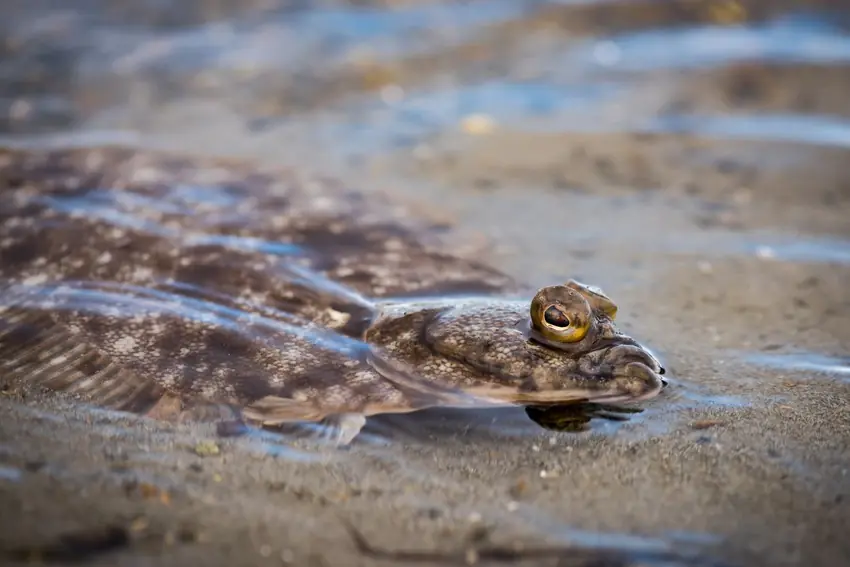
October 2, 2026
September 8, 2026
August 21, 2026
August 18, 2026
August 15, 2026
August 12, 2026
August 8, 2026
August 4, 2026

You're now part of our exclusive community. Get ready for premium content and updates straight to your inbox.
close
Subscribe to our newsletter and receive a selection of cool articles every week.
Please enter a valid email address.
Be the first to know when we're back in action.
Please enter a valid email address.
Leave a Comment
Your email address will not be published. Required fields are marked *
Thank you for your comment! It has been submitted for review and will appear on the site shortly.