


Anglers Booking Team
The expert copywriters at Anglers Booking have meticulously crafted this article. Our dedicated team of writers provides valuable insights and information to enhance your angling experience.
 12 minutes read
Tucked between the serene embrace of Apalachicola Bay and the vast, calming expanse of the Gulf of Mexico lies St. George Island, one of Florida's last unspoiled havens. This picturesque island, untouched by the hustle and bustle, offers miles of peaceful beaches perfect for sunbathing, shell collecting, and top-notch fishing activities.

This island, stretching over 20 miles in length and one mile in width, is a haven for fishing enthusiasts. Here, you can cast lines in a relaxed and spontaneous manner or with an adrenaline-fueled intensity that makes you feel like there's no tomorrow. There's ample space to set up your particular fishing spot or even claim half a beach, and time seems to slow down on this island, heightening the thrill of the chase.
We hope to have piqued your interest, so keep reading this guide and embark on a journey of fishing magic, discovering what makes St. George so unique, what fish you can catch, and much more! So, let's explore the unique fishing experiences that await you on St. George Island!
Florida's fishing opportunities are renowned, attracting numerous anglers to its shores. However, this popularity often leads to large crowds and intense competition for the best catch. St. George Island, on the other hand, offers a refreshing change. It boasts a diverse fish population and fewer anglers, ensuring a more relaxed and fruitful fishing experience.
Beautiful, mild weather and quality water full of food made the sea around St. George Island a permanent home for many fish. And let's not lie, they chose the right home!

If a copper-red flash breaks the surface near shore, chances are it is a Redfish – one of the most iconic and hard-fighting inshore species around St. George Island. Recognized by their bronze bodies and the distinctive black spot near the tail, they are a staple of Florida's inshore fishery and a favorite target for anglers of all levels.
Their peak activity comes in spring and again in fall, particularly from April to June and October to November, when schools push into the flats and shorelines. Redfish are known for their strong runs and cautious feeding behavior, so patience, quiet presentations, and smart positioning around tides are often the key to success.

Tarpon is undoubtedly one of Florida's favorite inshore fish species. The famous Silver Kings are wonderful fish whose popularity continues to grow. With magnificent silvery scales and elongated bodies, this species can weigh over 100 pounds. Tarpon's favorite gathering places are estuaries and coastal waters, and they prefer areas with strong tidal currents.
The peak season for Tarpon in St. George is June to September. You'll mostly find anglers hunting them by casting live or artificial baits, such as mullets or crabs, and swimming baits and water plugs. Tarpons are often a catch-and-release species; if you want to catch them, you'll need a special permit. In any case, meeting this fish is always the ultimate pleasure and fishing joy.

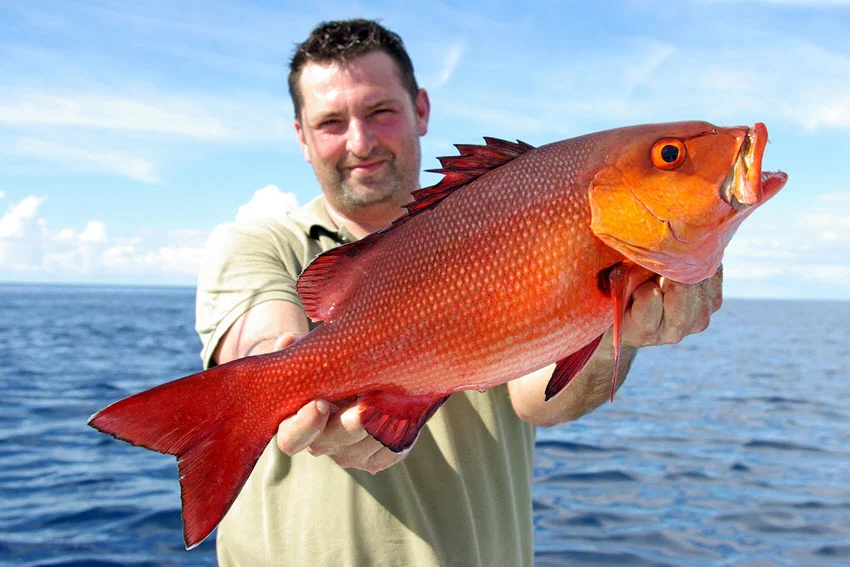
Snappers are the species most characterized by vivacity, mainly when engaged in a fierce battle, when their stunning colors and intricate patterns come to the fore. You can hunt several species in these waters, such as Yellowtail, Mangroves, and Lane Snapper. They often inhabit coastal habitats. They are distinguished not only by their vivid colors but also by their tasty meat, robust build, and cunning nature.
They range in size from 1 to 2 feet in length and up to over 20 pounds. Rock outcrops, reefs, and submerged structures serve as favorite refuges for Snapper, and the fishing period on St. George Island usually runs from June to July. Snappers are mainly caught using jigging techniques with cut and artificial bait.

The waters of St George are blessed with the presence of this ancestral species, which has intrigued anglers since ancient times. Despite their initial appearance of lethargy, these powerful fish command respect, generally lurking warily around reefs, ledges, and other structures. You can encounter Red and Goliath Grouper in these waters, which boast an impressive size range from three feet to over 50 pounds.
The fishing season for these fish runs from June to December, although enthusiasts can target them year-round. Anglers often rely on lures such as pinfish, grunts, and squid, as well as artificial lures like swimbaits. Due to the size of the Grouper, bottom fishing and trolling predominate among the techniques.

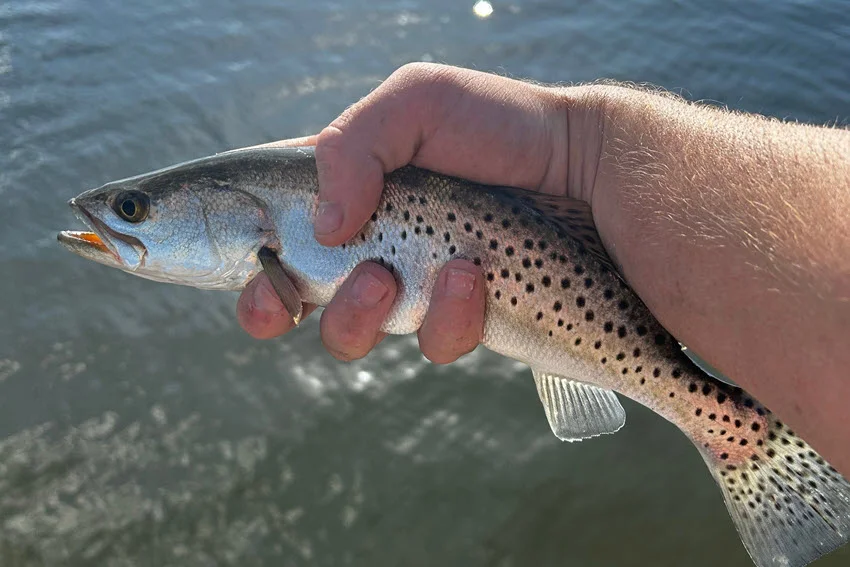
Many inshore anglers like Spotted Seatrout, which is classy and finicky. It is found near grassy areas, oyster beds, and deeper canals. These intelligent predators eagerly catch shrimp and mullet, their favorite prey. Known for their lively yet graceful demeanor, the Spotted Seatrout can grow to trophy specimens over 30 inches long. It is best to look for it from April through November.
In addition to baits such as live shrimp, mullets, and sardines, artificial offerings include soft plastic swimbaits and topwater plugs. They are usually caught by casting or fly fishing. With its agile movements and lively fights, the Spotted Seatrout has an X factor that disrupts the usual dynamics of fishing and elevates the entire fishing experience.
While fishing for native species undoubtedly promises plenty of adventure, those looking for a slightly stronger taste of salt and raw encounters with pelagic species will not be disappointed. Throughout the year, various species migrate through these waters, adding to the dynamic and eternally provoking fishing curiosity.

King Mackerel, or Kingfish, are top predators undertaking impressive migrations along the Gulf Coast. They come to the waters of St. George Island during the colder months. They are swift, reaching a speed of about 40 mph. They are also great acrobats, known for their incredible runs that can take the rope off the reel in seconds.
Kingfish love reefs, wrecks, and artificial reefs, and the best time to catch them is from May to August. They are mainly caught by trolling or jigging. They are aggressive and assertive fighters who will throw themselves and try to break away from the bait in all possible ways.

With their presence, Spanish Mackerel adds a touch of excitement, surprising anglers with their frenetic energy and extraordinary speed. During their peak migration season, you'll generally find them roaming near shoals, reefs, and coastal waters.
Spanish Mackerel adorns the waters of St. George Island from March to May. Trolling is a timeless technique for targeting Spanish Mackerel, where small spoons, plugs, and lures are often used. This method involves placing a line from a moving boat. Casting and retrieving shiny lures or live baits can also bring success.

With its powerful presence, Jack Crevalle's domineering appearance draws anglers with fearsome power and relentless energy. During its primary migratory season, the Jack Crevalle generally swims around shallows, channels, and coastal waters.
Targeting Jack Crevalle often involves using dynamic techniques, such as casting and retrieving lures or live bait, to effectively catch these fish. Thus, a wide range of depths and areas is covered most efficiently. Anglers also often use trolling, using lines rigged with bright lures.

The Pompano epitomizes a classic, fish-like design with a sleek profile and beautiful silver scales. In addition, they are hunted for their delicious meat. Pompano likes to swim near sandy beaches and grassy plains.
Due to their size and weight, pompanos are not overly conspicuous or intrusive. They weigh about 5 pounds and are 12 to 24 inches long. Pompanos are hunted mainly by casting small jigs tipped with shrimp or sand fleas or using specialized Pompano rigs baited with live or fresh bait. They possess the primal fighting spirit of ocean water and are a delicious species.

Mahi Mahi is a fish that can make your day just by its appearance. This greenish-yellow type of dolphin leaves no one indifferent with its colors, unusual build, and superb jumps. They love the warm water areas of the Gulf of Mexico, and the best time to catch them is during the summer on St. George Island.
Mahi Mahi typically grows from 10 to 30 pounds, although larger specimens weigh over 50 pounds. Because of their buoyancy and memorability, they are mostly caught by trolling with artificial baits, rigged baits, or natural baits such as ballyhoo or squid. Their favorite habitats are floating debris, weed lines, and coastal structures.
It can be challenging to know whether it is good to have unlimited choice when it comes to top fishing destinations or vice versa. St. George Island and its surroundings are almost all available for fishing, but we have created a mini list of prime spots for you.

The St. George Island State Park is a hotspot and has long been an iconic fishing destination. It is located within St. George Island State Park and offers access to shallow and deep water, significantly adding to its significance. The pier can be reached by vehicle or on foot, making it a convenient option for anglers looking for hassle-free fishing.
You can target species like Redfish, Trout, Flounder, or other game species from here. The park is along the coastline of the island of St. George, which exudes a pleasant and relaxed energy, perfectly complementing the island's overall atmosphere. Anglers can cast from the shore or explore in a kayak. There is enough room for artistic freedom.

Bob Sikes Cut is located on the eastern edge of the island of St. George and is known as a top game destination from the angler's perspective. Accessible on foot or by vehicle, its strategic location at the convergence of tidal currents makes it a prime spot for targeting sought-after species, such as Spanish Mackerel, Pompano, and Tarpon, especially during the summer.
The location is visually attractive and resembles a magical underwater structure, so it's no wonder it's so popular. It's relaxing and pleasant, and you can get close by boat, kayak, or sail into deeper waters.

Apalachicola Bay has extensive flatlands and wetlands, which means it's teeming with fish like Redfish and Speckled Trout. It is approximately 15 miles east of the island of St. George, so it is ideal for anglers staying on the island. The waters are clean and shallow, which means a paradise for sight fishing and fly fishing.
In addition to Redfish and Speckled Trout, Apalachicola Bay boasts Sheepshead, Flounder, and other marine fish swimming in its waters. There is a lot of space to explore and enjoy the casting from just one spot and staring aimlessly into the beautiful blue.
St. Vincent Bar is a shallow sandbar near the island of St. Vincent and Apalachicola Bay. Despite its shallow depths of only three feet, it is known for its unique fishing opportunities. However, Gator Trout regularly visits this area, offering anglers a unique opportunity to target these unusual fish.
Access to St. Vincent Baru can be challenging due to its shallow waters, which require careful navigation, as you can quickly run aground and get stranded. However, every effort is worth it if you know you can take on Gator Trout, known for their impressive size and fighting ability.
Although reaching St. Vincent Bar may require some navigational skills, it can give an additional charm and increase the desire to experience fishing in such a place.
If you don't have a favorite fishing technique that you have been faithful to since the beginning of your fishing career, then experimenting or trying a new one will be accessible on St. George Island. There is so much space that you can give yourself the freedom to practice whatever technique you want. Below, we will present the most popular ones.

Casting is an essential and often beginner fishing technique. It has much to offer, is easy to upgrade, and allows accurate and skillful targeting of many fish species. This technique usually involves spinning rods to deliver their presentations with precision and finesse. These are generally light to moderately heavy rods that allow precise placement of lures in strategic locations.
This technique allows control of the distance, direction, and speed of casting, as well as excellent maneuverability and adjustment of access to different fishing scenarios. In St. George Island waters, casting is used to catch Redfish, Spotted Seatrout hiding in the middle of the grass flats, and tempting Flounder lurking near the underwater structures. If you have the right equipment, you can also cast for Snook and Tarpon.
Casting is a unique technique that allows everyone to feel the magic of fishing. It is accessible to every level of fishing, has a great possibility of upgrading, and is essentially simple.

Trolling is a technique that combines the usual fishing dynamics, excitement, and joy of catching. It is also suitable for mass fishing. It allows coverage of a large water surface and targets pelagic species that feed in deeper marine waters.
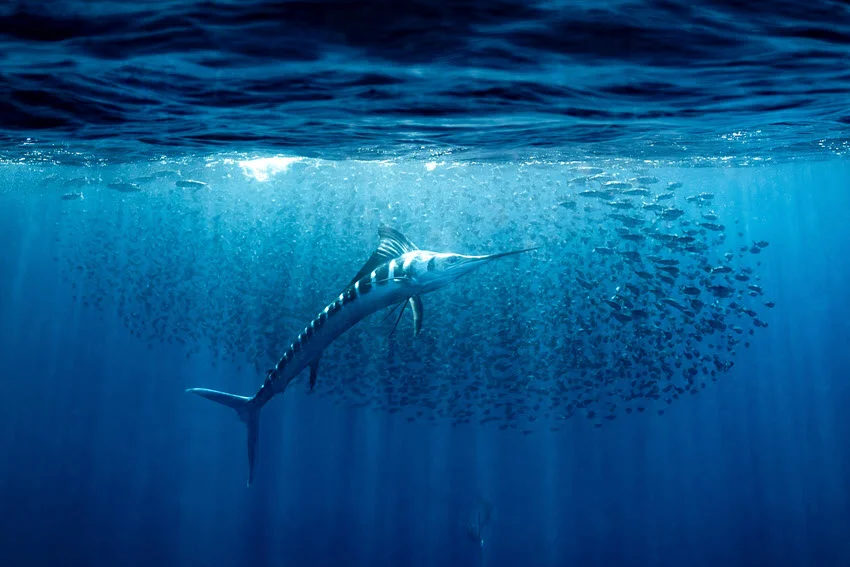
This fishing method involves pulling lures behind a moving boat at different speeds. Anglers manage their aquatic lure show primarily by maneuvering the boat and changing gears. They imitate fleeing prey and thus lure the target species. This is how Mahi Mahi, Marlin, and Wahoo are caught, often roaming the open waters for prey.
Equipment such as downriggers, planers, or diving devices is often used to change the presentation's depth and increase the trolling's effectiveness. These devices enable more precise depth control and a better understanding of complex underwater terrains.

On St. George Island, lovers of this artificial technique can genuinely enjoy it. The abundance of aquatic terrain allows them to catch various species, including Redfish, Spotted Trout, Tarpon, and Snook.
Fly fishing involves using fly rods and carefully crafted artificial flies to mimic the movement of natural prey. The bait is presented delicately and realistically to the target species. It is essential to cast as precisely as possible and show the bait offer as naturally as possible.
The shallow plains of the island of St. George, the winding tidal creeks, and the wide estuaries are excellent backdrops for fly fishing. Fly fishing can also be combined with kayaking or practiced from boats and yachts. Flexibility, calmness, and almost absolute control best describe one of the most popular techniques in the world.

Jigging is one of the most active fishing techniques. It requires you to snap quickly, i.e., raise the rod tip to move the bait vertically in the water column. Once you've learned how to jig, you can try jigging straight up and down while drifting or throwing the lure out and bringing it back towards you horizontally while reeling.
It is emerging as a versatile and effective fishing technique that offers a dynamic approach to targeting species that stick close to the bottom or reside in the water column. Jigging also includes the vertical presentation of weighted lures or soft plastic lures. By manipulating the movement and rhythm of the bait, anglers mimic the unusual behavior of a wounded baitfish, triggering predatory instincts in the target fish.
Jigging allows anglers to control the presentation by adjusting jig depth and drag speed. It is a very hands-on approach to fishing that provides anglers with a rewarding experience as they feel the subtle strikes of the fish while engaging in exciting battles to catch their prized catch.

Live bait fishing is a traditional evergreen technique on St. George Island. Simple yet dynamic enough to attract a wide range of fish species. As the method's name suggests, it utilizes the natural attraction and realistic movements of live bait, such as shrimp, mullet, or pinfish. These lures are bought or collected in the environment and nature, making this approach environmentally friendly.
Anglers usually rig their live baits using, for example, free lining. This technique involves presenting the live bait without added weight, allowing it to swim naturally and attract attacking fish. This technique can also be combined with bottom fishing, where live baits are equipped with weights to keep them close to the seabed.
Whether you're into trophy hunting or enjoy a relaxing spin on bait, this technique is open to almost any option. It provides an opportunity to connect meaningfully with the island's vibrant marine environment.

Understanding fishing regulations in an area is crucial for protecting fish populations and ecosystems and promoting responsible angling practices.
Anglers Booking Team
Like all of Florida, the Florida Fish and Wildlife Conservation Commission (FWC) on the island of St. George administers fishing and licensing regulations. The Commission mandates that all anglers over 16 years must possess a valid Florida fishing license for freshwater and saltwater fishing. Licenses and permits can be obtained online through the FWC official website from authorized agents or fishing gear stores authorized to distribute such licenses.
Suppose you plan to fish in specially protected places using an unusual, not commonly practiced technique. In that case, finding out if you need special permits is essential.
Complying with bag size and size limits imposed to prevent overfishing, seasonal closures, and regulations specific to particular fish species is often necessary. First and foremost, you must always be up-to-date and informed so that you can act and fish in accordance with current regulations.
We have shared with you all that we have to offer, hoping that our joint online journey will help you take the plunge and decide to plan your fishing expedition in St. George Island, and that we will contribute to your success!
If you have questions, wishes, or feedback to share, or want to tell your fishing stories, we welcome everyone in our comments section!

The expert copywriters at Anglers Booking have meticulously crafted this article. Our dedicated team of writers provides valuable insights and information to enhance your angling experience.

November 12, 2024
November 28, 2025
Subscribe to our newsletter and receive a selection of cool articles every week.
Embark on unforgettable fishing adventures with us at Anglers Booking.
book your charter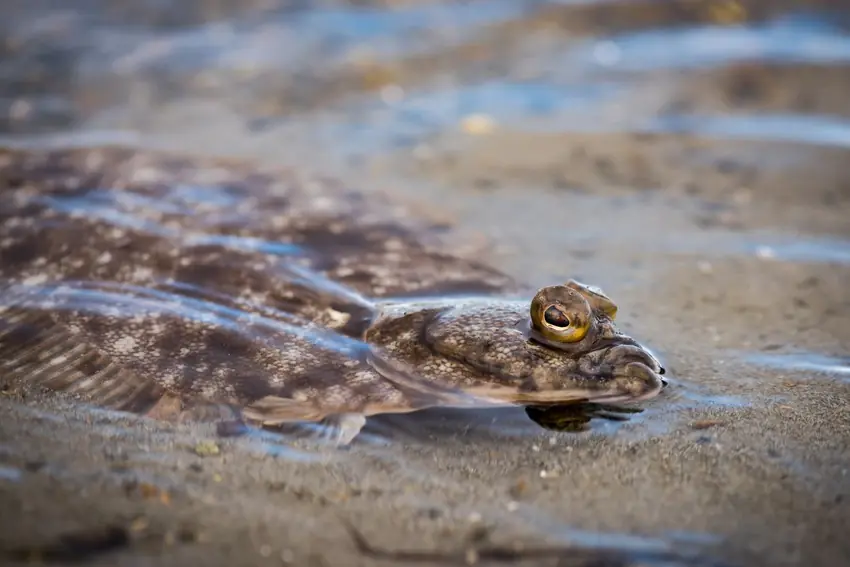
October 2, 2026
September 8, 2026
August 21, 2026
August 18, 2026
August 15, 2026
August 12, 2026
August 8, 2026
August 4, 2026

You're now part of our exclusive community. Get ready for premium content and updates straight to your inbox.
close
Subscribe to our newsletter and receive a selection of cool articles every week.
Please enter a valid email address.
Be the first to know when we're back in action.
Please enter a valid email address.
Leave a Comment
Your email address will not be published. Required fields are marked *
Thank you for your comment! It has been submitted for review and will appear on the site shortly.