


Anglers Booking Team
The expert copywriters at Anglers Booking have meticulously crafted this article. Our dedicated team of writers provides valuable insights and information to enhance your angling experience.
 12 minutes read
It is truly difficult to resist the charm and charisma of the appearance of Salmon and Arctic Char, which are two fascinating fish species! Without exaggeration, they offer more than just fishing and a good bite; they provide a complete experience, a kind of yin and yang of cold waters.
In such a context, the Salmon is a sleek, muscular gentleman, emerging from the rivers with energy and determination, fighting heartily and bravely against all odds in life. Arctic Char is much more adaptable, subtle but fierce, like the glittering jewel of the north.
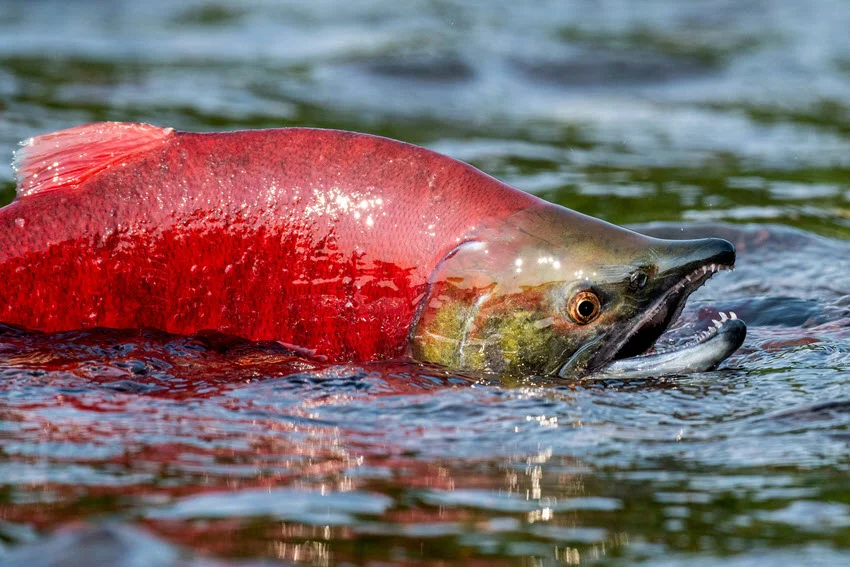
A cold water habitat and intriguing color changes symbolize mystery and resilience, forcing you to dig deep into your fishing skills and improve them by leaps and bounds, second by second. Both fish are epic heroes in their own right, and to defeat them, you have to play by their rules.
Therefore, we have prepared a guide with tips, tricks, and techniques to enjoy these freshwater wonders. So, let's not waste time and go fishing!
Both of these fish share cold-water habitats, but their cult status is vastly different in all other respects. Salmon are migratory fish known for their powerful jumps, and Arctic Char is a master strategist who lives in deep, icy waters, offering a calmer but challenging fight.

Both Salmon and Arctic Char can reach trophy size under ideal conditions. Several Salmon species, such as Sockeye and Chinook, can grow between 50 and 100 pounds, while Coho and Pink Salmon typically weigh 5 to 20 pounds. Size does not always reflect the challenge. Salmon are known for their power and endurance.
Arctic Char tend to be smaller, averaging 5 to 15 pounds, though some grow over 20 pounds in northern waters. Despite their lighter build, they put up an incredible fight, especially in cold conditions where their strength shines.
Salmon is the heavier opponent overall, but Arctic Char brings equal determination and resilience. Both are worthy sport fish, offering different kinds of challenges depending on where and how you fish them.

Salmon are famous for their dramatic color changes. In the ocean, they have sleek silver bodies, but as they return to freshwater to spawn, their colors shift to bold reds, oranges, or greens. Males often develop hooked jaws and humps during this transition.
Arctic Char displays more consistent yet vibrant colors. They usually have dark green or brown backs with light spots and bright orange or red bellies. The intensity of their color deepens in colder, more northern waters.
These color shifts reflect more than just beauty; they signal behavior, spawning stages, and even environmental health. Both fish are living symbols of adaptation and survival in cold-water ecosystems.

Salmon have short but intense lifespans. Most species live 3 to 7 years, starting in freshwater, migrating to the ocean to mature, and returning to spawn. After spawning, most die, completing an epic life cycle focused entirely on reproduction.
In contrast, Arctic Char can live up to 20 years or more, with some reaching 25 years in colder northern waters. Unlike Salmon, they can spawn multiple times without dying, which gives them an edge in resilience and reproductive success.
Their longer lives mean Arctic Char can adapt better to changing conditions. This cold-water survivor offers a fascinating and enduring target for anglers seeking a unique challenge over time.
Salmon is a tragic song with epic migrations, traveling from oceans to freshwater rivers to spawn, and dramatically changing the environment. Arctic Char are more flexible, thriving in freshwater lakes and rivers, often staying closer to colder areas. Let's dive deeper into how these unique habitats shape their behavior!

Salmon and Arctic Char thrive in different, overlapping regions. These regions are primarily cold waters rich in nutrients. Salmon are distributed throughout the North Pacific and North Atlantic Oceans, with popular fishing spots from Alaska and British Columbia to Norway and Scotland. They migrate to rivers such as the Yukon, Columbia, and Fraser for spawning.
Arctic Char are native to arctic and subarctic regions. Their primary habitats are the clear waters of northern Canada, Alaska, Greenland, Iceland, and Scandinavia. They inhabit landlocked lakes, thriving in deeper, colder waters year-round, such as those in high arctic and alpine regions. Both species offer incredible fishing experiences in the world's most beautiful wilderness and rivers.

These fascinating fish are known to change during different seasons, and Salmon are most active during their spawning migrations, usually in late summer and fall. Arctic Char are more adaptable to cold environments year-round but also experience increased activity during spawning, usually in the fall.
In spring, Salmons prepare for their migration routes from the ocean to the rivers, and their activity begins to increase because they gather strength for the upcoming spawning. They are increasingly present in coastal areas and relatively easy to catch.
The Arctic Char does a similar thing. Even in the spring, it uses the cold waters of high northern lakes and rivers to feed intensively, preparing for the arrival of summer. It often stays closer to the surface, which makes it easier to catch.
Summer is a fierce period for Salmon. They are in full swing of their migrations, crossing large distances from the ocean to freshwater habitats. This is the period of their maximum activity, and they are often seen overcoming rapid rivers. Summer is the peak season for hunting these fish.
Although active during the summer, Arctic Char retreats to the deeper and colder waters of lakes and fast rivers. For this reason, deep fishing techniques during the flight are necessary to reach this fish successfully.
Fall brings cooler temperatures when Salmon enter the final phase of their migrations, spawning in shallow, rocky riverbeds. After spawning, most Salmon die.
Arctic Char also uses fall to spawn, but they do not die. They continue to be active and can be found closer to the coasts, where hunting them is more challenging and rewarding.
Winter is when both fish retreat to the cold, deep parts of the water. Salmon that have completed their cycle no longer migrate, while Arctic Char remains active at a much slower pace. Fishing for Arctic Char in winter is complex and requires maximum patience because the fish feed less and stay in deeper waters.

Salmon's prime and best season runs from late spring to early fall, depending on species and location, as they migrate upstream to spawn. Targeting them during late summer and early fall is best when they are more concentrated in rivers and streams. Early mornings and late evenings are particularly productive because they tend to be more active during these cooler hours.
Arctic Char is the king of warmer months. They often live in cold, clear waters, so early summer is ideal when they come close to the coast to feed. Like Salmon, Arctic Char is more active in the early morning and late evening hours, and by coordinating your fishing trips with these seasonal patterns and time frames, you can increase your chances of successfully landing both Salmon and Arctic Char.
Both species feed opportunistically, especially Salmon, which live very short and intensively. Arctic Char exhibits a more varied diet, consuming less fish, invertebrates, and even algae, depending on its habitat and season.

Salmon are versatile, and their diet varies depending on life stage and environment. Juvenile Salmon primarily consume tiny zooplankton and aquatic insects, which provide essential nutrients for growth. During maturation, their diet changes to include larger prey, such as small fish, herring, anchovies, crustaceans, and insects.
During the migratory phase, Salmon exhibit voracious feeding behavior. They aggressively hunt smaller fish, which makes them susceptible to various baits such as spinners, spoons, and flies that mimic their natural prey. In freshwater, they can target insects and other invertebrates that swim in the current.

Arctic Char are opportunistic feeders with a wide variety of prey. In their early life as fry, they feed primarily on zooplankton and small aquatic insects. Later, their diet expands to include a variety of prey, such as whitefish and even juvenile Salmon, crustaceans, and marine invertebrates.
Arctic Char also feeds on benthic organisms in colder waters, adjusting their foraging behavior based on food availability. They often hunt in the early morning and late evening, taking advantage of low-light conditions to catch prey more easily. Arctic Char may also consume algae and other plant material during summer, adding a herbivorous component to their diet.
Both fish are known for their strong, powerful fights, which require the angler to be well-prepared with the right equipment and strategies. In addition, rougher waters make it essential to assess the situation well. Let's explore the most effective techniques for reeling in these fantastic creatures.

Fly fishing is one of the most effective, safe, and popular techniques for catching Salmon. It is most effective during river migration when you can stimulate their particularly sensitive predatory instincts by shooting flies that imitate small fish or insects.
Trolling is another popular method, especially in lakes and coastal waters, where anglers drag lures to different depths to cover more water and locate schools of Salmon. Drift fishing with baits such as roe or shrimp works similarly, allowing your bait to flow naturally with the current. Casting with spinners or spoons near the riverbanks or in deep pools is not a bad option either, often eliciting aggressive strikes from Salmon.

Like for Salmon, for Arctic Char, one of the best techniques is fly fishing, and they will be particularly attracted to the use of brightly colored ribbons or patterns of nymphs that imitate small fish or insects. Trolling is also popular in the larger lakes, and a unique attraction is ice fishing during the winter months, using jigs or small lures under the ice.
As with Salmon, drifting live bait such as minnows or worms in rivers or streams can produce excellent results, especially when targeting deeper pools or slower currents.
Given their different behaviors and habitats, these species need adapted equipment, from rods and reels to lines and lures. Read more about our selection of equipment for both fish.

Salmon move through challenging terrain, often swimming through faster currents and deeper water, which requires careful equipment selection. Here's what we choose:
With this fishing tackle, you will be well prepared for the challenge of Salmon fishing, with enough power and precision to master this fish and enjoy every moment.

This interesting fish's fighting spirit and adaptability make it a real challenge for anglers. It often moves through the cold, crystal-clear waters of northern lakes and rivers, requiring a smart approach and quality equipment.
This gear should not let you down; what's more, it should provide you with a solid base that you will upgrade with experience.
Both fish and especially Salmon are globally appreciated as top culinary delicacies that can be prepared in various ways. Therefore, let's study the nuances of their taste in more detail.

Salmon is a famous fish. Sometimes, it is even used as a substitute for Tuna in sashimi or sushi dishes. The flesh is fatty, with a rich, buttery flavor and a tender, fluffy texture. The flavor is often described as mild but distinct, with a subtle sweetness that pairs well with various herbs and spices.
Salmon can be eaten raw with lemon juice or soy sauce, or grilling is a slightly more traditional cooking method, which enhances its natural flavor and adds a smoky smell. Baking is a tradition and a classic, another standard method that allows the fish to retain moisture. For an even more traditional approach, smoked Salmon adds depth and a rich, tangy flavor that pairs perfectly with pastries, salads, or enjoyed on its own.

Arctic Char has a delicate, mild flavor between Salmon and Char. It has a slightly sweet, clean taste and a buttery, flaky texture. Its subtle richness makes it a vehicle for many preparation methods, mostly traditional methods such as pan-frying, which gives the fish a crispy, golden skin while the meat remains soft and moist.
Roasting, which is also a favorite, allows the Char to be evenly roasted without losing its flavor. For a more rustic touch, grilling brings out its natural sweetness with a touch of smokiness, and the meat of this fish can also be poached in a light soup or wine.
Regardless of your fishing level, you will have challenges with either of these two fish. They are a little tricky for beginners, but it does not mean it is impossible.

Beginning your fishing journey can be an exciting experience, sometimes with lots of beginner's luck, occasionally disappointing, especially when targeting species that promise both challenge and reward. So, let's see if Salmon and Arctic Char are right for you.
Salmon is an exceptional and relatively difficult choice for beginners. This fish combines beauty and strength in a stunning package, and an incredible fishing reputation and respect.
Why choose Salmon?
Salmon is a quality choice due to its availability in cooler freshwater rivers and coastal waters, and powerful escapes and acrobatics provide an exciting fight. At the same time, the rich and aromatic Salmon meat holds a special place in the culinary world.
Arctic Char is lighter than Salmon but equally unique and attractive. If your fishing ambitions are geared towards a unique challenge, it could be the perfect match.
Why choose Arctic Char?
Choosing between Salmon and Arctic Char ultimately depends on your preference, even if you're a beginner. If you have the chance, trying to catch both fish is okay. Above all, they are beautiful.

For experienced anglers, the thrill of the catch lies primarily in finding species that offer both complexity and excitement, not necessarily heavy weight and bulk. And both of these princesses of the northern waters provide just that.
Thanks to its unusual, short life but full of courage and strength, this fish is a fish for itself, regardless of its size. What completes the hunt for these wonderful creatures is the superb taste.
Why choose Salmon?
Due to its migrations, Salmon is a challenging choice for fishing, but one of the most interesting, offering unique opportunities in different seasons, and its strength and agility test your fighting skills.
Arctic Char combines beauty and adaptability. While both fish offer a poetic experience, Char is perhaps more lyrical and not very easy to catch.
Why choose Arctic Char?
Whether you are a beginner or an experienced angler, these two fish will certainly not leave you indifferent, and almost guaranteed, you will learn something new because, in fishing, you learn with every swing.

Understanding fishing regulations and preserving specific fish species contributes to protecting fish populations and ecosystems and promoting responsible angling practices.
Anglers Booking Team
Fisheries that comply with conservation and fishing regulations are key to ensuring the sustainability of both species. Overfishing, habitat loss, and climate change have severely pressured these fish, primarily Salmon, a favorite prey of many anglers. That has resulted in strict catch size and bag limits, seasonal limits, and designated fishing zones to protect hatcheries and young fish.
Regulations and rules differ by region and country, but Salmon is significantly more endangered in principle. Therefore, you must familiarize yourself with local laws and guidelines and direct your fishing practices by these regulations.
Both fish, especially Salmon, face threats from overfishing and habitat loss. Conservation efforts for Salmon focus on restoring river habitats, removing dams that block migration, and regulating fishing during spawning. Arctic Char, isolated in cold northern waters, faces challenges from warming temperatures and shifting habitats.
Therefore, conservation efforts primarily include protecting cold-water habitats, establishing fishing quotas, and managing catches. One organization actively involved in safeguarding Salmon and Arctic Char is Trout Unlimited (TU). This non-profit organization focuses on the conservation and restoration of freshwater ecosystems, and many studies are being conducted to better understand the impacts of climate change on Arctic ecosystems.
Anglers can contribute significantly to Salmon and Arctic Char conservation efforts primarily by complying with local regulations, informing and acting under the law, and practicing catch-and-release as often as possible. Providing and supporting conservation organizations to strengthen conservation efforts, advocate for sustainable fishing policies, and educate others about responsible fishing is also a great idea.
A comparison between Salmon and Arctic Char reveals two extraordinary species. Their sensitive and strong natures have made them miracles, but unfortunately, they are also very endangered. Both fish intrigue anglers and scientists, who are intrigued by their nature and adaptability.
If you plan to catch or enjoy these fish, be sure to follow local regulations and respect their role in the ecosystem. And before you go, share your experience in the comments. Have you caught Salmon or Arctic Char? Where and when? Got any stories, tips, or memories to share?

The expert copywriters at Anglers Booking have meticulously crafted this article. Our dedicated team of writers provides valuable insights and information to enhance your angling experience.

October 6, 2024
September 25, 2025
Subscribe to our newsletter and receive a selection of cool articles every week.
Embark on unforgettable fishing adventures with us at Anglers Booking.
book your charter
October 2, 2026
September 8, 2026
August 21, 2026
August 18, 2026
August 15, 2026
August 12, 2026
August 8, 2026
August 4, 2026

You're now part of our exclusive community. Get ready for premium content and updates straight to your inbox.
close
Subscribe to our newsletter and receive a selection of cool articles every week.
Please enter a valid email address.
Be the first to know when we're back in action.
Please enter a valid email address.
Leave a Comment
Your email address will not be published. Required fields are marked *
Thank you for your comment! It has been submitted for review and will appear on the site shortly.