


Anglers Booking Team
The expert copywriters at Anglers Booking have meticulously crafted this article. Our dedicated team of writers provides valuable insights and information to enhance your angling experience.
 12 minutes read
A hidden fishing gem on the Alabama coast, Fort Morgan probably isn't the first place that comes to mind when it comes to fishing, but what's fishing and adventure without the possibility of good surprises? Built in the early 19th century, this fort is steeped in history and played a vital role during the Civil War, most notably in the Battle of Mobile Bay in 1864.
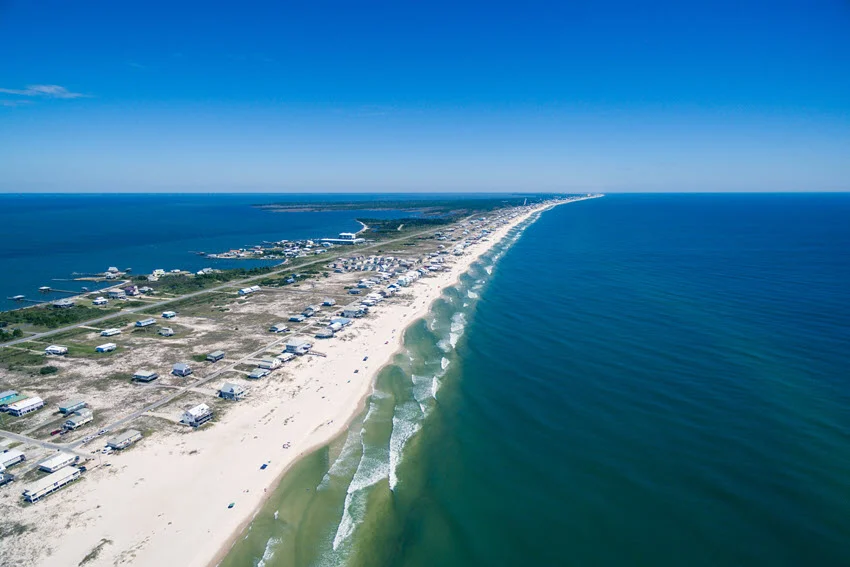
If you're a fan of such places and history in general, then you'll cast your line and fish in waters once patrolled by Civil War ships, and who knows, maybe besides fish, you'll land some more treasure! The slightly isolated atmosphere contributes to that special feeling, especially when encountering species such as Redfish, Snapper, and Marlin.
This guide will help you discover the strategies, techniques, tips, and spots that guarantee an unforgettable fishing experience. So, prepare your gear, plan your trip around these optimal times, and let the rhythm of the waves lead you to a catch you will never forget!
From fighting predators to delicious delicacies. Whether on shore, in the shallows, or exploring deeper water areas, Fort Morgan offers an incredible variety of fish species that will keep your rod in action.
The Fort Morgan water ecosystem creates a world rich in native species, making the heart of this water area generous. From vibrant Redfish to hidden Flounder, these fish bring a unique dynamism and color to this coastal area.

Legend has it that the famous black spot on the Redfish's red body confuses predators like dolphins, but what indeed confuses and enchants anglers is their strength and abundance! These fish love to wander through swamps, shallow bays, and the surf zone. They are characterized by an incredibly easy adaptation to different habitats and a muscular body that does not surrender so easily.
Redfish grow solid in size, often reaching 24 inches, with many surpassing 36 inches. They shine in the fall, when intense feeding sparks fierce action and thrilling battles. Hooking into one delivers a powerful, spirited fight that keeps anglers coming back. The excitement of landing a Redfish is a memory every angler should experience.

At first glance, the Flounder may seem harmless, but it is a true master of camouflage and one of the most intriguing catches in Fort Morgan. With a flat, diamond-shaped body and both eyes on one side, it blends seamlessly into sandy and muddy bottoms. This stealthy ability allows it to ambush prey and often surprises anglers, making Flounder fishing both challenging and rewarding.
Flounder rarely reach massive sizes, though individuals can grow up to 24 inches. What they lack in size, they make up for in flavor – their mild, delicate meat is prized by anglers and chefs alike. During fall, they move closer to shore, offering better chances for a catch. Patience and a precise presentation are key, as these fish are notorious for subtle bites.

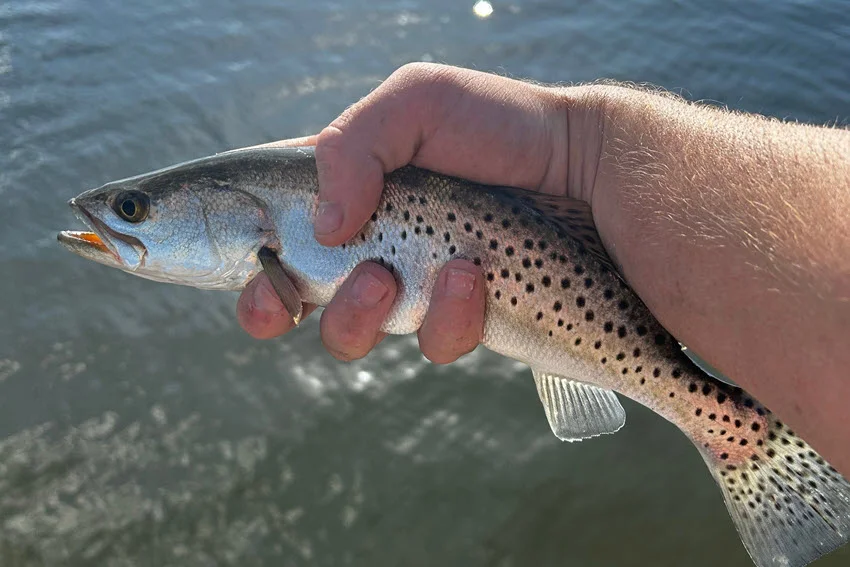
This fish is known in the Fort Morgan area as the "spotted ghost" because of its ability to sneak through shallow bays and marshes silently, quickly catch prey or steal lures, and disappear like a shadow. It has a beautiful body covered in silver and gold shades with scattered black dots, giving it an almost mystical look. However, elegance and grace do not mean that they give up easily!
It varies in size from 15 to 20 inches, while actual "tropical wolves" can be found up to 24 inches. Their peak activity comes when waters are mild and baitfish move closer to shore, driving Trout to patrol the coastline in numbers. Hooking one requires agility and sharp reflexes, as their strikes are quick and unforgiving, making each catch a rewarding test of skill.

Sheepshead is a robust and powerful fish that often surprises anglers with its unusual human-like teeth, which help it easily break open shellfish and crustaceans, its favorite prey. It likes to linger around rocks, piers, and bridges, where it calmly waits for an opportunity to grab its prey. Its striped body, reminiscent of prison uniforms, gives it an extra dose of vicious character that further provokes hunting aspiration.
Most Sheepshead measure 14 to 20 inches, though their shrewd feeding style often makes them harder to land than larger fish. In the cooler months, they school more tightly around structure, testing both patience and finesse. With their habit of delivering subtle bites, success depends on sharp awareness and steady hands; outsmarting a Sheepshead often feels like winning a battle of wits.

Spanish Mackerel is a fast and agile predator. Its elongated tail is covered with silvery scales and yellow dots, giving it an elegant but dangerous appearance. It likes to attack the bait vigorously and has a fighting spirit. You will find it swimming and hunting in open waters, although it also approaches coastal surf zones during the season.
Spanish Mackerel reach 15 to 20 inches, while larger specimens can exceed 24 inches. Their fast and aggressive way of hunting requires quick reflexes, and their season is during warmer months. Then, you can catch them using casting techniques or trolling. They are energetic and sometimes dangerous, which makes them an unforgettable opponent and a challenge worth every effort!
This part of the coast is a key stopping point for many migratory species, where they make detours when moving towards feeding and spawning grounds. With some luck, you will catch Mahi Mahi, Amberjack, and maybe Marlin here.

Groupers are robust fish with a large head and broad body, often found in rocks and coral reefs. Their mighty jaws seem to swallow everything in front of them. This true ruler of the sea depths is known for its imposing size, fighting character, and rich, juicy meat, a real delicacy for gourmets.
In the waters of Fort Morgan, you will find different types of Grouper, Gag, or Goliath in various sizes, from 20 to 30 inches, while some specimens can exceed 40 inches. They are most active from July to October. Fishing for Grouper always promises an exciting challenge and the possibility of landing one of Alabama's record catches.

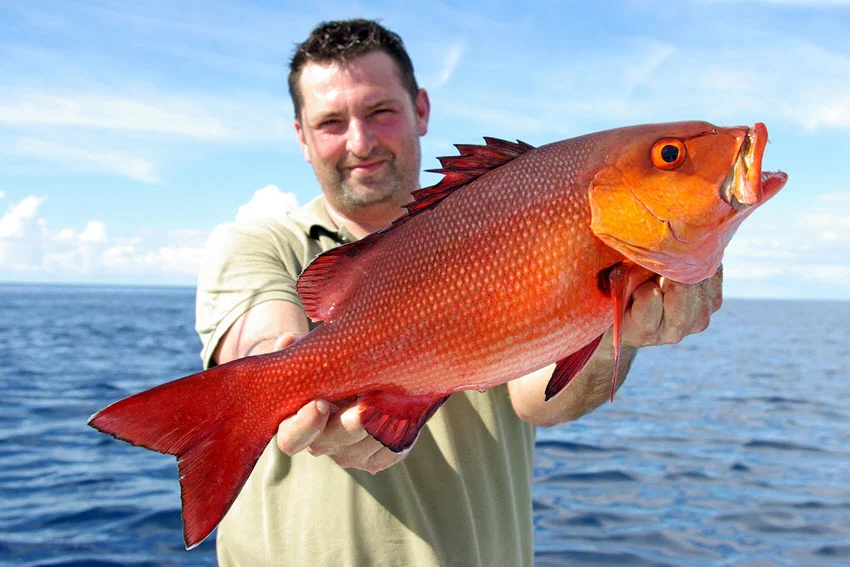
Red Snapper is one of the most valued fish because it can grow to a significant size. Its red color makes it an even more appealing species. This iconic fish is a true symbol of quality and strength. It has a long body and sharp teeth and is found in deep waters, where it hides among rocks and coral reefs.
It can reach an impressive size of 20 to 30 inches, while some specimens can exceed 40 inches. They are most active during warmer months when looking for food in deeper waters. Catching these fish requires robust gear and technique for trolling or bottom fishing, as they are often found in challenging environments that test skill and endurance.

It is an excellent fish with a harmonious golden-gray body and horizontal stripes that sparkle beautifully underwater. Its primary habitats are deeper waters and areas around coral reefs, where it uses its strength and speed to hunt prey faster.
Amberjack is a fish of solid size; they range from 30 to 50 inches, while trophy specimens go up to 60 inches. As they are both heavy and restless, you should rely on strong tackle and techniques to withstand their fierce fight, such as trolling or bottom fishing with potent baits, such as sardine or mackerel.

Mahi Mahi, also called "Dolphin Fish," is one of the most vibrant and exciting catches in Fort Morgan's waters. Its body glows with shades of yellow, green, and turquoise blue, making it as striking to see as it is thrilling to catch. Despite its unusual body shape, Mahi Mahi is fast and agile, delivering spectacular fights that leave anglers breathless.
In Fort Morgan, they move closer to shore from May through September, offering excellent chances to target them during the warmer months. Most measure 20 to 30 inches, though larger fish can exceed 40 inches and weigh over 40 pounds. Known for their explosive runs and unmatched beauty, Mahi Mahi test both angling skill and tackle. Beyond the fight, they're also prized as one of the finest fish to bring from sea to table.
Fort Morgan Beach is the primary destination for fishing enthusiasts who want the perfect combination of beautiful scenery and rich catches, but with mostly silence, except for the sound waves. This historic location provides quiet, remote fishing above sandy shores, overlooking the mighty waves of the Gulf of Mexico.

This is one of the most beautiful fishing villages in Fort Morgan, providing the perfect environment for relaxation and fishing. It is located on the western end of the Fort Morgan Peninsula and looks straight into the Gulf of Mexico waters. There is more than enough space to install and practice various fishing techniques.
You can fish from the shore with classic casting, fly fishing, or launch a boat or kayak. If you come in the prime season, you can catch Amberjack, Flounder, or other species available all year-round, like Redfish or Trout. It is an ideal place for combining fishing with different activities or for an endlessly long excursion and a day dedicated only to fishing.

Fort Morgan State Historic Park is located on the western end of the Fort Morgan Peninsula. It evokes the area's tumultuous history and exudes a tranquility that only such locations provide.
It stretches along the coast of the Gulf of Mexico, with access to various water areas. Thus, under the impressive walls of an old military fort, visitors have direct access to sandy beaches from where they can fish, an almost perfect technique for surf fishing, bait casting, and kayak fishing. You can find Redfish, Flounder, Speckled Trout, and many more here.
The atmosphere at Fort Morgan State Historic Park is perfect for nature and history lovers; with beautiful beaches and historic fortification walls, it has a unique appeal and even contributes to inspiration.

Navy Cove is a secluded fishing village near Fort Morgan. It is a small bay, surrounded by the coast and thus sheltered from winds and strong currents. With dense forests and wetlands, Navy Cove is for anglers looking for less traffic but more productive locations. The waters are generally shallow and ideal for casting baits, drifting, and light trolling.
Fishing is productive year-round, with Redfish, Flounder, and Speckled Trout commonly caught. Sheepshead and Black Drum are also frequent around underwater structures. Like much of Fort Morgan, Navy Cove has a calm atmosphere and consistently rewarding fishing, making it a must-visit for anyone exploring the area.

Dixey Bar is one of the most famous fishing spots near Fort Morgan because of its underwater reef and dynamic sea currents. It is located on the southeast side of the Fort Morgan Peninsula, near the Mobile Bay entrance. The terrain is characterized by shallows with a sandy bottom and parts with deeper waters, so the possibilities for fishing are endless.
Surf fishing, drift fishing, and trolling are just some of the techniques you can use to fish Spanish Mackerel and King Mackerel, and this area is trendy for catching large Redfish and even Sharks, especially in the summer months.
Dixey Bar brings a special kind of excitement with the waves and changing conditions. The setting is wild and natural, overlooking the Fort Morgan coastline and the breadth of Mobile Bay, creating an excellent setting for challenging fishing and enchanting scenery.
Tern Point is another fantastic fishing spot located on the northeast side of Fort Morgan, near the junction of Bon Secour Bay and Mobile Bay. You will find marshes and shallow waters, and techniques such as bait casting and drifting are the first choices here. Tern Point is a particularly popular fishing spot for Flounder, which often hides in the sandy bottom of this area.
The area is also known for the presence of Black Drum. With very dense and rich vegetation and wetlands, this part of the bay offers an authentic fishing experience in the Wilderness. The tranquillity and beauty of the surroundings and the opportunity for impressive catches make Tern Point one of the hidden pearls of fishing in Fort Morgan.
Fort Morgan is a natural haven for learning or perfecting fishing with any technique. From the shore or a boat in shallow and deeper waters, success sometimes does not depend on luck but also on choosing a method that adapts to the water conditions, targeting specific species, and weather conditions.

Surf fishing is an indispensable technique in Fort Morgan; it just fits perfectly with the overall vibe of the place, especially in locations like Fort Morgan Beach and Gulf Shores. Surf fishing involves casting bait from shore into shallows or deeper waters. You can fish classically by holding and casting the rod from your hands or setting up multiple rods in the sand simultaneously to cover different depths and attract different types of fish.
These are usually rods between 10 and 12 feet long, with heavier leads allowing the lure to reach farther and deeper zones. This is how you can catch Redfish, Trout, Spanish Mackerel, and even Kingfish in Fort Morgan. Careful monitoring of waves and currents is essential; moreover, these are key changes that significantly affect the position and behavior of fish.

Bottom fishing is a classic technique used in many fishing destinations, and Fort Morgan is no exception. It is particularly effective in Fort Morgan State Historic Park and Navy Cove, where anglers focus on catching Grouper, Red Snapper, and Sheepshead. These species often live near the bottom or on structures in deeper water, such as rocks or coral reefs.
It involves using heavier leads and hooks that keep the bait close to the bottom, where fish naturally look for food. It can be performed from the shore, a jetty, or a boat and often involves using natural bait such as pieces of fish, crabs, or shells. Note that you have a more sensitive rod with a more robust line to detect the subtle bites of bottom-feeding fish.

Drifting, or fishing in which the bait is allowed to float naturally following water currents, is particularly popular in places like Dixey Bar and Tern Point, where the various ocean currents meet, mix, and create ideal habitats for species such as King Mackerel and Spanish Mackerel. The advantage is that it enables a more neutral bait presentation and thus more easily attracts predatory fish patrolling the waters in search of food.
Usually, the boat is carried entirely by the current, although you can start with an oar or motor and improve the presentation by changing the rhythm. You must use the appropriate weights, depending on the depth where the fish you are targeting are located. This technique is relaxed at first glance, but requires careful monitoring of boat movements and fish signals on the sonar.

Casting is a classic and typical fishing technique that involves throwing the bait at specific points in the water, usually near the shore, structure, or in zones with shallow to moderate depth. Of course, you can always improvise and customize it further, and in Fort Morgan, it is extremely popular among those who like species like Speckled Trout, Redfish, and Flounder.
You can also use live artificial baits such as soft plastics, spoons, or topwater plugs. Depending on the conditions, proper positioning, knowledge of fish habitats, and bait selection are key to casting success. The advantage of casting is its dynamism; the angler constantly changes his position, enabling a quick reaction to the presence of active fish, especially during the most aggressive periods.

Trolling is a widespread technique in Fort Morgan, as it is the undisputed number one for deep-water and open-sea fishing. It involves dragging bait or lures behind the boat while constantly moving. You can catch almost all the prized and always sought-after pelagic species with this technique, and trolling is especially effective for catching species such as Spanish Mackerel, King Mackerel, and Mahi Mahi.
It is crucial to maintain the right speed – fast enough to attract prey fish but not so fast that the bait loses its natural movement. Anglers often use specialized trolling rods with multipliers that allow easier control of depths and distances. Trolling requires good route planning and knowledge of fish movements, but it also provides an opportunity to catch trophy specimens relatively quickly.

Understanding fishing regulations in an area is crucial for protecting fish populations and ecosystems and promoting responsible angling practices.
Anglers Booking Team
To fish in Fort Morgan, Alabama waters, you must become familiar with the laws and regulations regarding fishing practices and obtain all necessary licenses to ensure a smooth and responsible fishing experience. Alabama law requires that anyone 16 years or older must have a valid Alabama fishing license to fish in any of the state's waters, including those around Fort Morgan. You can apply for a permit through the official Alabama Department of Conservation and Natural Resources (ADCNR) website or by visiting a local licensed bait shop.
Prices and duration may vary depending on your fishing location or the species you target; additional permits may be required. This is especially true if you are fishing in certain protected areas, plan to use highly specialized techniques, or are looking for specific types of fish.
By complying with the law and obtaining all necessary permits, you will enjoy a more relaxed fishing experience while contributing to the preservation of Fort Morgan's rich marine environment.
Fishing can be whatever you want it to be: sports, hunting, recreation, and endless fun. You have solid opportunities to realize any of these options in Fort Morgan. Alone, with family and friends, nothing can stop you from landing that perfect catch here.
Remember, it all starts with preparation, from choosing the proper techniques to securing the necessary permits. Although Fort Morgan is not an ultra-adventurous fishing spot, thanks to the diverse aquatic environment, you can find quite a solid amount of adrenaline fishing!
While considering how fishing in Fort Morgan fits into your fishing plans and when is the best time to make an expedition here, remember to share your fishing stories, experiences, and tips with us in the comments! We sincerely hope your next trip to the water will be filled with excitement, calm, and, of course, a great catch!

The expert copywriters at Anglers Booking have meticulously crafted this article. Our dedicated team of writers provides valuable insights and information to enhance your angling experience.

January 27, 2025

December 14, 2024
Subscribe to our newsletter and receive a selection of cool articles every week.
Embark on unforgettable fishing adventures with us at Anglers Booking.
book your charter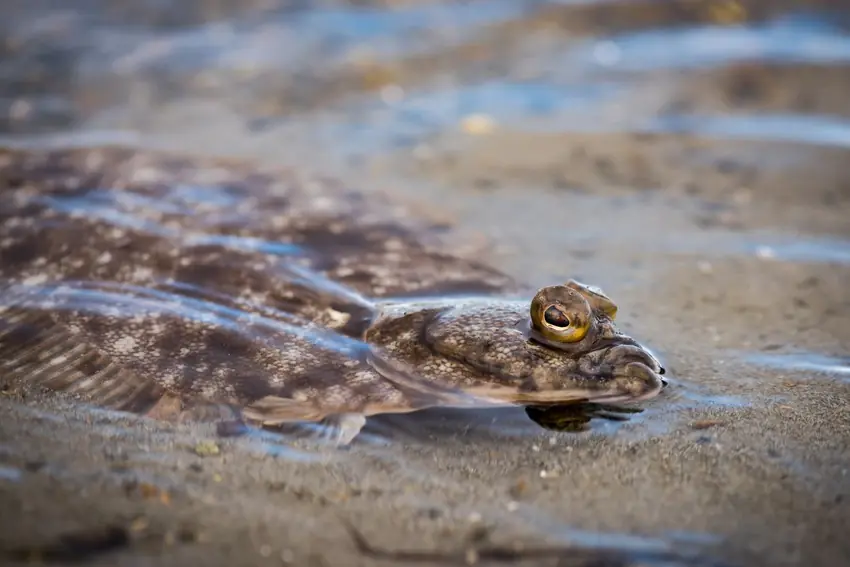
October 2, 2026
September 8, 2026
August 21, 2026
August 18, 2026
August 15, 2026
August 12, 2026
August 8, 2026
August 4, 2026

You're now part of our exclusive community. Get ready for premium content and updates straight to your inbox.
close
Subscribe to our newsletter and receive a selection of cool articles every week.
Please enter a valid email address.
Be the first to know when we're back in action.
Please enter a valid email address.
Leave a Comment
Your email address will not be published. Required fields are marked *
Thank you for your comment! It has been submitted for review and will appear on the site shortly.