


Anglers Booking Team
The expert copywriters at Anglers Booking have meticulously crafted this article. Our dedicated team of writers provides valuable insights and information to enhance your angling experience.
 12 minutes read
Galveston is one of those Texas coast areas where you can keep things simple and still find many different types of fish. Between Galveston Bay, the surrounding inshore water, current-driven structure, and surf that can turn on fast when bait slides tight to the beach, you can build a plan that works from shore or by boat.
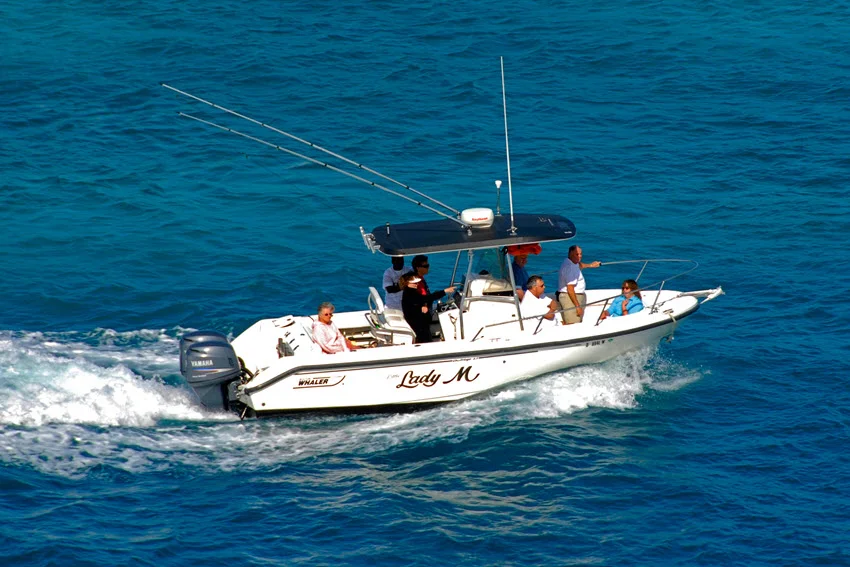
This article covers the fish you are most likely to catch around Galveston and how to target them across the main zones and the most productive environments. You will also find a regulations section at the end with official places to verify current limits and seasons, since rules can change.
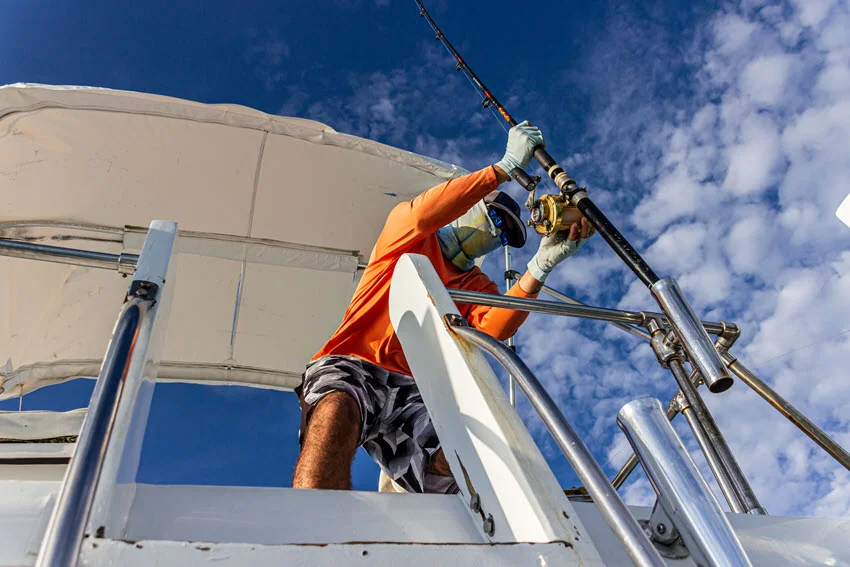
Galveston fishing is easiest to plan when you think in zones first, then pick the environments that match the conditions. Inshore and coastal water gives you the most day-to-day consistency, while nearshore trips can add speed and variety when the Gulf settles.
If you keep one zone as your base and let water movement decide the exact environment, you will catch more and learn faster. Start with two target species you can realistically fish for that day, then add a third only if the conditions clearly point that way.
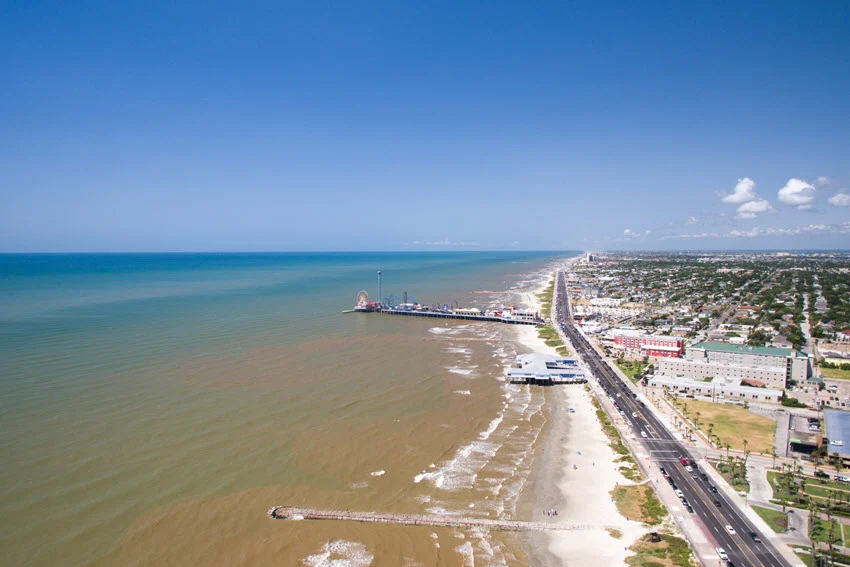
Galveston offers a mix of environments that each hold fish in slightly different ways, and understanding how these zones work is one of the fastest ways to improve your results. From calm inshore water and structured jetties to open surf and nearshore reefs, each area responds differently to tides, bait movement, and weather.
In Galveston Bay, inshore fishing is about finding water that pushes bait into predictable edges. Focus on bays and estuaries with drains, small cuts, channel edges, and shorelines that experience steady movement rather than stagnant water. If you are wading flats, pay attention to small bottom changes like harder sand, scattered shells, or a slight drop that funnels bait.
This is the core setup for Spotted Seatrout, Red Drum, Black Drum, and Southern Flounder, with Sheepshead showing up anywhere you have pilings or rough structure. When the bite feels slow, it often helps more to adjust how you present the bait than to run to a totally new area.
Jetty and bridge fishing around Galveston is all about current lines and safe positioning. When water is moving, fish stack where they can sit out of the flow and pick off bait, especially along edges where current meets slack water. Bottom transitions matter here, too, because fish often hold where sand meets rock or where depth changes quickly.
This environment can produce the most variety on a single outing, including Drum, Sheepshead, Flounder, and surprise hookups like Jack Crevalle or Spanish Mackerel when bait is thick. Treat footing as part of the plan on wet rocks and near heavy tidal movement, and slow down until you dial in what the fish want.
Surf fishing on Galveston gets easier once you stop thinking of the beach as flat water. Most bites happen in the trough close to shore, along the edge of a sandbar, or at a cut where water funnels in and out. If you see nervous bait, birds working, or clean green water pushing in, your odds jump fast.
Here, Pompano and Southern Kingfish (Whiting) shine, and you can also run into aggressive fish like Jack Crevalle. Plan for bycatch, handle fish carefully, and stay organized so you can reset quickly when the bite turns on.
Nearshore trips are not an everyday move, but when the Gulf settles, they open up a different class of fish. Over reef and wreck structure, you can run into Spanish Mackerel and King Mackerel, and you may also have a shot at Red Snapper, depending on conditions and current rules.
Because regulations can shift based on whether you are fishing state waters or federal waters, the regulations section at the end will keep that difference clear and point you to official sources to verify what is open and legal right now.
Now, let's break down the common types of fish you are likely to find around Galveston and Galveston Bay, along with the simple ways to target them effectively. Focus on zones, water movement, and bait presence to narrow down your best spots. Starting with two realistic target species will usually give you a better chance of success than trying to chase everything at once.
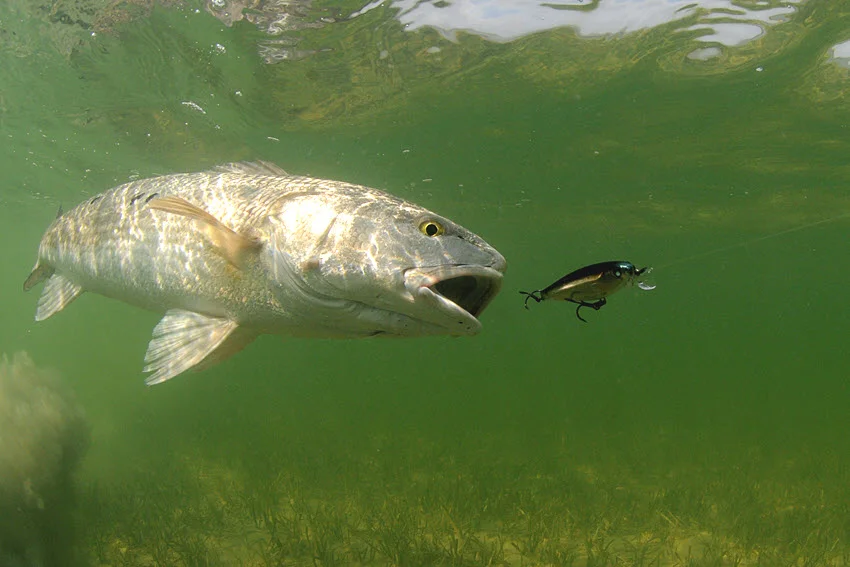
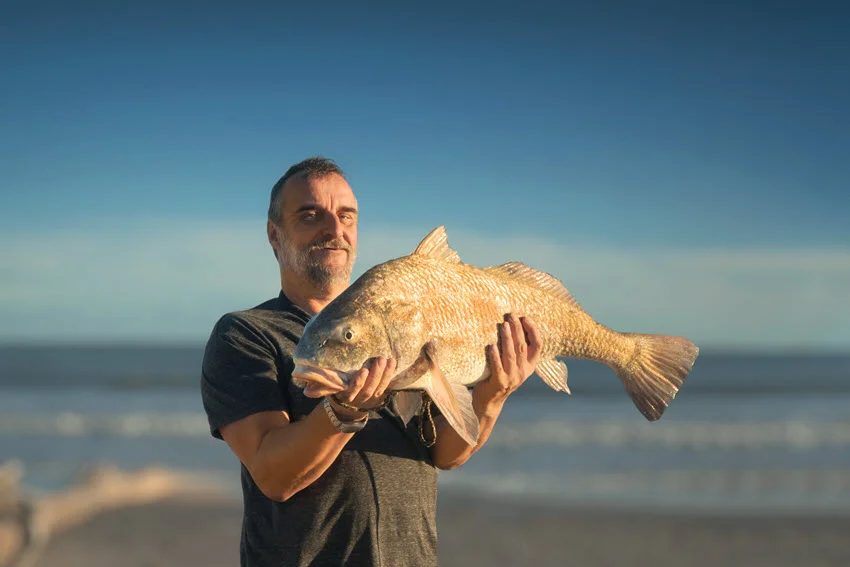
Red Drum fishing in Galveston stays strong because they show up across multiple environments, especially throughout Galveston Bay, and remain catchable in many conditions. They like to hunt along edges where bait is pushed into lanes, pockets, or hard bottom transitions. When they are active, the bite often feels decisive, especially around moving water.
A simple way to get on Reds is to fish the cleanest edge you can find, where water is moving, and bait is present. Work from tight to structure, out to the nearest deeper lane, and stay alert for subtle sign changes, like bait flicks or nervous water.
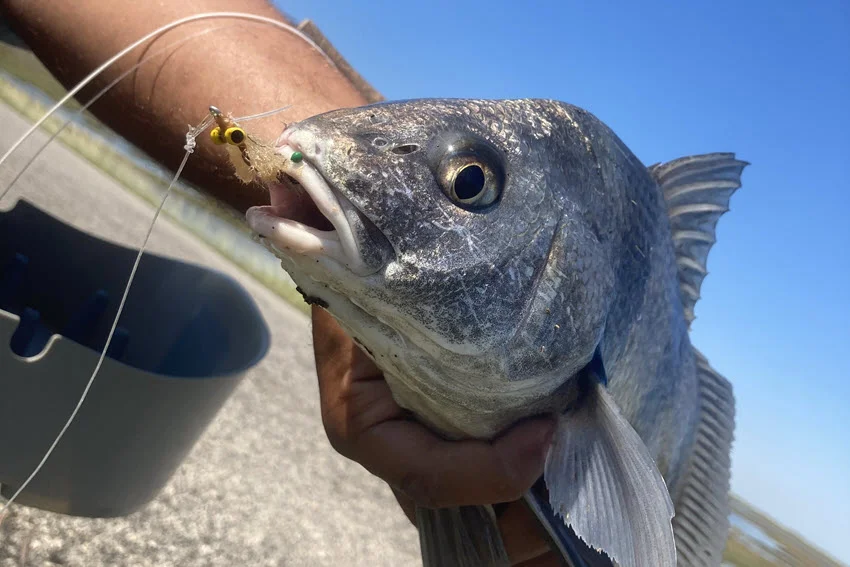
Black Drum are a dependable Galveston option because they stay close to structure and feed in a way that is easy to target from both shore and boat. They are also a great "plan B" fish when faster species are not cooperating, since you can slow down and fish methodically without needing perfect conditions. Expect more steady, weighty bites than fast strikes.
If you are getting pecks without committed bites, switch to a smaller bait piece and give it an extra second before setting the hook. Around rocks or pilings, keep steady pressure and avoid rushing the fight, because Black Drum will use structure to wear through leaders.
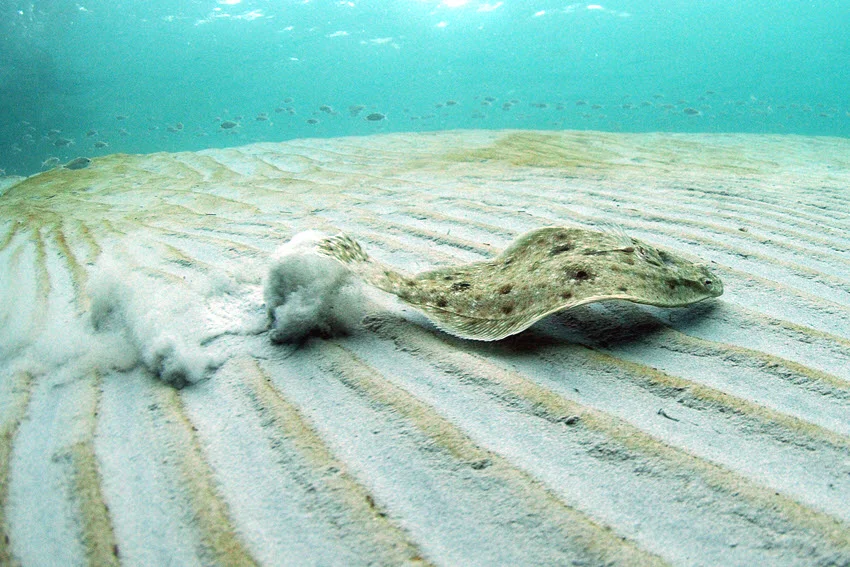
Southern Flounder show up in Galveston anywhere bait moves along the bottom and funnels through pinch points. They are built for ambush, so your best odds come from working edges where fish can lie still and let food come to them. A lot of successful Flounder days come down to slowing everything down and keeping your presentation in the strike zone.
When Flounder bite, they often grab and hold rather than run immediately. Give it a brief moment before you drive the hook, especially with live bait. If you are drifting, shorten your drift path and rework the same edge, because Flounder often stacks in small areas.
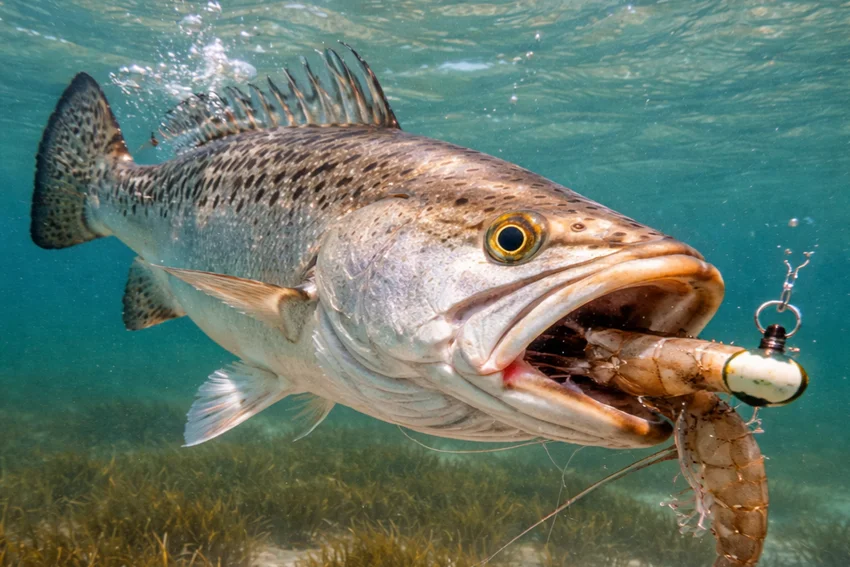
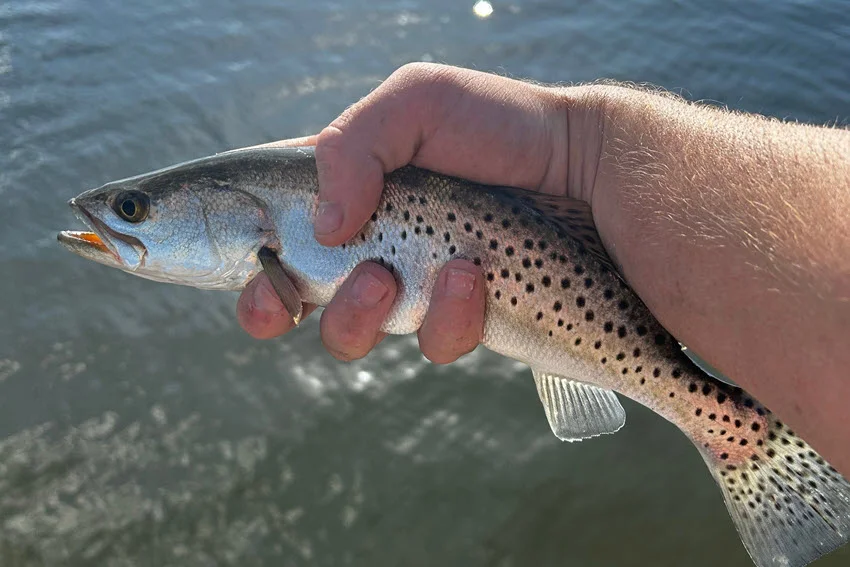
Spotted Seatrout stay common around Galveston because they can feed efficiently when bait gets funneled by current and small depth changes, particularly across Galveston Bay systems. They often sit just off the main push of water and slide in to strike, which is why your best casts are usually the ones that stay in the seam the longest. Expect many bites to feel light until you match the water's pace.
If you get bumps but do not connect, change one variable at a time. Start by slowing the retrieve or adding a brief pause, then adjust your casting angle so the presentation travels farther along the seam. Those two tweaks fix more Galveston Trout days than swapping spots every ten minutes.
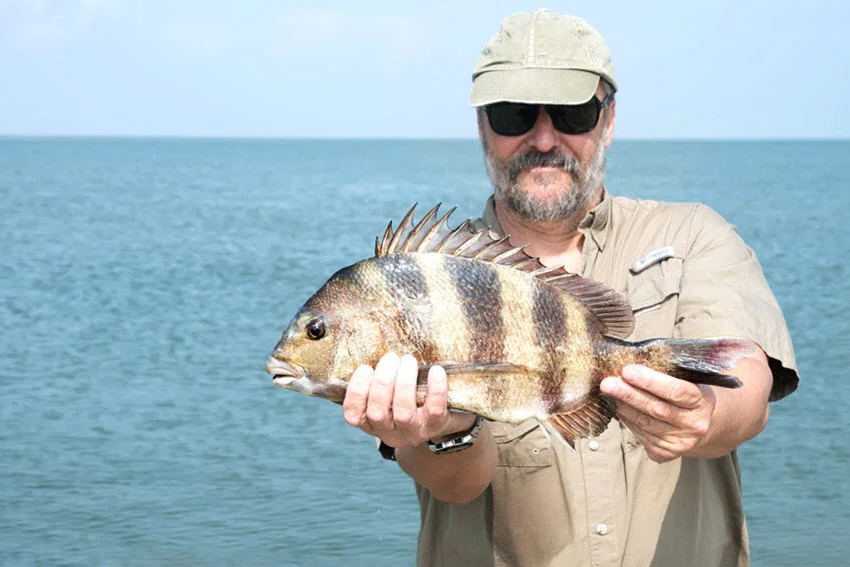
Sheepshead are a go-to target around Galveston when you want a reliable structure fish that rewards patience. They feed tight to pilings and rocks and have a sneaky bite, so success often comes from staying calm and fishing slowly instead of forcing bites. When you dial it in, Sheepshead can turn a slow day into a steady bite.
If bites feel like tiny taps, do not swing hard. Tighten up gradually, keep the rod low, and let the hook find the corner of the mouth. A smaller hook and a little less bait often outperforms big chunks because Sheepshead are built to pick bait clean.
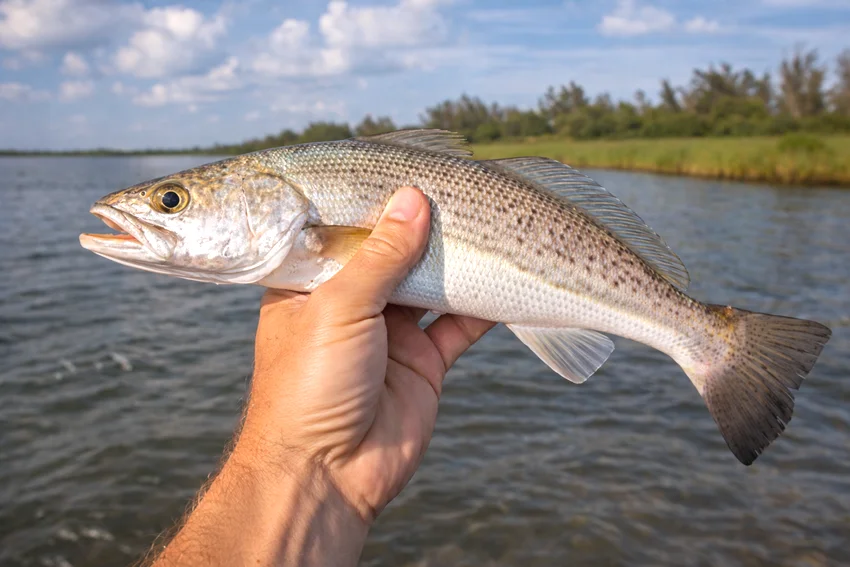
Sand Seatrout are a common catch around Galveston and can save a trip when other inshore fish are picky. They tend to show up around deeper edges and moving water where bait collects, and they will often bite more freely than Spotted Seatrout. Think of Sand Seatrout as a consistent option that helps you stay on fish while you work toward bigger targets.
If you are catching Sand Seatrout but want to upgrade, slow your presentation and focus on cleaner edges instead of the middle of the flow. If you just want steady action, stay on the same drift line and keep your bait moving naturally with the current.
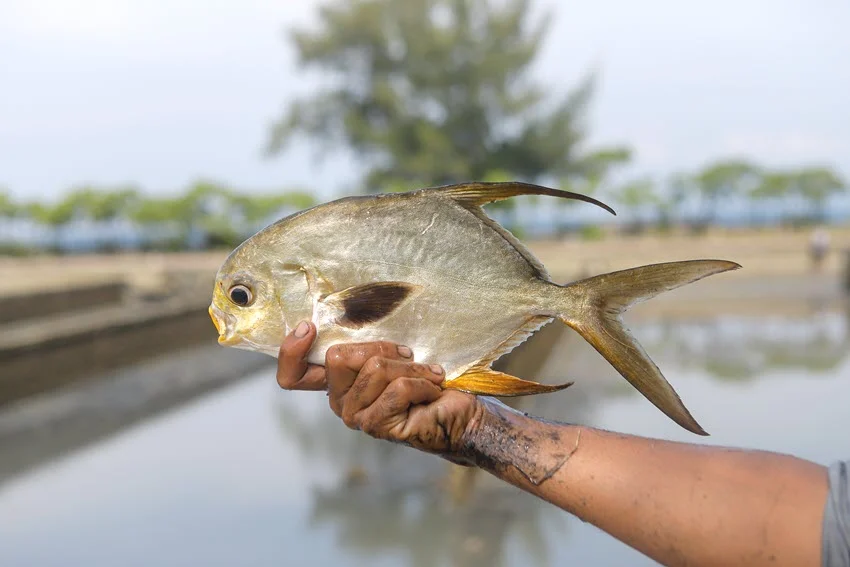
Pompano are a surf favorite because they are realistic targets from the beach and feed in predictable lanes when conditions line up. They are built to cruise and pick food off the bottom, which is why the best Pompano bites often feel like a quick tap, then steady pressure. When the surf is right, they can show up in numbers and make the day.
If you are not getting bites in the surf, move before you change everything else. Walk until you find a trough, a cut, or cleaner water, then set up there and fish patiently. Pompano are often present or absent in a very specific stretch of beach.
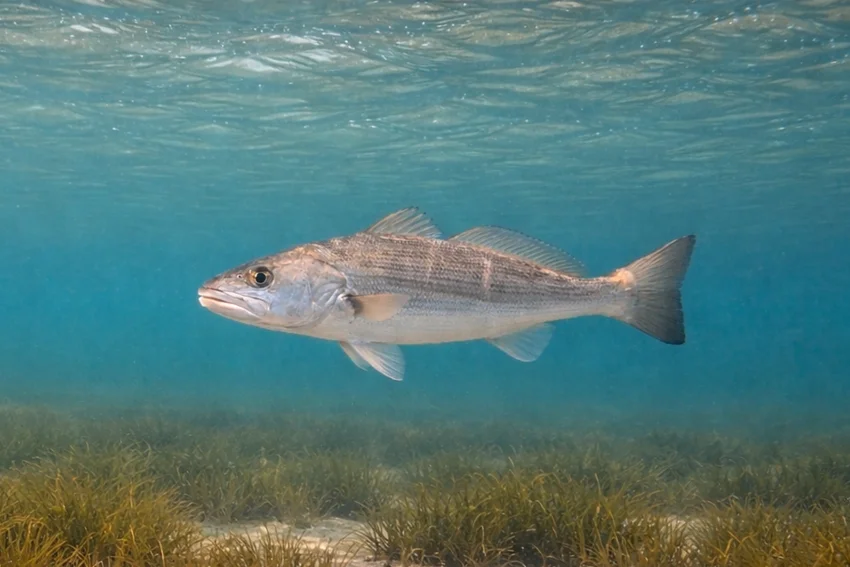
Southern Kingfish, also known as "Whiting," are one of the most consistent Galveston surf fish, and they are perfect when you want steady bites without a complicated strategy. They feed along the bottom and often show up in the same nearshore lanes where you find other beach species. If you are introducing someone to surf fishing, Whiting are one of the best confidence builders.
If the surf bite feels dead, shorten your cast first. Many Whiting are right in the first trough, and long casts can put you past the best zone. Keep your rig simple, keep bait fresh, and focus on clean bottom lanes.
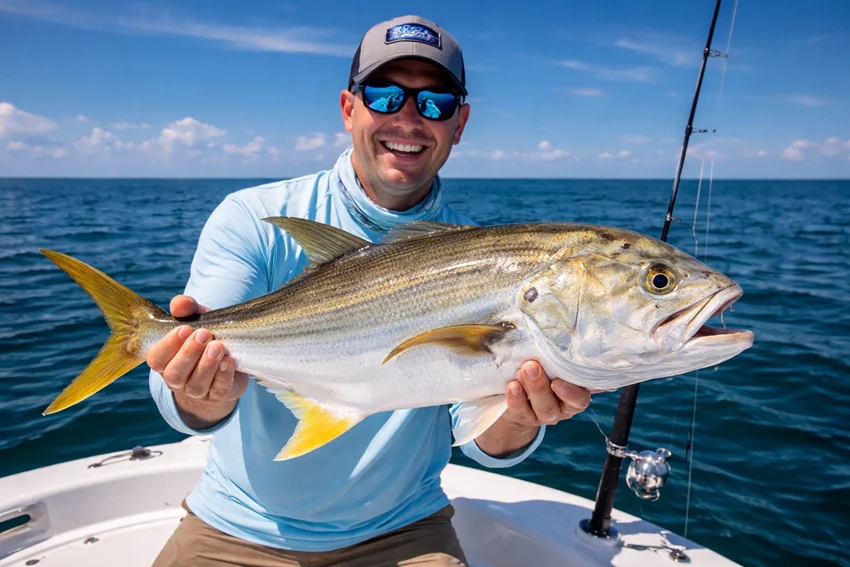
Jack Crevalle are among the most exciting fish in Galveston because when they show up, you know it fast. They are aggressive, they hit hard, and they will run, which makes them a great target when you want action over finesse. You will often find Jacks where bait is getting pushed or pinned, and the window can be short but intense.
If Jacks are blowing up and you keep missing strikes, speed up the retrieve instead of slowing down. Also, switch to a slightly larger profile so the fish commits to it. When the school moves, follow the bait line and stay ready for the next push.
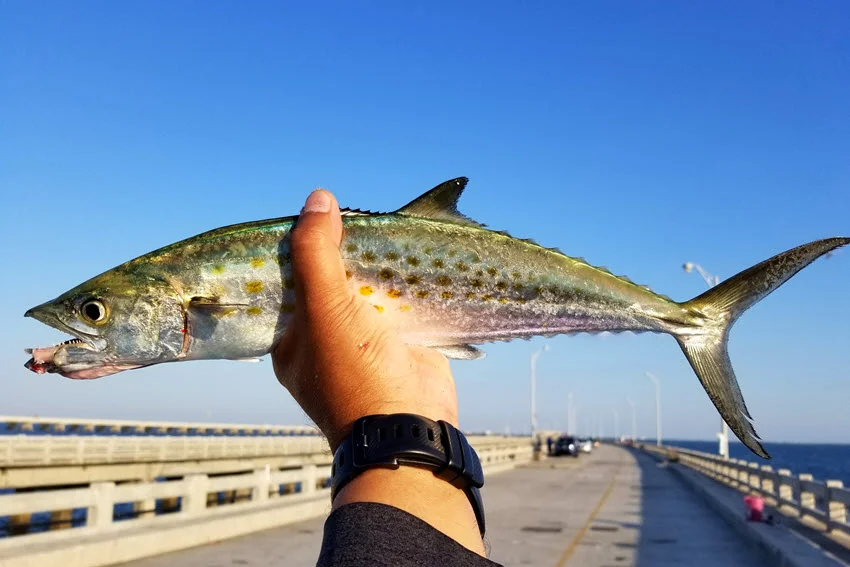
Spanish Mackerel are a classic nearshore and pass species because they feed high in the water column and love chasing small bait. When they are around, you can often spot the action before you ever hook up, and the bite can be fast and repetitive. They are also a great species for simple decisions: find bait and fish the edges of it.
If you keep getting cut-offs, add a short leader that can handle teeth and keep your lure moving. Spanish Mackerel often respond better to speed than to pauses, so keep the retrieve steady and quick. When the bite slows, it is usually a bait location issue, not a lure issue.
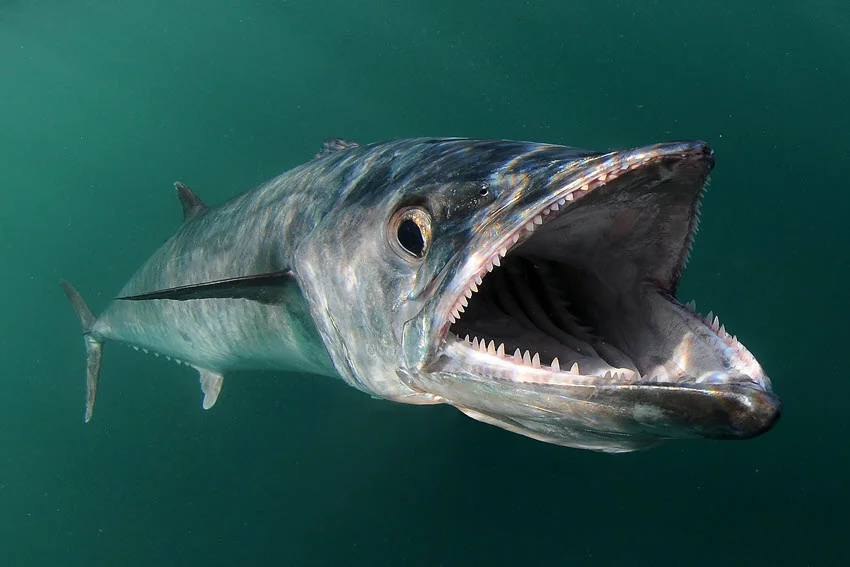
King Mackerel are a step up in size and unpredictability, which is why they are a popular target when you want a true run and scream bite. They tend to show up when bait is present, and conditions are stable enough to fish nearshore structure efficiently. Even when they are around, they can be selective, so small adjustments matter.
If you are marking bait but not getting bites, change your speed and your presentation height before you leave the area. When fishing for King Mackerel, be aware that they often react to a clean, natural-looking bait.
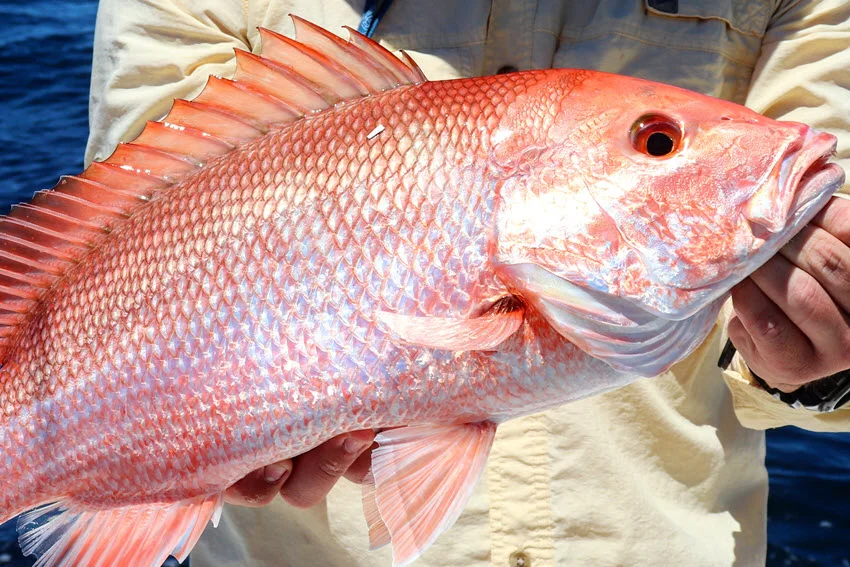
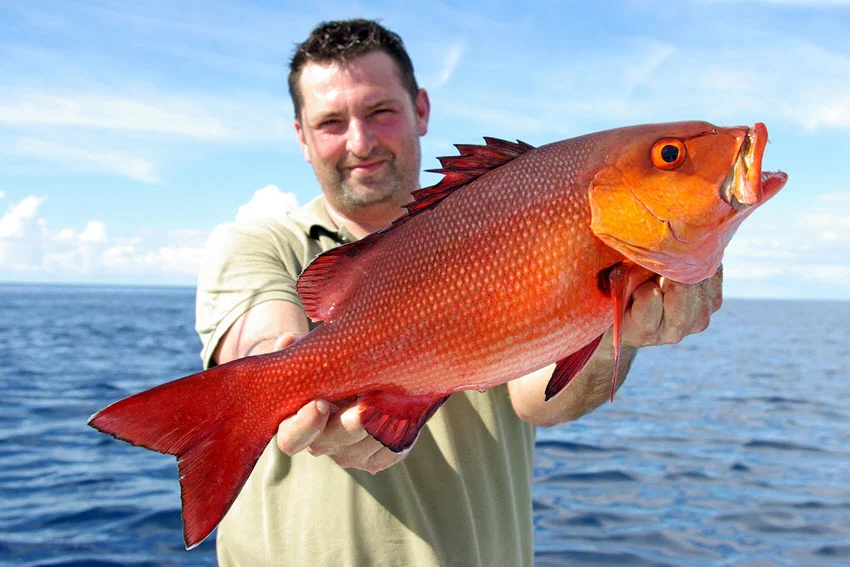
Red Snapper are a major reason anglers run nearshore and offshore, and they are among the most sought-after fish in the Gulf. The key with Red Snapper is not a secret technique; it is understanding that rules and seasons can change based on where you are fishing and what is open at the time. That is why the regulations section at the end matters more for this species than for any other.
If bites are quick but hookups are not happening, slow down and keep the bait in the strike zone longer. Red Snapper often hit hard and immediately try to pull back into structure, so the first few seconds matter most. Always confirm the current regulations before planning to keep any fish.
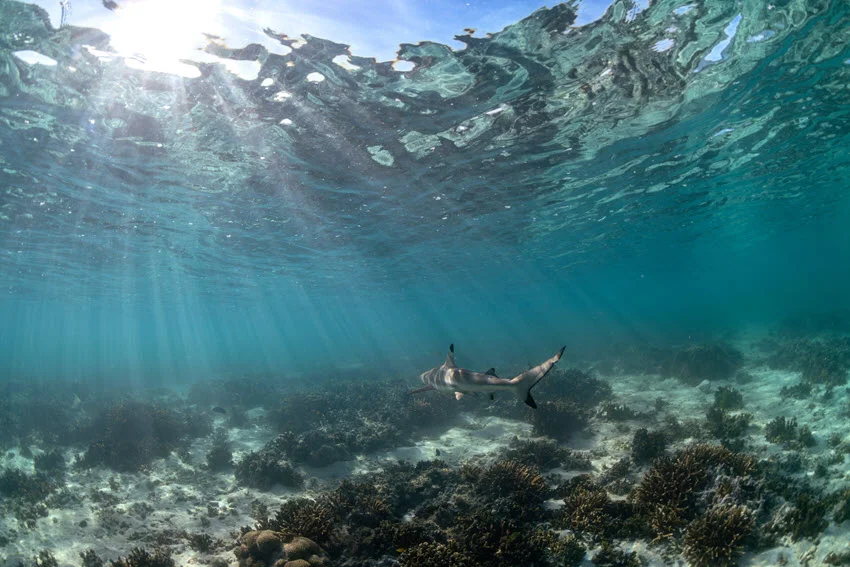
These species show up often enough to be worth recognizing, especially if you fish around moving water and bait. They are not always the main plan, but they can turn into the best bite of the day depending on conditions.
If you are catching a lot of fish but not the ones you were hoping for, that's fine! Stick with what's working and keep it easy. Learning how to fish in a certain spot often means making the most of what you're already catching.
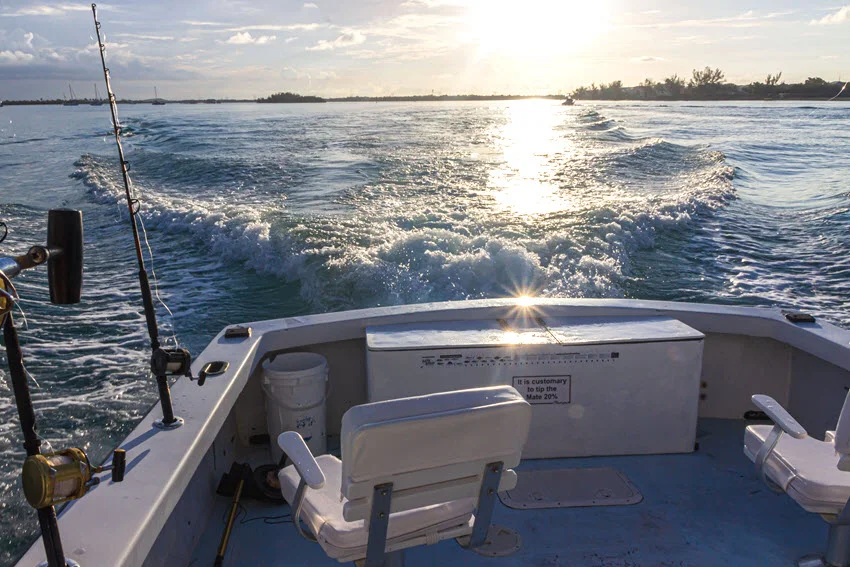
If you are new to Galveston, keep the plan simple and let conditions pick the exact spot. Start with one environment for the day instead of bouncing between bays, jetties, and the surf. You will learn faster, and your odds improve when you commit to the pattern that matches the day.
If the day feels confusing, simplify it further: fish one environment for at least an hour and judge it by bait presence and water movement.
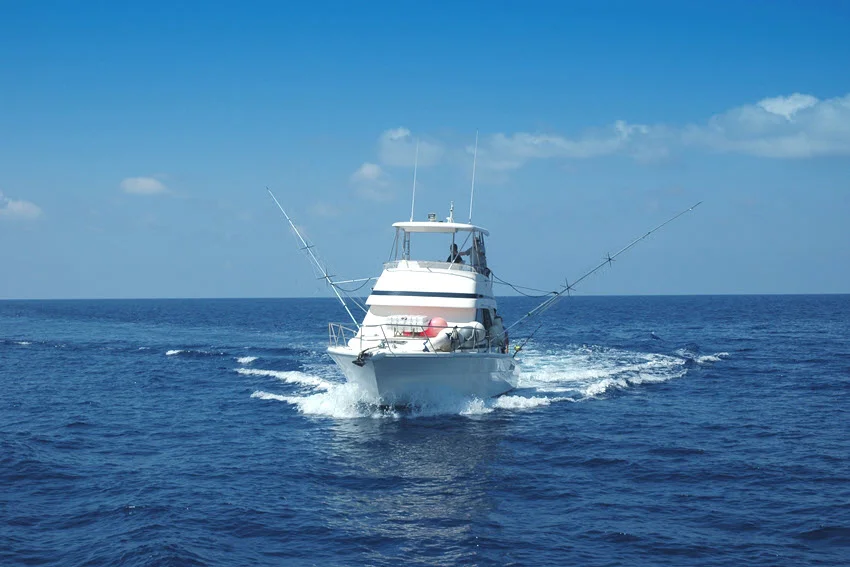
Galveston can fish well year-round, but the mix changes with water temperature, bait movement, and weather windows. Instead of memorizing exact dates, focus on which environments become more reliable as seasons shift.
Seasons do not flip on the first day of a month. Water clarity, bait activity, and consistent movement are the best real-world signals.
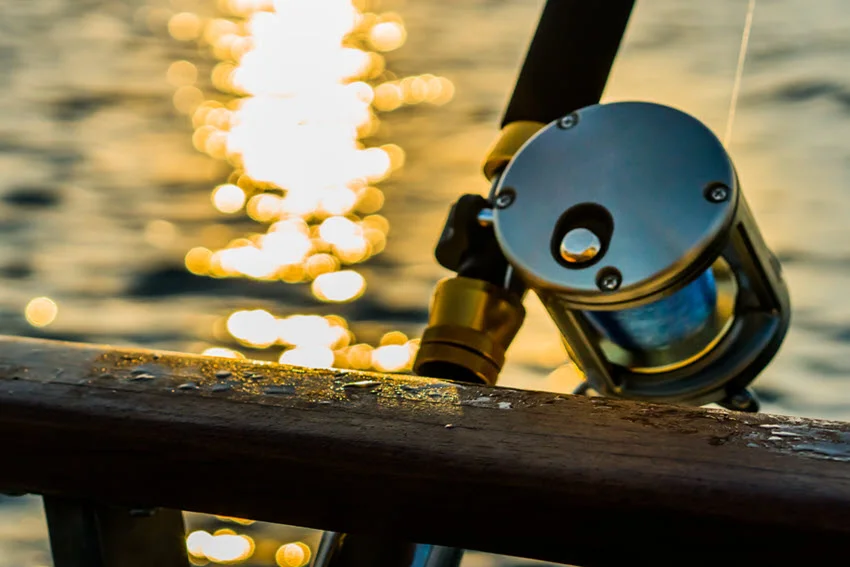
You do not need specialized gear to start catching fish in Galveston, but you do want balanced setups. Too heavy and you lose bites, too light and you lose fish around structure. A simple, versatile setup covers most situations from bays to the surf.
If you are unsure what to bring, choose one setup you can cast for hours without discomfort. Comfort and repetition beat perfect gear when you are learning. It's always a good idea to find verified local guides to help with setup and choose the best spots during your time on the water.
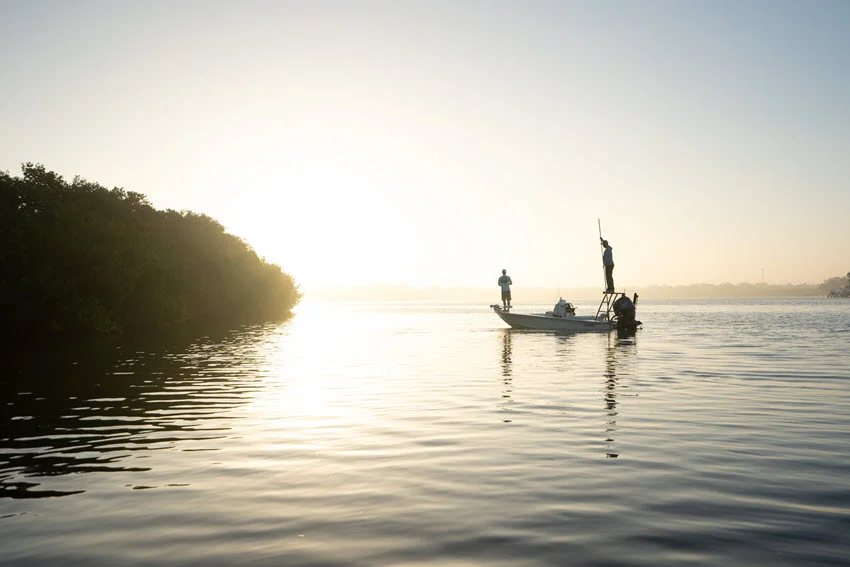
Most slow days in Galveston come down to a few repeatable mistakes that are easy to fix once you notice them. Clean water and fish are often closer than they seem, but small decisions like fishing stagnant water, moving too fast, or using oversized bait can shut the bite down.
Most fixes are small, not dramatic. When the bite slows, slow down your decisions too, and change one variable at a time so you can learn what actually improves results.

Understanding fishing regulations in an area is crucial for protecting fish populations and ecosystems and promoting responsible angling practices.
Anglers Booking Team
Regulations can change, and rules can differ depending on where you fish and what you target. This matters most for species with seasonal openings and for trips that may cross between state waters and federal waters.
If you are planning a trip to keep fish, check the regulations before you go, not after you catch one. It avoids confusion and keeps the day focused on fishing.
Galveston is a great place to build confidence because you can fish from shore or by boat and still have a real shot at multiple target species. Pick one environment, look for bait and clean water, and keep your plan simple until the pattern reveals itself. When you stay consistent, Galveston usually rewards you with steady action.
If you fish Galveston often, leave a comment with your go-to month and your most reliable target fish so other anglers can learn faster.

The expert copywriters at Anglers Booking have meticulously crafted this article. Our dedicated team of writers provides valuable insights and information to enhance your angling experience.
Your email address will not be published. Required fields are marked *
Thank you for your comment! It has been submitted for review and will appear on the site shortly.

October 22, 2024

November 12, 2024
Subscribe to our newsletter and receive a selection of cool articles every week.
Embark on unforgettable fishing adventures with us at Anglers Booking.
book your charter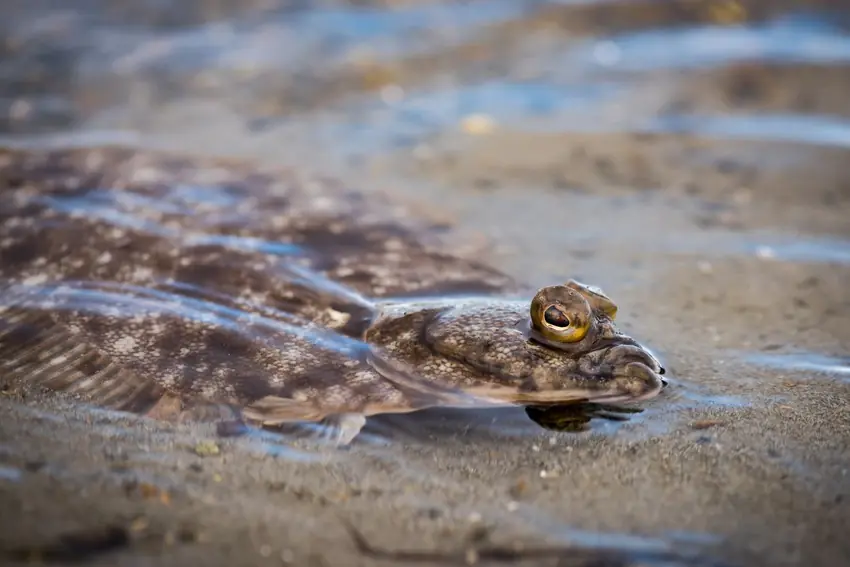
October 2, 2026
September 8, 2026
August 21, 2026
August 18, 2026
August 15, 2026
August 12, 2026
August 8, 2026
August 4, 2026

You're now part of our exclusive community. Get ready for premium content and updates straight to your inbox.
close
Subscribe to our newsletter and receive a selection of cool articles every week.
Please enter a valid email address.
Be the first to know when we're back in action.
Please enter a valid email address.
You did a great job covering the Galveston area and local fish species. When do you plan to launch fishing trip bookings? I noticed the site is still in maintenance mode, and I would be interested in listing my charter in Galveston, mainly for nearshore and offshore trips.
Hi Mike, thank you for your kind feedback. We are glad to hear that you are interested in joining our platform. Our operations team will reach out to you shortly with more information.