


Anglers Booking Team
The expert copywriters at Anglers Booking have meticulously crafted this article. Our dedicated team of writers provides valuable insights and information to enhance your angling experience.
 8 minutes read
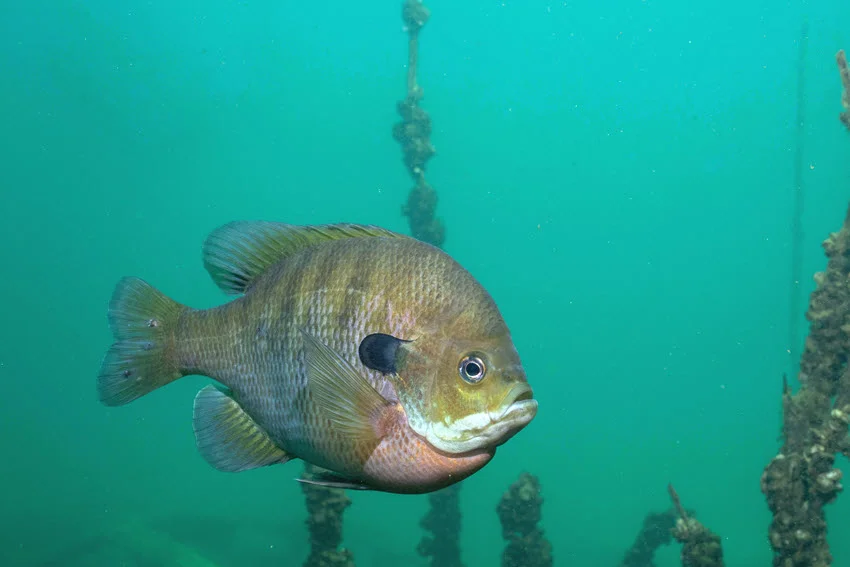
Bluegill are one of Florida's most popular freshwater panfish, known for their aggressive strikes, ease of catching, and accessibility for anglers of all skill levels. They inhabit a wide range of lakes, ponds, rivers, and canals, and are accessible to nearly anyone with a rod and tackle.
Understanding fishing rules, seasonal behavior, and proper techniques will further enhance success and help maintain healthy populations of this species. Bluegill rules are usually statewide, but some waters have special rules.
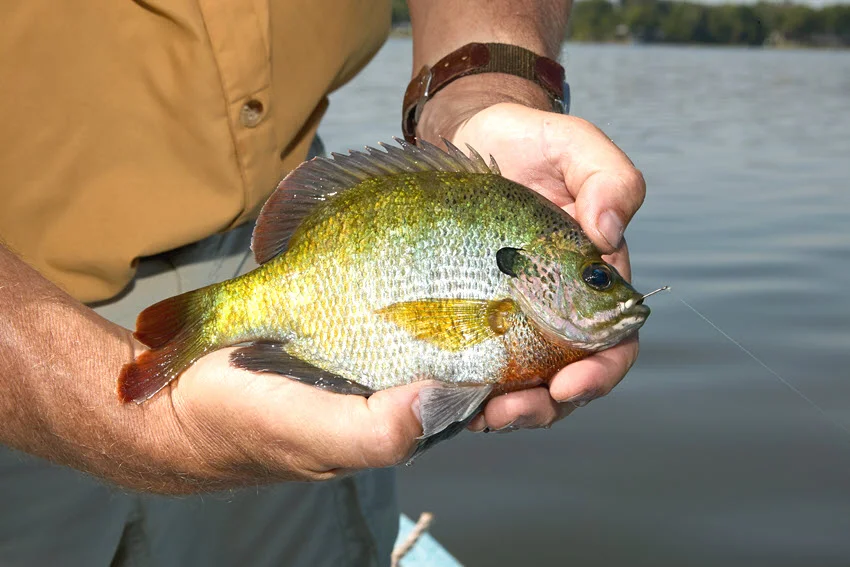
The Florida Fish and Wildlife Conservation Commission (FWC) actively monitors panfish populations statewide. Bluegill generally follow Florida's statewide panfish rules, but some Fish Management Areas and specific waterbodies have local exceptions.
Anglers must check the FWC website before fishing any new waterbody to confirm the latest rules. Knowing the season, limits, and preferred habitats can help anglers plan productive trips, follow current rules, and support long-term conservation.
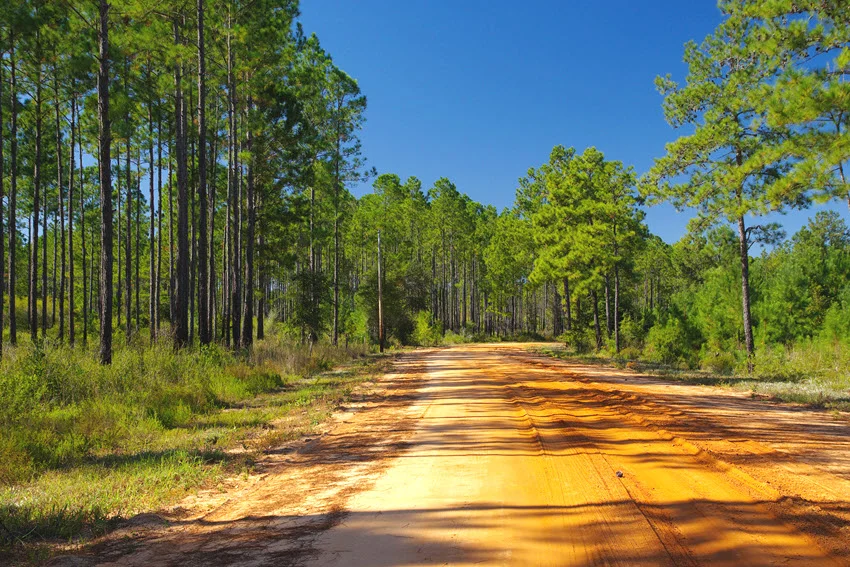
Florida's statewide regulations allow a daily bag limit of 50 panfish, including Bluegill and several other listed Sunfish species. There is no minimum size limit, meaning anglers can keep fish of any size unless a specific water body lists otherwise. These rules apply to most public lakes and rivers to maintain healthy Bluegill numbers and ensure year-round fishing opportunities.
While Florida's panfish rules are set statewide, some waters have special rules. For example, several South Florida FMA lakes require the release of Bluegill and Redear Sunfish under 8 inches, while some other managed waters use 20-fish panfish limits.
Local regulations are typically posted at public access points such as boat ramps and fishing piers, and may also be listed on official management pages. Since these rules can differ from statewide limits, anglers should check signage and local regulations before fishing unfamiliar waters.
Bluegills are present throughout Florida's lakes, ponds, rivers, and canals. They are considered among the most accessible freshwater species within the state. Bluegills usually hold around shallow cover, such as weeds, docks, downed trees, and other structures.
Time to catch Bluegill is usually from late winter through early summer, when warming water triggers spawning and moves fish into shallow cover.
Mornings and evenings are the best times of the day, while night fishing can also work during the warm weather seasons. During cold weather, Bluegills move from shallow into deeper waters.
Minimum-size restrictions are used in some waters to protect juvenile fish until they reach maturity. Overharvesting small fish can create population imbalances, fewer trophy-sized fish, and lower overall catch rates.
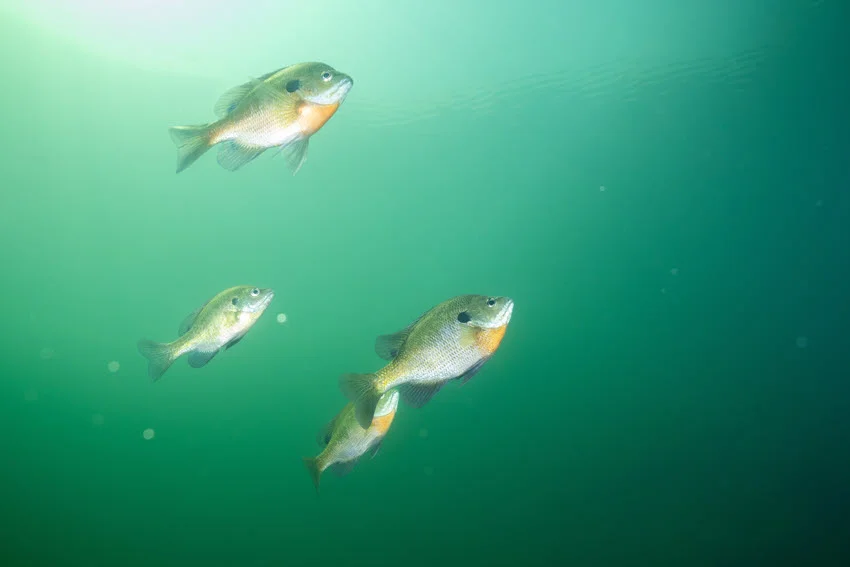
Bluegill are social Sunfish that congregate in large schools, gathering around shallow, vegetated areas that provide them with protection and an ample supply of food. They do well in areas such as lily pads, hydrilla beds, cattail edges, and submerged timber, which provide ideal habitat.
Their diet includes insects, larvae, crustaceans, zooplankton, and the occasional small minnow. Such varied feeding habits make them sensitive to both artificial and natural baits. Bluegills strike aggressively when schooling and competing for food.
While there is some variability in environmental tolerance, Bluegill are most active in warm water and feed and spawn aggressively as spring temperatures rise. Their peak activity occurs when the temperature stabilizes between 70°F and 80°F.
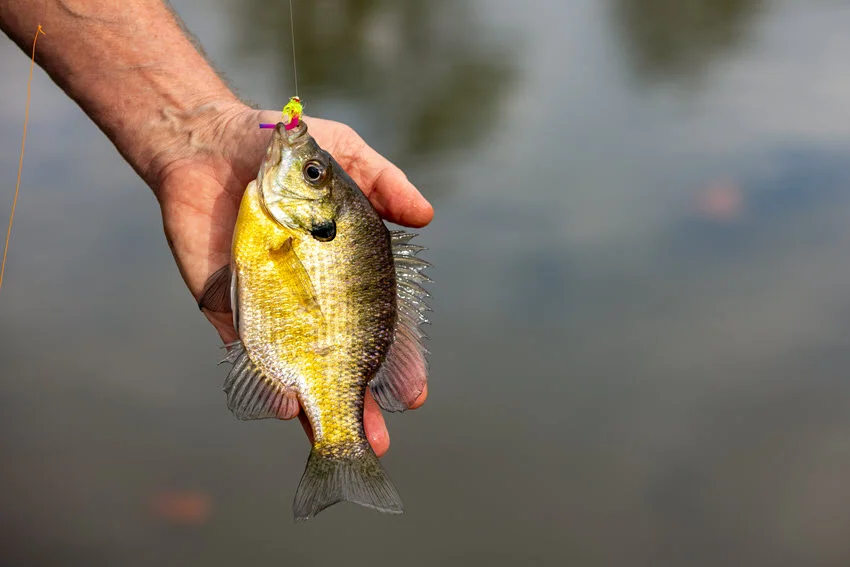
Bluegills are reliable year-round freshwater targets in Florida, but timing is key for productive fishing. Late winter to early summer is usually the most productive, as warming water temperatures drive them to shallow spawning flats near vegetation.
Bluegill fishing in Florida is most effective when warm conditions, stable weather, and moderate water currents are present simultaneously. Among the more reliable methods of synchronizing active fish are the best light periods, tidal currents in coastal freshwater bodies, and reactions to weather changes.
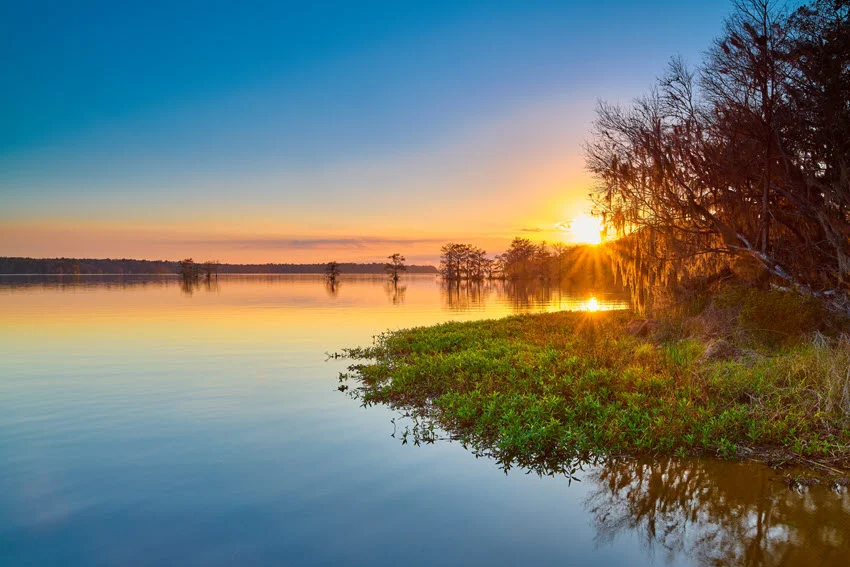
Some of the most productive Bluegill fisheries in the southeastern United States are found within Florida's freshwater systems. Here are some of the most consistent Bluegill destinations in Florida.
Taken together, this diverse freshwater environment means that Bluegill fishing opportunities are abundant for anglers of all skill levels throughout the year. Each region has its own characteristics and fishing conditions.
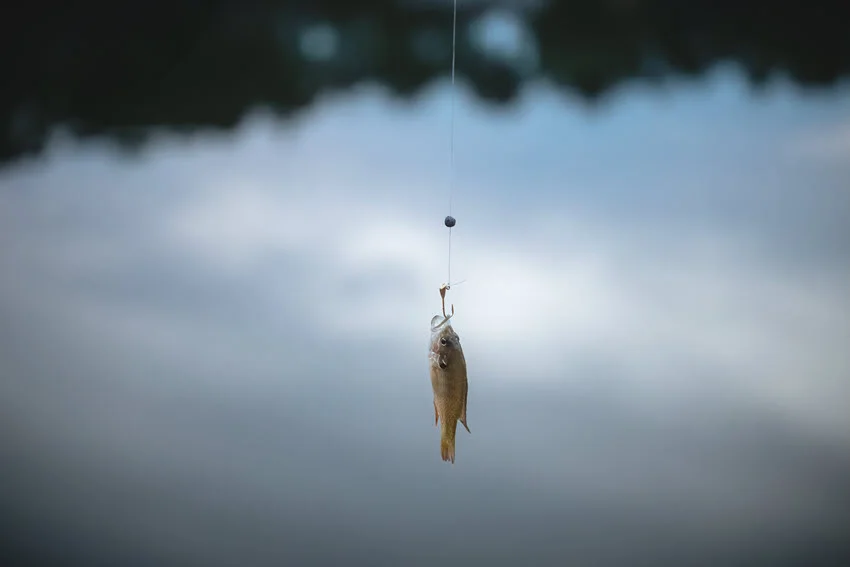
Consistent Bluegill fishing depends on the right gear, especially in shallow, heavily vegetated areas. Because Bluegill are both aggressive and finicky, a properly matched combination of gear allows you to sense light bites, present small offerings naturally, and work through thick cover without losing fish.
Choosing the right gear will improve your hookup ratio and help you spend more time fishing comfortably.
Understanding fishing regulations and preserving specific fish species contributes to protecting fish populations and ecosystems and promoting responsible angling practices.
Anglers Booking Team
Most anglers need a Florida freshwater fishing license unless they qualify for an exemption. License requirements can vary by age, residency status, and fishing location, so it is important to confirm the latest rules before your trip. Be sure to always check the official FWC website for current license requirements, freshwater exemptions, and any local rules that apply to the water you plan to fish in.
Although Bluegills are fairly hardy, proper handling reduces stress and the risk of physical injury. When harvesting fish, net them or wet your hands; release fish you do not plan to keep, and check local waterbody rules because some managed lakes do have size-based exceptions.
Catch-and-release angling of larger fish, especially during breeding seasons, is important to ensure a good population. This will also allow future generations of anglers to enjoy the Bluegill, one of the most easily available panfish in Florida.
Bluegill fishing in Florida is accessible, productive, and a good fit for anglers of all skill levels. With the right timing, light tackle, and attention to local rules, anglers can find steady action in lakes, ponds, rivers, canals, and managed freshwater areas across the state.
Whether you fish shallow cover in spring, work vegetation edges in summer, or adjust to deeper water during cooler months, Bluegill remain one of Florida's most reliable freshwater targets.
Have you caught Bluegill in Florida? Share your favorite lake, bait, or fishing tactic in the comments and help other anglers plan their next freshwater trip.

The expert copywriters at Anglers Booking have meticulously crafted this article. Our dedicated team of writers provides valuable insights and information to enhance your angling experience.
September 29, 2025
July 10, 2026
Subscribe to our newsletter and receive a selection of cool articles every week.
Embark on unforgettable fishing adventures with us at Anglers Booking.
book your charter
September 8, 2026
August 21, 2026
August 18, 2026
August 15, 2026
August 12, 2026
August 8, 2026
August 4, 2026
April 17, 2026

You're now part of our exclusive community. Get ready for premium content and updates straight to your inbox.
close
Subscribe to our newsletter and receive a selection of cool articles every week.
Please enter a valid email address.
Be the first to know when we're back in action.
Please enter a valid email address.
Leave a Comment
Your email address will not be published. Required fields are marked *
Thank you for your comment! It has been submitted for review and will appear on the site shortly.