


Anglers Booking Team
The expert copywriters at Anglers Booking have meticulously crafted this article. Our dedicated team of writers provides valuable insights and information to enhance your angling experience.
 9 minutes read
Northern Pike are fast and aggressive fish. They have a firm bite and are famous for sudden, powerful strikes. Pike will chase and attack almost anything that looks like food. Many anglers enjoy fishing for Pike because they fight hard and they can grow huge. Some can even reach over 40 inches in length. However, to catch them, you need the right gear and lures.
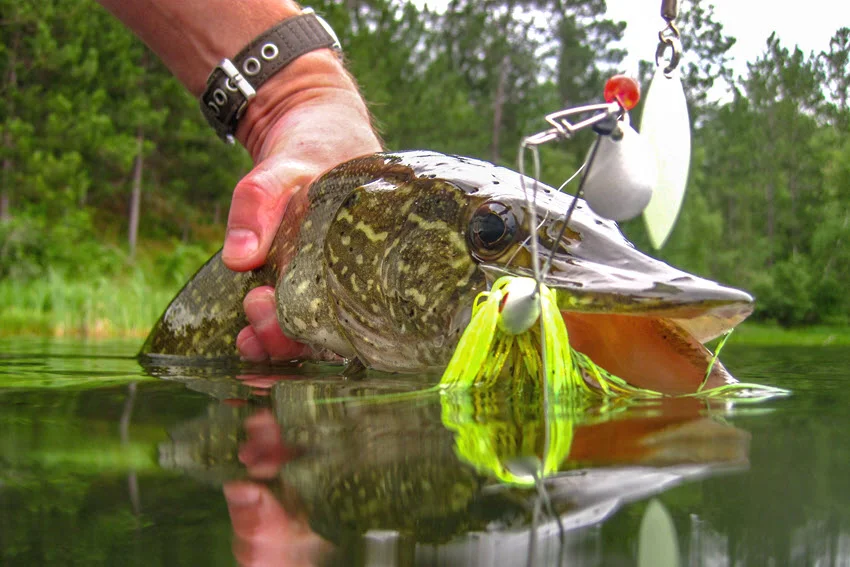
These fish can be finicky, and conditions such as water temperature, season, and weather all influence how they feed. Choosing an effective lure makes a big difference. In the sections below, you'll learn about the best Northern Pike lures, when and where to use them, and the techniques that will help you turn more strikes into big catches.
Pike behavior depends on temperature, light, and food. The weather can change how active it is. Sometimes it chases prey, other times, it waits and watches. To catch Pike, you need to understand how it acts. These behavior patterns help you choose and fish lures more effectively.
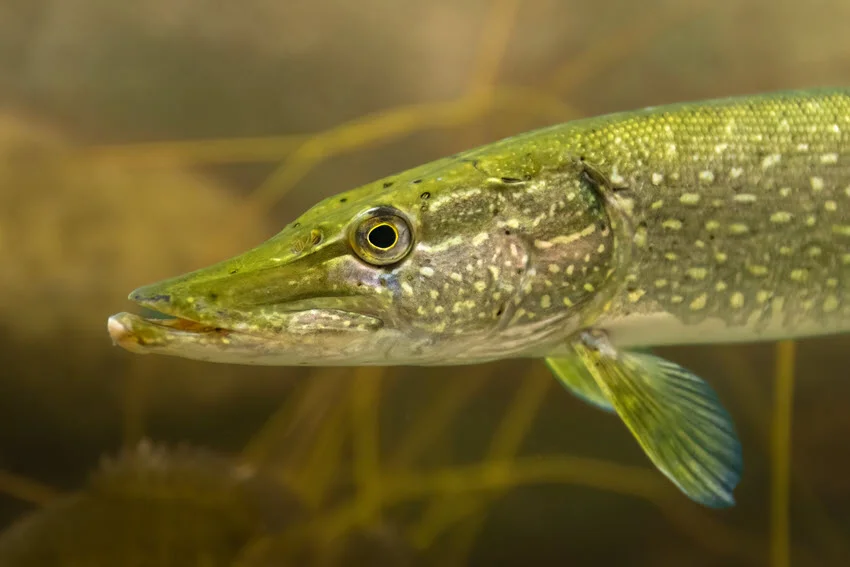
Northern Pike live in lakes, rivers, and bays. They prefer calm or slow-moving water, and you can find them near weeds, rocks, drop-offs, and fallen trees. These spots help them hide while waiting to ambush prey.
Pike are ambush hunters; they sit still and wait for prey to come close. Then they attack in a flash. They often avoid fast currents and wide-open areas, especially when good cover is nearby. Pike feed on fish, frogs, crayfish, birds, and even small animals. Almost anything that moves can be food.
Most often, they stay near the shore, close to the structure. If you find the right spot, you are likely to find a Pike. If you know where they hide, you can cast your lure right into their strike zone.
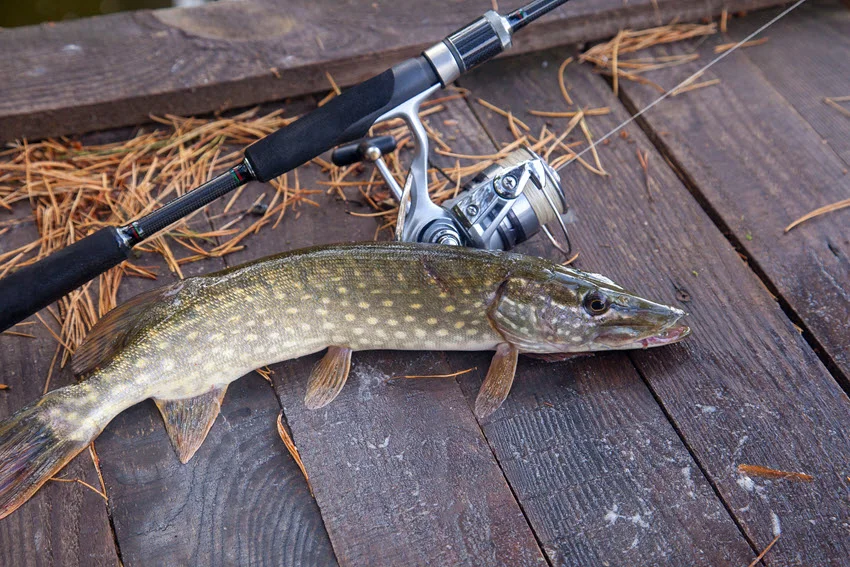
Northern Pike behavior changes with the seasons. Temperature, light, and food all affect them. To catch more Pike, you need to change your strategy as the seasons change. Pike move to different places, eat different prey, and react to different lures. Knowing what Pike do in each season helps you catch more.
If you follow these seasonal patterns, you can match your lure and fishing time to Pike behavior. For that reason, don't miss anything from above.
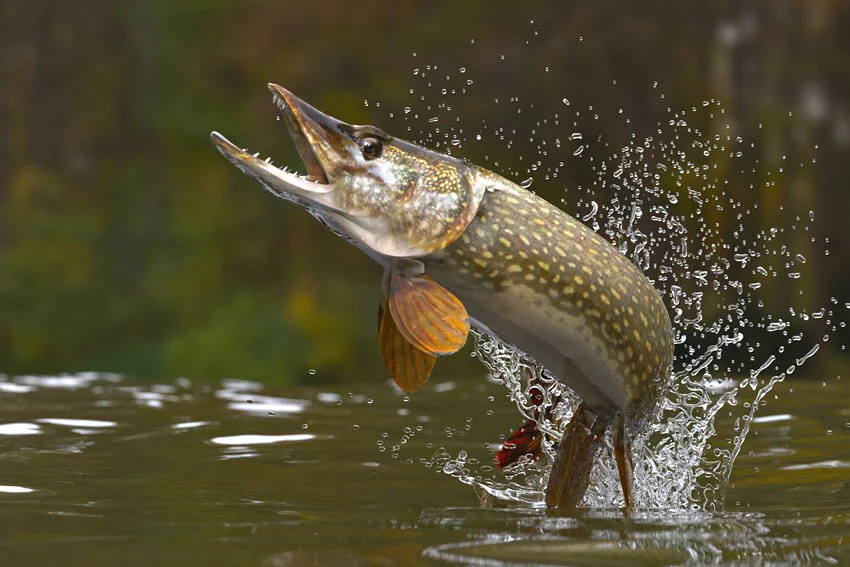
Knowing where Northern Pike live is very important. Pike swim in many bodies of water, such as lakes, rivers, bays, and slow streams, which are their preferred habitat. Each place is different, and you should pick the best lure for that spot. Knowing where Pike like to hide will help you catch more.
Knowing where Pike live and what lures work best in each place helps you catch more fish. Try different lures and spots until you find what the Pike want that day.
There are many great lures for Northern Pike. Choosing the right ones can be hard. Some anglers carry a variety of types and colors. Others keep only a few that always work. It is beneficial to have a mix of bright and dark colors, as well as a range of sizes. Here are the best lures I use and how to fish them:
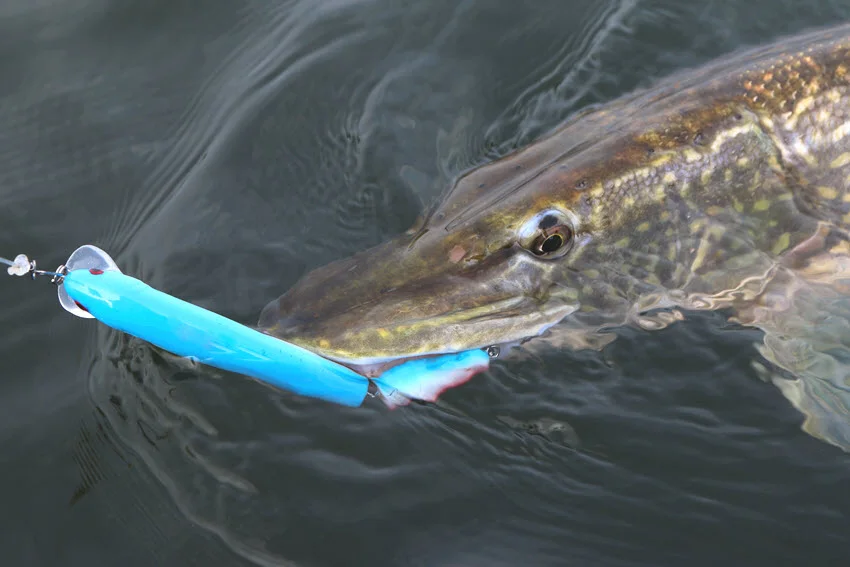
Swimbaits are soft or hard-bodied lures. They are designed to imitate baitfish. They come in both shallow- and deep-diving versions. Their lifelike swimming action often provokes aggressive strikes, especially when retrieved with slight pauses. Carrying a variety of sizes and diving ranges ensures flexibility for changing conditions and Pike behavior.
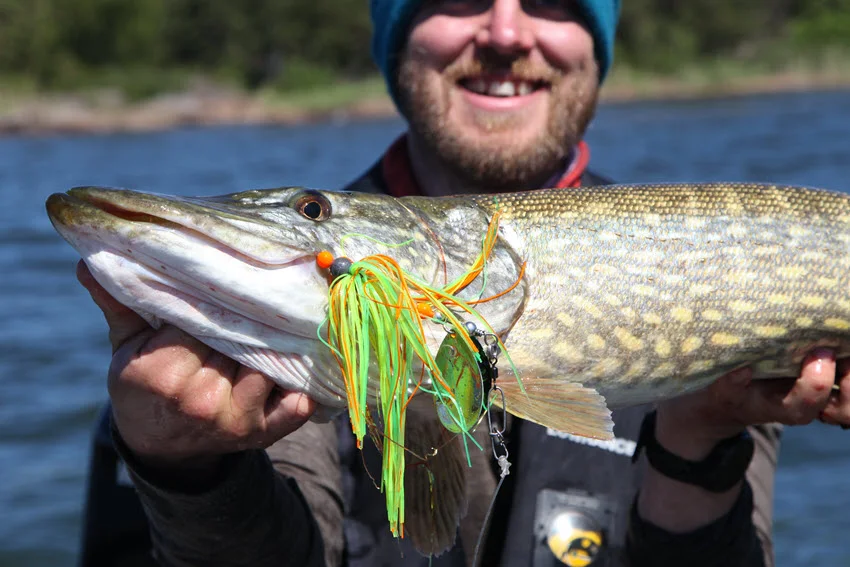
Spinnerbaits have a bent wire and a spinning blade above the bait. They cast well and work great in shallow water. The spinner adds flash and vibration that Pike cannot resist. These lures are suitable for trolling through weeds and avoiding snags. Use a steady retrieve or a slow stop-and-go action to trigger strikes.
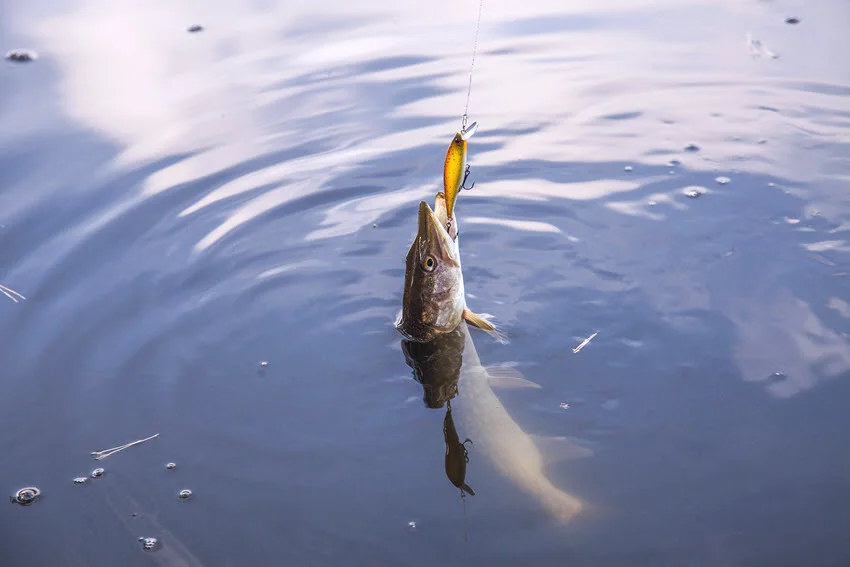
Jigs are simple and versatile lures that work well with soft plastics and live or cut bait. Bucktail jigs are favorites for Pike fishing. Jigs cover a large part of the water column, helping you find where Pike hide. Cast and retrieve with a bouncing motion, or troll slowly with rod action to attract Pike.
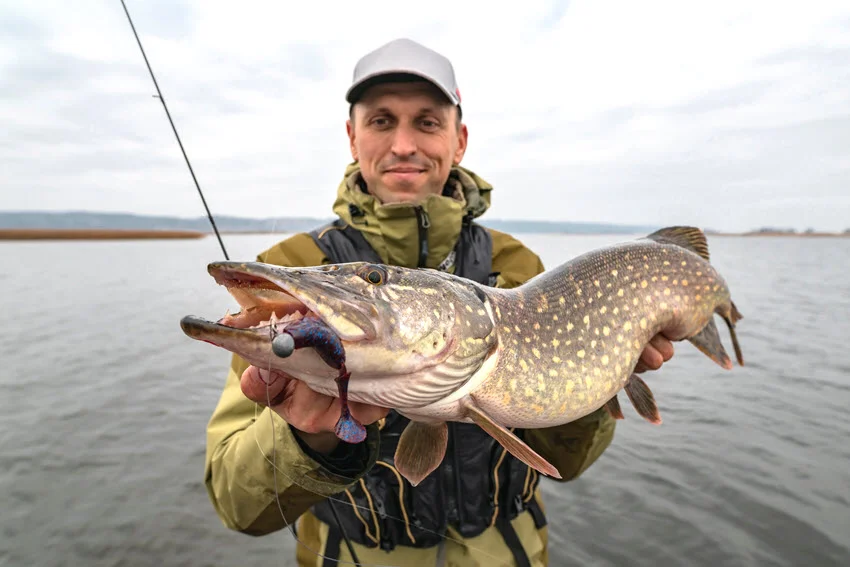
Fly fishing for Pike uses large streamer patterns like Chip's Magic, Whistler, and Bunny flies. These flies imitate small fish and frogs near the surface. Topwater poppers also work well when Pike hunt in shallow weeds. Fly fishing requires good technique, but it can be very exciting and compelling for Pike.
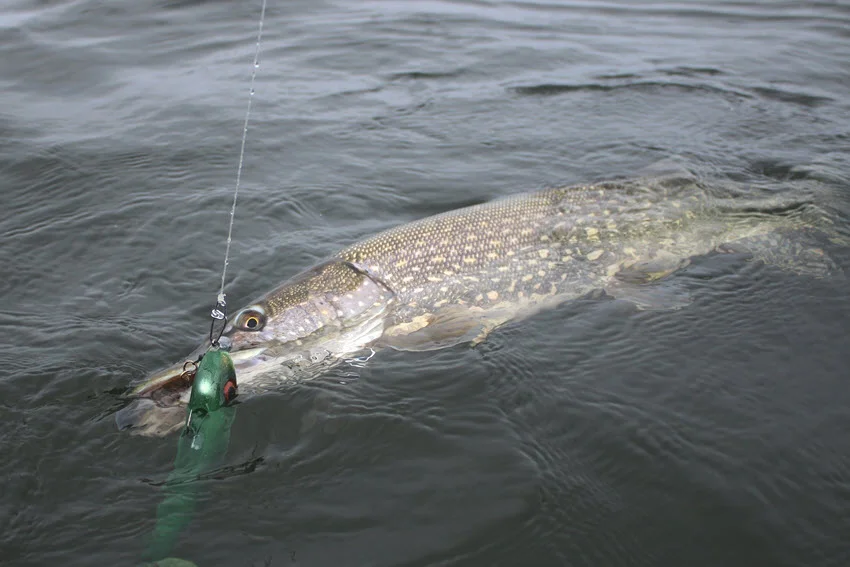
Soft plastics come in many shapes. Frogs, minnows, and worms are the most common forms of this kind of lure. They can be rigged on jigs, rigged weightless, Texas-style, or suspended under a float, depending on the cover. Many soft plastic lures come with added scent to help Pike smell. These lures are perfect for fishing through weeds and tight spots. They offer a realistic presentation that Pike often can't ignore.
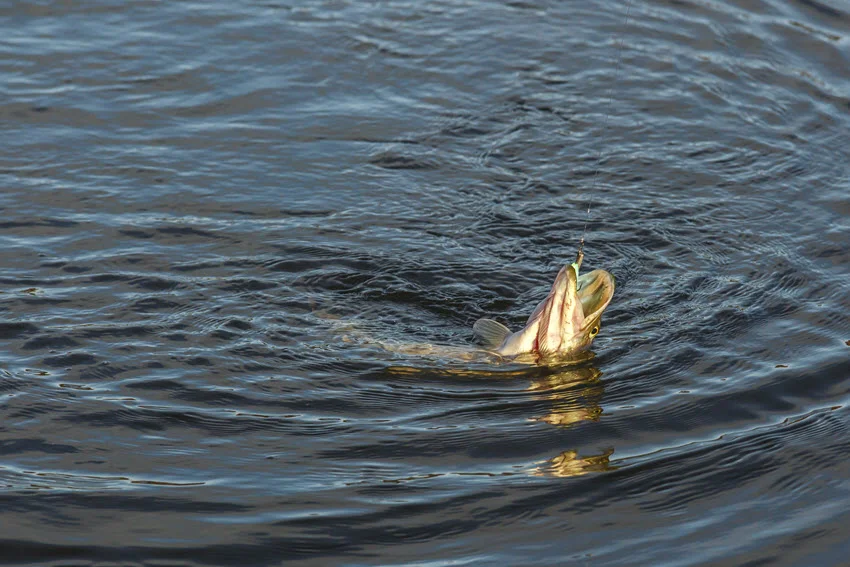
Spoons are metal lures. Silver and gold are classic colors that flash well in the water. They work by wobbling and flashing as you retrieve them. Spoons are great for casting long distances and can cover a lot of water. Pike are attracted to their shiny flash and erratic movement.
Pike fishing is not very technical. Once you find the fish and know the depth, it is about staying in their strike zone. Use your favorite lure and fish near weeds, around logs, and in any lively spots. Sometimes you must search to find them, but once you know where they hide, the action can be fast and exciting.
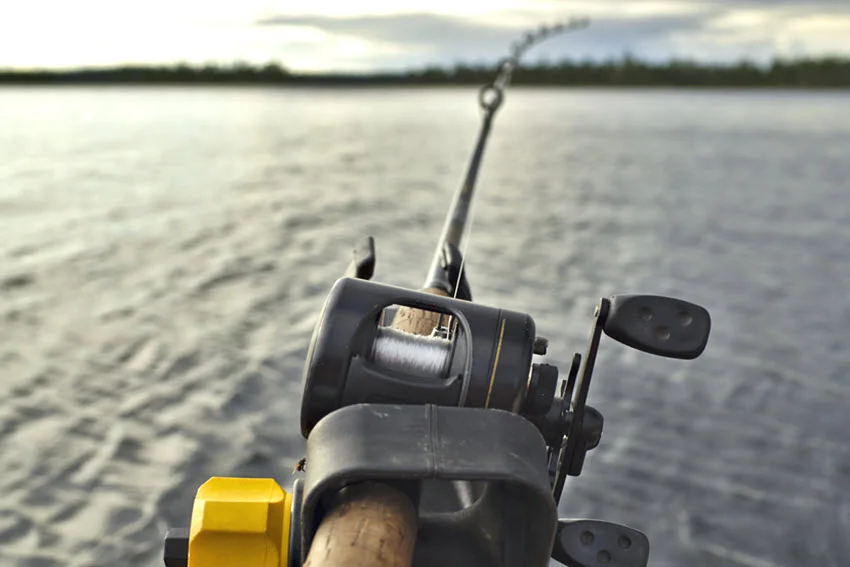
Trolling works well when Pike are spread out and hard to find. Slowly drag your lure behind the boat over weed edges and drop-offs. This helps cover a lot of water and locate active Pike. Use swimbaits, spinnerbaits, or crankbaits for trolling.
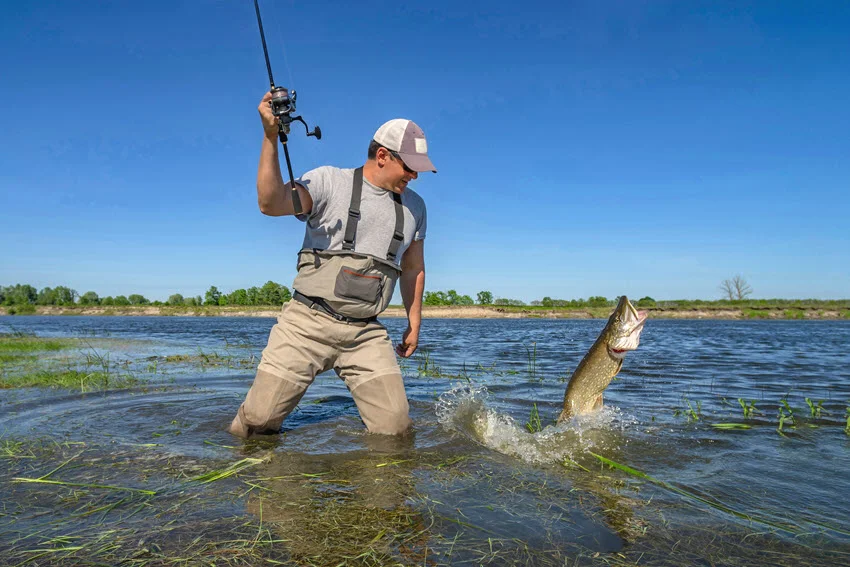
Jigging is most effective when Pike are holding deeper or suspended in the water column. Drop your jig straight down and work it with short, controlled lifts to keep it in the strike zone. This vertical presentation is great when fishing from a boat over structure such as drop-offs, brush piles, or submerged trees. Pike often strike as the jig falls, so pauses are key.
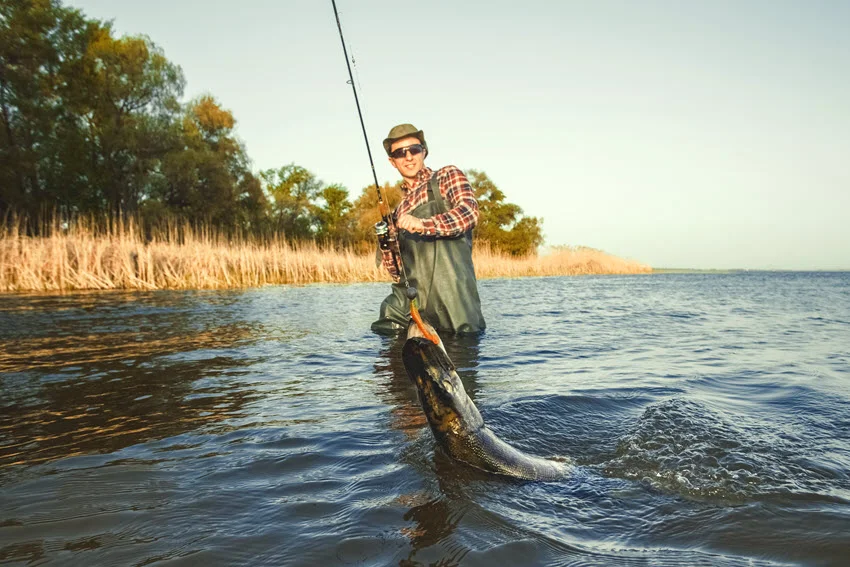
Casting and retrieving is a horizontal approach that works well when Pike are spread out or hunting along weed edges, rocky points, or shallow bays. Use spoons, spinnerbaits, or swimbaits and vary your retrieve. This technique is effective when you want to search for structure.

Understanding fishing regulations and ethical practices about specific fish species protects fish populations and ecosystems and promotes responsible angling practices.
Anglers Booking Team
The goal of the rules is to help keep Pike numbers safe and fishing fair. There are limits on the number of Pike you can catch. Additionally, there are rules regarding how big they must be. Some places have times when fishing is not allowed. There are areas where you must release the fish. Sometimes, using barbless hooks is required to avoid hurting the fish.
When handling Pike, be careful not to harm it. Carefully remove the hook and put the fish back quickly. If you keep Pike to eat, follow local rules. Be kind to the fish. Avoid fishing where Pike lay eggs, so they can grow more fish.
Before fishing, always check the local regulations. They can change depending on the place and season. Knowing the rules helps you fish the right way. Following them keeps fishing fun and good for the future.
Fishing for Northern Pike is a thrilling fishing activity. The effective lure, spot, and timing can turn a slow day into an exciting catch. Keep trying different lures and methods. This is the best way to check what works best for you. Always respect the fish. Also, don't forget to follow local rules. This will help to keep Pike populations available for future anglers.
Which Pike lure do you like to use the most? Have you found one that never fails? Share your favorite tips and stories; we enjoy hearing from fellow Pike anglers.

The expert copywriters at Anglers Booking have meticulously crafted this article. Our dedicated team of writers provides valuable insights and information to enhance your angling experience.

July 2, 2025

July 13, 2025
Subscribe to our newsletter and receive a selection of cool articles every week.
Embark on unforgettable fishing adventures with us at Anglers Booking.
book your charter
October 2, 2026
September 8, 2026
August 21, 2026
August 18, 2026
August 15, 2026
August 12, 2026
August 8, 2026
August 4, 2026

You're now part of our exclusive community. Get ready for premium content and updates straight to your inbox.
close
Subscribe to our newsletter and receive a selection of cool articles every week.
Please enter a valid email address.
Be the first to know when we're back in action.
Please enter a valid email address.
Leave a Comment
Your email address will not be published. Required fields are marked *
Thank you for your comment! It has been submitted for review and will appear on the site shortly.