


Anglers Booking Team
The expert copywriters at Anglers Booking have meticulously crafted this article. Our dedicated team of writers provides valuable insights and information to enhance your angling experience.
 12 minutes read
If you seek a place for an energetic vacation that must-have list includes powdery fine sand on the beach, almost always warm and crystal blue sea, and an exceptional fishing destination, then you have found it!
St. Pete Beach is a small town that offers the best of Florida. The city is a popular tourist destination with great restaurants, bars, galleries, and hot spots. It is also a fantastic fishing location.

The area boasts a multitude of stunning fishing spots for anglers to enjoy. From the bustling John's Pass docks to the peaceful Boca Ciega Bay, there is plenty of space to fish and find the tranquility you desire.
Whatever your next fishing milestone is, this ultimate guide to St. Pete Beach can help you make it happen right here. There are many species, adventure, beautiful beaches, and a warm sea! Join us in discovering the specific charm of this town and allow yourself a new and even better fishing adventure. Let's dive in!
Besides being pleasing to the eye and soul, St. Pete Beach is a place rich in fish species that contribute to the flourishing of life. Long beaches, shallows, and estuaries in Boca Ciega Bay, Tampa Bay, and the Gulf of Mexico create almost perfect conditions for the life of many native and migratory species. Let's get to know some of the most representative species together.
Each native fish species is essential and contributes to the region's ecosystem. In this article, we explore native species that are popular among anglers.
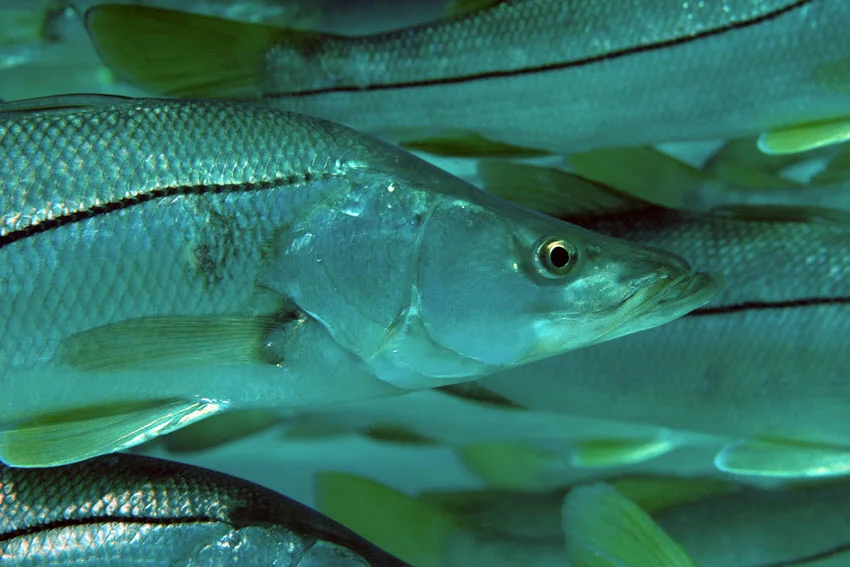
Snook is a highly prized game known for its smooth body and voracious appetite. It can grow to an incredible 50 inches and inhabits various habitats, including mangroves, deep reefs, and underwater structures. It is mainly an inhabitant of shallower waters and is in season during the summer months.
Best Time to Catch: Summer
Habitat: Mangrove lines, deep wrecks
Preferred Bait: Sardines, shrimp
Fishing Technique: Casting
Difficulty: Moderate to challenging
Depth: Shallow to moderate depth
The easiest way to catch snook is on live bait such as sardines, small fish, shrimp, and artificial lures such as swimbaits and topwater plugs. Due to the timid nature of the species, casting near structures and using hidden presentations have proven to be the most effective techniques. Snook is considered an easy to moderately tricky game, depending on specimen size and angler skill.
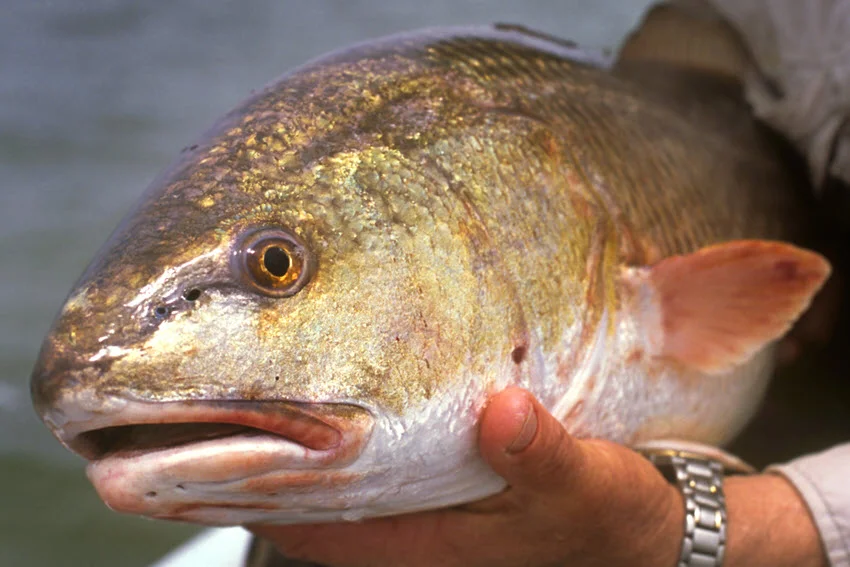
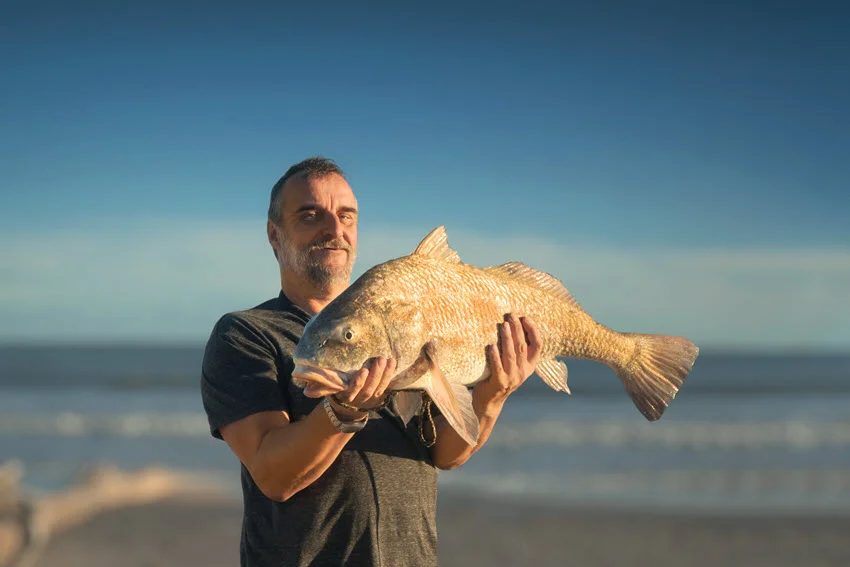
Redfish is another native, prized fish that swims in the waters of St. Pete Beach. It is easy to spot thanks to its copper shell and restless spirit. There are specimens ranging from 18 to 30 inches, with some individuals exceeding 40 inches. They mostly swim in shallow waters, especially during the warmer months, precisely early spring until early fall, when they are in peak season.
Best Time to Catch: Early spring until early fall
Habitat: Shallows
Preferred Bait: Shrimp, mullet, pinfish
Fishing Technique: Casting
Difficulty: Moderate to challenging
Depth: Shallow
You can catch them on shrimp, mullet, pinfish, and artificial bait such as spoons, soft plastics, or golden spoons. Effective techniques include casting near structures and the seabed. They are relatively aggressive opponents and can be challenging to catch, contributing to their attractiveness.
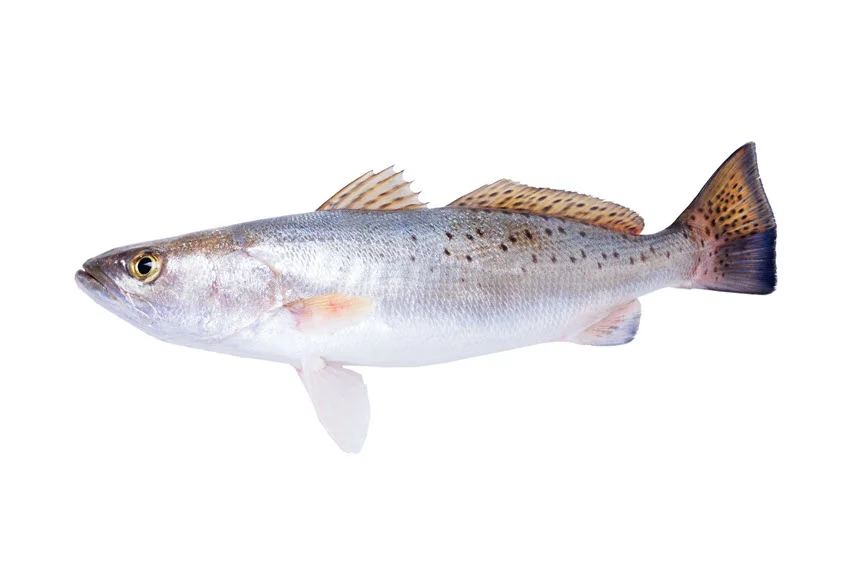
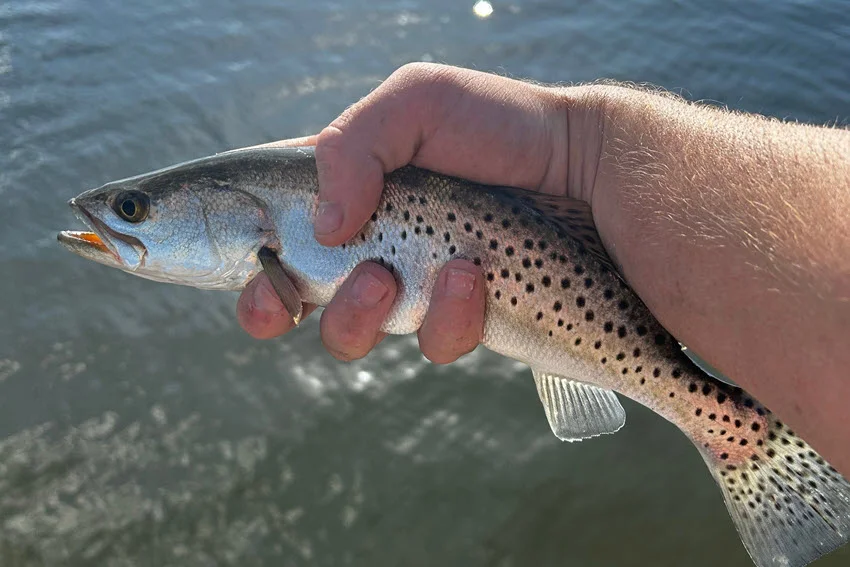
Anglers love Spotted Seatrouts for their elegantly graceful bodies, fast and impulsive movements, and fastidiousness regarding food and habitat. If conditions are good, they can grow over 30 inches.
They most often choose grass flats, oyster beds, and sandy bottoms. However, they mostly like to swim in the shallows, and to catch them, it is best to use live bait such as shrimp, pinfish, and mullets. The technique of drifting and casting proved to be the most effective.
Best Time to Catch: Colder months
Habitat: Grass flats, oyster beds, and sandy bottoms
Preferred Bait: Shrimp, mullet, pinfish
Fishing Technique: Casting, drifting
Difficulty: Challenging
Depth: Moderate to deep
Spotted Seatrout love cooler weather and water and are in season during the colder months. They are aggressive and wise opponents and are highly valued as trophy prey. They require an angler who is worthy of their cunning nature and speed.
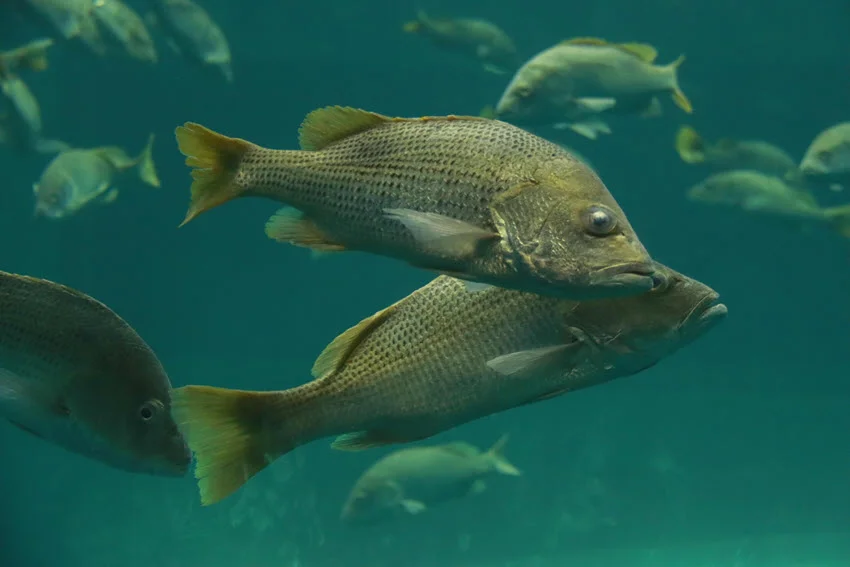
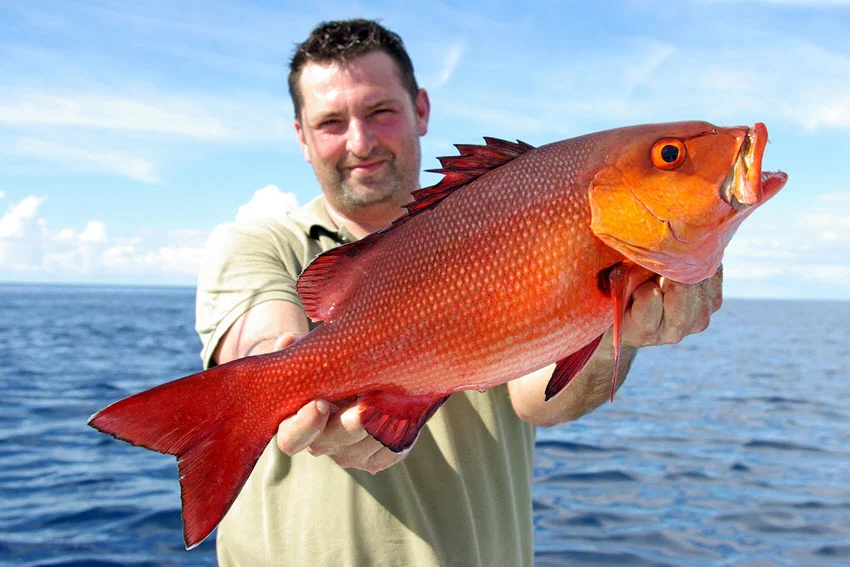
Mangrove Snappers are a favorite fish for their cunning nature and delicious meat. They can be found in various sizes, varying from 10 to 20 inches long, with larger specimens reaching up to 24 inches.
Snappers swim all year round in the waters of St. Pete Beach but are most active during the summer months. They mostly live in shallow waters near different structures. Favorite techniques for hunting Snapper are bottom fishing and casting, and baits include shrimp, sardines, pinfish, and various artificial baits.
Best Time to Catch: Summer months
Habitat: Shallow waters near buildings and structures
Preferred Bait: Shrimp, mullet, pinfish
Fishing Technique: Casting
Difficulty: Challenging
Depth: Moderate to deep
This species is a famous catch, both for its trophy nature and for its delicious meat. Mangrove Snappers are considered challenging opponents due to their sharp teeth and aggressiveness. They can tear off the hook and also injure the angler.
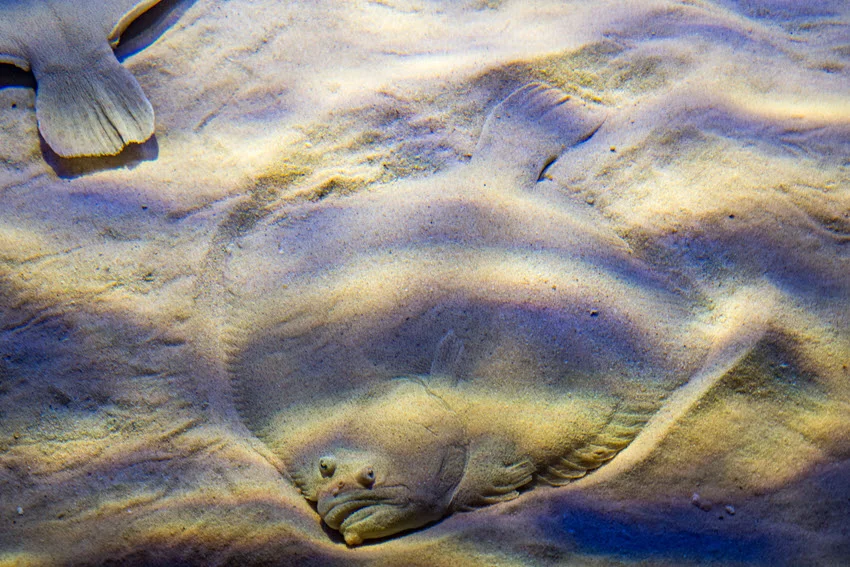
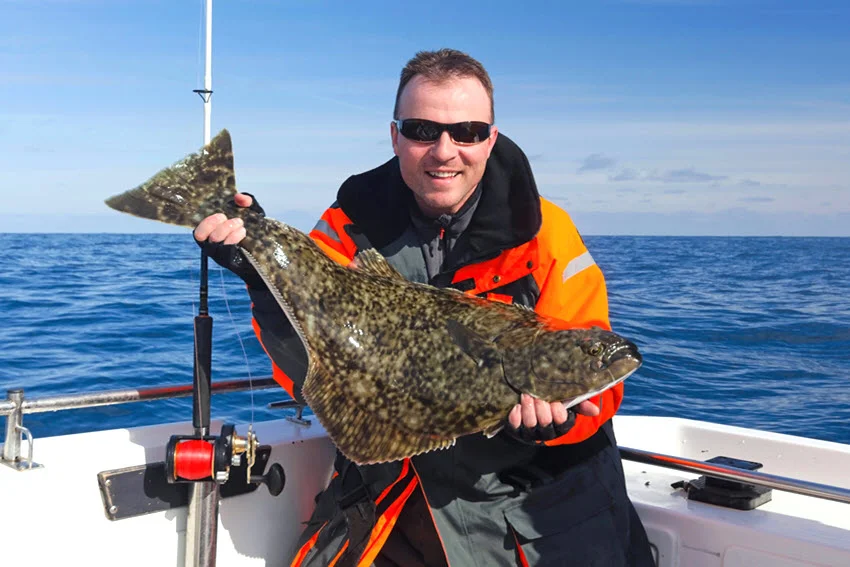
The flounder is an exciting species characterized by a flattened body and sandy color. This unusual fish can grow longer than 24 inches and is known for its skillful camouflage around the sandy bottom it inhabits, where it patiently stalks its food. Accordingly, bottom fishing and casting near structures and falls proved the best techniques.
Best Time to Catch: Summer months
Habitat: Sandy bottoms
Preferred Bait: Shrimp, mullet
Fishing Technique: Bottom fishing
Difficulty: Challenging
Depth: Moderate to deep
The flounder will not resist bait such as shrimp and mullets. Although they are available throughout the year, they are most numerous during summer.
With the change of seasons, the water temperature rises, and St. Pete Beach waters welcome the arrival of migratory species.
With so many interesting guests, from Spanish Mackerel to Tarpon, these transient visitors instill a sense of excitement and anticipation of a new fishing adventure. Let's meet the migratory fish superstars!
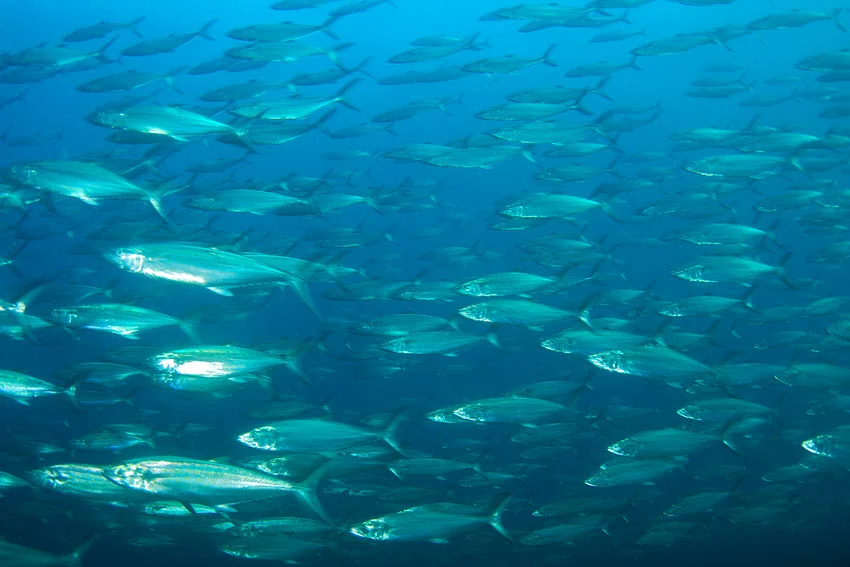
Spanish Mackerel is one of the favorite migratory species of St. Pete's Beach. It is highly valued due to its agility and gluttony. They migrate during spring and fall and come in various sizes, from 14 to 30 inches. They have striking, streamlined bodies and generally inhabit deeper coastal waters or congregate around reefs, wrecks, and schools of baitfish.
Best Time to Catch: Spring and fall
Habitat: Reefs, wrecks
Preferred Bait: Shrimp, mullet, sardines
Fishing Technique: Trolling, drifting
Difficulty: Challenging
Depth: Deep
Spanish Mackerel's favorite baits are sardines, shrimps, small mullets, artificial spoons, baits, and bright flies. Anglers mainly catch them using techniques like trolling with planers, diving plugs, and different drifting methods. Mackerel can be tricky to catch due to their extremely sharp teeth and require particular caution.

The King Mackerel, also known as the Royal Mackerel, dominates the waters surrounding St. Fifth during the spring and fall. Anglers find encounters with this species thrilling and unpredictable, making it a favorite among those who enjoy more challenging catches.
These fish can grow up to 72 inches and usually inhabit open sea habitats near reefs and wrecks.
Best Time to Catch: Spring and fall
Habitat: Reefs, wrecks
Preferred Bait: Runners, mullet, herring
Fishing Technique: Trolling, drifting
Difficulty: Challenging
Depth: Deep
Anglers mainly catch them using lures such as blue runners, mullets, and herring and artificials such as spoons, plugs, and rigged lures. As for popular techniques, the most common are slow trolling with live bait and high-speed running with lures.
Kingfish are challenging opponents because they fight and strike fiercely, and anglers often use grippers to land them successfully.
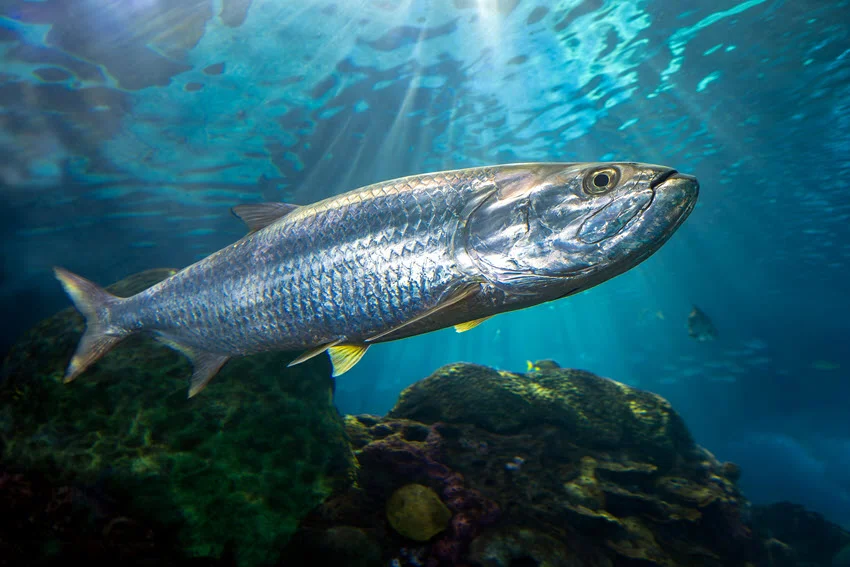
Tarpons are acrobats that perform fascinating jumps and entice anglers with captivating performances. They can be found in an incredible range of sizes, reaching over 6 feet and weighing over 200 pounds. They swim around coves, estuaries, and beaches, and their migration season is spring and summer.
Best Time to Catch: Spring and summer
Habitat: Coves, estuaries and beaches
Preferred Bait: Shrimp, mullet, pinfish
Fishing Technique: Floating with live bait
Difficulty: Challenging
Depth: Deep
It won't resist lures such as mullet, crayfish, pinfish, artificial swimbaits, plugs, and flies. Tarpon love high-quality water, so the best techniques for catching Tarpon are floating with live bait in deeper channels and presenting the bait. Tarpons require an experienced angler who is patient and intuitive and, at the same time, very fast and impulsive.
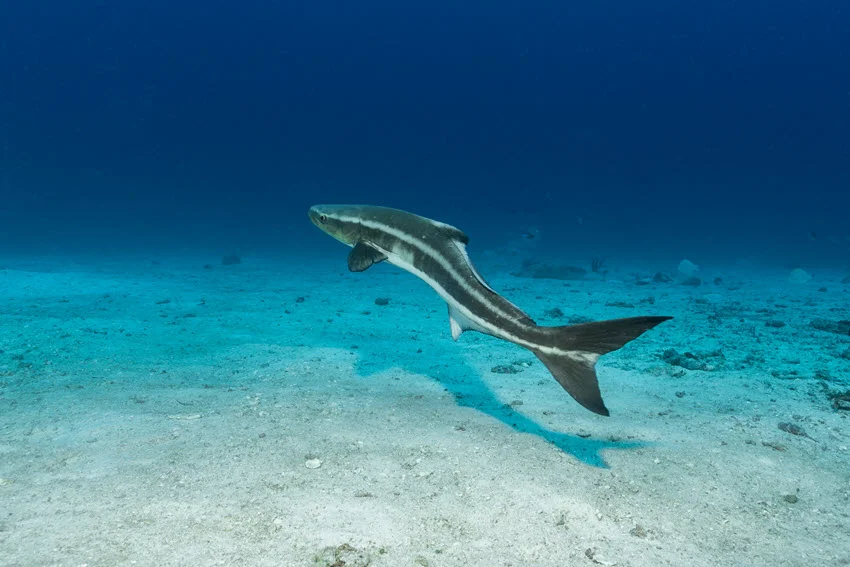
Cobia, large migratory giants known as Lemon Fish, grace the waters of St. Pete during seasonal migrations in spring and summer. They are striking in appearance, with a flattened head and clear dark side stripes. With favorable conditions, they can grow up to 6 feet in length. Cobias swim in coastal and offshore habitats near reefs and wrecks.
Best Time to Catch: Spring and summer
Habitat: Offshore habitats near reefs and wrecks
Preferred Bait: Minnows and crabs
Fishing Technique: Trolling, jigging
Difficulty: Challenging
Depth: Deep
They like baits like minnows and crabs and artificial lures like jigs and bucktails. Practical techniques are trolling and jigging. Cobia is a species whose character is challenging to grasp and quite unpredictable. It provides brave and strong fights; you can only catch it with sound equipment and strategy.
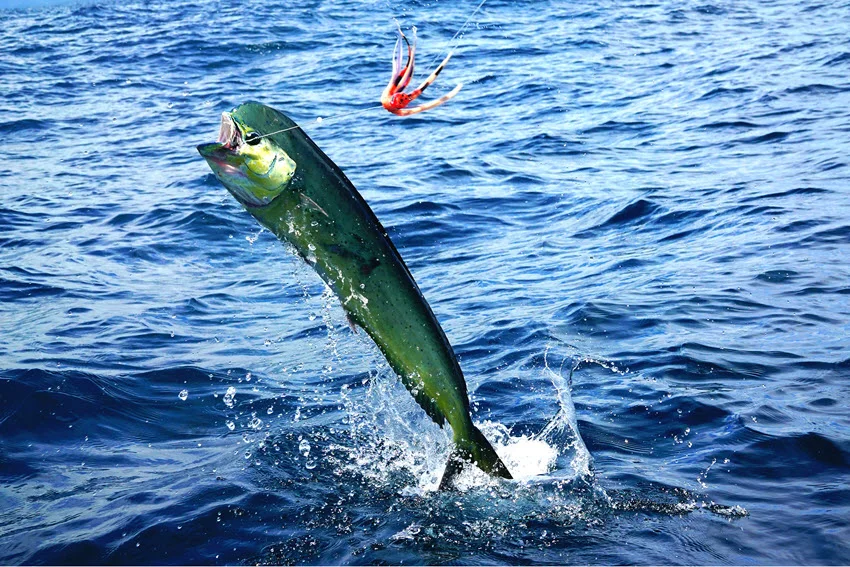
Mahi Mahi is a less-than-typical type of dolphin that attracts fishermen with its unusual appearance and behavior. Its green-gold hues and elongated bodies are easily recognizable, and it can grow up to 6 feet. Despite its clumsy appearance, it is a skilled acrobat who can jump very high and leave anglers breathless.
Best Time to Catch: During warmer months
Habitat: Near floating debris, weed lines, and nearshore structures
Preferred Bait: Minnows, ballyhoo, squid
Fishing Technique: Casting, drifting
Difficulty: Challenging
Depth: Shallow to moderate
They swim near floating debris, weed lines, and nearshore structures at 100 to 600 feet depths. In St. Beach Petes, they migrate during the warmer months, and anglers can use ballyhoo, squid, minnows, trolling plugs, feathers, and skirts to catch them.
Effective techniques include trolling at different speeds, casting, and drifting with live bait. Mahi Mahi is a species with a nomadic nature and a stubborn character, so that it can be a challenging catch.
St. Pete Beach is a small town with plenty of great spots to fish and enjoy the scenery. We have selected the top-tier options for you. Let's check them out together.
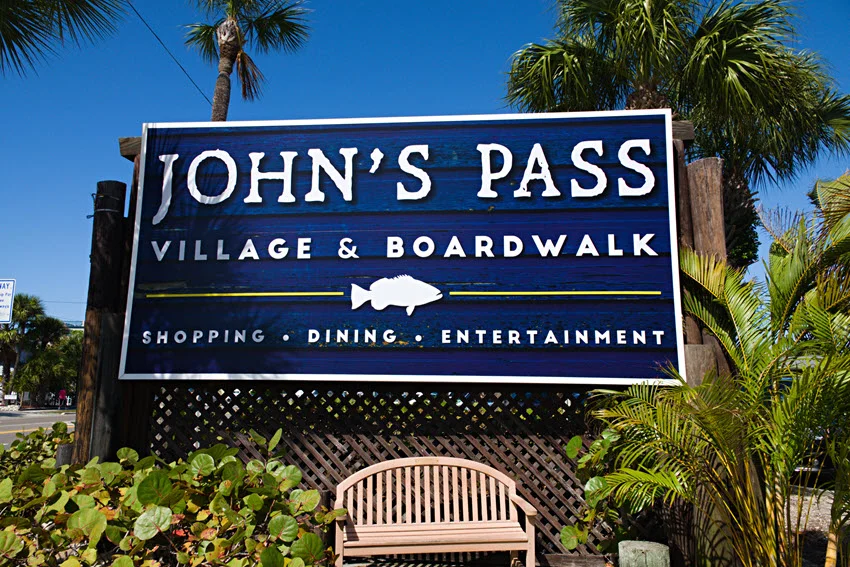
John's Pass has it all! The long fishing tradition with retro chic is still felt today but doesn't lack modern fishing supplies. The piers, the possibility of renting charters, and the authentic fishing spirit are just a hint of what you can find here. You can explore underwater caves and estuaries, go fishing, paddleboard, use boats or kayaks, and get close to some more remote areas.
In addition to catching species such as Redfish, Snook, or Tarpon, Johns Pass offers a warm welcome to everyone. As a special bonus, there are numerous cafes and restaurants where you can try one of the local fish specialties. If you are heading to fishing in St. Pete Beach, you must take advantage of casting from this prime spot!
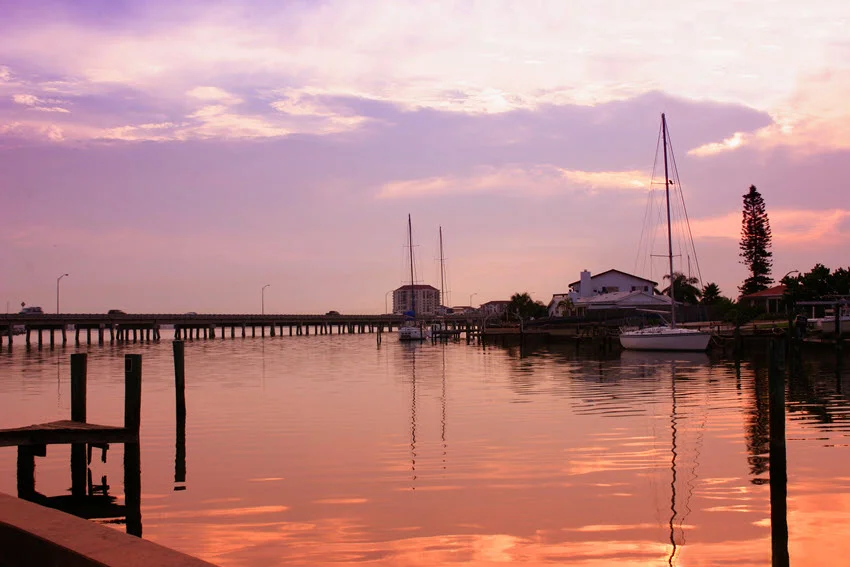
Boca Ciega Bay is an intricate maze of canals, flats, and banks lined with Redfish, Snook and Tarpon. It is a real focal point for various fish species. Shallows are Redfish habitats and ideal casting spots. You can also meet Speckled Trout, Flounder, and Sheepshead, which swim in the oyster bays and grass beds.
People who love fishing and nature enjoy this location. It's an excellent spot for those who fish from a kayak or board. Plus, it's close to the town, so it's easy for those who want to fish from the shore or a fishing pier. The scenery is stunning and peaceful, making it a favorite among anglers who like to relax and enjoy the outdoors.
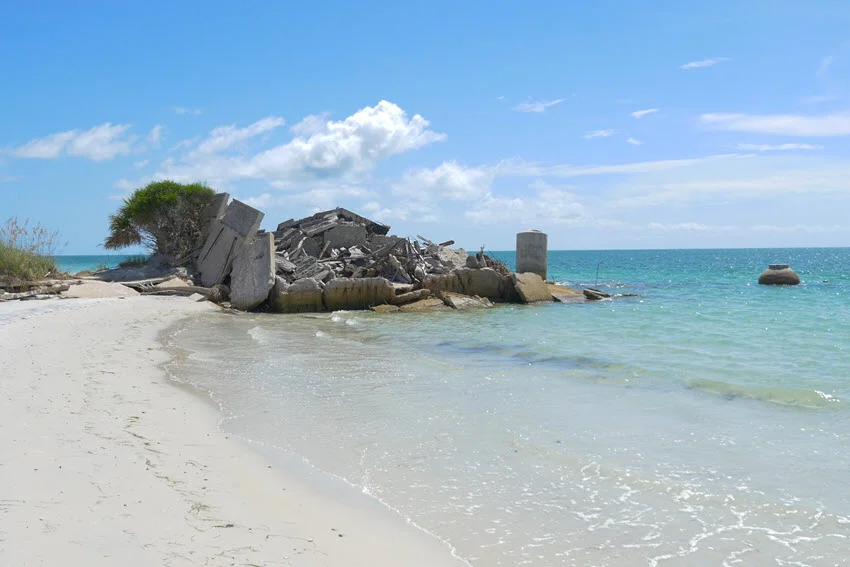
Egmont Key is the gateway to some of the most prolific and beautiful fishing grounds in the Gulf of Mexico! Located at the very entrance to Tampa Bay, Egmont Key offers gorgeous beaches and intricate and rich marine ecosystems.
This location is a unique combination of shallow flats, deep channels, and coastal reefs where you can fish for Tarpon, Cobia, and many other trophy fish. It is an excellent place for trolling, bottom fishing, or experimenting with techniques, especially those related to species living in the depths.
In addition to fishing, you can visit many historical sites here and enjoy a walk or a trip with the family. It has a specific charm, a lot to see and feel, and even more fish to catch. Whatever you choose, especially if you prefer fishing, one thing is sure: you will not remain indifferent.
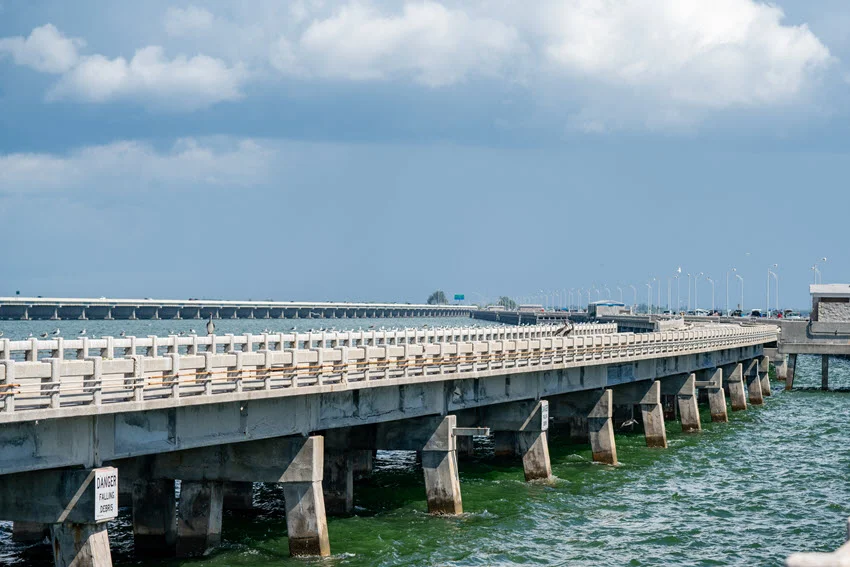
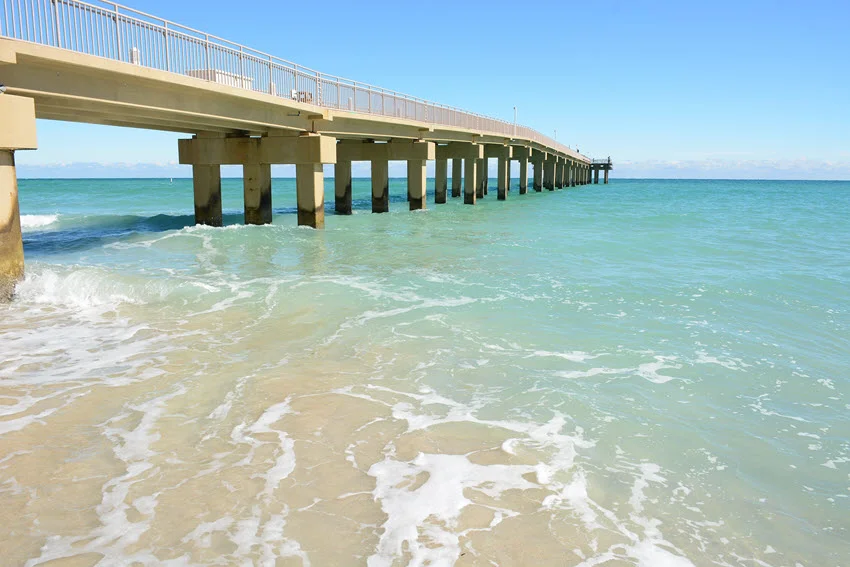
The Skyway Fishing Piers spans the estuary of Tampa Bay and provide anglers with excellent access to inshore and offshore fishing opportunities, with effortless access to deep-dwelling species.
They are a unique land entrance to the beauty and depth of the Gulf of Mexico, contributing to these piers' popularity and iconic status. Anglers fishing from here can target Grouper, Cobia, and Sheepshead, common in submerged jetty structures and around rocks and boulders.
The year-round fish influx is ensured thanks to the strategic location, providing enough fishing action regardless of the season.
As a special bonus, Skyway Fishing Piers offers amenities such as cleaning stations, bait shops, and ample parking. These make it one of the top fishing destinations in St. Pete Beach.
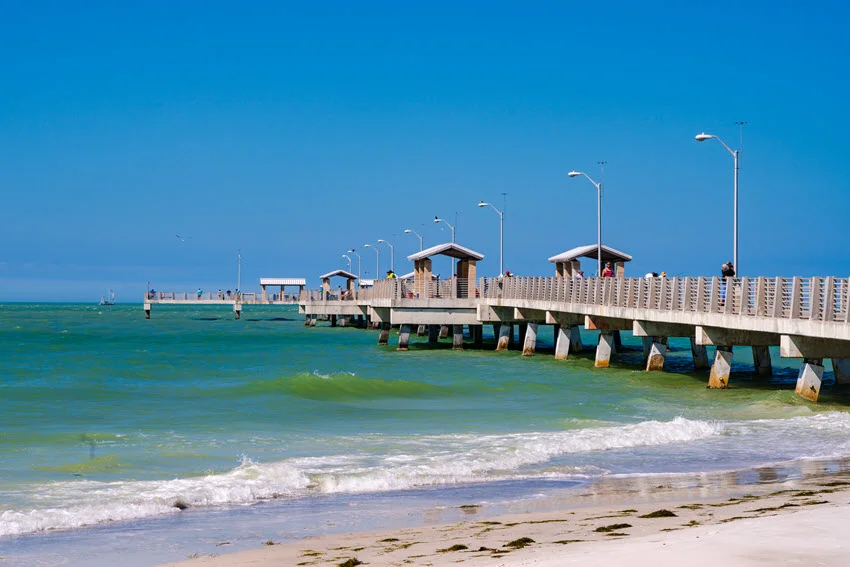
Fort De Soto Park is located in the southern part of St. Pete and offers idyllic beaches and advanced marine ecosystems. It is a true paradise for anglers looking for both relaxation and excitement. Miles of coastline along the Gulf of Mexico and Tampa Bay fishing allow anglers to catch Red Snapper, Pompano, and many others.
At the same time, the location is excellent for exploring by kayak, as the waters are calm and for secluded meditative fishing. Fort De Soto has everything an angler needs, from docks to bait shops to a picnic area. And if, besides fish, you also like to watch birds, this location is your number one choice, given that many different birds complete the park's charm.
The Fishing trip to St. Pete Beach has much to offer! Excellent conditions exist for perfecting your favorite technique or experimenting with something new. St. Pete Beach is a superb location for many things, from bottom fishing for reef-dwelling species to trolling for pelagic giants.
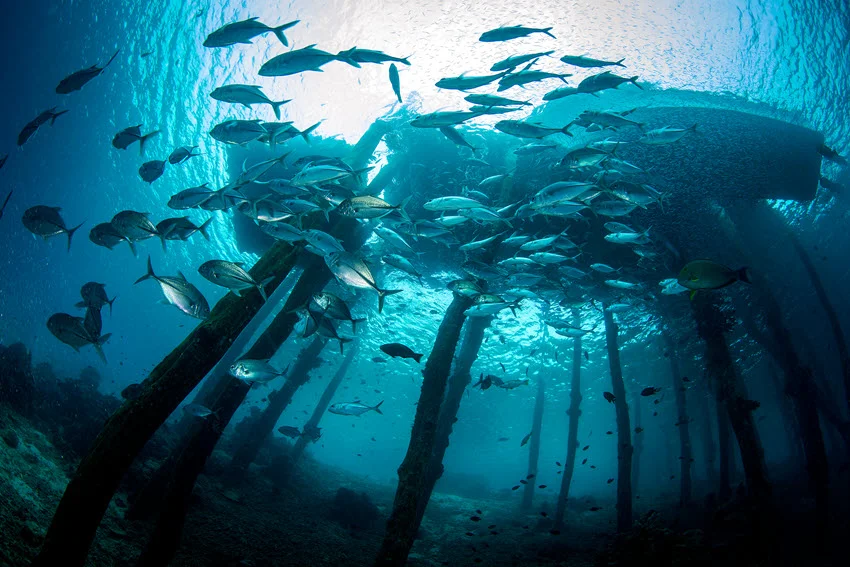
Bottom fishing is one of the most common techniques at St. Pete, especially appreciated for its effectiveness in targeting various species that inhabit the seabed. The technique involves using equipment with weights so that the bait can safely reach the ocean floor, where species such as Grouper and Sheepshead swim.
Choosing the right bait and presenting it to the bottom-dwelling fish is vital. The most popular baits are squid, mullets, sardines, or artificial ones that imitate natural prey well.
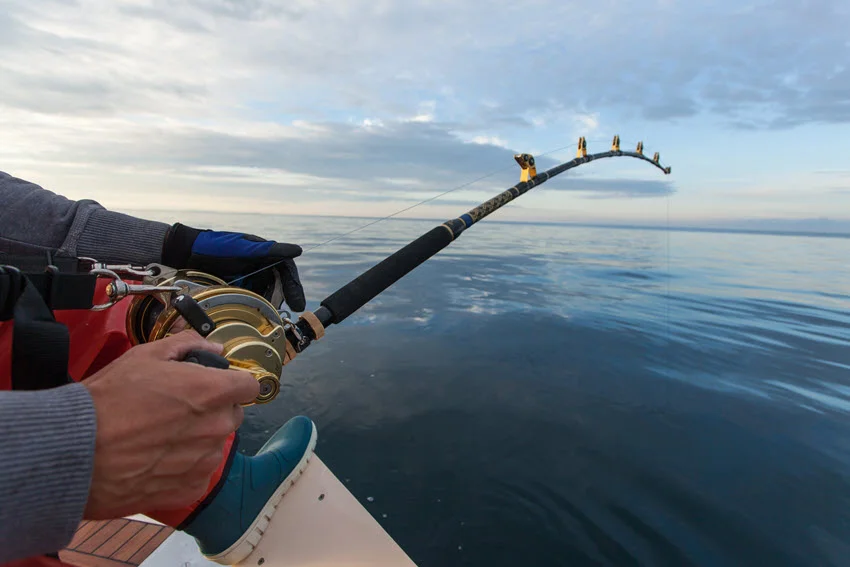
Trolling is a widespread technique primarily due to its flexibility and dynamic. Targeting many species that vary in habitat choice and weight is possible. On St. Pete Beach, trolling anglers mainly target pelagic species such as Kingfish and Mahi Mahi. The technique involves dragging a bait or lure behind a moving boat, thus covering large water areas.
The significant advantage of trolling is the possibility to quickly cover a vast area, allowing anglers to locate schools of fish. It requires baits like ballyhoo, squid, live baitfish, and artificial baits like diving plugs or skirts. It is a relatively demanding fishing approach that requires constant adaptation to water, temperature, and weather conditions.
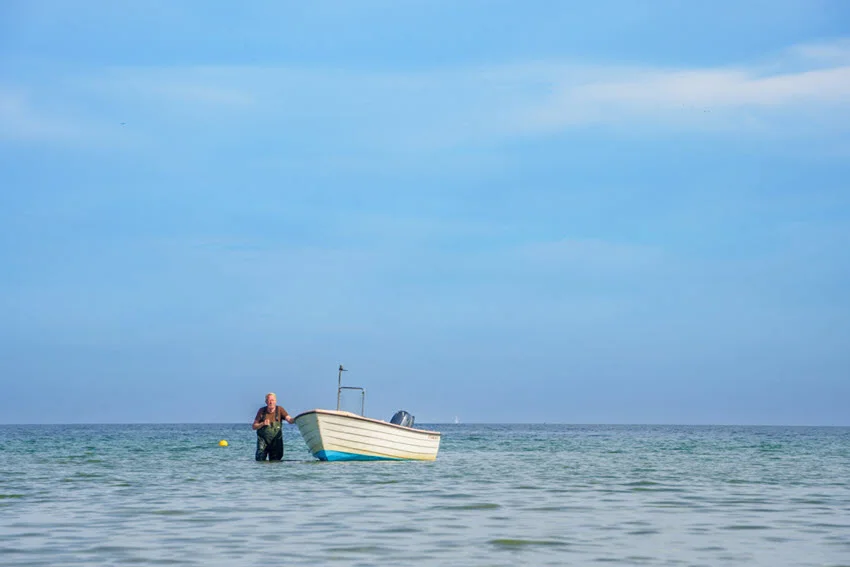
Flatfishing is a thrilling and challenging technique often practiced by anglers on St. Pete Beach. This technique involves fishing in shallow, clear waters called flats, where various species, such as Redfish or Trout, exist.
To be successful, flat fishing requires a strategic and stealthy approach, as well as precise presentation. Anglers must move quietly and cautiously through the shallow waters while scanning the surface for any signs of fish.
Once they spot a target fish, they must carefully and accurately throw the bait before it, using movements replicating the natural prey as closely as possible. This requires a lot of skill and patience, as the angler must anticipate the fish's movements and respond accordingly.
Flat fishing is a fascinating and rewarding technique that requires a deep understanding of the fish and their behavior and high fishing expertise.
You need specialized shallow-water gear for flat fishing, such as lightweight rods and reels with sensitive drag systems. Artificial baits, such as soft plastics, lures, or flies, are better than live baits. The technique requires patience, peace, and caution while providing an intimate and highly focused connection with the marine world and nature.
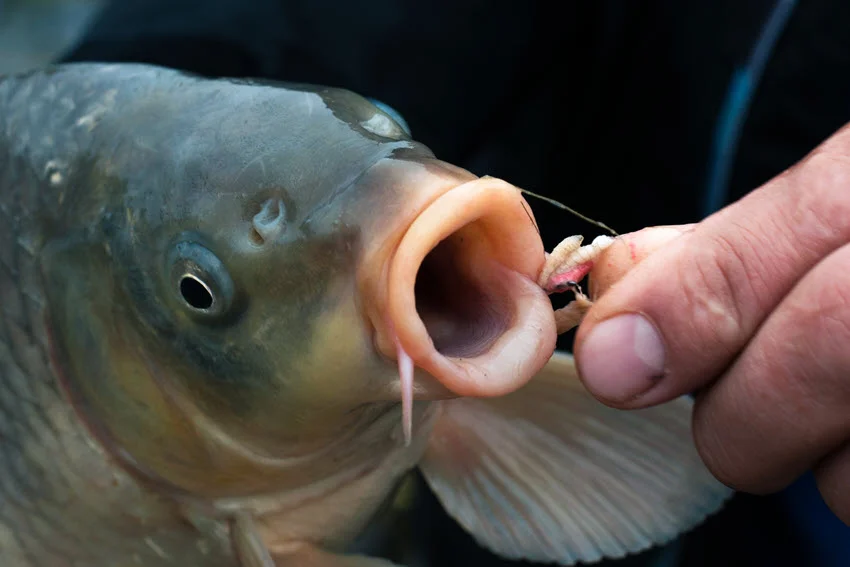
Live bait fishing effectively attracts a wide variety of species. It is simple and attractive enough for anglers of all levels. This technique involves presenting live fish and crabs to fish in their natural habitat and imitating the movements and appearance of natural prey. It attracts Walleye, Redfish, and pelagic species such as Mahi Mahi.
The method is easily adapted to shallow and deeper waters, making it a frequent choice for beginners. However, it also requires time, patience, the ability to observe and correctly interpret signs on the water and the environment, and the ability to react promptly.
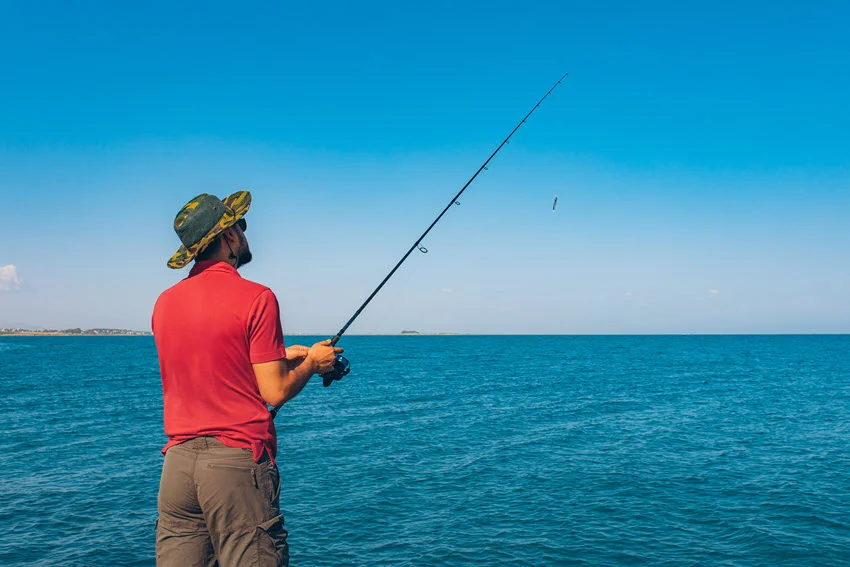
Fly fishing may be standard on the shores of St Pete Beach, but enough enthusiasts are experimenting with this technique. It involves casting light artificial flies made of natural or synthetic materials, which mimic the appearance and movement of insects, baitfish, or other aquatic prey.
In fly fishing, the emphasis is on accurate casting and delicate presentation. You need specialized fly rods, reels, and lines to deliver the fly with delicate movements.
Using this technique, you can effectively aim for different types of fish, like Tarpon or Snook. Fly fishing demands consistent training and a solid comprehension of fish behavior. Still, the most challenging aspect is selecting the appropriate fly and presenting it correctly to the targeted fish. The outcome is a very organic and stress-free method of fishing that allows for a more profound connection with nature and the surroundings.
Understanding fishing regulations in an area is crucial for protecting fish populations and ecosystems and promoting responsible angling practices.
Anglers Booking Team
Regulations and licenses for fishing on St. Pete Beach are essential elements of the responsible fishery. They ensure the sustainability of species populations and the protection of the entire marine ecosystem. Anglers can obtain a valid Florida fishing license online through the Florida Fish and Wildlife Conservation Commission (FWC) website or from authorized fishing agents.
Regulations and possible restrictions refer to the size of the bag and the maximum number and weight of fish that can be caught daily. Special rules may also apply to certain species, locations, or seasons. You must also comply with equipment regulations to regulate the types of equipment allowed and protect sensitive habitats.
St. Pete Beach is one of those places where you can only come on vacation and become a fresh-faced fishing enthusiast. The same can happen the other way around; you come to fish and decide quite naturally and spontaneously that you want to combine fishing with swimming, lying on the beach, and actively exploring this Florida jewel.
Whether one of those options is your choice, know you have our support. And if you have a party, we welcome them and cheer them on for a good time!
Likewise, if you are already familiar with fishing at this location, we are eager for you to reveal some secrets! Tell us about your fishing experience in St. Pete Beach in the comments below; what have you learned or experienced, or what silly mistakes you have made? We genuinely enjoy creating our fishing community and greatly appreciate your engagement! So, fellow anglers, tighten your lines!

The expert copywriters at Anglers Booking have meticulously crafted this article. Our dedicated team of writers provides valuable insights and information to enhance your angling experience.
January 25, 2025

December 6, 2024
Subscribe to our newsletter and receive a selection of cool articles every week.
Embark on unforgettable fishing adventures with us at Anglers Booking.
book your charter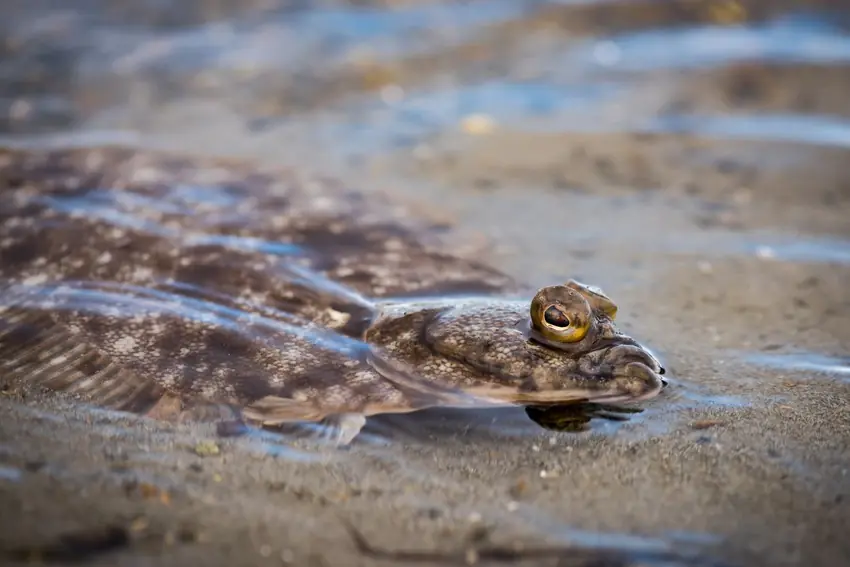
October 2, 2026
September 8, 2026
August 21, 2026
August 18, 2026
August 15, 2026
August 12, 2026
August 8, 2026
August 4, 2026

You're now part of our exclusive community. Get ready for premium content and updates straight to your inbox.
close
Subscribe to our newsletter and receive a selection of cool articles every week.
Please enter a valid email address.
Be the first to know when we're back in action.
Please enter a valid email address.
Leave a Comment
Your email address will not be published. Required fields are marked *
Thank you for your comment! It has been submitted for review and will appear on the site shortly.