


Anglers Booking Team
The expert copywriters at Anglers Booking have meticulously crafted this article. Our dedicated team of writers provides valuable insights and information to enhance your angling experience.
 11 minutes read
Amidst the hustle and bustle and almost paranormal allure of Florida attractions, it's easy to overlook the hidden gem of the Sunshine State's east coast, where the splendor of the Mosquito Lagoon awaits!
Of the East Coast's expansive 156 miles, with the Mosquito Lagoon encompassing 21 of those miles, this intriguingly named waterway boasts a diverse offering of underwater landscapes, grassy plains, mangrove-fringed shores, and the multitude of native and migratory species that inhabit it.

Its reputation as the "Redfish Capital of the World" speaks for itself, but many other species dominate alongside Redfish.
Before you embark on your Mosquito Lagoon fishing odyssey, take advantage of this guide and study the tips and tricks we've put together. Armed with this knowledge and enchanted by the beauty of the Lagoon, you will be prepared to cast your line into this magical waterland!
One and only, Florida shows all its power as far as it reaches, including in the Mosquito Lagoon. Those vast expanses of water are blessed with many fascinating fish creatures, including those that are an eternal inspiration to anglers.
Redfish, Snook, and many other fish are respected residents of Mosquito Lagoon. If you want to know more details, keep reading.
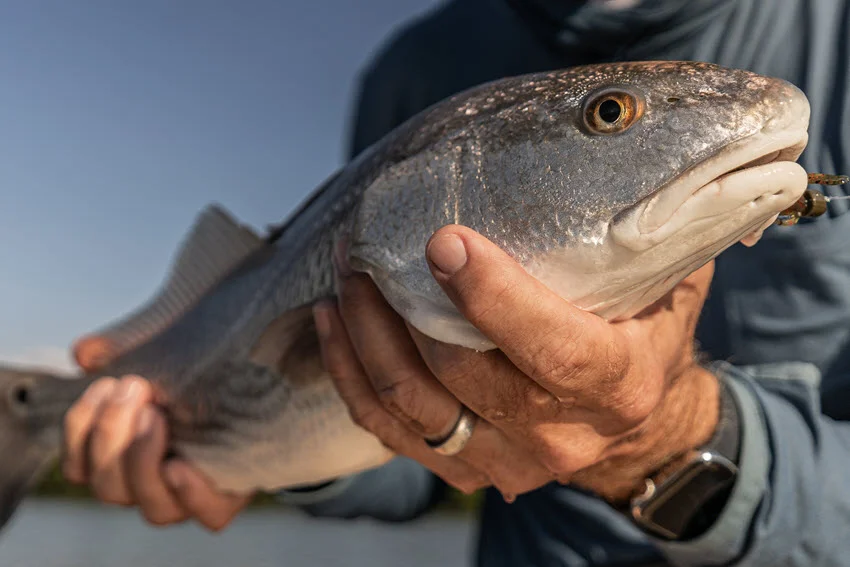
Redfish are the most iconic species in Mosquito Lagoon, earning the area its reputation as the "Redfish Capital of the World." Recognizable by their copper-red hue and tail spots, they are powerful fighters that attract anglers year-round. Most catches measure up to 30 inches, though trophy specimens over 40 inches are not uncommon.
They thrive in shallow environments where stealth and precision are key. Casting live bait, such as shrimp or mullet, near structure is the most effective approach. At the same time, they are catchable year-round, with activity peaks in warmer months, which is the season for targeting big schools and trophy fish.
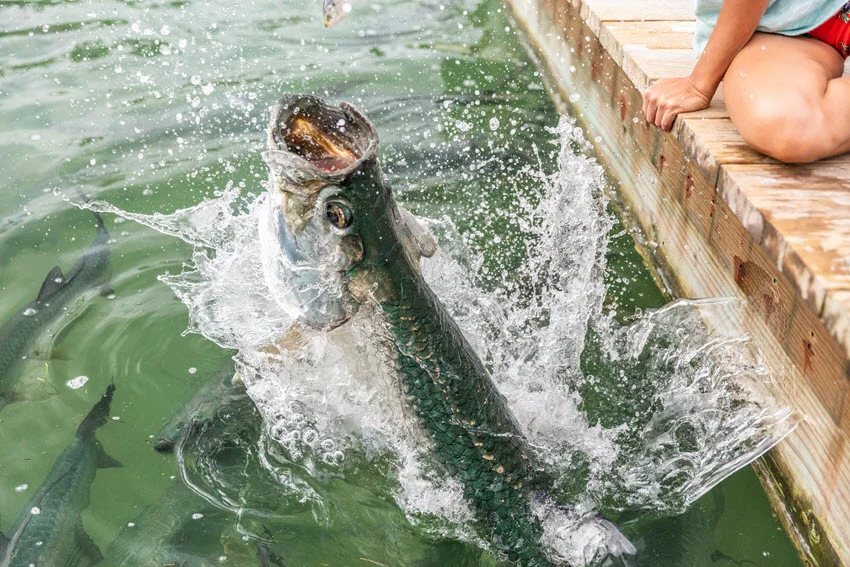
Known as the "Silver King," Tarpon is one of the most prized game fish in Mosquito Lagoon. With their sleek silver bodies, acrobatic leaps, and sheer size, they can reach over 6 feet and weigh more than 200 pounds. This makes them one of the ultimate challenges for anglers seeking both power and spectacle.
The peak Tarpon season in Mosquito Lagoon runs from May through September. Anglers often find success casting across shallow flats at dawn or drifting baits through canal systems near bridges. Their explosive runs and dramatic jumps make every hook-up an unforgettable test of skill and stamina.
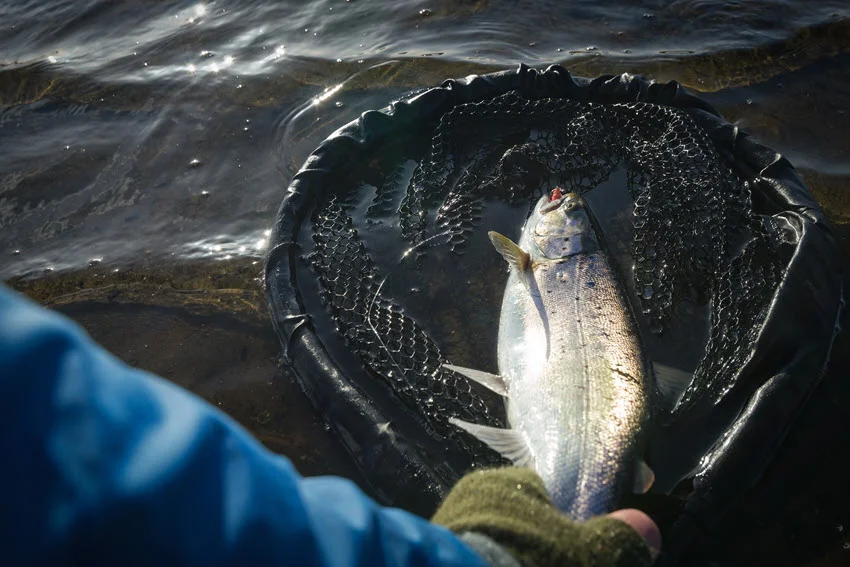
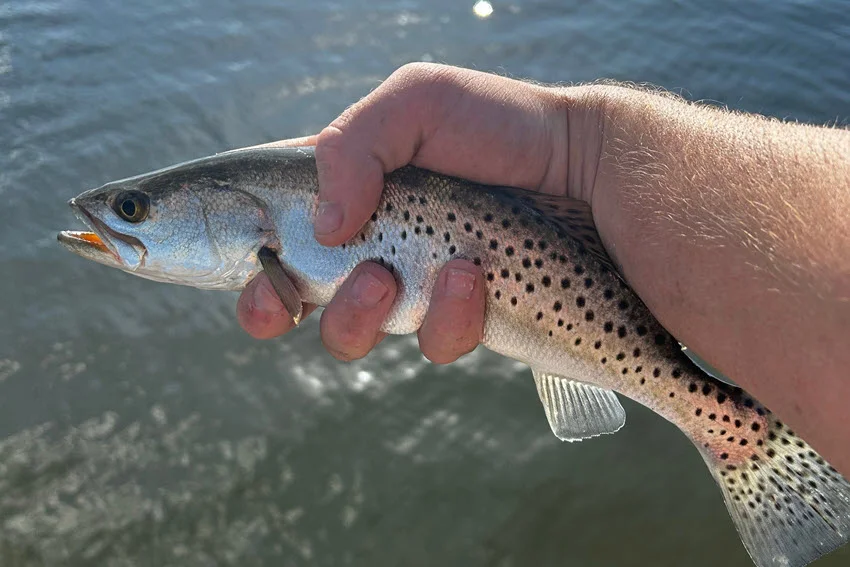
Spotted Seatrout may not rival the size of Tarpon, but they are one of the most popular targets in Mosquito Lagoon. Recognized for their silvery bodies with dark spots, these fish are aggressive feeders that provide steady action for anglers. Most Seatrout range under 30 inches, but their spirited fight and excellent table quality make them highly sought after.
Seatrout fishing is at its best at dawn and dusk when they feed most aggressively. Light spinning tackle and precise casting give anglers the edge in grassy flats and around structure. Live shrimp and soft plastics are reliable, while topwater plugs provide explosive strikes in low-light conditions.
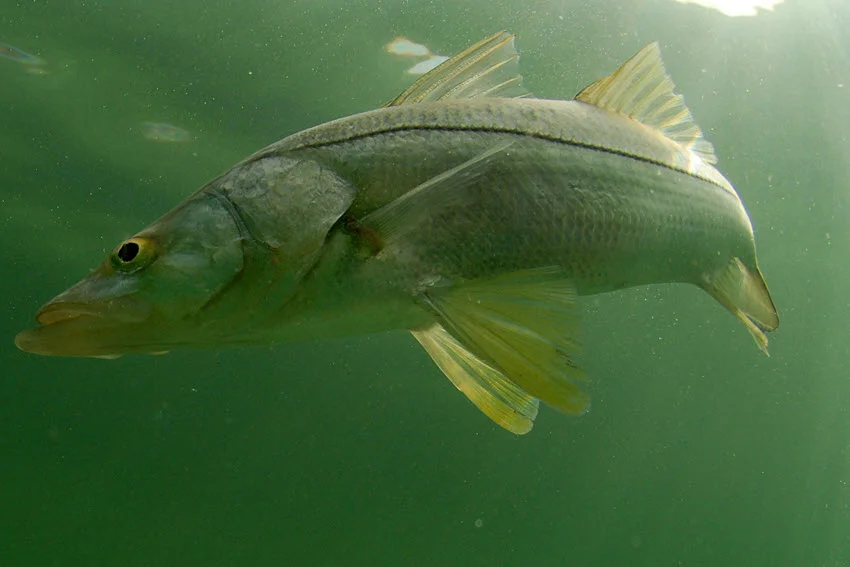
Encounters with the elusive and wary Snook are usually an immense pleasure for the anglers of Mosquito Lagoon. Cunning and known for its affinity for intricate, maze-like habitats, Snook generally swims around bridges and canals, awaiting prey or shelters from view. A bit snake-like in appearance, they reach over 40 inches in length.
The best time to catch Snook in Mosquito Lagoon is from November through March, when cooler water concentrates them around structure. Choosing the right Snook bait, combined with patience and accurate presentation, is key, as Snook are wary and quick to retreat. When hooked, they deliver acrobatic runs and lunges that test even experienced anglers.
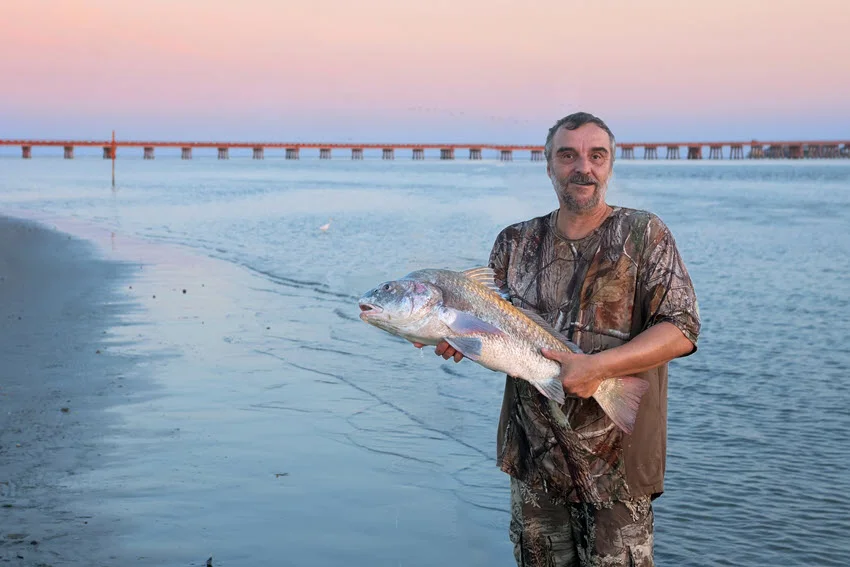
Black Drum, an industrious inhabitant of the waters of the Mosquito Lagoon, diligently explores countless bottom structures in search of its favorite food, crustaceans, mollusks, and small fish. While not as aggressive as these hardy fish, they make up for it with a solid size that goes up to 30 inches in length and tips the scales at over 50 pounds.
Black Drum are most active from November through March, when they gather in deeper channels and along bottom structure. Anglers typically target them with shrimp, crabs, or clams on Carolina rigs or other bottom setups. While their bite can be subtle, once hooked, they fight with steady, heavy pulls that require patience and a strong tackle to bring them to shore.
Different varieties and inhabitants of deeper ocean waters sporadically migrate to the Mosquito Lagoon. Driven by the search for survival, improved conditions are a great joy for local anglers, who are always looking for new thrills.
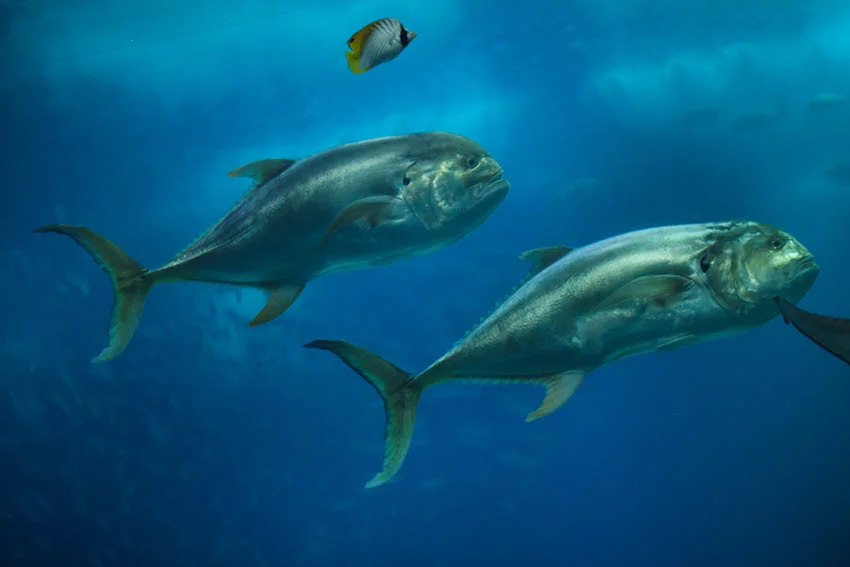
Jack Crevalle is the ultimate embodiment of the sea's sheer power and tenacity in fishing battles. Robust, muscular, and with a cheeky, provocative look, these fish inspire admiration and desire to master. With its striking silver-blue hue adorned with dark vertical stripes along its flanks, Jack Crevalle often glimmers conspicuously and arrogantly around piers and canals, its favorite haunts.
Jack Crevalle is a ruthless competitor driven by insatiable greed and an ever-present appetite. The best time to catch them is from April to November. Trolling or jigging techniques of mullets, pinfish, or menhaden have proven the most effective. This fish is anything but the type to leave anyone indifferent, but to get the better of it, you have to know the species at its core.
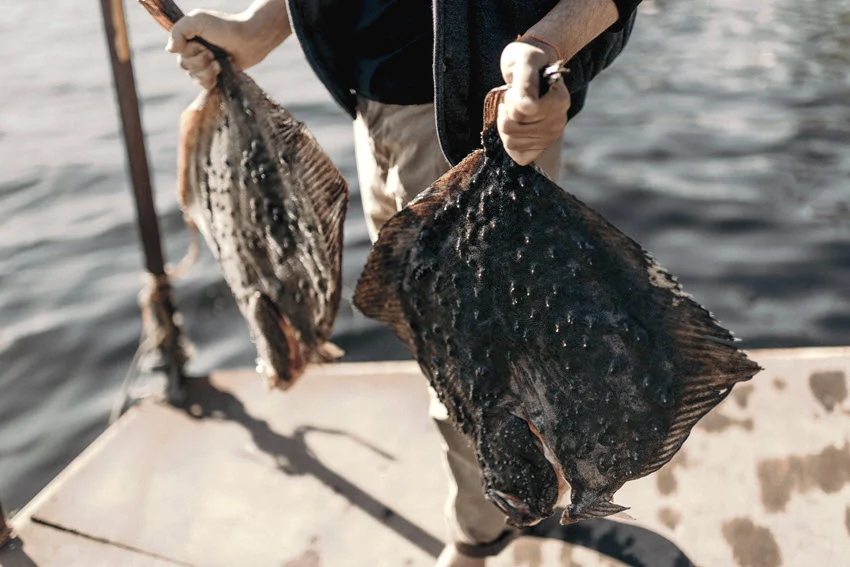
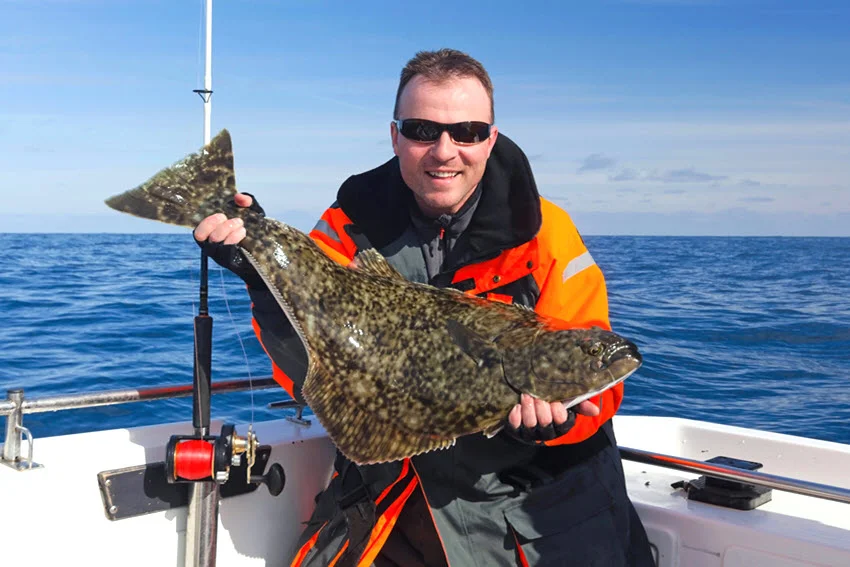
Flounder are masters of camouflage, blending perfectly into the sandy and muddy bottoms of Mosquito Lagoon. Flat-bodied with both eyes on one side, they may not look imposing, but their ambush hunting style makes them challenging to catch. Many grow up to 20 inches or more, offering both a fun fight and excellent table fare.
Flounder fishing peaks from September through December, with another productive stretch in early spring. Anglers usually work soft plastics or jigs slowly along the bottom, mimicking natural prey. Because Flounder strike subtly and often hold bait before swallowing, patience and a well-timed hookset are essential for landing these tricky bottom dwellers.
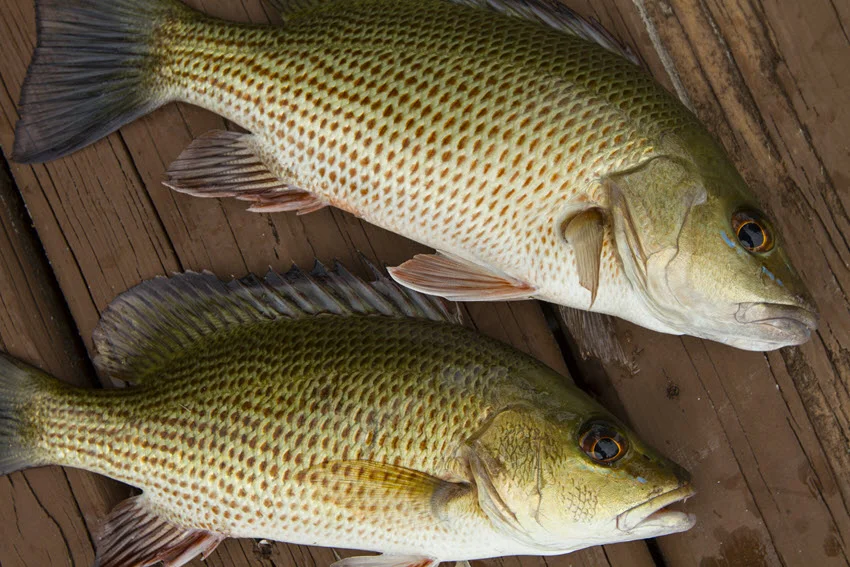
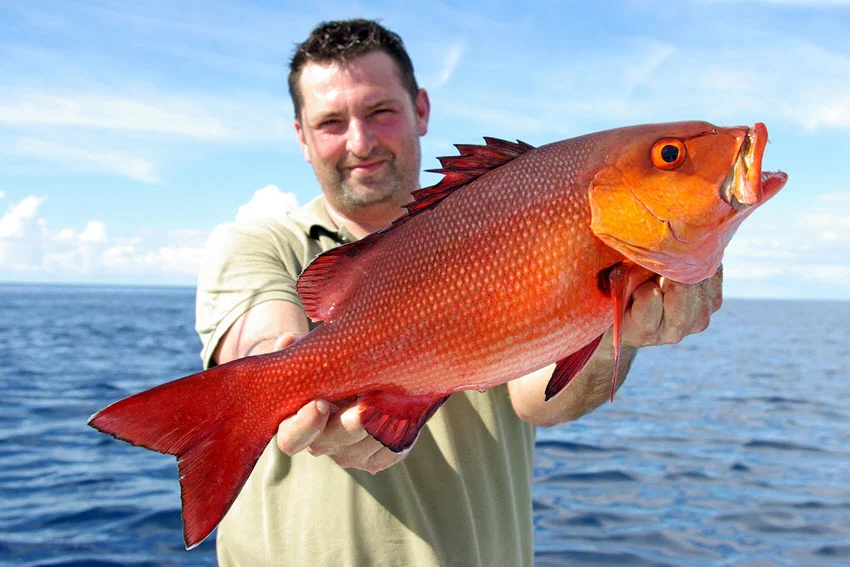
With its versatile nature, the Snapper has a hidden power that defies its outward guise of innocence and serenity. Vivid and colorful, various species exist, like the Mangrove Snapper or the Lane Snapper. They swim around reefs, channels, and structures. Masters of stalking and ambushing, Snappers possess the uncanny ability to disappear quickly and gradually in a second.
In the waters of Mosquito Lagoon, the prime season for catching Snapper is July. Anglers usually present shrimp or small baitfish close to cover using light bottom rigs. Their quick strikes and tendency to dart back into structure require fast hooksets and steady pressure, rewarding anglers with both action and quality fillets.
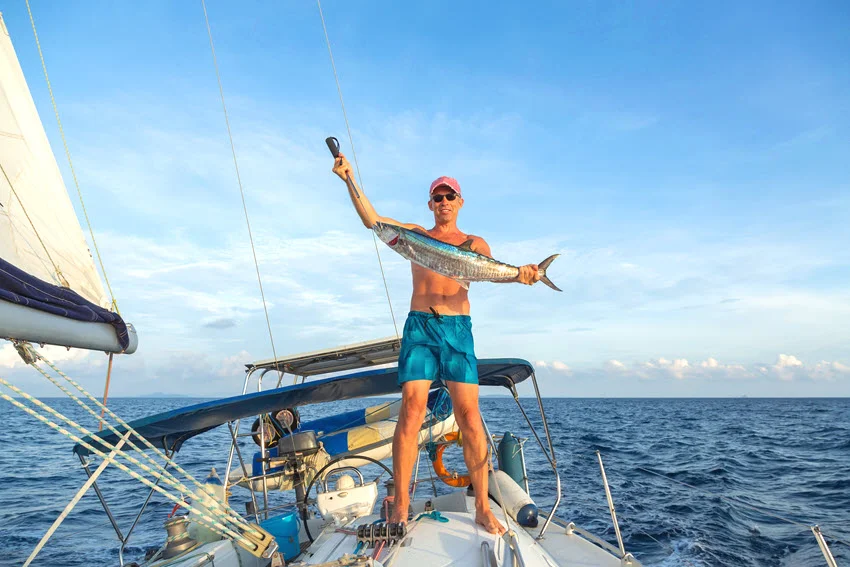
Wahoo are among the fastest predators near Mosquito Lagoon, capable of reaching speeds over 60 mph. With sleek, torpedo-shaped bodies marked by dark vertical stripes and sharp teeth, they are highly prized offshore targets. They can exceed 70 pounds, with exceptional catches topping 100 pounds, making them a true trophy species.
To match their lightning-fast swimming and big bodies, anglers typically pursue Wahoo by trolling at high speed and drifting with baits such as bonito or ballyhoo. Wahoo fishing is very demanding, as these fish exhibit a primal lust for life, making every encounter an exciting test of angling skill and wisdom.
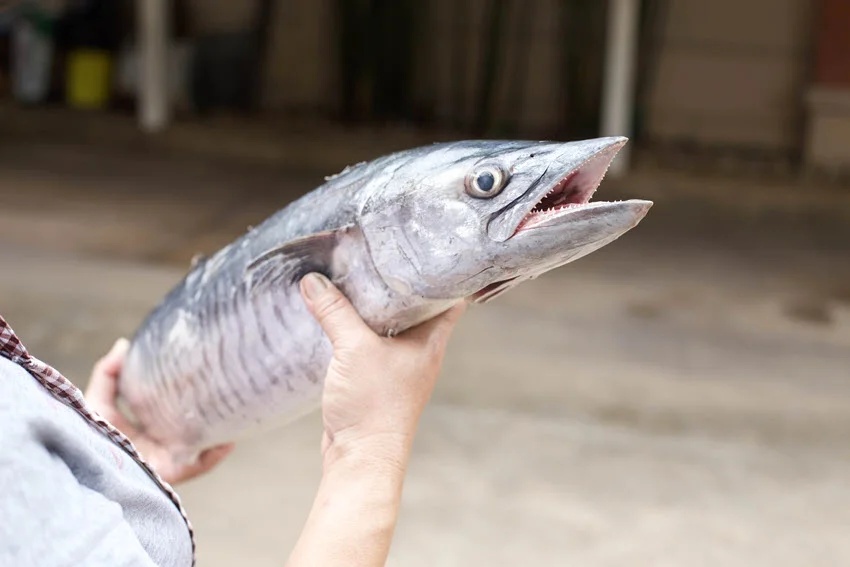
King Mackerel is one of the most desirable and most frequently hunted migratory species in the waters of Mosquito Lagoon. Aggressive, fast, and gracefully fighting, these fish have streamlined bodies with blue-green backs. King Mackerel typically reaches lengths of 3 to 5 feet and weighs more than 30 pounds.
They prefer the environment of inshore reefs and wrecks full of mullet, herring, and sardines. The King Mackerel migration season runs through the warmer months. They are traditionally caught using trolling techniques with rigged or artificial baits and drifting methods. Participating in King Mackerel battles is for those drawn to the chase's pulsating thrill.
Now that we have shown you some of the most representative fish species, we will show you where you can catch them in the Mosquito Lagoon and its surroundings.
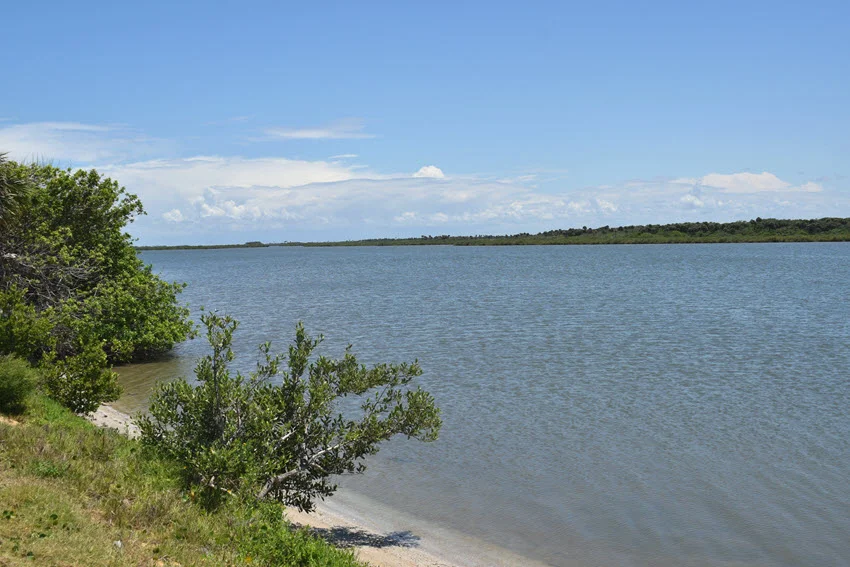
This is a relatively secluded and peaceful location, ideal for those seeking solitude and a connection with nature. Located near various parks, with ample ramps and public access, this reserve provides convenient entry points for anglers with their vessels.
Mosquito Lagoon Water Reserve has various habitats, including grassy areas, mangrove banks, and meandering waters.
They teem with Redfish, Seatrout, Snook, and Tarpon. You can practice various techniques, cast from the shore, or navigate the waters in a boat; the reserve will wholeheartedly support you.
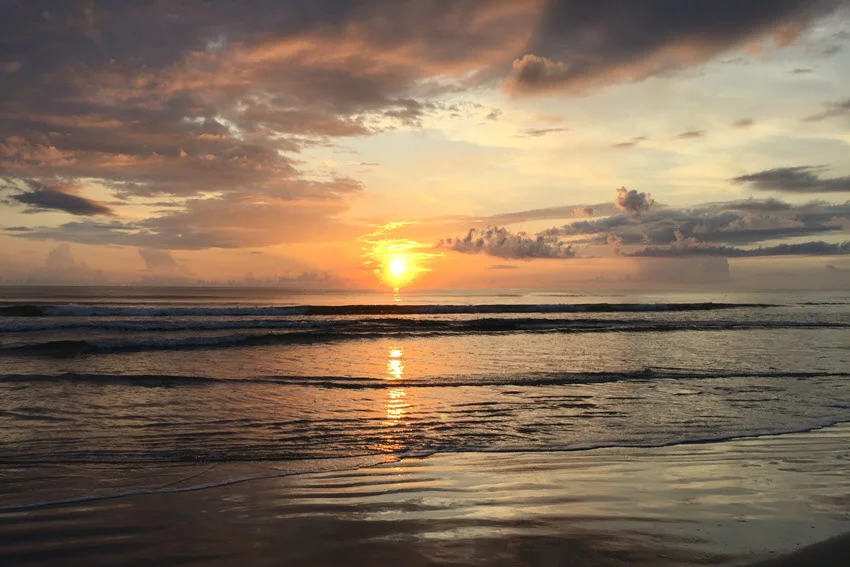
New Smyrna Beach is a scenic gateway to the Mosquito Lagoon area. It is the lagoon's official "starting point." This bustling seaside town boasts numerous charters and a good welcome for anglers.
This location is the perfect launching pad for various coastal or deeper-water fishing endeavors. In addition to fishing, it offers a charming coastal atmosphere, beautiful sandy beaches, parks, and waterfront restaurants.
It is fishing-friendly not only for anglers but also for the whole family or friends. They can enjoy a full day of fishing, leisurely walks along the beach, or relaxing meals overlooking the picturesque lagoon.
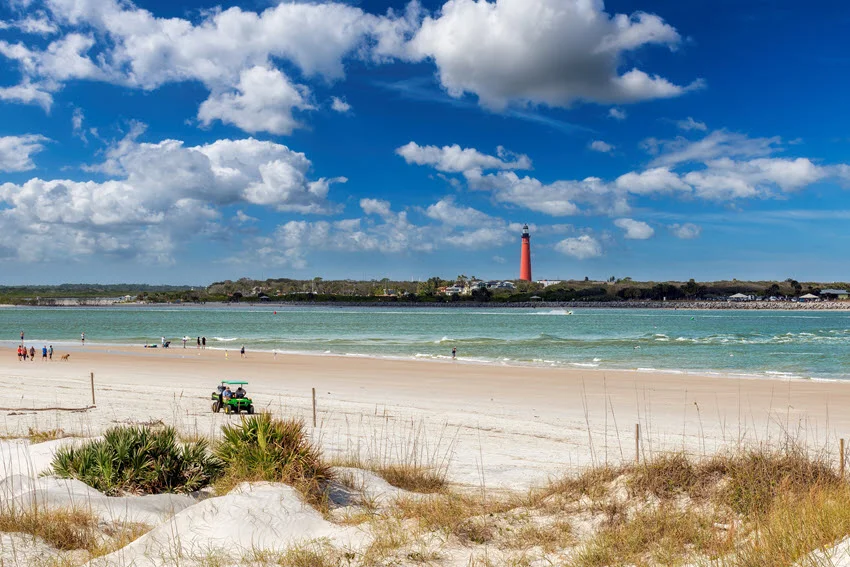
Ponce de Leon Bay is approximately 30 miles south of Mosquito Lagoon, and it will take a short drive to get here. The location is specific because it offers access to fresh and saltwater – the vast fishing grounds of the Atlantic Ocean and the Halifax River.
You can also enjoy a variety of fishing experiences, from surf fishing along the shoreline to sailing the waters of the bay in search of Redfish, Snook, Tarpon, and other species. The deep channels and rocky structures of the cove provide ideal habitats for a variety of fish, and at the same time, it is one of the favorite meeting places for anglers.
There are also boat ramps, piers, and nearby tackle shops. Also, Ponce de Leon Bay boasts a stunning panoramic view of the Atlantic Ocean and a historic lighthouse.
Tiger Shoals, located in the heart of Mosquito Lagoon, is a redfish-dominant hot spot. The ideal location makes this place easily accessible from wherever you are coming from, and it is trendy as a prime destination for sight fishing, whether from a charter boat or kayak.
But Tiger Shoals isn't just famous for its Redfish; it's also a hotspot for Speckled Seatrout action, which makes it ideal for all those admirers of this adorable fish.
The rich treasures of the sea, complemented by the beautiful nature of Mosquito Lagoon, inspire wandering, research, and experimentation with new fishing techniques. Whether you are a beginner angler or a seasoned veteran, our presentation of the most popular methods will be helpful.
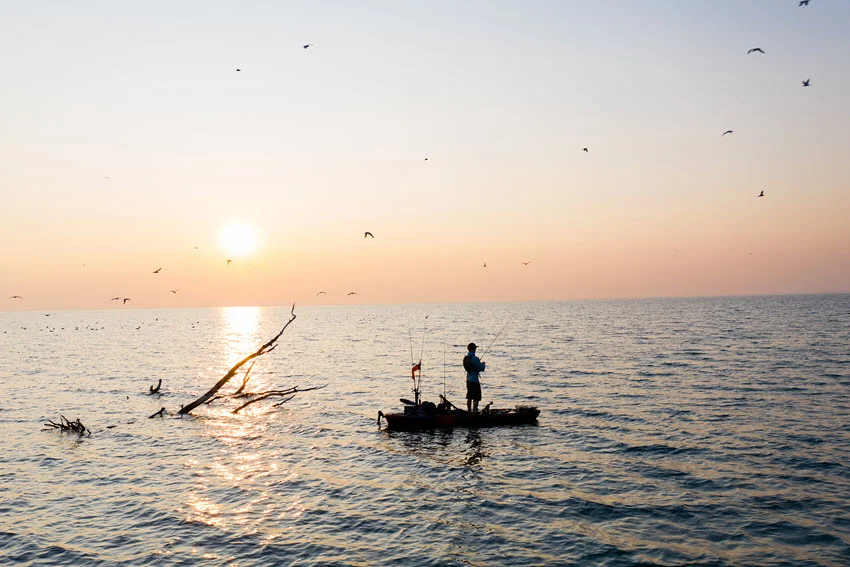
Kayak fishing can be a bit difficult for some and tiring if you are not at a good fitness level, but it offers so much that you must try it! Silently gliding on a calm surface, you can access remote and shallow areas that are not accessible to larger boats, which allows for intimate encounters with a diverse fishing world.
One key advantage is the ability to stealthily approach fish in shallow mangrove flats and channels with minimal disturbance to the water surface. In the Mosquito Lagoon, anglers usually cast and catch Redfish in the shallows, Tarpon, or Snook hiding in the maze's roots.
The calm environment and strong focus add to the appeal of kayak fishing. You need a quality kayak with special compartments for storing gear, bait, and safety equipment. Additionally, this technique fosters a deeper connection with nature, allowing kayakers to witness the rich biodiversity firsthand.
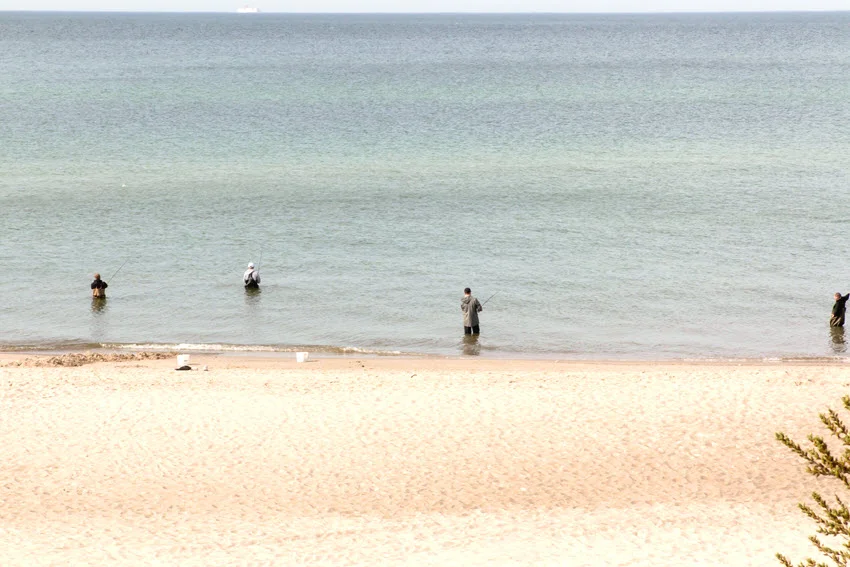
Fishing on the flats is straightforward at first glance; wade quietly through the pristine shallows, feel the soft sand beneath your feet, and scan the horizon for signs of elusive game.
In the waters of the Mosquito Lagoon, flat fishing is mainly used to catch Redfish, Bonefish, and Permit, whose sleek silhouettes cut gracefully through the shimmering water.
You must be highly focused and have a strong, precise, and light rod that will not scare the fish away and successfully present the bait to it. Depending on what fish you are after, you will need light bait and a good selection of lures.
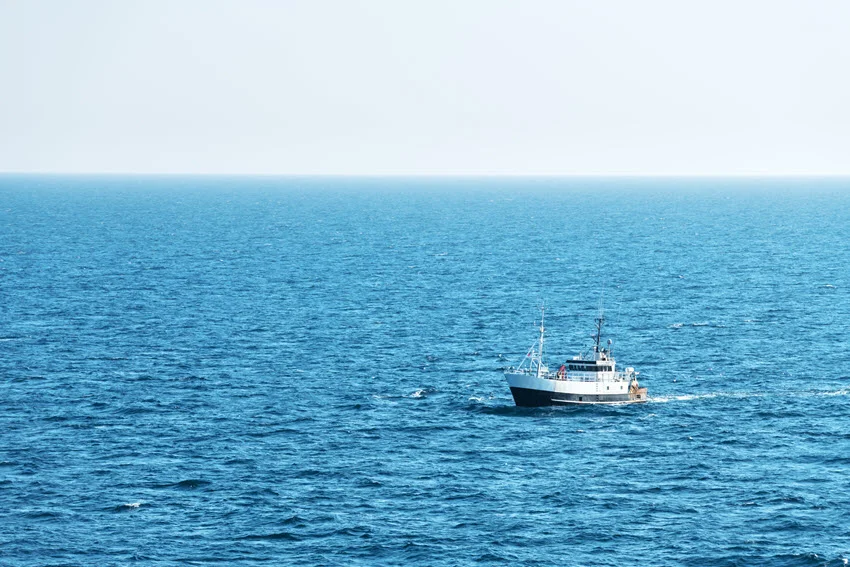
Like kayak fishing, this approach is retro but deeply interactive with a beautiful setting. Drifting is an active and challenging fishing technique that primarily relies on the power of natural ocean currents.
The boat can drift in sync with the water, tide, and wind and change speed and direction as needed. You can drift with artificial or live ones, such as mullets, squid, pinfish, etc. An excellent technique for targeting a wide range of species, from Flounder and Grouper on the bottom to aquatic predators such as Marlin and Sailfish.
Drifting allows anglers to adapt to the weather, fish, and gear while remaining mobile and ready for every bite of the target species.
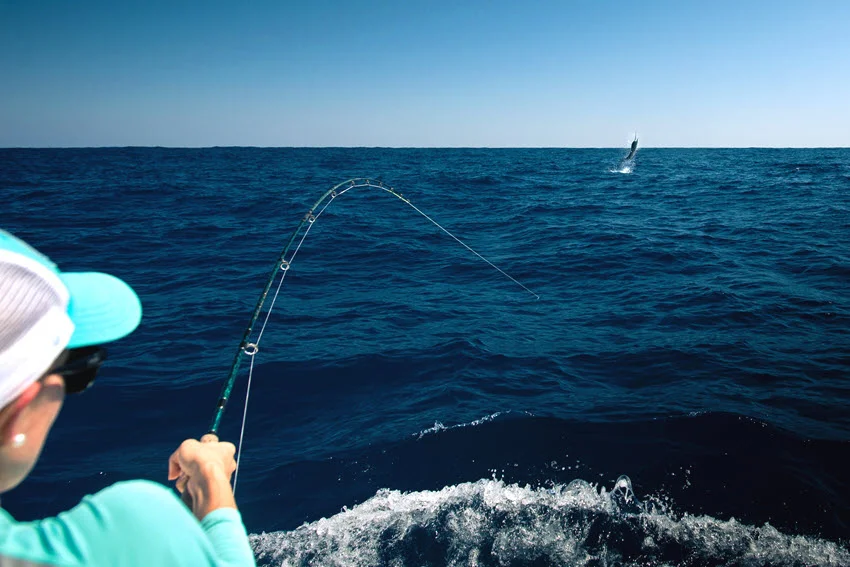
Fly fishing in the waters of the Mosquito Lagoon offers anglers a sublime experience. However, this technique combines the art of casting with the thrill of hunting wherever and whenever it is practiced. Fly fishing is considered a delicate and graceful technique and can be adapted to catch freshwater and saltwater environments.
Mosquito Lagoon's pristine waters provide the perfect backdrop for fly fishing. Its expansive flats, shallow bays, and winding creeks offer plenty of opportunities to cast wary fish such as Redfish, Tarpon, and Bonefish.
This technique requires specialized lightweight fly rods, reels, and carefully tied artificial flies designed to imitate shrimp or crabs. Fly fishing is further refined and sharpened with each new cast, and you can polish it for the rest of your life.
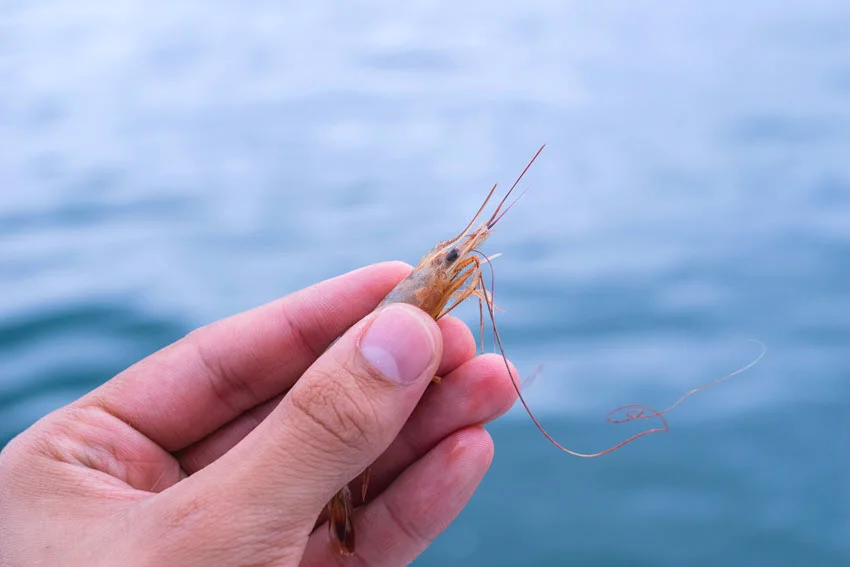
Live bait fishing is an old and traditional technique-oriented towards nature, and it is the kind of fishing that primarily serves to bring food to the table. By using live bait such as shrimp, mullets, or sardines, anglers can exploit the instincts of predatory fish, luring them with the movement and vulnerability of their live prey.
This versatile technique enables targeting different species in various habitats, including reefs, wrecks, mangrove banks, and open waters. It is also an excellent technique for beginners and those gradually introduced to the fishing world.
It can be particularly effective for species such as Snapper, Grouper, Tarpon, Snook, and Kingfish. Carefully selecting the appropriate bait and presentation allows anglers to take a more practical approach to fishing from a boat, kayak, or shore.
Understanding fishing regulations in an area is crucial for protecting fish populations and ecosystems and promoting responsible angling practices.
Anglers Booking Team
Fishing regulations and permits in Mosquito Lagoon are overseen, enacted, and enforced by the Florida Fish and Wildlife Conservation Commission (FWC) at the state and federal levels. The primary goal of these regulations and the possession of all necessary permits is to promote responsible and sustainable fishing practices without denying anyone the opportunity to enjoy fishing activities.
In this way, the rich marine ecosystem of this area is preserved and maintained. All anglers, without exception, resident or not, who are 16 years of age or older must have licenses to fish in freshwater or saltwater areas and adhere to the guidelines regarding catch and size limits, and seasonal closures.
Obtaining a fishing license is simple and can be done through the official FWC website, authorized agents, or certain fishing tackle shops authorized to distribute them. Understanding the regulations and obtaining all the permits is relatively easy, and it plays a vital role in maintaining the abundance of fish populations in Mosquito Lagoon and maintaining the region's respected reputation as a top fishing destination.
It would be a real shame to miss the opportunity to fish in the waters of the Mosquito Lagoon, which is a bit different from the typical Florida destinations, which only adds to its charm.
It's not that noisy; what's more, it's very calm, but if you're a fan of a bit more robust and vigorous fishing, which accelerates the blood flow through the veins, that shouldn't stop you from daring to cast here.
Either way, our guide will come in handy as a compass that will direct you and help you avoid wasting time! Besides, if there is anything you are interested in or we missed saying something, and we can help you, feel free to ask in the comments!

The expert copywriters at Anglers Booking have meticulously crafted this article. Our dedicated team of writers provides valuable insights and information to enhance your angling experience.

February 14, 2025
October 11, 2025
Subscribe to our newsletter and receive a selection of cool articles every week.
Embark on unforgettable fishing adventures with us at Anglers Booking.
book your charter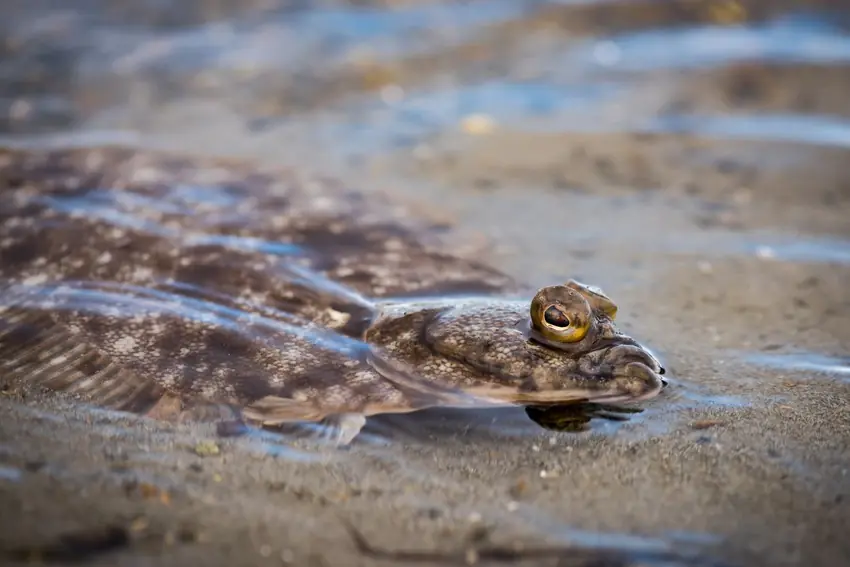
October 2, 2026
September 8, 2026
August 21, 2026
August 18, 2026
August 15, 2026
August 12, 2026
August 8, 2026
August 4, 2026

You're now part of our exclusive community. Get ready for premium content and updates straight to your inbox.
close
Subscribe to our newsletter and receive a selection of cool articles every week.
Please enter a valid email address.
Be the first to know when we're back in action.
Please enter a valid email address.
Leave a Comment
Your email address will not be published. Required fields are marked *
Thank you for your comment! It has been submitted for review and will appear on the site shortly.