


Anglers Booking Team
The expert copywriters at Anglers Booking have meticulously crafted this article. Our dedicated team of writers provides valuable insights and information to enhance your angling experience.
 7 minutes read
Crappie, or more often called "Speckled Perch," are very popular freshwater panfish in Florida, especially among anglers who enjoy light tackle and schooling. Florida waters hold two species: the Black Crappie and the White Crappie.
While both species are present, Black Crappie are far more common and dominate many of the state's top fisheries, making them the primary target for most anglers during peak season.
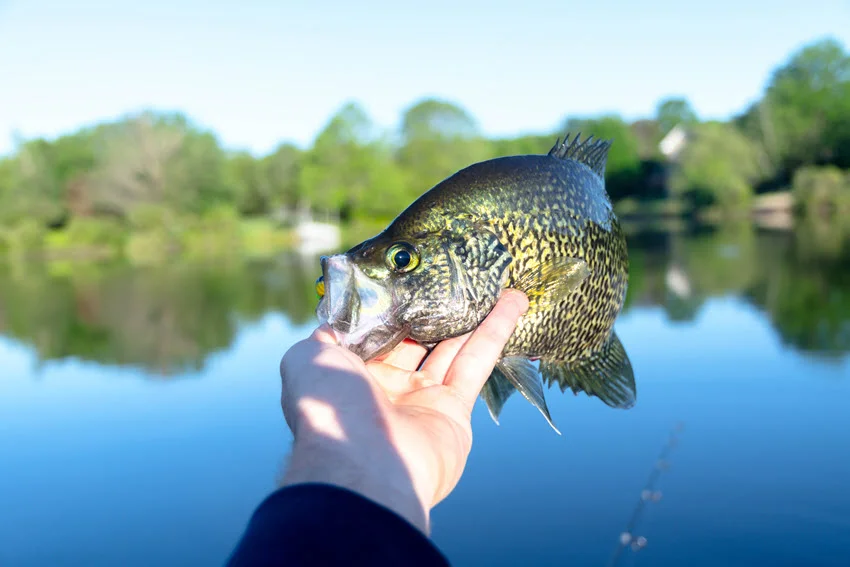
Because of their generally abundant populations within most lakes and rivers in Florida, Crappie are an excellent target for the casual and dedicated angler alike. The tendency to school in deeper water, along with fairly predictable spawning habits, results in consistent opportunities for good catches.
The Florida Fish and Wildlife Conservation Commission (FWC) considers managing Crappie populations a priority. Current regulations help maintain balanced harvests and support long-term population health.
The daily bag limit for Crappie is 25 fish. There is no statewide minimum size limit for Crappie. These regulations are in effect unless local exceptions are posted for a particular waterbody or Fish Management Area (FMA) (see the section below for more information).
At Lake Talquin and Lake Okeechobee, Crappie under 10 inches total length must be released immediately.
This is implemented in designated lakes and managed waters to ensure a balanced harvest and a healthy Crappie population. Always confirm the exact rules for your lake or river on the FWC special bag and length limits page.
In North Florida and the Panhandle, Crappie often hold in deeper water outside the spawn and move to shallower water in the spring as water temperatures rise. In Central Florida, submerged vegetation, grass beds, and flooded timber provide consistent cover and holding areas.
In South Florida canals and managed lakes, Crappie commonly relate to shoreline vegetation, brush piles, and man-made structures during low-light periods and cooler conditions.
These regulations are designed to help maintain balanced Crappie populations and support steady recruitment over time. Following statewide rules and local exceptions helps support long-term fishing opportunities for anglers.
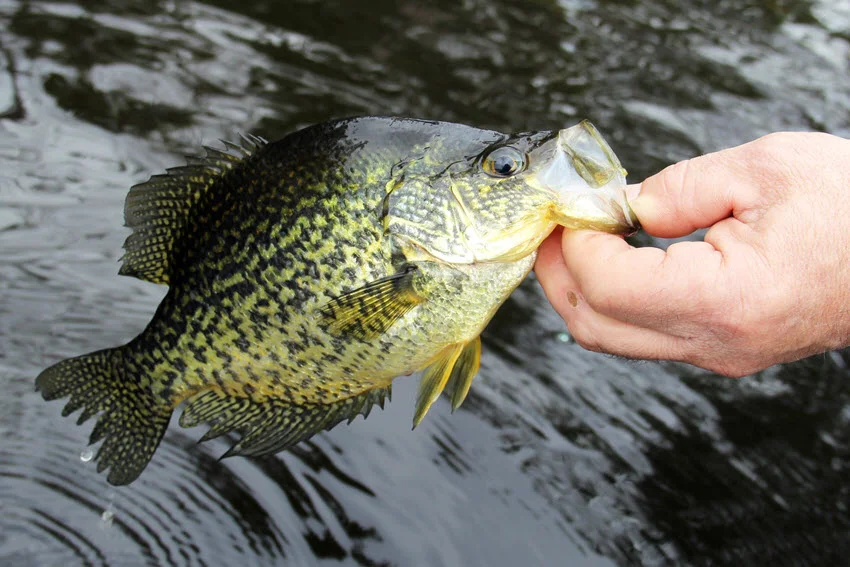
The Black Crappie is a schooling fish that likes deeper water with structure (timber, brush piles, and submerged vegetation). During spawning, they move into shallow water near aquatic vegetation.
The Crappie fishing season in Florida generally begins as the weather cools in late autumn and lasts through springtime. Although Crappie can be caught year-round, many anglers focus on the cooler season.
Some famous Crappie baits include insect larvae and crustaceans, and they adopt a schooling behavior to ambush prey. Diets vary throughout the year, and Crappie anglers target them by using small jigs, minnows, or grass shrimp to mimic these prey behaviors.
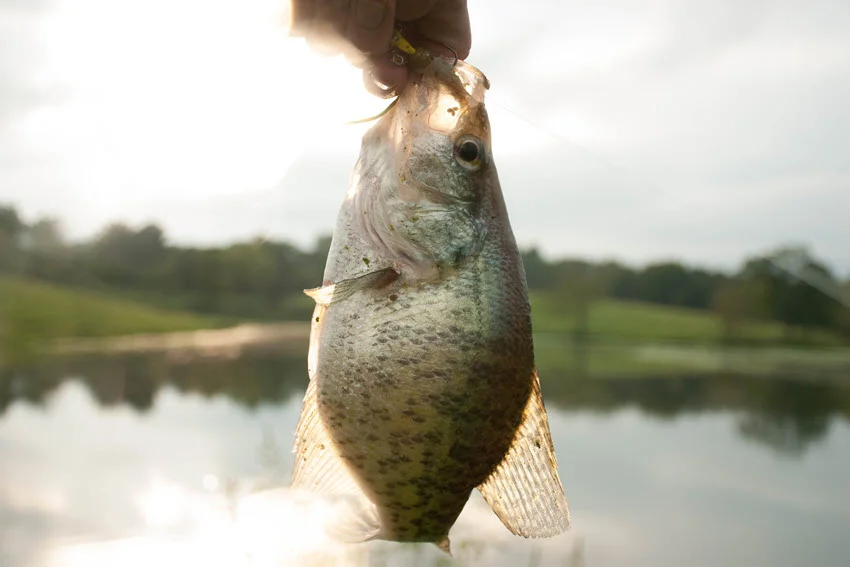
Crappie are best caught from winter to early spring, as cooler water pushes them into the shallow spawning areas, vegetation, and structure. Anglers targeting these zones during that time can expect more consistent bites.
Adjust your depth and lure presentation to match. During these warm periods, fishing with light wire jigs tipped with minnows or shrimp works well.
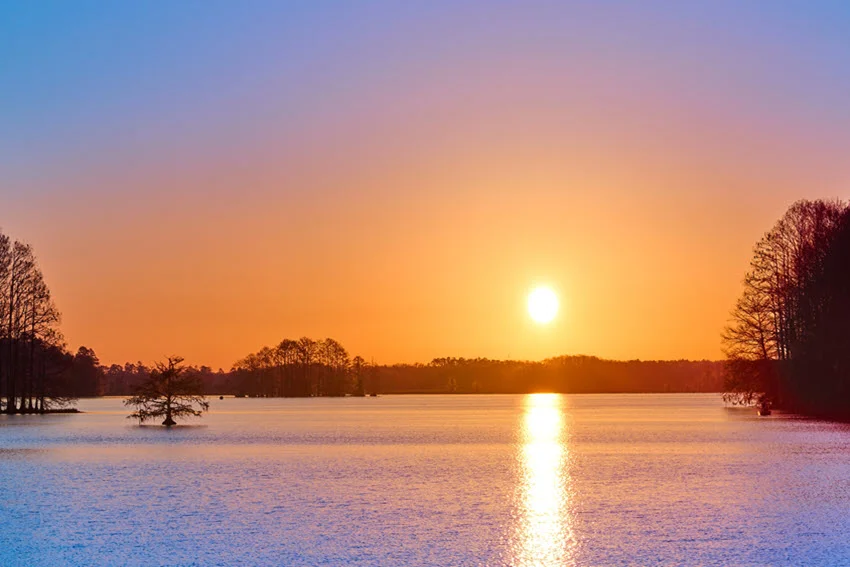
From northern Panhandle waters to southern lakes and canals, excellent Crappie fishing can be found throughout the state.
Having a good understanding of the best places to go and what they offer is a huge step towards success in catching more Crappie.
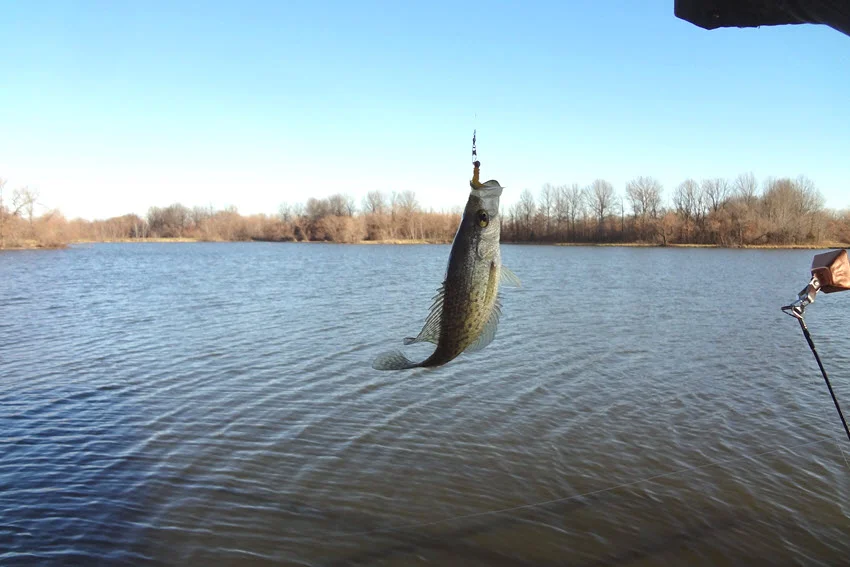
If you are planning to fish for Crappie in Florida, a proper light tackle setup is a great place to start. Below is a list of factors to consider when choosing the fishing gear for the trip.
Use the right light tackle setup, small baits, and reliable knots to improve hookup rates and help you land Crappie more consistently.
Understanding fishing regulations and preserving specific fish species contributes to protecting fish populations and ecosystems and promoting responsible angling practices.
Anglers Booking Team
If you wish to fish for Crappie in Florida, you must obtain a Florida freshwater fishing license. However, if you are not exempt, you have to visit the FWC website to find the latest requirements for obtaining a fishing license.
A valid freshwater license helps keep you compliant and supports Florida's fisheries management programs.
Handle Crappie gently after landing to protect their slime coat by using wet hands. Avoid squeezing the fish and use light gear for catch-and-release to reduce the risk of deep hooking.
When harvesting Crappie, keep only what you plan to use. Releasing small Crappie, particularly those close to the 10-inch minimum size limit in some lakes, helps preserve their stocks for the future.
Florida offers year-round Crappie fishing, with the best action usually in the cooler months. By following FWC rules, using the right gear, and handling fish carefully, you can enjoy consistent action while helping support the fishery for the future.
What are the areas you mostly fish for Florida Crappie, and what are your best methods for catching Florida Crappie, whether it is by using jigs, live bait, or night fishing?
Disclaimer: Fishing regulations and open seasons may vary by region and are subject to change. The information in this guide is for general reference only. Learn the latest fishing rules, size limits, and season dates on the official websites of the state or federal government before your trip.

The expert copywriters at Anglers Booking have meticulously crafted this article. Our dedicated team of writers provides valuable insights and information to enhance your angling experience.

November 22, 2024

March 31, 2025
Subscribe to our newsletter and receive a selection of cool articles every week.
Embark on unforgettable fishing adventures with us at Anglers Booking.
book your charter
September 8, 2026
August 21, 2026
August 18, 2026
August 15, 2026
August 12, 2026
August 8, 2026
August 4, 2026
April 17, 2026

You're now part of our exclusive community. Get ready for premium content and updates straight to your inbox.
close
Subscribe to our newsletter and receive a selection of cool articles every week.
Please enter a valid email address.
Be the first to know when we're back in action.
Please enter a valid email address.
Leave a Comment
Your email address will not be published. Required fields are marked *
Thank you for your comment! It has been submitted for review and will appear on the site shortly.